
Isoleucine: Skin Benefits and Uses

Isoleucine appears on many ingredient lists and can raise questions for shoppers. This amino acid plays roles in skin health, and readers want clear, simple facts about it. Isoleucine can act inside formulas to help hydration and barrier support.
What is Isoleucine?
Isoleucine is one of nine essential amino acids that humans must obtain from food or topical sources. Studies show amino acids like isoleucine help build proteins that skin needs. Isoleucine appears naturally in foods such as meat, eggs, and beans, and it may be added to skincare formulas.
Because isoleucine sits among other amino acids, it helps form structural proteins like collagen and keratin. Research indicates amino acids support skin repair and resilience, although benefits vary by formulation and concentration. Isoleucine in topical products usually works alongside other ingredients.
Recommended Products
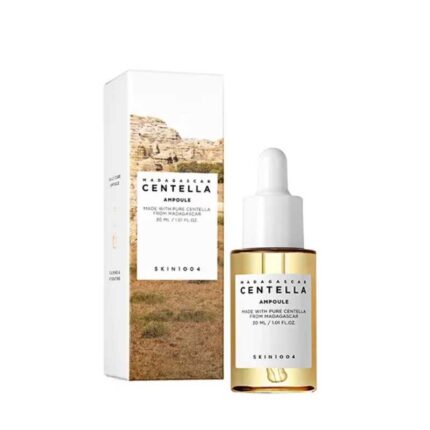 Sale
SaleOriginal price was: ৳ 1,260.00.৳ 882.00Current price is: ৳ 882.00.
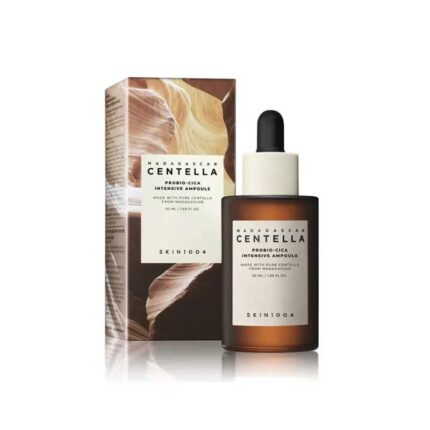 Sale
SaleOriginal price was: ৳ 3,360.00.৳ 2,352.00Current price is: ৳ 2,352.00.
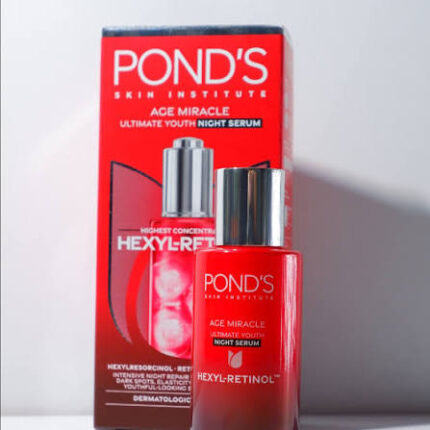 Sale
SaleOriginal price was: ৳ 2,000.00.৳ 1,950.00Current price is: ৳ 1,950.00.
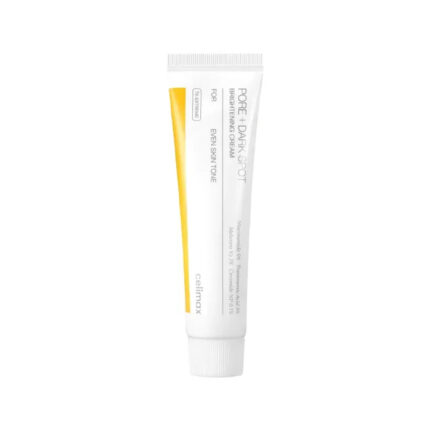 Sale
SaleOriginal price was: ৳ 1,790.00.৳ 1,590.00Current price is: ৳ 1,590.00.
How Isoleucine Supports Skin Function
Isoleucine helps cells make proteins that keep skin firm and resilient. Studies show amino acids contribute to the skin’s natural moisturizing factors, which maintain hydration. Isoleucine supports barrier function when combined with lipids and humectants.
For example, the skin barrier traps moisture and keeps irritants out, and amino acids help maintain that layer. Dermatologists recommend formulations that balance lipids and amino acids for barrier recovery. Isoleucine acts as a building block rather than as a single miracle ingredient.
Isoleucine as a Barrier Support Amino Acid Ingredient
When listed on a label, isoleucine often indicates a focus on barrier repair. This barrier support amino acid ingredient can aid the skin’s outer layer when used correctly. Research indicates amino acids can mimic the skin’s natural components and sooth dryness.
Because the stratum corneum needs small, soluble molecules to hold water, amino acids such as isoleucine help keep the layer flexible. Studies show that skincare with amino acids can improve moisture retention compared to cleansers that strip natural oils. Isoleucine pairs well with ceramides and glycerin in formulas that target barrier health.
Benefits of Isoleucine for Skin and Hair
Isoleucine supports protein synthesis, which matters for both skin and hair. Dermatologists recommend nutrient-rich formulas for hair strength and scalp health, and isoleucine may appear in those products. Isoleucine contributes to a balanced amino acid profile needed for keratin production.
As a moisturizing compound, isoleucine can help skin feel softer and more elastic when combined with humectants. Research indicates multi-ingredient products that include amino acids show better hydration than basic moisturizers alone. Isoleucine may reduce roughness and improve texture after consistent use.
How Isoleucine Works in Skincare Formulations
Formulators add isoleucine to serums, creams, and cleansers for specific outcomes. Studies show amino acids dissolve easily in water-based phases, making them suitable for hydrating formulas. Isoleucine complements other actives such as peptides and hyaluronic acid.
When mixed with humectants, isoleucine helps pull and hold moisture at the skin surface. Research indicates compatibility with common cosmetic ingredients, but concentration matters for performance. Isoleucine often appears in low to moderate levels that support overall formulation balance.
Stability and pH Considerations
Formulators check pH because amino acids can change solubility and feel. Studies show most amino acids remain stable in mild pH ranges used in skincare. Isoleucine performs best in neutral to slightly acidic formulas that suit skin.
For example, a cleanser with isoleucine may need buffering agents to stay effective and gentle. That means consumers should expect stable formulas designed for skin rather than raw amino acids added without testing. Isoleucine rarely causes instability when used by experienced brands.
When to Choose Products with Isoleucine
Choose products with isoleucine if you want extra support for hydration and barrier recovery. Dermatologists recommend adding amino acids when skin looks dry or rough. Isoleucine may be useful after environmental stress or mild irritation from weather.
Because Isoleucine aids the skin’s natural moisturizing factors, it works well with routine moisturizers and treatments. Research indicates that synergy with ceramides and humectants improves outcomes. Isoleucine may also suit sensitive skin when formulas remain fragrance-free and mild.
Possible Side Effects and Safety
Isoleucine is generally safe in topical use for most people. Studies show adverse reactions are rare when manufacturers use tested concentrations. If irritation occurs, stop use and consult a dermatologist.
Because allergic reactions can occur to any ingredient, patch testing new products is wise. Dermatologists recommend testing a small skin area before full application, especially for those with reactive or rosacea-prone skin. Isoleucine itself rarely triggers contact allergy, but carriers or fragrances may cause trouble.
Comparing Isoleucine to Other Amino Acids
Isoleucine sits among amino acids like leucine, valine, and serine in cosmetic science. Research indicates different amino acids deliver varied benefits: some bind water, others feed microbial balance. Isoleucine specifically supports protein building and barrier maintenance.
When comparing labels, look for combined amino acid blends for broad support rather than a single ingredient alone. Studies show blends mimic the skin’s natural mixture, so a product with isoleucine plus other amino acids often performs better. Isoleucine can be part of that effective mix.
How to Read Labels for Isoleucine
Labels show ingredient order by concentration, so isoleucine may appear early or mid-list. Research indicates actives listed near the top likely appear at performance levels. Isoleucine listed near the end still may benefit formulations when used with other actives.
Because water-based formulas dilute many ingredients, pay attention to product claims and formulation partners such as ceramides or hyaluronic acid. Dermatologists recommend looking for simple ingredient lists if you have sensitive skin. Products designed for barrier repair often highlight amino acids and moisture-retaining compounds.
Common Product Types Containing Isoleucine
Cleansers, serums, creams, and hair treatments may include isoleucine. Studies show topical amino acids appear in both leave-on and rinse-off formulations. Isoleucine suits products focused on hydration and mild repair.
For example, a hydrating serum may list isoleucine alongside hyaluronic acid and glycerin for layered moisture. Research indicates combining these ingredients offers short-term relief and supports longer-term barrier resilience. Isoleucine also appears in scalp treatments formulated to strengthen hair.
DIY and Ingredient Sourcing
Making DIY products with pure isoleucine powder is not recommended for beginners. Studies show correct pH, solubility, and preservation require formulation knowledge. Isoleucine must dissolve and pair with safe preservatives to prevent contamination.
If you prefer natural sources, dietary intake supports systemic isoleucine levels that feed skin from within. Nutrition plays a role in skin health, and research indicates balanced protein intake helps maintain skin integrity. Isoleucine from food works differently than topical application, but both routes matter.
Price and Value Considerations
Products with isoleucine can range from affordable to premium, depending on brand and formulation. Research indicates consumers may pay more for well-tested blends and stable delivery systems. Isoleucine itself is not the sole cost driver; formulation complexity often raises the price.
When deciding, compare ingredient lists and consider evidence for claims. Dermatologists recommend choosing products with multiple supportive ingredients for barrier care. Isoleucine adds value when it fits into a thoughtful, well-balanced formula.
Research and Clinical Evidence
Studies show topical amino acids can support hydration and barrier repair under controlled conditions. Research indicates consistent use often yields measurable improvements in moisture retention and texture. Isoleucine appears in several cosmetic research papers as a contributing component.
Because independent studies vary, look for peer-reviewed work and manufacturer transparency. Dermatologists recommend products that cite evidence for combined ingredient benefits rather than isolated claims. Isoleucine tends to show best results when included in comprehensive formulations.
Consumer Tips: How to Use Isoleucine Products
Use leave-on products with isoleucine after cleansing and before heavier creams. Studies show layering humectants and occlusives helps lock in moisture. Isoleucine works well in the hydrating step of a routine when paired with serums or lightweight lotions.
When applying, press products gently into the skin to aid absorption. For scalp and hair treatments, follow the product’s recommended frequency. Isoleucine-based products generally fit daily routines, but follow brand instructions for best results.
Sustainability and Sourcing
Brands source amino acids from plant or microbial fermentation methods, and many aim for sustainable supply chains. Research indicates fermentation reduces reliance on animal sources for amino acids. Isoleucine sourced responsibly aligns with ethical and environmental values for many shoppers.
Because transparency matters, look for brands that publish sourcing and testing practices. Dermatologists recommend choosing companies that test for impurities and stability. Isoleucine from trusted suppliers lowers the risk of contamination and inconsistent performance.
Common Myths About Isoleucine
Myth: Isoleucine alone will fix all skin problems. Reality: amino acids like isoleucine help, but they work best in balanced formulas. Studies show multi-ingredient approaches usually outperform single-ingredient fixes.
Myth: Topical isoleucine boosts collagen overnight. Reality: protein synthesis takes time and repeated use. Research indicates improvements develop over weeks of consistent application rather than hours.
Product Examples and What to Expect
Expect gentle hydration, better texture, and improved resilience when using isoleucine-rich products. Studies show modest improvements in moisture and smoothness across many trials. Isoleucine often contributes to cumulative benefits when used consistently.
Because individual responses vary, track your skin’s reaction over several weeks. Dermatologists recommend patience and gradual introduction of new actives. Isoleucine rarely causes dramatic quick changes, but steady use can yield noticeable improvement.
How Isoleucine Fits into a Skincare Routine
Start with a gentle cleanser, then apply a hydrating serum that may contain isoleucine. Research indicates layering light hydrating products before richer creams improves retention. Isoleucine helps the hydrating step without adding heavy oils.
At night, use a nourishing cream to seal moisture and support repair. Dermatologists recommend using sunscreen in the daytime to protect gains and prevent further barrier damage. Isoleucine works across morning and evening routines when formulations suit each step.
Expert Advice and Practical Guidance
Dermatologists recommend looking at full ingredient lists rather than a single name like isoleucine. Research indicates that synergy matters more than any single component. Isoleucine proves most useful when paired with ceramides, glycerin, and mild fatty acids.
For sensitive skin, choose fragrance-free formulas that test for irritation. Studies show fragrance often causes reactions, so a simple formula with isoleucine can be a safer choice. Isoleucine works quietly as part of a thoughtful regimen.
Frequently Asked Questions
What is isoleucine used for in skincare?
Isoleucine helps support protein building and moisture retention in the skin. Studies show it contributes to the skin’s natural moisturizing factors when paired with other humectants. It appears in products aimed at hydration and barrier repair.
Can isoleucine cause irritation?
Isoleucine rarely causes irritation by itself, though formulas can vary. Dermatologists recommend patch testing new products, especially if you have sensitive skin. Reactions more often come from additives like fragrance or preservatives.
How soon will I see results from isoleucine products?
Results depend on the formula and your skin type, but improvements often take weeks. Research indicates cumulative benefits from consistent use rather than immediate changes. Track your skin over several weeks for best assessment.
Is dietary isoleucine the same as topical use?
Dietary isoleucine supports overall protein needs and skin health from the inside. Topical isoleucine works locally at the skin surface and uses different mechanisms. Both routes can matter, but topical use targets hydration directly.
Final Thoughts
Isoleucine can support skin barrier health and boost moisture when included in thoughtful formulas. Studies show its best outcomes come from combination products that pair isoleucine with humectants and lipids. Try a gentle, evidence-based product with isoleucine and monitor your skin for consistent improvement.