
Acetyl Glutamine: Skin Benefits & Uses

Many shoppers want ingredients that deliver real hydration without irritation. Acetyl Glutamine appears in modern skincare for its gentle, targeted effects. This guide explains how Acetyl Glutamine works and how to choose products that use it.
What is Acetyl Glutamine?
Acetyl Glutamine is a modified amino acid derived from glutamine. Chemists add an acetyl group to improve skin delivery and stability. People often find it milder than some humectants while still helping the skin hold moisture.
Recommended Products
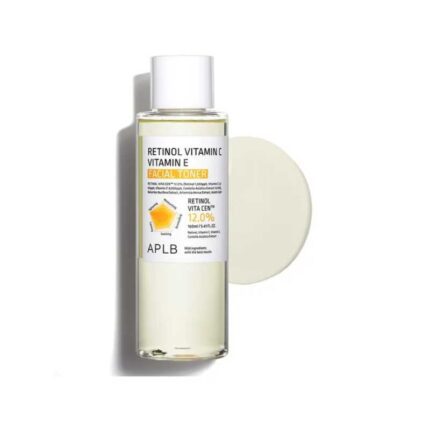 Sale
SaleOriginal price was: ৳ 1,760.00.৳ 1,232.00Current price is: ৳ 1,232.00.
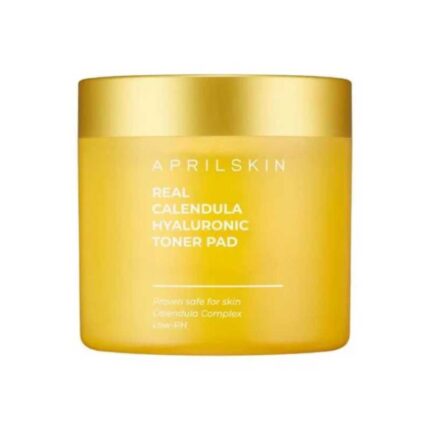 Sale
SaleOriginal price was: ৳ 2,950.00.৳ 2,690.00Current price is: ৳ 2,690.00.
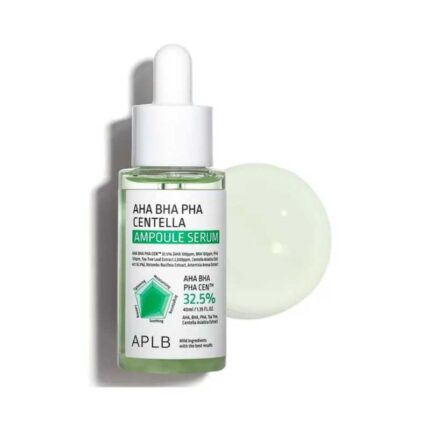 Sale
SaleOriginal price was: ৳ 1,300.00.৳ 910.00Current price is: ৳ 910.00.
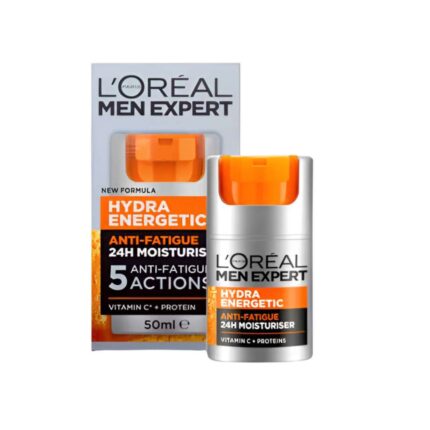 Sale
SaleOriginal price was: ৳ 2,350.00.৳ 1,490.00Current price is: ৳ 1,490.00.
View DetailsHow Acetyl Glutamine works on the skin
When applied topically, Acetyl Glutamine helps the skin retain water by supporting natural moisture processes. Studies show that amino acid derivatives can strengthen the skin barrier and reduce water loss. Because it mimics natural building blocks, the skin accepts it easily and uses it efficiently.
Research indicates that small molecules like Acetyl Glutamine penetrate the upper layers of skin more readily than larger proteins. That means the ingredient can act where moisture control matters most. Dermatologists recommend simple formulations that pair such molecules with other hydrating elements.
Benefits for hydration and texture
Acetyl Glutamine provides focused hydration support without heavy residue. For example, it can smooth rough patches and help the skin feel softer after consistent use. Users with dry or sensitive skin often report fewer tight or flaky areas.
As a hydration support compound, it complements humectants and emollients in a routine. Studies show that combining amino acid derivatives with glycerin or hyaluronic acid can improve skin comfort. This means the overall product can deliver better long-term hydration results.
Why it is called a skin conditioning amino acid ingredient
The term skin conditioning amino acid ingredient refers to compounds that improve feel, appearance, or moisture. Acetyl Glutamine fits this group because it derives from a natural amino acid. It helps condition the skin by supporting elasticity and surface smoothness.
Because amino acids are building blocks for proteins, they also feed processes that maintain the skin barrier. Research indicates that amino acid-based ingredients can reduce roughness and boost softness. For people seeking gentle conditioning, this ingredient offers a simple option.
Common formulations and product types
Manufacturers include Acetyl Glutamine in serums, moisturizers, and essences. It also appears in lightweight lotions for daytime use and richer creams for night routines. Many formulas keep concentrations moderate to avoid irritation while still providing benefit.
When shopping, look for products that list Acetyl Glutamine in the ingredient panel near other humectants. That placement suggests a functional inclusion rather than a trace amount. While price does not always indicate efficacy, trusted brands often disclose concentration ranges.
How to use Acetyl Glutamine in your routine
Begin with a patch test if you have reactive skin and wait twenty-four hours. Next, apply a small amount of product containing Acetyl Glutamine after cleansing and before heavier creams. Regular use, morning and night, gives the skin time to stabilize and adjust.
For layered routines, pair it with sunscreen in the morning and a richer barrier cream at night. When combining actives, avoid mixing too many exfoliating acids at once. That strategy helps the ingredient work without increasing irritation risk.
Compatible ingredients and pairings
Acetyl Glutamine blends well with humectants like glycerin and hyaluronic acid. It also works alongside ceramides and fatty acids that restore the barrier. When formulators balance humectants and emollients, users see both immediate and lasting hydration.
Because it is gentle, the ingredient rarely conflicts with antioxidants or calming agents. For example, pairing it with niacinamide can support tone and barrier health. Still, patch testing remains wise when starting new combinations.
Safety profile and potential side effects
Most people tolerate Acetyl Glutamine without issues. Dermatologists report low irritation rates for amino acid derivatives compared with stronger actives. Nevertheless, those with extreme sensitivities should test a small area first.
Research indicates few allergic responses in general populations, and formulators use conservative concentrations to improve tolerance. If redness or burning occurs, stop use and consult a skincare professional. That step helps identify the culprit ingredient quickly.
Choosing a product with Acetyl Glutamine
Look for products that list Acetyl Glutamine among the top half of ingredients for likely efficacy. Brands that explain their formulation goals tend to offer clearer guidance on expected results. Consumer reviews can help, but focus on verified experiences and common themes.
When possible, select products from brands with transparent testing and quality controls. Studies show that consistent routines matter more than occasional use. That is why choosing a product you will use daily matters most.
Clinical evidence and expert guidance
Studies show that amino acid derivatives like Acetyl Glutamine support barrier repair and hydration. Dermatologists often recommend gentle amino acid ingredients for dry, sensitive, or aging skin. Clinical trials on related compounds report improved skin comfort and reduced dryness after regular use.
Because research varies by formulation, look for trials on finished products rather than isolated ingredients. That approach reveals how the ingredient performs inside a full formula. For serious skin conditions, consult a dermatologist before self-treating.
Comparing Acetyl Glutamine to other humectants
Acetyl Glutamine offers a gentler alternative to stronger humectants. For example, hyaluronic acid draws and holds water but may need larger molecules for surface moisture. The acetylated amino acid can penetrate and support internal moisture processes differently.
While glycerin provides strong humectant action, Acetyl Glutamine adds conditioning benefits without tack. Research indicates that using a mix of humectants often yields better user satisfaction. That method helps balance immediate feel and long-term barrier health.
Myths and misconceptions
Some shoppers assume all amino acids behave the same on skin, but that is incorrect. Acetyl Glutamine differs in size, charge, and stability from other amino acids. Those differences influence how the molecule interacts with skin chemistry.
Another myth says natural equals safe and synthetic equals harmful. Both natural and synthetic ingredients can be safe or irritating. Instead, evaluate ingredient behavior and evidence for safety rather than origin alone.
Cost and availability
Products with Acetyl Glutamine span budget and premium ranges. Ingredient cost remains moderate, so price often reflects brand positioning and packaging. Many mainstream and niche brands now include it, making options widely available.
Because it appears in various product types, shoppers can test the ingredient via samples or smaller sizes. That tactic reduces risk and helps users find the right texture and formulation. Try different formats to see what your skin prefers.
Tips for shoppers
Read the ingredient list and pick products where Acetyl Glutamine appears among the top ingredients. Also, choose formulations that match your skin type and season. For dryer months, thicker creams with the ingredient can lock in moisture better.
When reviewing labels, watch for unnecessary fragrances or high alcohol levels that may counteract benefits. If you prefer minimal ingredient lists, seek simpler formulas that highlight the amino acid. That choice reduces variables and clarifies results.
Environmental and ethical considerations
Many manufacturers source amino acids responsibly or synthesize them in labs to reduce environmental strain. Brands sometimes disclose sourcing and manufacturing practices openly. Consumers can favor companies that show transparent supply chains.
Because production methods vary, research brands that publish safety testing and environmental commitments. That approach supports informed purchasing and aligns choices with personal values. It also pressures the industry toward better standards.
Real-world results and timeline
Most users notice softer, less tight skin within two to four weeks of regular use. Studies show that barrier improvements often emerge after consistent application over several weeks. That means patience matters when assessing performance.
Visible smoothing typically follows the first month for many people, while deeper changes appear with longer use. For lasting benefits, maintain a simple, consistent routine that includes protection and hydration. That strategy supports long-term skin health.
Product examples and routine placement
Serums with Acetyl Glutamine often sit after toning and before heavier creams. Lightweight essences can apply similarly for quick absorption. Rich creams containing the ingredient provide overnight support and barrier reinforcement.
For morning routines, top with sunscreen after application. Night routines benefit from richer layers to seal in benefits. Rotate products gradually to monitor tolerance and effectiveness over time.
What to expect with long-term use
With steady use, many people report fewer dry patches and a smoother surface. Studies show that amino acid support helps maintain barrier function over time. That reduces the frequency of flare-ups for some users.
Long-term benefits also include improved comfort in changing seasons and less reliance on heavy occlusives. However, keep expectations realistic and pair the ingredient with sun protection and a balanced routine. That combination supports visible, lasting improvements.
Signs it may not be right for you
If you experience persistent irritation after a patch test, the product may not suit your skin. Some formulations include other actives that cause the reaction rather than Acetyl Glutamine itself. Stop use and evaluate ingredient lists to identify the trigger.
When irritation occurs, simplify your routine and reintroduce products one at a time. That strategy helps isolate sensitive ingredients quickly. If problems persist, seek professional advice from a dermatologist.
How formulators stabilize Acetyl Glutamine
Formulators often balance pH and combine stabilizers to preserve the ingredient. That care helps maintain efficacy in various product formats. Proper formulation ensures Acetyl Glutamine remains active throughout shelf life.
Manufacturers may also pair it with antioxidants to reduce oxidation risks. Those choices increase product stability and protect skin from external stress. Look for brands that describe their formulation choices clearly.
Label reading: what to watch for
When scanning labels, find Acetyl Glutamine by name rather than generic phrases. Ingredients lists arranged by concentration give insight into likely performance. Also, check for complementary humectants and barrier lipids nearby in the list.
Be wary of masked ingredient names or marketing terms that obscure concentration. Brands that publish full ingredient lists and product philosophies offer clearer guidance. That transparency makes it easier to decide what to try.
Tips for combining with treatments
When using prescription topical treatments, consult a clinician about adding Acetyl Glutamine. Many dermatologists allow gentle amino acid ingredients alongside medical therapies. Still, professional guidance prevents unintended reactions.
If your routine includes retinoids or strong acids, introduce new hydrating ingredients slowly. That helps the skin adjust without overloading with new actives. Monitor your skin and adjust frequency as needed.
Safety for sensitive skin and rosacea
People with sensitive skin or rosacea often tolerate Acetyl Glutamine well. Because it acts gently and conditionally, it rarely triggers flare-ups. Start with low-frequency use to confirm compatibility.
Clinical guidance suggests choosing fragrance-free, low-irritant formulas when you have reactive skin. That reduces unnecessary triggers and helps the amino acid deliver benefits. Always patch test under the jawline before facial use.
Storage and shelf life
Store products containing Acetyl Glutamine away from heat and direct sunlight to preserve potency. Most properly formulated skincare items remain stable for many months. Check expiration dates and discard products past their recommended use.
Keeping lids closed and avoiding contamination by fingers extends product life. Clean application tools also prevent microbial growth. Those practices maintain efficacy and safety over time.
Do animal tests or vegan options matter?
Some brands test on animals while others do not, and this affects consumer choice. Vegan formulations exist when the ingredient comes from synthetic or plant-based sources. Look for clear labeling if ethical sourcing matters to you.
Companies that disclose testing policies and ingredient origins make it easier to choose aligned products. That transparency supports trust and encourages responsible industry practices. Consider company ethics as part of your buying decision.
How to spot marketing versus meaningful claims
Marketing can overpromise benefits without evidence, so read product claims critically. Products that cite testing or studies provide stronger support for results. When brands describe how an ingredient works, you can better judge likely effects.
Be cautious of vague terms that lack supporting detail or clinical data. Instead, favor brands that explain mechanisms and trial outcomes. Those practices improve your chances of finding effective products.
Common questions about mixing with other routines
People often ask whether Acetyl Glutamine interferes with exfoliation or anti-aging actives. Most evidence suggests it complements rather than conflicts with such ingredients. Using it with a balanced regimen usually enhances comfort and hydration.
When layering, apply Acetyl Glutamine-containing products before heavier occlusives. That ensures delivery to the upper skin layers. Monitor skin response and adjust application frequency if irritation appears.
FAQs
Is Acetyl Glutamine safe for all skin types?
Most skin types tolerate Acetyl Glutamine well, including dry and sensitive skin. However, always perform a patch test if you have known sensitivities. Stop use and consult a professional if you see persistent redness or discomfort.
How quickly will I see results from Acetyl Glutamine?
Many users notice softer skin and less tightness within two to four weeks of regular use. Deeper improvements to barrier and texture may appear after several weeks. Consistent application yields the most reliable outcomes.
Can I use Acetyl Glutamine with retinoids?
Yes, Acetyl Glutamine generally pairs well with retinoids because it supports hydration and barrier repair. Introduce new products slowly when combining strong actives. Consult a dermatologist if you have concerns or severe sensitivity.
Does Acetyl Glutamine replace hyaluronic acid?
Acetyl Glutamine does not replace hyaluronic acid but complements it by offering conditioning and barrier support. Many effective products pair both for broader hydration benefits. Using them together can improve immediate feel and long-term moisture balance.
Final Thoughts
Acetyl Glutamine offers a gentle, effective option for people seeking improved moisture and a conditioned skin feel. Studies and expert recommendations support its role as a useful hydration and barrier support ingredient. Try a well-formulated product and use it consistently to see meaningful results.