
Neopentyl Glycol Diheptanoate: Skin Benefits Guide

Many shoppers want a smoother feel from their lotions and creams while avoiding heavy greasiness, and Neopentyl Glycol Diheptanoate often delivers that balance. This ingredient appears in products labeled for a silky finish and light hydration, and it can change how a formula feels on skin. Read on to learn how Neopentyl Glycol Diheptanoate works and whether it fits your routine.
What is Neopentyl Glycol Diheptanoate?
Neopentyl Glycol Diheptanoate is an ester made to act as a skin-conditioning agent and emollient. Because chemists design it to have a light texture, many brands use it to give creams a smooth glide and a non-greasy finish. Studies show that esters like this can improve spreadability and sensory feel in topical products.
When consumers read ingredient lists, the name can look technical, yet it simply refers to a synthetic ester derived from neopentyl glycol and heptanoic acid. That is why formulators choose it as a replacement for heavier oils in leave-on products. Dermatologists recommend trying gentle formulations first if you have sensitive skin.
For example, cosmetic companies often call it a silky ester ingredient in marketing notes to highlight touch and texture. Still, the label term does not change how the compound performs on different skin types. Research indicates that esters balance slip with quick absorption in many formulations.
Recommended Products
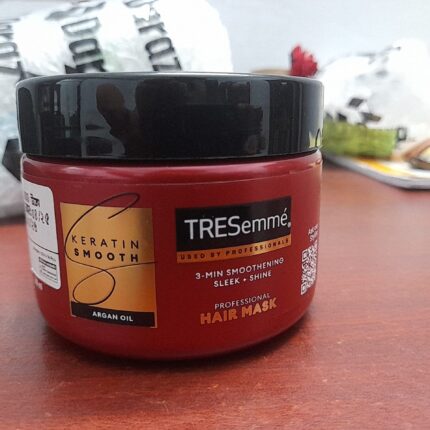 Sale
SaleOriginal price was: ৳ 1,200.00.৳ 950.00Current price is: ৳ 950.00.
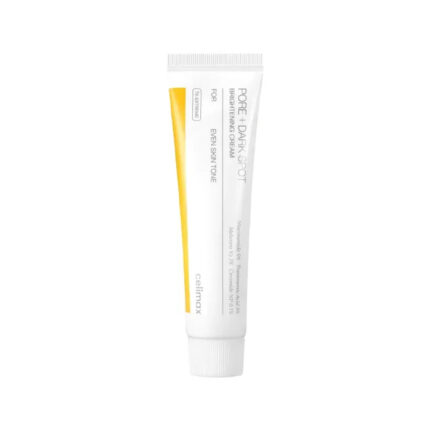 Sale
SaleOriginal price was: ৳ 1,790.00.৳ 1,590.00Current price is: ৳ 1,590.00.
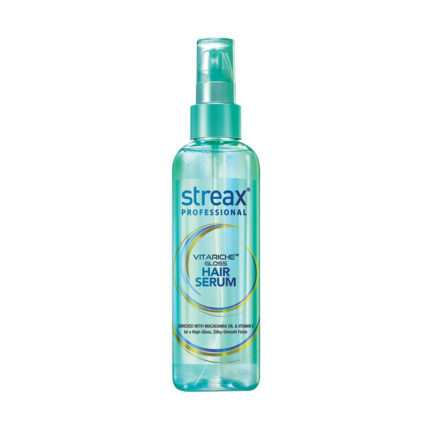 Sale
SaleOriginal price was: ৳ 670.00.৳ 560.00Current price is: ৳ 560.00.
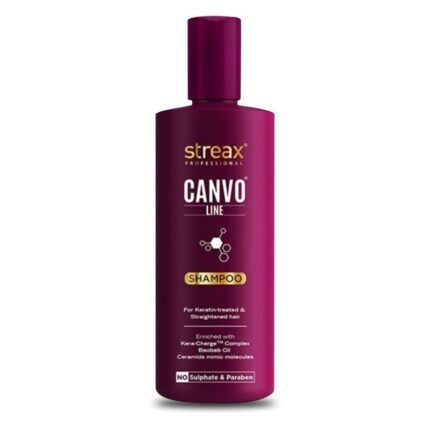 Sale
SaleOriginal price was: ৳ 1,100.00.৳ 799.00Current price is: ৳ 799.00.
How Neopentyl Glycol Diheptanoate Works on Skin
Neopentyl Glycol Diheptanoate acts mainly as an emollient that smooths rough skin and reduces the feeling of dryness. Because it sits lightly on the surface, it helps the skin retain moisture without a heavy film. That means the skin can feel softer while remaining breathable under makeup or sunscreen.
When formulators add this ingredient, it changes how a product spreads and dries, making textures more silky and elegant. In practice, creams glide across the skin and absorb faster when this ester is present. Studies show that products with similar esters often score higher in consumer sensory panels for feel and quick absorption.
As a lightweight emollient compound, Neopentyl Glycol Diheptanoate pairs well with humectants like glycerin to support hydration. This combination lets the product both attract water and smooth the surface. For people who dislike oily residues, the result feels clean and refined.
Benefits for Different Skin Types
Individuals with oily or combination skin often prefer products that include Neopentyl Glycol Diheptanoate because it avoids greasy buildup. Because the ingredient spreads thinly, users report less shine compared with traditional oils. Dermatologists recommend lightweight emollients for oily-prone skin to maintain hydration without clogging pores.
For dry skin, the ester can help restore a smooth surface and reduce rough patches when paired with occlusive or humectant ingredients. When applied regularly, the skin can retain moisture more effectively and feel less tight. Research indicates that combining emollients and humectants improves skin comfort more than using either alone.
Even sensitive skin types may tolerate Neopentyl Glycol Diheptanoate well, since it lacks strong fragrances and heavy residues. Still, patch testing a new product remains a practical step, especially for reactive skin. That is why trial sizes or small purchases help assess compatibility before committing.
Common Uses in Skincare and Cosmetics
Neopentyl Glycol Diheptanoate appears in a wide range of leave-on products, such as facial moisturizers, serums, and sunscreens. Because it improves texture and spread, many sunscreen formulas use it to help active filters distribute evenly. Brands also add it to primers and makeup to provide a smooth base for application.
When used in body lotions and hand creams, the ingredient gives quick-absorbing feel without stiffening fabrics. For example, consumers note that creams with this ester do not leave greasy marks on clothing after full absorption. Manufacturers choose it to enhance user experience across diverse product types.
Because it is a stable ester, formulators value Neopentyl Glycol Diheptanoate for its resistance to oxidation and breakdown. This means products can maintain their texture over time when packaged properly. Research indicates that stable emollients can extend shelf life while keeping sensory benefits intact.
Formulation Tips and Product Labels
When reading labels, look for Neopentyl Glycol Diheptanoate near other emollients and texture enhancers in the ingredient list. Because ingredient lists are ordered by concentration, placement can hint at how much the formula uses. Consumers often find it listed alongside esters, silicones, and fatty alcohols.
For DIY or small-batch formulators, the ester mixes well with oil phases and helps reduce greasiness in blends. That is why small brands sometimes highlight it as a key texture ingredient. Still, home experiments should use recommended safety measures and accurate measurements.
Since some packaging lists INCI names, the long chemical title appears plainly on bottles and tubes. When shopping, you can search for the INCI to confirm its presence. That means reading the label helps you identify whether a product will offer a lightweight feel.
Texture and Sensory Experience Explained
Consumers often describe products with Neopentyl Glycol Diheptanoate as having a silky, powdery finish and effortless glide. For that reason, marketers call it a silky ester ingredient or similar descriptors. Studies show that product feel strongly influences repurchase behavior, so texture matters to shoppers.
When you apply a product containing this ester, feel typically shifts from slick to smooth within seconds, leaving a soft layer. Because the compound evaporates or absorbs without heavy residue, users enjoy a neat finish under makeup. This sensory profile helps many people use richer formulas in daily routines without discomfort.
In tests, formulations that include lightweight emollient compound ingredients often rank higher for immediate skin feel and spreadability. That means consumers may perceive improvement even after a single use. For those who judge products by touch, this ester often makes a noticeable difference.
Safety, Sensitivity, and Patch Testing
Neopentyl Glycol Diheptanoate sits in many formulations with a good safety record for general use, according to industry reviews and regulatory panels. Dermatologists recommend patch testing with any new topical product, especially for sensitive or acne-prone skin. When a reaction occurs, stop using the product and consult a professional.
Although the ingredient itself rarely causes irritation, interaction with other actives can change tolerance, so observe new combinations carefully. For example, combining strong exfoliants and emollients may feel different than using either alone. That is why gradual introduction of new products helps spot issues early.
Since manufacturers test for stability and irritation potential, look for products labeled hypoallergenic or clinically tested if you have concerns. Still, labels do not guarantee individual tolerance, so take small steps when switching routines. Research indicates that simple patch tests reduce the risk of adverse reactions.
Comparing Neopentyl Glycol Diheptanoate to Other Emollients
Compared with mineral oils and heavier esters, Neopentyl Glycol Diheptanoate feels lighter and absorbs faster on the skin surface. Because many silicones provide a similar slip, consumers sometimes compare the two for finish and breathability. Studies show that silicone alternatives can match sensory benefits while offering different environmental profiles.
When placed next to plant oils, this ester avoids the greasy after-feel that some natural oils leave behind. For individuals who want a non-oily finish, that trade-off proves useful. Manufacturers select it when they need a sleek texture without the scent or variability of botanical oils.
For those seeking long-lasting hydration, pairing Neopentyl Glycol Diheptanoate with occlusives or humectants gives a fuller effect than a single emollient alone. That means product success often depends on the full formulation, not one ingredient. Dermatologists emphasize balancing ingredients to meet specific skin needs and goals.
Environmental and Sustainability Considerations
Neopentyl Glycol Diheptanoate comes from synthetic chemistry rather than direct plant extraction, which reduces reliance on agricultural land for some formulas. Because the compound is manufactured, supply chains can be more predictable and less seasonal. Still, sustainability assessments vary by supplier and production method.
Since environmental impact depends on feedstocks, processing energy, and waste handling, brands may report differing sustainability profiles. For example, some companies pursue greener synthesis and solvent recovery to reduce footprint. That is why eco-conscious shoppers should review brand transparency or sustainability claims.
Research indicates that synthetic esters can sometimes offer a lower land-use impact than intensive crop-derived oils. As a result, formulators may choose esters to balance performance and environmental goals. Consumers increasingly ask brands for clear information on sourcing and manufacturing practices.
How to Choose Products That Contain It
Start by identifying your skin type and the texture you prefer; then seek products that list Neopentyl Glycol Diheptanoate on the label if you want a lightweight finish. Because shopping choices often hinge on feel, try a sample or tester when possible. That way you can assess glide, absorption, and the immediate finish before buying a full-size item.
When comparing products, note accompanying ingredients like glycerin or squalane, which influence hydration and barrier support. For example, pairing with humectants improves moisture retention while the ester refines texture. This combination can suit both dry and oily skin when balanced correctly.
Also pay attention to claims such as non-comedogenic or fragrance-free if you have sensitive or acne-prone skin. Still, remember that claims do not replace personal testing. That is why small purchases or samples remain valuable for safe trial use.
Pairing with Active Ingredients
Neopentyl Glycol Diheptanoate blends well with active ingredients like vitamin C, niacinamide, or SPF filters because it enhances spread and sensory feel. Because it improves texture, it can make actives easier to apply evenly. Studies show that consistent application often matters more than minute concentration differences for many actives.
When combining with exfoliants or retinoids, monitor skin tolerance and adjust frequency to avoid irritation. For sensitive users, alternating nights or using lower concentrations first helps build tolerance. Dermatologists recommend gradual integration of new actives into any regimen.
For makeup-ready skin, primers with this ester create a smoother canvas for foundation and powder. As a result, cosmetics sit more evenly and reduce patchiness. That means the ester serves both skincare and cosmetic functions in multi-step routines.
Product Examples and Consumer Expectations
Expect lotions and serums that contain Neopentyl Glycol Diheptanoate to feel silky and apply easily without a thick residue. Consumers often describe immediate improvements in application and a more polished finish. That is why many reviewers mention texture as a key reason for repurchase.
When you choose a moisturizer with this ester, plan for fast absorption and reduced rubbing when dressing after application. For many users, the practical benefit includes fewer marks on clothes and less waiting time. Research indicates that product convenience drives daily adherence to skincare habits.
Still, individual results vary, and some users may prefer richer oils for heavy barrier support during very dry conditions. For that reason, having both light and richer options in your routine can meet changing seasonal needs. Dermatologists recommend adjusting emollient level by season and activity.
Price and Availability
Because Neopentyl Glycol Diheptanoate functions in both mass-market and higher-end formulas, you can find it across price ranges. Brands aiming for a luxe texture often highlight it as a premium ester that improves feel. Conversely, value brands may include it to elevate sensoric experience without high cost.
When shopping, check ingredient lists rather than price alone to find the texture and performance you want. Because similar sensory results can appear at different price points, testing matters more than label claims. That means a mid-range product with a thoughtful formula can perform well alongside more expensive items.
For budget-conscious shoppers, sample sizes or travel kits give an affordable way to test how a product with this ester works for you. Still, buying full size makes sense once you confirm compatibility and satisfaction. Research shows that consumers who test products first report higher long-term satisfaction.
Myths and Misconceptions
Some shoppers assume that synthetic esters like Neopentyl Glycol Diheptanoate are always inferior to plant oils, but that belief misses functional differences. Because esters offer predictable texture and stability, they serve different goals than natural oils. Studies indicate that performance depends on formulation and use case, not source alone.
Another common myth suggests that light-feeling ingredients do not moisturize well, yet this ester can support hydration when combined with suitable humectants or occlusives. When formulations balance components, both feel and function coexist. Dermatologists note that layering products can also enhance moisture without weight.
Finally, some consumers think the absence of a natural label implies poor safety, but many synthetic esters have robust safety testing histories. For that reason, regulatory reviews and clinical testing often provide reliable guidance. That is why evidence and personal testing should guide choices over assumptions.
Frequently Asked Questions
Is Neopentyl Glycol Diheptanoate suitable for oily skin?
Yes, many people with oily or combination skin find it suitable because it delivers moisture without a greasy finish. The lightweight emollient compound improves glide and absorbs more quickly than heavy oils. Still, individual tolerance varies and patch testing is wise.
Will it clog pores or cause breakouts?
Neopentyl Glycol Diheptanoate is generally non-comedogenic in many formulations, but breakout risk depends on the full product mix. When paired with pore-clogging oils or heavy occlusives, any formula can become problematic for acne-prone skin. For safer use, choose products labeled non-comedogenic and monitor skin response.
Can I use products with this ester with active treatments like retinol?
Yes, this ester blends well with actives and often improves texture for easier application, but introduce actives gradually to monitor tolerance. When irritation occurs, reduce frequency or consult a dermatologist. Combining soothing emollients with actives can increase comfort during treatment.
How do I find products that contain Neopentyl Glycol Diheptanoate?
Check ingredient lists or product descriptions for the INCI name, and look for mentions of a silky ester ingredient in marketing notes. For a practical test, try a sample to feel the texture before buying full size. This approach helps confirm whether the finish and hydration meet your needs.
Final Thoughts
Neopentyl Glycol Diheptanoate offers a reliable option for people who want a silky finish and practical hydration without heavy greasiness, and it works well across many product types. For best results, pair the ester with suitable humectants or actives and patch test new items if you have sensitive or reactive skin. Try a small sample to confirm that Neopentyl Glycol Diheptanoate fits your routine and preferences, and choose a balanced formula that meets both feel and function.