
Sodium Alginate: Uses, Benefits, and Skin Safety

Do you ever wonder what gives some lotions and masks their smooth, gel-like texture? Sodium Alginate appears in many foods and cosmetics to create that feel while stabilizing formulas. Many shoppers seek clear facts about Sodium Alginate before they buy a product.
What is Sodium Alginate?
Sodium Alginate is a natural salt derived from brown seaweed that forms viscous solutions. Chemically, it is a polysaccharide, which means it is a long chain of sugar molecules. For example, manufacturers use it to thicken sauces, gels, and creams.
Because it comes from algae, it often appears in ingredient lists alongside other marine extracts. Studies show alginate-based materials can form films and gels that hold water well. That is why food makers and skin brands favor it.
Recommended Products
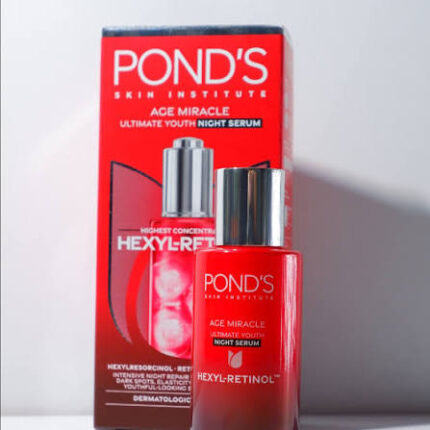 Sale
SaleOriginal price was: ৳ 2,000.00.৳ 1,950.00Current price is: ৳ 1,950.00.
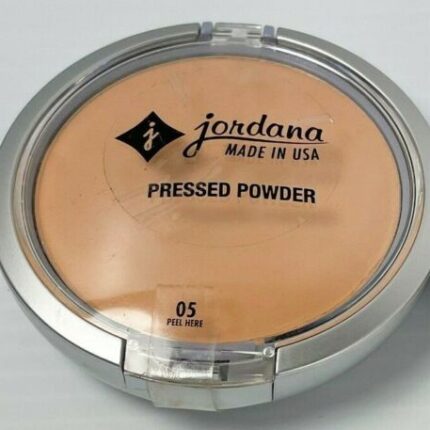 Sale
SaleOriginal price was: ৳ 720.00.৳ 650.00Current price is: ৳ 650.00.
 Sale
SaleOriginal price was: ৳ 550.00.৳ 350.00Current price is: ৳ 350.00.
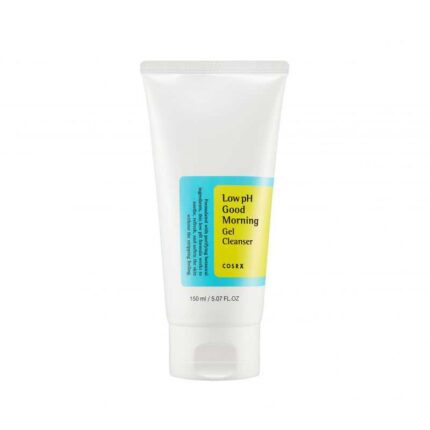 Sale
SaleOriginal price was: ৳ 1,500.00.৳ 1,190.00Current price is: ৳ 1,190.00.
How Sodium Alginate is Made
Producers extract alginate from harvested brown seaweed by washing and milling the biomass. Then they treat the extract with alkaline substances to convert alginic acid into its sodium salt form. This process yields Sodium Alginate, a powder that dissolves in water.
When heated and mixed, the powder hydrates and thickens liquids quickly. As a result, it becomes a reliable texturizer in many products. This means manufacturers can control viscosity without using synthetic thickeners.
Sodium Alginate in Food and Industry
Food makers use Sodium Alginate as a stabilizer, thickener, and emulsifier in sauces and desserts. For instance, it helps form delicate gel spheres in molecular gastronomy when paired with calcium ions. That technique creates pearls and caviar-like textures without synthetic gelling agents.
Because alginate gels are heat-stable to a degree, they keep texture during cooking and storage. Research indicates alginate can trap moisture and reduce syneresis, which prevents liquid separation in foods. Consumers often like its neutral taste and plant origin.
Sodium Alginate in Skincare and Cosmetics
Sodium Alginate appears in cleansers, masks, serums, and creams to add body and a smooth feel. As a gel former, it helps products spread evenly and rinse cleanly. Dermatologists recommend simple, well-formulated gels for sensitive skin because they can soothe without heavy oils.
Studies show alginate dressings aid wound care by maintaining a moist environment, and that research supports its skin-friendly profile. While skincare uses differ from medical dressings, that evidence suggests low irritation risk. For shoppers, this means many products containing Sodium Alginate can suit sensitive skin.
Sodium Alginate: How It Works on Skin
When mixed with water, Sodium Alginate swells into a gel that holds moisture against the skin. This gel forms a light film that can reduce water loss from the surface, helping hydration. As a result, the skin often feels smoother after application.
That film also helps suspend actives and spread them evenly across the skin. When exfoliants or antioxidants are included, alginate can aid in delivery by improving texture and contact time. For this reason, formulators pair it with humectants like glycerin to boost hydration.
Benefits for Cosmetic Formulation
Sodium Alginate offers several formulating benefits: it stabilizes emulsions, thickens water phases, and forms gels on demand. It performs well at a range of pH values, which lets chemists design many product types. This reliability reduces the chance of separation in bottles.
Since it is plant-sourced, brands market it as a natural alternative to some synthetic thickeners. That appeals to buyers who prefer cleaner ingredient lists. Yet quality can vary by supplier, so manufacturers test batches for purity and viscosity before use.
Is Sodium Alginate Safe for Skin?
Generally, Sodium Alginate rates as low-risk for topical use and shows minimal irritation in published reports. Dermatologists often view seaweed-derived thickeners as mild when used at typical concentrations. However, anyone with specific seaweed allergies should exercise caution.
Because individual sensitivities vary, patch testing a new product is wise when you have reactive skin. If redness or itching appears, stop using the item and consult a clinician. That approach reduces risk while you evaluate product compatibility.
Allergies and Sensitivities
Although rare, allergic reactions to seaweed-derived ingredients can occur among sensitive people. For example, a person with known marine allergies may react to certain extracts. Still, most reports point to low rates of contact allergy with Sodium Alginate.
As a precaution, check full ingredient lists if you have prior reactions to sea plants or kelp. Then perform a small patch test behind your ear or on the inner forearm for 48 hours. This simple step often prevents unexpected reactions.
Comparing Sodium Alginate with Other Thickeners
Sodium Alginate differs from carbomers and cellulose derivatives in origin and feel. While carbomers are synthetic and provide high clarity, Sodium Alginate offers a smooth, natural gel texture. Consumers often describe alginate-based gels as softer and less sticky.
For example, hyaluronic acid adds hydration by binding water at the molecular level, whereas alginate creates a physical gel matrix. This means the two can complement each other in a formula. That pairing can improve both feel and hydration performance.
Using Sodium Alginate in DIY Skincare
Many home crafters use Sodium Alginate to make masks, gel serums, and cold-process gels. Its powder dissolves in warm water with gentle stirring to form a stable gel base. Because the gel sets quickly, measure ingredients first and work with small batches.
When making DIY items, keep hygiene and pH control in mind to avoid contamination. For safety, use preservatives when water-based products will be stored for days. That step helps prevent microbial growth in homemade gels.
How to Read Labels for Sodium Alginate
On ingredient lists, Sodium Alginate may appear alongside plant extracts and preservatives to balance a formula. It often follows water on the ingredient panel in gels and masks. If listed, the compound likely serves as a thickener or stabilizer.
Since ingredient order reflects concentration, a late listing usually means a low percent. That means some products use small amounts for texture rather than active effects. Reading the label helps set expectations about performance.
Choosing Products with Sodium Alginate
Look for products that pair Sodium Alginate with known hydrating ingredients like glycerin or hyaluronic acid. That combination gives both immediate feel and lasting moisture. For example, a mask that lists both alginate and humectants often delivers a balanced hydration boost.
Also prefer brands that test for stability and list full ingredient panels. Tests show stable formulations resist separation and keep active ingredients effective. Quality control gives you greater confidence in performance and safety.
Environmental and Sourcing Considerations
Sodium Alginate comes from brown seaweed, so sourcing affects environmental impact and sustainability. Responsible harvesters follow quotas and rotate collection sites to protect marine habitats. Brands can choose suppliers that offer traceability and sustainable certification.
Research indicates well-managed seaweed farming can support coastal communities and biodiversity. That means buying from ethical brands helps reduce ecological strain. Still, confirm claims by checking brand transparency and standards.
Common Product Types That Use Sodium Alginate
You’ll find Sodium Alginate in sheet masks, rinse-off masks, cleansing gels, and some serums. Professionals also use alginate-based modeling masks in spas for a cooling, film-forming effect. That diversity shows the ingredient’s versatility for many textures.
Because alginate forms a gel that sets, it often appears in products meant for short contact time like rinse-off masks. This feature offers a controlled experience with easy cleanup. Users value that convenience in home and spa treatments.
Real-World Examples of Use
Skincare makers use Sodium Alginate to create smooth masks that lift away cleanly when rinsed. In salons, modelage masks made with alginate set into a rubbery film that clients find refreshing. These applications rely on alginate to deliver tactile benefits and consistent results.
Another example is toothpaste and mouth gels that use alginate to keep active flavors and ingredients suspended. That helps products maintain uniform texture and dosing. Customers notice this as a pleasant, stable feel.
Science and Evidence
Studies show alginate dressings help wound healing by holding moisture and absorbing excess exudate. Medical literature supports alginate use in clinical settings for those reasons. That evidence gives confidence about topical safety for cosmetic uses.
Researchers also examine alginate for controlled-release applications in pharmaceuticals. Because it forms gels with calcium and other ions, alginate can control the release of soluble actives. This property means formulators can design longer-lasting topical effects.
Regulatory Status and Claims
Regulatory agencies generally recognize Sodium Alginate as safe for food and cosmetic use when used within typical concentrations. Cosmetic safety assessments evaluate irritation and sensitization risks before widespread use. Brands must still test complete formulations for safety and stability.
That regulatory oversight means shoppers can expect ingredient safety under normal conditions. Still, products that make therapeutic claims require specific approvals. Therefore choose items that match your intended use and claims.
Mixing Sodium Alginate with Actives
Formulators often combine Sodium Alginate with vitamins, peptides, and plant extracts to improve spreadability. Because the gel matrix holds ingredients near the skin, actives can stay in contact longer. As a result, delivery and feel can improve in a finished product.
When mixing at home, add water-soluble actives directly to the alginate solution before it fully sets. That ensures even distribution and avoids clumping. Keep batches small to maintain consistent texture and performance.
Costs and Value for Shoppers
Products with Sodium Alginate tend to fall within affordable to mid-priced ranges, depending on brand and other actives. The ingredient itself is not expensive, but formulation quality and packaging raise the final cost. Consumers can find effective alginate products at many price points.
Value comes from product performance and ingredient synergy rather than from a single compound. Look for reviews and brand testing to judge whether a product lives up to its claims. That helps you decide where to spend your money.
Secondary Ingredients: What Pairs Well?
Humectants like glycerin and hyaluronic acid pair well with Sodium Alginate to boost hydration. Emollients add slip and help the formula spread smoothly. Since alginate forms a light film, combining it with these ingredients balances feel and function.
For sensitive skin, calming botanicals such as allantoin or oat extract often appear alongside alginate. These additions reduce irritation risk and support a soothing effect. That makes the final product suitable for more skin types.
Algae Polymer Ingredient in Product Marketing
Brands sometimes market Sodium Alginate as an algae polymer ingredient to emphasize natural origin. This phrasing appeals to shoppers seeking plant-based components. Research indicates consumers respond positively to transparent sourcing claims.
While marketing matters, check the full ingredient list to understand function and concentration. A natural origin does not guarantee performance or safety without proper formulation. That means reading labels remains essential for informed choices.
Sodium Alginate as a Gel Forming Skincare Compound
When brands describe Sodium Alginate as a gel forming skincare compound, they highlight its main advantage. The compound forms a stable network that gives many products their signature texture. For users, this often translates to an enjoyable application experience.
Because it creates a film, alginate can help active delivery while remaining breathable. That balance supports both feel and function in masks and gels. Consumers often prefer this combination for at-home treatments.
DIY Mask Recipe Using Sodium Alginate
Try a simple mask by dissolving a measured Sodium Alginate powder into warm water, then add glycerin and a soothing extract. Stir gently until a smooth gel forms and apply a thin layer to clean skin for ten minutes. Rinse with cool water and pat dry for a refreshed feel.
Because alginate sets fairly quickly, prepare only what you need and avoid storing long-term without a preservative. That keeps the product safe and effective for single-use or short-term application. Always test on a small patch first.
Frequently Asked Questions
Is Sodium Alginate safe for all skin types?
Most people tolerate Sodium Alginate well, and it is generally non-irritating. However, those with known seaweed sensitivities should patch test first. If irritation occurs, stop use and consult a healthcare provider.
Does Sodium Alginate clog pores?
Sodium Alginate forms a water-based gel that rarely clogs pores and is typically non-comedogenic. It does not leave heavy oils on the skin, which reduces breakouts for many users. Still, individual responses vary with overall product formulation.
Can I use Sodium Alginate in DIY skincare safely?
Yes, you can use Sodium Alginate in small DIY batches when you follow hygiene and pH guidance. Use clean utensils and water, and store prepared products briefly or add proper preservatives. Patch test new formulas before full use.
What should I look for when buying products with Sodium Alginate?
Look for complete ingredient lists and complementary humectants or calming agents. Also check for stability testing or clear usage instructions on the packaging. That helps ensure the product will perform as expected.
Final Thoughts
Sodium Alginate provides a natural, effective way to create smooth gels and stable textures in food and skincare products. For shoppers, the single most important takeaway is that Sodium Alginate often improves feel and hydration without heavy oils. Try products with transparent labels and complementary humectants for the best results.