
PMMA Guide: Uses, Safety, and Cosmetic Facts

Have you ever wondered why some powders blur pores and make skin look smoother instantly? PMMA appears in many beauty and personal care products to create that effect. This guide will help you understand what PMMA does and how it affects product choice.
What is PMMA?
PMMA stands for polymethyl methacrylate, a synthetic polymer used in many industries. As a plastic-like material, PMMA offers clarity and stability in products. Scientists and formulators often add the polymethyl methacrylate ingredient to improve texture and feel.
Because PMMA forms tiny, uniform particles, it can scatter light and change how skin looks. Research indicates that this scattering gives skin a softer appearance. That optical effect helps explain PMMA’s popularity in cosmetics.
Recommended Products
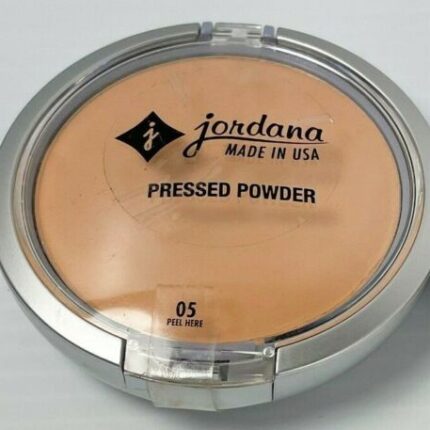 Sale
SaleOriginal price was: ৳ 720.00.৳ 650.00Current price is: ৳ 650.00.
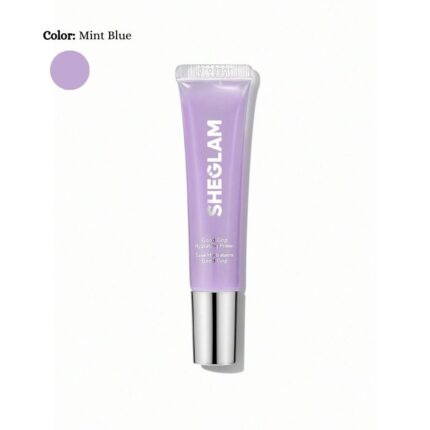 Sale
SaleOriginal price was: ৳ 1,600.00.৳ 960.00Current price is: ৳ 960.00.
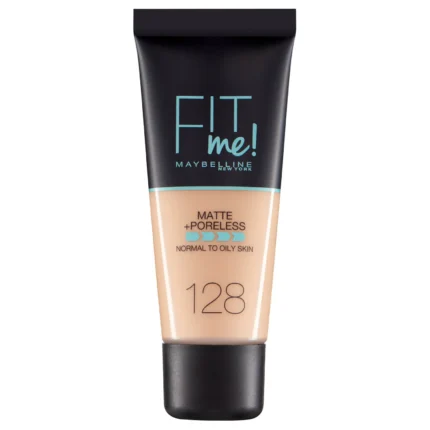 Sale
SaleOriginal price was: ৳ 1,700.00.৳ 1,150.00Current price is: ৳ 1,150.00.
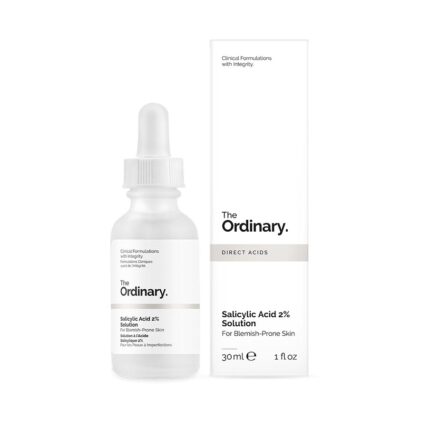 Sale
SaleOriginal price was: ৳ 2,000.00.৳ 1,490.00Current price is: ৳ 1,490.00.
How PMMA Works in Cosmetics
PMMA acts mostly as a film former and filler in formulas, which changes texture and wear. For example, when applied to skin, PMMA particles create a thin, flexible layer. This layer helps smooth fine lines and reduces shine for a more even surface.
Also, many makeup experts call PMMA a soft focus cosmetic compound because it diffuses light. As a result, pores and minor imperfections become less visible under normal lighting. Dermatologists often recommend trying products with light-diffusing agents to assess effect on your skin.
Common Uses of PMMA in Products
PMMA shows up in a wide range of items from foundation to setting sprays. Manufacturers use it when they want a matte look that still feels soft. Studies show that products with PMMA can hold makeup in place longer while providing a powdery finish.
Makeup
PMMA appears in foundations, primers, and powders where texture matters most. When used in a primer, PMMA helps create a smooth base for foundation to grip. That means makeup can last longer and apply more evenly across the face.
Skincare
Some skincare lotions and creams include PMMA for its smoothing properties. Because the polymer is inert and stable, it works well in leave-on products. Users often report improved appearance of rough patches and less visible pores after regular use.
Medical and Industrial Uses
Outside cosmetics, PMMA serves in dental devices and some medical applications as a stable material. Still, the grades used in medical devices differ from cosmetic grades. This difference means you should not assume every PMMA product shares the same purity or testing standards.
How Formulators Choose PMMA Particles
Particle size and shape affect how PMMA behaves in the formula and on skin. Smaller particles scatter light differently than larger ones, changing the finish. Because of this, formulators test several grades before settling on one for a product line.
When brands describe a product as silky or velvety, PMMA particles often help create that sensation. Research indicates that feel and perception link strongly to particle design. That means two products with PMMA can still look and feel very different.
Safety and Regulatory Status
Regulatory agencies evaluate cosmetic ingredients under safety frameworks before they appear on the market. For PMMA, many regulators consider cosmetic-grade forms safe when used in typical amounts. Studies and expert panels have generally found no widespread harm from topical exposure to PMMA particles at cosmetic levels.
However, individual sensitivity can still occur, and allergic reactions remain possible. If you have sensitive skin, patch testing a new product helps reduce risk. Dermatologists recommend stopping use if irritation or redness develops.
Reading Labels: Where to Find PMMA
PMMA may appear under different ingredient names on product labels. Look for terms like polymethyl methacrylate ingredient or simply PMMA. Sometimes companies list trade names or include it within acrylates blends, so read labels carefully when you want it or want to avoid it.
Because labeling rules vary by region, brands must provide clear INCI names for cosmetics in many markets. That means the same ingredient will usually show under the same name on different products. Still, if a label seems unclear, customer service can often clarify which grade and form a brand uses.
Benefits of PMMA for Shoppers
PMMA can make makeup apply more smoothly and last longer on skin. For example, it helps control oil and reduce the appearance of pores and fine lines. That effect appeals to shoppers who want an immediate visible improvement in photos and in person.
Also, products with PMMA may reduce the need for heavy coverage, so you can wear lighter makeup. As a result, many users find a more natural look and lighter feel. That trade-off often matters to people seeking breathable makeup routines.
Potential Downsides and Concerns
Some users worry about tiny plastic particles in their personal care products. Critics raise concerns about environmental impact and microplastics. While cosmetic-grade PMMA functions differently than industrial plastics, environmental questions have led some brands to switch to biodegradable alternatives.
Because PMMA can sit on the skin surface, it may emphasize texture if not blended correctly. If you have very dry skin, a PMMA-containing powder could highlight flakes. So, pairing the product with proper hydration tends to improve results.
Comparing PMMA With Alternative Ingredients
Several natural and synthetic options can mimic PMMA’s effects, and they vary in cost and feel. For example, silica and certain plant-derived powders also offer light-diffusing properties. While silica often provides oil control, PMMA usually gives a smoother feel and better long-term wear.
When choosing between options, test products on your skin under similar conditions to daily use. Consumer tests show visible improvement from many soft focus compounds, but personal preference and skin type usually determine the best match. That means sampling often saves money and frustration.
How to Choose Products That Contain PMMA
Start by testing a small amount of product on your jawline or wrist to check how it wears. Since PMMA affects finish and wear, observe it for a full day under normal activity. If the product feels comfortable and does not irritate, you can try it on the face.
Also check the product label for the PMMA listing and for complementary ingredients. For example, hyaluronic acid can hydrate under a PMMA powder without interfering with its finish. That pairing often results in a natural look without excessive dryness.
Caring for Skin When Using PMMA Products
Proper skin prep ensures PMMA-based products look their best and do not cause issues. Cleanse gently and apply a lightweight moisturizer before makeup. As a result, the polymer lays down on a smooth surface and blends more evenly.
At night, use a gentle cleanser to remove PMMA residue and other makeup. While PMMA washes off with normal routines, a thorough double-cleanse can help if you wear heavy makeup. Keeping skin hydrated and exfoliating moderately prevents flaking that could highlight powder.
Environmental and Ethical Considerations
Discussion about microplastics includes PMMA and similar compounds in cosmetics. Environmental groups urge brands to clarify their sourcing and breakdown profiles. Consumers often prefer brands that disclose biodegradability and environmental testing.
Because some companies now offer bio-based or degradable soft focus compounds, shoppers have options beyond PMMA. When sustainability matters, look for brands that state their materials’ life cycle and testing. That transparency helps you align purchases with values.
Common Myths About PMMA
Myth: PMMA always causes harm because it is a plastic. Reality: Cosmetic-grade PMMA differs from bulk plastic items and generally poses low topical risk. Studies show that most topical PMMA remains on the skin surface and does not penetrate living tissue deeply.
Myth: PMMA is the only ingredient that gives a soft-focus effect. Reality: Silica and some plant powders can also create light diffusion. That said, PMMA often produces a distinct feel that many users prefer for long wear and skin-smoothing properties.
Questions to Ask Brands Before You Buy
Ask whether the PMMA used is cosmetic grade and whether the company tests for skin safety. Brands that conduct stability and irritation tests tend to provide clearer guidance on use. For example, look for statements about non-comedogenic testing if you have acne-prone skin.
Also inquire about environmental testing and biodegradability if sustainability matters to you. Brands that answer clearly help you weigh performance against environmental impact. That information can guide ethical choices without sacrificing product benefits.
Shopping Tips for General Online Buyers
Read user reviews that mention texture and wear specifically, and filter for reviewers with similar skin types. When many users report smoother skin and longer wear, PMMA likely contributes to the performance. Remember that lighting in photos can exaggerate effects, so trust multiple reviews.
Also consider trying sample sizes before committing to full-size products, especially if you have sensitive skin. Trying samples costs less and reduces waste. That approach offers practical insight into how PMMA products perform on your skin.
Frequently Asked Questions
Is PMMA safe for everyday cosmetic use?
Most regulators and safety panels consider cosmetic-grade PMMA safe at typical use levels. Still, individual reactions can occur, and patch testing helps spot sensitivity early.
Will PMMA clog pores or cause acne?
PMMA itself is not known as a primary cause of acne, but heavy formulations can trap oil if not balanced. Choose non-comedogenic products and monitor skin response when trying new items.
Can PMMA harm the environment?
Environmental concerns about microplastics include PMMA, and researchers study their fate in ecosystems. Some brands now offer biodegradable alternatives for environmentally conscious shoppers.
How can I spot PMMA listed on an ingredient label?
Look for PMMA or the full term polymethyl methacrylate ingredient on labels, and check for blends that include acrylates or similar polymers. When in doubt, ask the brand for clarity on the ingredient form.
Final Thoughts
PMMA offers clear cosmetic benefits like smoothing, light diffusion, and longer wear, which many shoppers appreciate. For that reason, consider products with PMMA when you want a softer, photo-ready finish. Try samples, read labels closely, and pair these products with proper skin care for the best results.