
Succinic Acid: Skin Benefits and How to Use

Succinic Acid appears in more skincare labels as a gentle active that fights blemishes and refines texture. Many shoppers ask whether succinic acid fits into daily routines and how it compares with other acids. This guide explains what it does and how to use it safely.
What is Succinic Acid?
Succinic acid is a small organic acid that occurs naturally in plants and animals. Chemists also make it for cosmetics where manufacturers use it as a pH adjuster and active ingredient. Research indicates it can act against acne-causing bacteria while supporting gentle exfoliation.
Because it has a mild acidity, succinic acid blends easily into serums, toners, and masks. Manufacturers often pair it with humectants or soothing agents to reduce irritation. That is why products with this acid suit many skin types.
Recommended Products
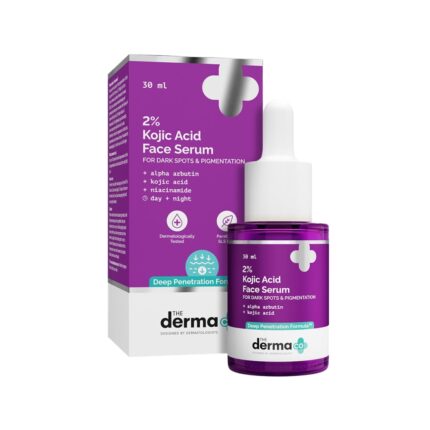 Sale
SaleOriginal price was: ৳ 1,350.00.৳ 990.00Current price is: ৳ 990.00.
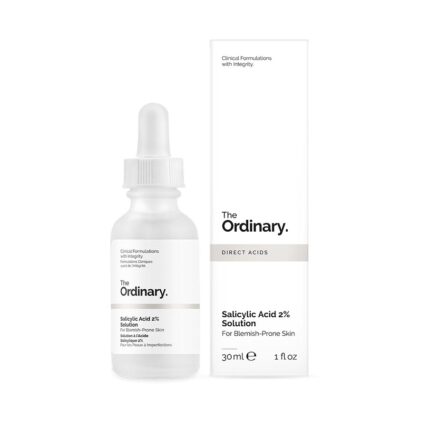 Sale
SaleOriginal price was: ৳ 2,000.00.৳ 1,490.00Current price is: ৳ 1,490.00.
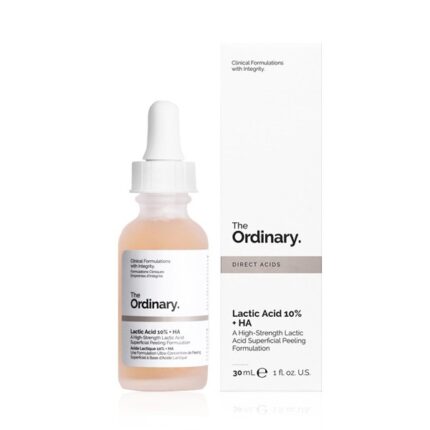 Sale
SaleOriginal price was: ৳ 2,000.00.৳ 1,490.00Current price is: ৳ 1,490.00.
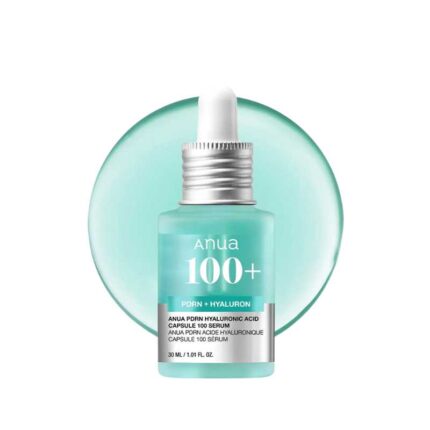 Sale
SaleOriginal price was: ৳ 3,000.00.৳ 2,100.00Current price is: ৳ 2,100.00.
How Succinic Acid Works on Skin
Succinic acid works by lowering skin surface pH and disrupting bacteria that cause breakouts. Studies show acids that target pH can reduce acne-related microbes and inflammation. As a result, the skin often clears faster with consistent use.
When used in the correct concentration, succinic acid provides light exfoliation by loosening dead skin cells. This mechanism helps pores stay clear without aggressive peeling. For many people, that means fewer whiteheads and blackheads.
Still, succinic acid is not a chemical peel in the same class as stronger alpha hydroxy acids. It tends to be gentler and causes less visible flaking. That makes it attractive as an acne calming ingredient in daily formulas.
Key Benefits for Everyday Use
Succinic acid offers several benefits that matter to consumers. It calms congested skin, improves texture, and can reduce the appearance of active pimples. Users often notice faster healing and less redness with regular application.
For example, succinic acid helps balance oil production and supports clearer pores. Researchers and dermatologists recommend milder acids for sensitive or inflamed skin. That recommendation partly explains the growing use of succinic acid in sensitive-skin products.
Because it has antimicrobial properties, succinic acid can lower bacteria counts on the skin. Research indicates this helps control acne without heavy drying. As a result, many find it less irritating than benzoyl peroxide.
Succinic Acid vs Other Acids
Comparing succinic acid with glycolic, salicylic, or lactic acids clarifies where it fits in routines. Salicylic acid is oil-soluble and penetrates pores deeply to dissolve sebum. Glycolic acid offers strong surface exfoliation and can improve tone quickly.
However, succinic acid is gentler and leans more toward antimicrobial and mild exfoliating action. Because of that profile, it suits users who cannot tolerate stronger AHAs or BHAs. It may also pair well with other actives for layered benefits.
Still, the best choice depends on skin goals. Those seeking deep resurfacing may prefer glycolic or retinoids. Yet people looking for calming, antimicrobial exfoliating compound effects will find succinic acid helpful.
Common Formulations and Concentrations
Products include succinic acid in serums, creams, spot treatments, and masks. Typical formulations advertise low single-digit percentages for daily use. That concentration range reduces irritation while maintaining efficacy.
Although labels vary, many over-the-counter items use succinic acid at concentrations that balance potency and tolerance. Manufacturers often combine it with soothing ingredients to improve comfort. That approach helps reduce stinging or dryness for sensitive users.
When testing a new product, try a patch test on the jawline or inner arm. If irritation develops, stop use and allow the skin to recover. For persistent reactions, consult a dermatologist before resuming use.
How to Use Succinic Acid Safely
Start by using products that contain succinic acid once every other day, then increase frequency as tolerated. That slow approach helps the skin build tolerance without flare-ups. Many users then apply it daily for maintenance.
Use it after cleansing and before heavier creams to ensure direct contact with the skin. Because succinic acid can change surface pH, pair it with gentle, non-stripping cleansers. That pairing helps preserve the skin barrier and reduce dryness.
If you plan to combine succinic acid with other actives, pay attention to timing. For example, use it in the morning while saving retinoids for the evening. That simple schedule lowers the chance of over-exfoliation and redness.
Layering with Other Ingredients
When layering, use light serums first, then creams and oils. Salicylic acid and succinic acid can work together if formulations keep overall acidity mild. However, mixing multiple strong acids increases irritation risk and is not advised for beginners.
Because niacinamide calms redness, it pairs well with succinic acid in many routines. That combination often improves tone and barrier recovery. Still, test combinations slowly and monitor how skin responds.
Best Practices for Different Skin Types
People with oily or acne-prone skin often benefit from succinic acid because it targets bacteria and congestion. Regular use can reduce breakouts and control shine. Try formulations labeled for blemish-prone skin first.
For dry or sensitive skin, select low-concentration products with added moisturizers. That setup provides the antimicrobial exfoliating compound benefits without excessive dryness. If irritation appears, lower frequency or stop use until calm.
Those with combination skin can apply succinic acid selectively to oily zones. Spot treatments on the T-zone often yield visible improvements. At the same time, avoid applying it to very dry cheeks unless the formula is hydrating.
Real-World Evidence and Clinical Notes
Studies show that succinic acid can reduce microbes linked to acne and inflammation. Dermatologists note it often decreases lesion count when used consistently. This clinical support boosts its credibility as an acne calming ingredient.
Because clinical trials vary, products may produce different results. That variation depends on concentration, vehicle, and complementary ingredients. Consumers should choose reputable brands with clear ingredient lists.
Still, individual response varies and may depend on underlying skin conditions. For persistent or severe acne, medical treatments might be necessary. A professional can advise on combining topical actives with medical options.
Potential Side Effects and How to Avoid Them
Side effects tend to include mild stinging, irritation, or temporary redness for some users. Those reactions usually resolve when use frequency decreases. If symptoms persist, discontinue the product and seek advice.
Because over-exfoliation causes barrier damage, avoid stacking acids in one routine. That practice can lead to flaking, sensitivity, and inflammation. Instead, alternate days or separate morning and evening actives.
If sun sensitivity increases, use daily sunscreen to protect treated skin. That simple habit prevents hyperpigmentation and accelerates healing. Choose a broad-spectrum sunscreen and reapply regularly when outdoors.
Choosing Products with Succinic Acid
Read labels to check concentration and supporting ingredients. Products with soothing humectants like glycerin or panthenol reduce irritation. For oily skin, lightweight gel serums often work best.
Because formulations differ, consider product textures you like to ensure compliance. A pleasant texture means you are more likely to use the product consistently. Also, check for preservatives and avoid irritating fragrances when possible.
Look for clear claim language and transparent ingredient lists. Brands that disclose concentrations and pH show greater accountability. That transparency helps you predict how potent a product might feel.
Using Succinic Acid in a Skincare Routine
Begin with a gentle cleanser and follow with a succinic acid serum or toner. Finish the routine with a moisturizer to support the skin barrier. Apply sunscreen in the morning for daily protection.
For evening routines, pair succinic acid with hydrating serums but avoid using it the same night as strong retinoids. That approach reduces irritation while still allowing actives to work. Over time, you can adjust frequency based on tolerance.
Consider spot-treating active pimples with succinic acid if you prefer limited coverage. That technique targets blemishes without exposing the entire face to daily acids. For persistent acne, seek tailored advice from a clinician.
DIY and Safety Considerations
Formulating your own succinic acid products is not recommended without chemistry training. Proper pH balancing and preservative use require expertise. Incorrect DIY formulations can irritate skin or allow microbial growth.
Instead, choose reputable products that have undergone safety and stability testing. That choice reduces risk and ensures the product performs as marketed. Always patch test before applying a new product broadly.
Succinic Acid and Sensitive Skin
Sensitive skin types often fear acids but can still benefit from succinic acid. Low percentages in calming formulas provide antimicrobial effects without strong exfoliation. Many users report fewer breakouts without intense peeling.
Because sensitivity varies between individuals, start slowly and monitor progress. Introduce only one new product at a time to identify reactions. If redness or burning occurs, stop use and consult a professional.
When combined with barrier-repair ingredients like ceramides, succinic acid can fit into a gentle regimen. That pairing often improves tolerance while maintaining benefits. Patients with eczema or rosacea should consult their clinician first.
How Long Before You See Results?
Most users notice changes in skin texture and fewer active pimples within two to six weeks. Acne reduction often requires consistent use over several weeks. For scarring or hyperpigmentation, visible improvements may take longer.
Because skin cycles renew roughly every 28 days, expect gradual progress rather than instant fixes. Keep using the product as directed and track improvements over time. If no change appears after three months, reevaluate the routine.
Shopping Tips and What to Avoid
Avoid products that combine multiple strong acids unless formulated by an experienced brand. Overly complex formulas increase irritation risk. Shop for straightforward serums if you are new to actives.
Because price does not always equal quality, read ingredient lists and reviews. Seek products that disclose percent concentration or list complementary calming agents. That information helps you choose formulas that fit your tolerance.
Also, avoid scented formulas if you have reactive skin. Fragrance often causes irritation or allergic reactions. Instead, pick unscented options with proven humectants and emollients.
Succinic Acid for Body Care
Body acne and rough skin on the chest or back can improve with products that contain succinic acid. Formulations for the body typically include hydrating bases to offset drying. That combination helps reduce bumps and texture irregularities.
Because larger areas require more product, choose affordable but reputable brands for body treatments. Use gentle exfoliants and avoid aggressive scrubbing to protect the skin barrier. For widespread acne, consult a dermatologist for prescription options.
Sustainable and Natural Sourcing Notes
Succinic acid appears naturally in certain plants, and manufacturers may derive it through fermentation. Brands sometimes advertise bio-based sourcing to appeal to eco-conscious shoppers. Consumers should check labels for sourcing claims and certifications.
Because sustainability claims vary, look for third-party verification when sourcing matters to you. That step helps confirm whether production meets standards. Still, the ingredient’s safety profile remains the primary concern for skincare use.
FAQ
Is succinic acid safe for daily use?
Many people safely use succinic acid daily at low concentrations. Start slowly and monitor for irritation, then increase frequency if skin tolerates it. If severe redness or burning develops, stop use and seek professional advice.
Can succinic acid treat active acne?
Succinic acid can reduce bacteria and calm inflammation, which helps active acne. For moderate or severe acne, combine topical care with medical treatments under a clinician’s guidance. Results depend on consistency and the overall regimen.
How does succinic acid compare to salicylic acid?
Salicylic acid penetrates pores and dissolves oil, while succinic acid works gently on surface cells and microbes. People with sensitive skin may prefer succinic acid for its lower irritation potential. Both ingredients can complement each other when used thoughtfully.
Will succinic acid cause peeling?
Most succinic acid products cause minimal peeling compared with stronger AHAs or retinoids. Mild flaking can occur if concentrations are higher or if used too frequently. Reducing use frequency usually stops peeling quickly.
Final Thoughts
Succinic Acid offers a balanced way to tackle breakouts and refine texture without harsh peeling. For most users, it provides antimicrobial support and mild exfoliation with good tolerance. Try a low-concentration product, patch test, and build to daily use if the skin responds well.