
Retinal Guide: Uses, Benefits, and Safe Use

Skin concerns such as dullness, uneven tone, and acne often feel discouraging to fix. Retinal appears in many skincare conversations because it can act faster than retinol for some users. This guide explains how retinal works, who should try it, and how to use it safely.
What is Retinal and how it differs from retinol
Retinal is a form of vitamin A that converts to retinoic acid inside the skin. Because it lies closer to the active form than retinol, retinal often produces faster clinical effects. Studies show that retinal delivers measurable cell turnover with fewer conversion steps than retinol.
As a result, many dermatologists recommend retinal for people who want quicker results with moderate irritation risk. That is why brands call it an advanced retinoid compound in marketing and clinical descriptions. Still, retinal differs from prescription tretinoin because the conversion pathway remains inside the skin.
Recommended Products
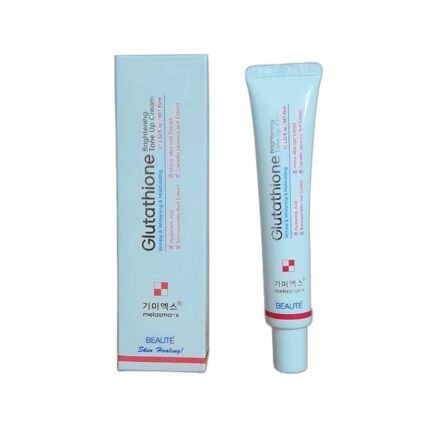 Sale
SaleOriginal price was: ৳ 1,250.00.৳ 950.00Current price is: ৳ 950.00.
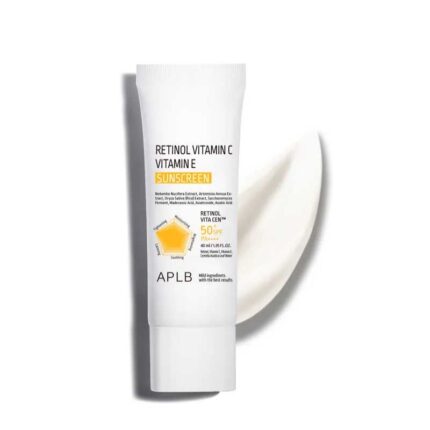 Sale
SaleOriginal price was: ৳ 1,260.00.৳ 882.00Current price is: ৳ 882.00.
How Retinal works on a cellular level
Retinal binds to enzymes that the skin uses to make retinoic acid. This chemical step speeds up skin cell renewal and supports collagen production over time. Research indicates these processes reduce visible lines, even tone, and improve texture.
When keratinocyte turnover increases, the skin sheds dead cells more efficiently. Consequently, clogged pores clear and acne lesions tend to resolve faster. For example, many users report clearer skin within weeks when they use retinal consistently.
Common benefits of using Retinal
Retinal can improve skin texture, reduce fine lines, and fade dark spots with regular use. Dermatologists recommend it for mild to moderate signs of aging and for acne management. Clinical reports show visible improvement often sooner than with retinol.
Smoother texture and fewer fine lines
Because retinal speeds cell renewal, the surface becomes smoother over weeks. Collagen signaling improves, which helps reduce the appearance of fine lines. That change makes skin look firmer and more even.
Improved tone and pigmentation
Retinal helps regulate pigment-producing cells, which can reduce dark spots. Over months of use, areas of hyperpigmentation often lighten. Patients commonly notice a more even complexion with continued application.
Better control of acne and clogged pores
When used regularly, retinal reduces oil and clears pores by preventing buildup of dead cells. Acne lesions shrink as turnover and exfoliation improve. Many people switch from ordinary retinol to retinal for clearer skin results.
Retinal versus other vitamin A derivatives
Retinol needs two conversion steps to become active retinoic acid. By contrast, retinal requires one step, which can make it more potent and faster-acting. This difference explains why some people find retinal more effective than retinol.
Prescription tretinoin, however, is already retinoic acid and works fastest of all. Still, tretinoin often carries a higher irritation risk. For many shoppers, retinal offers a favorable balance of efficacy and tolerability.
Concentrations, potency, and what to expect
Products list retinal concentrations typically between low and moderate percentages. Higher concentrations increase results but also raise irritation risk. That is why many brands start formulas at low strengths to help users build tolerance.
For example, beginners often start with a 0.05% or similar low concentration. Over weeks, users can move to higher percentages as the skin adapts. Because effects appear faster with retinal, some people see changes in texture within four to six weeks.
How to introduce Retinal into your routine
Start slowly to limit redness and flaking. Apply a small amount every third night for two to four weeks while you monitor your skin’s response. If tolerance improves, increase use to every other night, then to nightly as needed.
When you begin, use a gentle cleanser and avoid combining strong exfoliants. For example, avoid heavy acids or abrasive scrubs while your skin adjusts. That approach reduces the chance of irritation and preserves the skin barrier.
Frequency and application tips
Apply retinal to dry skin after cleansing and before heavier moisturizers. Because retinal converts inside the skin, a thin layer suffices for results. Start covering only problem areas if you have sensitive or reactive skin.
Layering with other actives
Avoid mixing retinal with strong chemical exfoliants at the same time of night. Instead, alternate nights for acids and retinal to maintain benefits while reducing irritation. That simple schedule keeps active ingredient effects strong without overloading the skin.
When to stop or pause use
Severe irritation, persistent peeling, or open wounds require pausing the product. If problems continue after stopping, consult a dermatologist. Mild flaking and redness are common while adjusting and usually subside with reduced frequency.
Safety, side effects, and who should avoid Retinal
Common side effects include dryness, redness, and temporary flaking as the skin renews. These effects usually lessen within a few weeks with gradual introduction. However, a small number of people experience stronger reactions and must discontinue use.
Pregnant or breastfeeding people should avoid retinal because vitamin A derivatives can carry risks in those situations. That precaution aligns with general guidance for retinoids during pregnancy. Always consult a healthcare provider before starting retinal if you are pregnant or planning pregnancy.
Managing irritation and sensitivity
When irritation appears, reduce frequency and apply a richer moisturizer after retinal. That tactic soothes the skin barrier and helps recovery. If irritation persists, stop use and seek professional advice.
Interactions with other products
Avoid pairing retinal with benzoyl peroxide directly at the same time since efficacy can reduce. Vitamin C in the same routine can increase stinging for some users. Instead, use vitamin C in the morning and retinal at night to keep both actives effective.
Choosing a product: what labels and ingredients mean
Look for stabilized formulas and air-tight packaging to protect retinal from degradation. Because retinal oxidizes when exposed to light and air, brands use opaque dispensers. That packaging maintains potency longer and improves product performance.
Check the ingredient list for supporting agents that hydrate and repair the barrier. Ingredients such as ceramides, glycerin, and niacinamide can reduce irritation. For sensitive skin, choose a formula that combines retinal with soothing actives rather than pure retinal alone.
Understanding formulation and delivery
Creams often feel more protective than serums for early use. Oils or emulsion formats may help buffer the retinal and lower initial irritation. For daytime protection, remember to use sunscreen because retinal increases sun sensitivity.
Retail claims and realistic expectations
Marketing sometimes labels retinal as a rapid solution for many skin concerns. Still, realistic timelines expect steady improvement over weeks to months. Research indicates consistent use provides the best results rather than occasional application.
How to compare retinal products and concentrations
Compare concentrations and the presence of supportive ingredients when choosing products. A low concentration with good moisturizers may suit a beginner better than a high, bare formula. Look for clear usage instructions and evidence of stability from the brand.
Because one brand’s 0.05% might feel stronger than another’s, pay attention to formulation differences. For instance, a lipid-based vehicle can enhance penetration and perceived strength. That means shoppers should favor trial sizes or patch testing when possible.
Special cases: acne, oily skin, and mature skin
For acne-prone skin, retinal can reduce lesion count and prevent new breakouts over time. Studies show that retinoids, including retinal, improve comedonal acne by normalizing cell turnover. Patients often combine retinal with other acne treatments under professional guidance.
Mature skin benefits from retinal’s effects on collagen signaling and texture improvement. Because retinal stimulates remodeling, many older adults see smoother skin and reduced fine lines. Oily skin types also benefit since excess oil and clogged pores respond well to regulated turnover.
Scientific evidence and dermatologist guidance
Studies show retinal converts efficiently into retinoic acid in the skin and provides clinical improvements. Dermatologists recommend retinal as an option for those seeking more active vitamin A effects than retinol. Research continues to compare retinal to other derivatives and to clarify long-term outcomes.
Because individual response varies, professionals usually advise a personalized approach. That approach means adjusting concentration, frequency, and supporting ingredients together. When results or irritation appear unusual, consult a dermatologist for tailored direction.
Using retinal with sunscreen and daytime care
Retinal increases photosensitivity while skin renews. For that reason, sunscreen becomes essential as part of daytime care. Apply a broad-spectrum SPF daily and reapply per standard guidance when exposed to sunlight for prolonged periods.
Moisturizers and antioxidants during the day help maintain barrier health and complement retinal therapy at night. That routine supports improved skin resilience and reduces dryness. For example, a lightweight antioxidant serum in the morning pairs well with nighttime retinal.
Product safety, storage, and shelf life
Store retinal products in a cool, dark place to slow oxidation. Brands usually indicate a shelf life on the packaging or a period-after-opening symbol. If a product changes color or smells off, discard it to avoid irritation and loss of efficacy.
Packaging that limits air exposure and light is preferable, so look for pumps or opaque tubes. Some formulas include antioxidants to support product stability. That careful design helps retinal remain active until the end of the product’s usable life.
How to test a product before full use
Perform a patch test on a small area for three to five days before full application. If no irritation appears, begin slow introduction on the face. This trial reduces the chance of widespread reaction and helps you choose the right concentration.
Record reactions to track tolerance and progress. When redness or stinging appears, reduce frequency or pause use. If severe reactions occur, seek medical advice without delay.
Shopping tips and cost considerations
Because retinal sits between retinol and prescription retinoids in cost, expect mid-range pricing. Formulas that include additional actives or advanced packaging may cost more. Compare ingredient lists and brand transparency rather than price alone when choosing.
Trial sizes and targeted formulations for sensitive skin allow lower-cost testing before committing to full-size tubes. Many shoppers find that a little product goes a long way. That conservation helps balance performance and budget over time.
Common myths about retinal
One myth claims retinal causes immediate dramatic tightening overnight. Instead, visible remodeling requires weeks to months. Patience and consistent use produce the changes most people seek.
Another myth says stronger concentrations always deliver better results. In reality, higher potency can mean greater irritation for some users. Therefore, gradual escalation offers a safer route to improvement.
Alternatives and complementary ingredients
If retinal seems too strong, consider retinol or retinaldehyde vitamin a ingredient options formulated for sensitivity. Those alternatives offer gentler conversion to active retinoic acid. Still, retinal remains an appealing choice when faster action matters.
Complementary ingredients such as niacinamide, peptides, and ceramides support barrier repair while retinal works. Those combinations help reduce irritation and support visible improvement. For example, adding a ceramide-rich moisturizer at night soothes and hydrates actively renewing skin.
What dermatologists say about retinal
Dermatologists often recommend retinal for patients seeking stronger results than retinol without immediately moving to prescription tretinoin. Clinical experience shows a balance between effectiveness and tolerability with retinal. For complex skin concerns, professionals tailor regimens to include retinal alongside other therapies.
When used carefully, retinal can replace retinol in many routines and speed progress. That switch frequently helps people reach goals faster while keeping side effects manageable. Still, professional oversight remains valuable for acne, rosacea, or severe sensitivity.
How long before you see results
Many users notice improved texture and smoother skin within four to eight weeks of consistent use. Pigment changes and collagen remodeling usually require three to six months for clear improvement. Patience matters because sustained use produces the most meaningful changes.
Short-term shedding or mild breakout is common with initial use and does not always indicate failure. That phase often resolves as barrier function improves and cell turnover stabilizes. If concerns continue past two months, consult a clinician for guidance.
Retinal for different skin types
Oily and acne-prone skin usually tolerates retinal well and benefits from its clearing action. Dry or sensitive skin may need lower concentrations and buffering with moisturizers. Combination skin can often use retinal targeted to oily or aging zones while protecting dry areas.
For mature skin, retinal supports collagen and elasticity while improving tone. That benefit makes it a valuable addition to anti-aging routines. When layering multiple actives, spacing them in a routine reduces irritation and improves outcomes.
Environmental and ethical considerations
Choose brands that disclose sourcing and production methods if those values matter to you. Some makers form retinal in lab-stable ways without animal testing. Look for transparency and third-party testing when you want ethical assurance.
Packaging waste is another factor to weigh when shopping. Select recyclable containers when possible or look for brands that use refill options. These choices reduce environmental impact while supporting skincare goals.
Glossary: quick definitions
Retinoid: A class of vitamin A derivatives that affect cell growth and turnover. Retinol: A common over-the-counter vitamin A derivative that converts to active acid in the skin. Retinal: A direct precursor to retinoic acid, often faster acting than retinol.
Tretinoin: A prescription retinoic acid that works directly without conversion. Barrier: The outer layer of skin that protects against moisture loss and irritation. Patch test: A small trial application to check for allergic reactions or sensitivity.
Frequently Asked Questions
How soon will I see results from retinal?
Many people notice smoother texture within four to eight weeks. Pigment and fine line improvements usually take three months or longer. Consistent nightly use gives the best chance for visible changes.
Can retinal be used with chemical exfoliants?
Do not use strong acids and retinal at the exact same time of night. Instead, alternate nights to reduce irritation while keeping benefits. That approach maintains efficacy without excessive sensitivity.
Is retinal safe during pregnancy?
Pregnant or breastfeeding people should avoid retinal and other vitamin A derivatives. Health professionals advise against topical retinoids during pregnancy due to possible risks. Consult your healthcare provider for pregnancy-safe alternatives.
Will retinal cause long-term thinning of the skin?
Retinal does not cause long-term thinning when used properly. Early increased exfoliation can create temporary thin or fragile-feeling skin. Over time, improved collagen production actually supports skin structure rather than weakening it.
Final Thoughts
Retinal offers a compelling option between retinol and prescription tretinoin for clearer, smoother skin. For many users, retinal delivers visible improvements faster than retinol while remaining tolerable with a careful routine. Try a low concentration, build tolerance, and use sunscreen daily to get the most benefit from retinal.