
Hydrolyzed Keratin: Repair & Strengthen Hair

Hydrolyzed Keratin is a widely used ingredient that promises to repair and strengthen damaged hair and skin. Many shoppers wonder how it works and whether it will help their dry or brittle strands. This guide explains the science, benefits, and practical tips for choosing products that contain Hydrolyzed Keratin.
What is Hydrolyzed Keratin?
Hydrolyzed Keratin is keratin that has been broken into smaller pieces. These smaller pieces, called peptides, can bind to hair and skin more easily than full proteins. Studies show that peptide-sized keratin often improves surface strength and feel when applied topically.
Because the protein is shortened, it can sit on or slightly penetrate the outer layers of hair and skin. That is why formulators add Hydrolyzed Keratin to shampoos, conditioners, and serums. Consumers see improved texture and less breakage after steady use.
Recommended Products
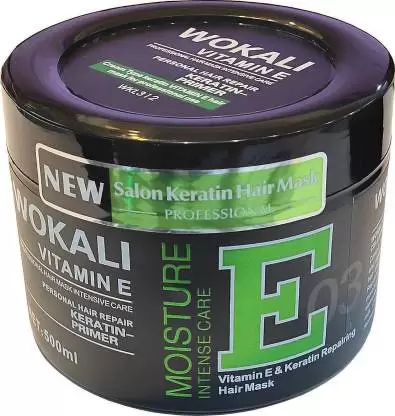 Sale
SaleOriginal price was: ৳ 2,400.00.৳ 1,600.00Current price is: ৳ 1,600.00.
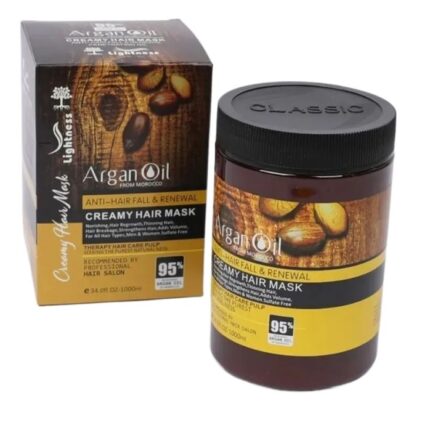 Sale
SaleOriginal price was: ৳ 1,200.00.৳ 950.00Current price is: ৳ 950.00.
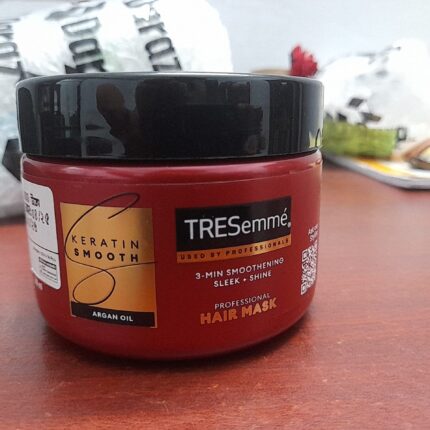 Sale
SaleOriginal price was: ৳ 1,200.00.৳ 950.00Current price is: ৳ 950.00.
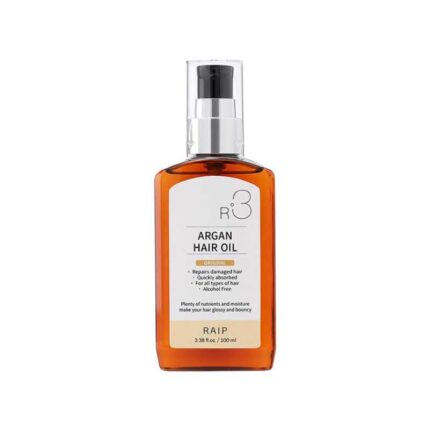 Sale
SaleOriginal price was: ৳ 1,200.00.৳ 840.00Current price is: ৳ 840.00.
How Hydrolyzed Keratin Works on Hair and Skin
When Hydrolyzed Keratin meets damaged hair, it helps fill gaps in the cuticle and cortex. This mend reduces friction and makes strands smoother. Research indicates that visible smoothing and reduced frizz often follow regular applications.
While skin is different from hair, Hydrolyzed Keratin can add a protective film and support surface hydration. Dermatologists recommend products that support the skin barrier when dryness appears. Overall, Hydrolyzed Keratin assists both hair and skin by supplying small protein fragments that bond to damaged areas.
Protein repair ingredient: how it fills gaps
For example, Hydrolyzed Keratin acts as a protein repair ingredient by attaching to weak spots. It binds where natural keratin was lost from styling or chemical treatments. As a result, hair feels thicker and smoother to touch.
Because the fragments are small, they form a network rather than a heavy coat. This means hair does not weigh down as much as with some oils or heavy proteins. That is why many hair masks list Hydrolyzed Keratin high on their ingredient label.
Strengthening skincare compound: benefits for skin
Although most evidence targets hair, Hydrolyzed Keratin also acts as a strengthening skincare compound on the surface. It can create a light film that reduces transepidermal water loss. This film improves skin feel and can make fine lines appear softer.
Since skin needs support when moisture drops, Hydrolyzed Keratin fits into formulas aimed at barrier repair. Dermatologists often pair it with humectants and ceramides for broader benefit. That combination supports lasting feel and resilience.
Molecular size and penetration
Hydrolyzed Keratin differs from full keratin because of molecular size. Smaller peptides can approach the hair shaft and the outer skin layer more easily. Still, these fragments generally do not penetrate deeply like some medical actives.
Because of this limited penetration, Hydrolyzed Keratin mainly improves surface strength and texture. Products that claim deep restructuring should be viewed with skepticism. Choose items that promise visible smoothing and reduced breakage instead.
Key Benefits of Hydrolyzed Keratin
Hydrolyzed Keratin offers several clear benefits for hair. It reduces breakage, smooths the cuticle, and improves combability. Users often report less frizz and better manageability after consistent use.
For skin, Hydrolyzed Keratin can add a protective layer and enhance softness. It helps with surface hydration and may make skin look healthier. Studies show that people using keratin peptides notice improved texture over weeks.
Because it works well with other ingredients, Hydrolyzed Keratin appears in many leave-in and rinse-off products. This compatibility makes it easy to include in a routine for steady improvement. That is why many formulations mix it with oils, humectants, and mild surfactants.
How to Choose Products with Hydrolyzed Keratin
When shopping, read labels for Hydrolyzed Keratin near the top of the ingredient list. Ingredients at the front typically have higher concentrations. If the phrase appears near the end, the ingredient may be present at trace levels only.
Because formulation matters, look for balanced products that combine Hydrolyzed Keratin with moisturizers. This pairing delivers repair and hydration together. Also check for sulfate-free shampoos if your hair is chemically treated.
For color-treated hair, pick formulas that explicitly mention color-safe or gentle surfactants. Many color lines include Hydrolyzed Keratin to help protect treated strands. That choice reduces fade and maintains shine.
How to Use Hydrolyzed Keratin Effectively
Start with one product that contains Hydrolyzed Keratin, such as a conditioner or a mask. Apply according to the product directions and test how your hair or skin responds. If you see improvement, you can add a second complementary product over time.
When using a mask, allow a five to twenty minute wait time unless the product specifies otherwise. This wait lets the Hydrolyzed Keratin bind to the hair surface. Rinse thoroughly and follow with leave-in if the routine calls for it.
Since overuse can lead to buildup, limit intensive treatments to once or twice per week. For daily maintenance, choose a gentle leave-in product with lower keratin levels. Regular but moderate use gives steady results without residue.
Choosing Concentrations and Formats
Hydrolyzed Keratin appears in many formats: shampoos, conditioners, masks, serums, and sprays. Concentration varies widely by product type. Masks and concentrated serums tend to contain higher amounts than shampoos.
Because each hair type needs different levels, match the format to your goals. For heavy repair, pick a mask or deep conditioner. For daily smoothing, choose a light leave-in or spray with keratin and humectants.
When in doubt, perform a patch test on a small section of hair or skin. That step helps you check for sensitivity before applying widely. Patch testing prevents surprises and helps you gauge how much benefit to expect.
Comparing Hydrolyzed Keratin with Other Proteins
Keratin is one of several protein types used in hair care. Others include hydrolyzed wheat protein, soy protein, and collagen fragments. Each protein offers unique benefits based on its amino acid makeup and size.
Hydrolyzed Keratin closely mimics the natural protein in hair, so it often feels more targeted. Studies indicate that matching the protein type to hair structure yields better results. For example, keratin fragments may bond better to hair than plant proteins in many cases.
While plant proteins add moisture and temporary volume, Hydrolyzed Keratin tends to improve resilience and reduce breakage. That difference makes it a preferred choice for chemically treated or heat-damaged hair. Still, combining proteins can address multiple needs at once.
Safety and Side Effects
Hydrolyzed Keratin is generally safe for most people when used as directed. Reports of irritation are rare, but sensitive users should watch for redness or itch. If you notice irritation, stop use and consult a dermatologist.
Since Hydrolyzed Keratin sits on the surface, buildup can occur with heavy use. That is why occasional clarifying treatments help maintain balance. If your hair feels stiff or heavy, reduce frequency and use a clarifying shampoo.
Pregnant or breastfeeding individuals should check with a healthcare provider before starting new topical regimens. Most topical proteins are low risk, but a professional can confirm suitability for your situation. That step gives peace of mind before adding new actives.
Common Myths About Hydrolyzed Keratin
Myth: Hydrolyzed Keratin permanently restores hair structure. Fact: topical proteins improve surface strength but do not fully rebuild internal structure. Regular application can mask damage and reduce breakage, but the effect is not permanent.
Myth: It will always weigh hair down. Fact: when formulas balance keratin with lightweight oils and humectants, hair stays bouncy. Choose lighter leave-ins if you worry about heaviness. That way you get strength without sacrifice.
Best Ingredients to Pair with Hydrolyzed Keratin
For stronger results, pair Hydrolyzed Keratin with humectants like glycerin or hyaluronic acid. These ingredients draw moisture into hair and skin. As a result, the keratin fragments bond into a hydrated environment that looks healthier.
Because lipids support the barrier, ceramides or light oils complement keratin for skin formulas. These pairings help lock in the smoothing effect and reduce water loss. That combination benefits both dry hair and flaky skin.
When fighting frizz, silicone alternatives or light silicones can provide immediate slip. Use them sparingly to avoid buildup. This approach keeps strands detangled while Hydrolyzed Keratin works on repair.
How Hydrolyzed Keratin Fits into a Hair Routine
Start with a sulfate-free shampoo to protect treated hair. Next apply a conditioner containing Hydrolyzed Keratin when your hair needs repair. Leave-in products with keratin can follow, especially on ends that show damage.
For deep repair, use a keratin-rich mask once weekly. That mask should remain on hair for the recommended time. After rinsing, finish with gentle heat styling set to a moderate temperature to avoid further damage.
Real Results: What to Expect and When
Immediate changes often include smoother strands and easier combing. Many people notice these effects after one use. For deeper strength and reduced breakage, consistent use over several weeks shows clearer improvement.
Since hair growth cycles vary, expect long-term changes to appear slowly. When you keep to a routine, you protect new growth and reduce future breakage. That steady approach produces the most reliable outcome.
Environmental and Ethical Considerations
Hydrolyzed Keratin can come from animal or plant sources, though hair-derived keratin is common. If ethics matter to you, check product labels for source information. Many brands now offer plant-derived or synthetic peptide alternatives.
Because sourcing affects sustainability, look for transparent brands that disclose origins. That practice helps you align purchases with personal values. Also check for cruelty-free certification if that matters to you.
Shopping Tips and Labels to Watch
Read labels for “Hydrolyzed Keratin” spelled exactly that way. Some formulas list related peptides or keratin hydrolysates under different names. When in doubt, choose products with clear ingredient listings and simple formulations.
Watch marketing claims that promise dramatic internal reconstruction overnight. Instead, favor products that describe surface repair, strengthening, and measurable smoothing. Honest product language better reflects realistic results.
DIY and Salon Treatments
DIY products with Hydrolyzed Keratin are available, but professional salon treatments differ. Salon keratin treatments often use heat and sealing steps to bond proteins to hair. These services can offer immediate smoothness but may involve stronger chemicals.
If you prefer at-home care, combine over-the-counter Hydrolyzed Keratin masks with proper heat protection when styling. That routine reduces damage while delivering daily improvement. Always follow instructions to avoid overprocessing.
Hydrolyzed Keratin for Different Hair Types
Fine hair benefits from lighter keratin formulations to avoid weighing down roots. People with thick or coarse hair may need denser masks for noticeable smoothing. Curly hair often sees improved definition when keratin is balanced with moisture.
Color-treated hair usually benefits from Hydrolyzed Keratin because it adds protection and reduces breakage. That protection helps color last longer by reducing frizz and split ends. Pairing keratin with UV protection further helps color retention.
Age-Related Benefits
As hair ages, natural keratin production slows and strands can thin. Hydrolyzed Keratin supports older hair by adding surface strength. This support can reduce breakage and help hair appear fuller over time.
For aging skin, topical keratin fragments can improve surface texture and hydration. Although not a substitute for medical treatments, they offer cosmetic benefits that many users appreciate. That is why older consumers often add keratin-based treatments to their routines.
Scientific Framing and Expert Tips
Researchers show that matching peptide size to hair needs yields better adhesion. Dermatologists recommend pairing keratin fragments with hydrating agents for optimal results. These combined findings guide many modern formulas.
Because product performance depends on formulation, consider professional advice for severe damage. A stylist or dermatologist can recommend targeted treatments and maintenance. This guidance helps you avoid trial-and-error and saves time.
Cost vs. Benefit: Is Hydrolyzed Keratin Worth It?
Prices vary widely based on concentration and brand. High-end masks may cost more but can contain higher keratin levels and premium complementary ingredients. Still, many mid-range options deliver excellent smoothing and repair at a fair price.
Because the ingredient delivers visible benefits quickly, many users find the cost justified. Try a mid-range product first to see how your hair or skin responds. That approach balances budget and performance sensibly.
Troubleshooting Common Issues
If your hair feels stiff after using keratin products, reduce frequency or switch formats. Heavy buildup suggests you need periodic clarifying treatments. Clarify once every one to two weeks to reset your routine.
When skin becomes irritated, stop using the product and evaluate other ingredients. Fragrances and preservatives sometimes trigger reactions more than Hydrolyzed Keratin itself. Patch tests help identify the actual cause quickly.
How Hydrolyzed Keratin Interacts with Styling Tools
Hydrolyzed Keratin improves heat resilience by reducing weak points in the strand. That benefit means hair withstands styling tools better than untreated hair. Still, always apply heat protectant to avoid cumulative damage.
Because keratin smooths the cuticle, straightening and blow-drying often become easier and faster. This efficiency saves time and reduces the need for repeated high-heat passes. For many users, that time saved prevents further breakage.
Product Examples and Routine Ideas
Try a simple routine: a gentle shampoo, a keratin-infused conditioner, and a weekly keratin mask. For daily maintenance, add a light leave-in serum with Hydrolyzed Keratin for the ends. This sequence covers cleansing, repair, and protection.
For intensive care, alternate a protein-rich mask with a hydrating mask week to week. That alternating approach balances strength with moisture. It prevents the hair from becoming rigid while it heals.
Frequently Asked Questions
Is Hydrolyzed Keratin safe for colored hair?
Yes, Hydrolyzed Keratin is generally safe for colored hair when used as directed. It adds surface protection that can help keep color from fading. For best results, choose products labeled color-safe.
How often should I use a keratin mask?
Most people benefit from a keratin mask once a week or every two weeks. If your hair is severely damaged, you can start with weekly treatment. Then reduce frequency as strands strengthen.
Will Hydrolyzed Keratin make my hair stiff?
It can if you overapply or use very heavy formulas. To avoid stiffness, select lighter leave-ins and limit masks to recommended times. Adjust frequency if you notice buildup.
Can Hydrolyzed Keratin help thinning hair?
Hydrolyzed Keratin can improve the appearance of thinning hair by adding surface thickness. It does not treat root-level hair loss. For that issue, consult a healthcare professional for targeted options.
Final Thoughts
Hydrolyzed Keratin offers a practical way to repair surface damage and strengthen strands without extreme measures. Use products that balance keratin with moisturizers and follow a consistent routine. Try a mid-range mask first and adjust as needed for best results.