
Silk Amino Acids: Gentle Hydration for Skin

Dry, rough, or uneven skin texture can feel discouraging and confusing to treat. Silk Amino Acids provide a lightweight way to add moisture and smoothing benefits without heavy oils. Many shoppers find this ingredient helps skin feel softer after regular use.
What are Silk Amino Acids?
Silk Amino Acids are short-chain proteins derived from silk fibers that act like natural moisturizers. Because they are amino acids, they can attract and hold water on the skin surface. Studies show that amino acids help the skin retain moisture by drawing water from the environment and the deeper skin layers.
That is why silk amino acids appear in many serums, mists, and lightweight creams. Dermatologists recommend humectant-rich ingredients like amino acids for improving hydration without greasiness. When you read product labels, silk amino acids may also be listed as sericin or hydrolyzed silk protein.
Recommended Products
 Sale
SaleOriginal price was: ৳ 550.00.৳ 350.00Current price is: ৳ 350.00.
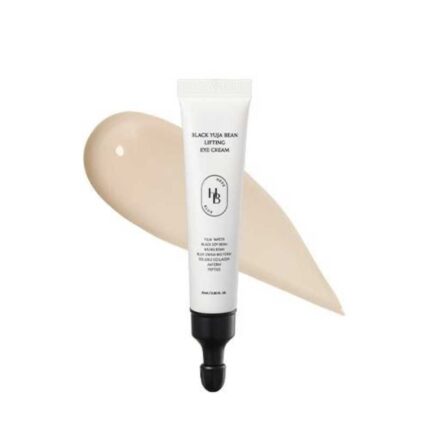 Sale
SaleOriginal price was: ৳ 980.00.৳ 680.00Current price is: ৳ 680.00.
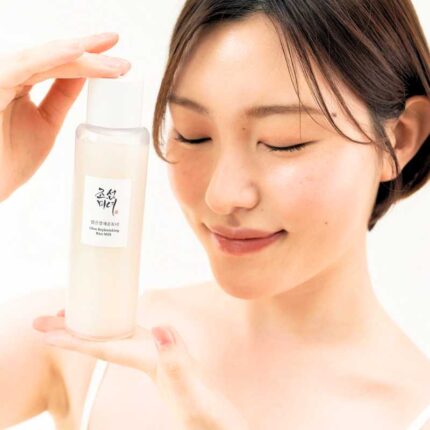 Sale
SaleOriginal price was: ৳ 2,800.00.৳ 1,960.00Current price is: ৳ 1,960.00.
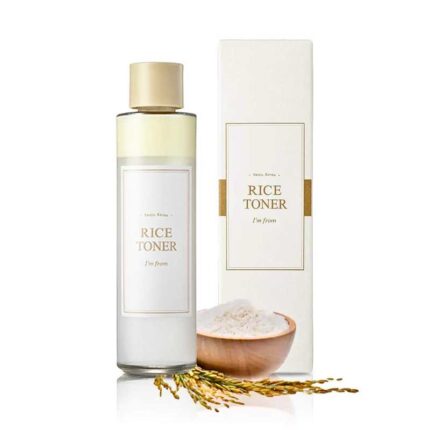
How Silk Amino Acids Work on Skin
Silk Amino Acids form a thin, breathable film that helps trap moisture on the skin. For example, they bind water molecules and slow evaporation, which supports a healthy moisture barrier. Research indicates that amino acids can help smooth the skin surface and reduce the appearance of dry flaking.
Because silk amino acids have a small molecular size, they sit close to the skin and help other ingredients penetrate more evenly. This means active ingredients like antioxidants or peptides perform more predictably. Still, silk amino acids are not a replacement for sunscreen or prescription treatments when those are needed.
Key Benefits for Different Skin Types
Dry skin responds well to silk amino acids because these molecules add hydration without heavy occlusion. That is why people with dry skin often feel immediate softness after applying products with silk amino acids. Studies show humectants improve skin feel within days when used consistently.
Oily and combination skin can also benefit because silk amino acids do not leave a greasy film. Instead, they provide smoothing hydration compound effects that calm texture without clogging pores. For sensitive skin, products with silk amino acids often act gently, though patch testing is still wise.
Silk Amino Acids and Product Types
Serums and essences commonly contain silk amino acids because these forms deliver hydration quickly. When placed in lightweight carriers, silk amino acids help boost moisture without weighing skin down. Research indicates concentrations vary widely across product types, so you will see different textures and claims.
Creams and lotions may combine silk amino acids with occlusive ingredients like ceramides to lock in moisture overnight. That means your skin receives both immediate water attraction and longer-lasting barrier support. For a mist, silk amino acids give a soft, dewy finish that refreshes without stickiness.
How to Add Silk Amino Acids to Your Routine
Start by choosing a product with silk amino acids that matches your skin type and climate. For example, a lightweight serum works well in humid weather while a richer cream helps in dry climates. When you introduce any new ingredient, use it for several weeks to judge benefits and tolerance.
Apply silk amino acid serums after cleansing and before heavier creams or sunscreen. That placement helps the small molecules sit near the surface and enhance performance. Because they pair well with other hydrating ingredients, you can layer hyaluronic acid, glycerin, or niacinamide with silk amino acids.
Combining With Active Ingredients
Silk Amino Acids play nicely with most actives, which makes them simple to add to a routine. For example, pairing with antioxidants supports skin health while boosting moisture. Dermatologists recommend cautious layering when strong acids or retinoids are involved, so introduce combinations slowly.
When you combine silk amino acids with exfoliating acids, apply the moisturizer step after the acid has absorbed. This order helps reduce irritation and keeps the skin barrier stable. Yet consumers should avoid mixing too many new products at once to identify any reactions.
Choosing Products: What to Look For
Read ingredient lists and look for terms like hydrolyzed silk protein or sericin to find silk-derived materials. That is why knowing synonyms helps when shopping. Look for products that list silk amino acids fairly high in the ingredient order for meaningful levels.
Because many formulations add gentle fragrance, choose fragrance-free options if your skin is reactive. For example, products labeled for sensitive skin often omit dyes and strong scents. If a formula contains both silk amino acids and known irritants, test a small area first.
Concentration and Claims
Manufacturers rarely list exact percentages of silk amino acids on labels, so concentration varies by brand. Research indicates benefits depend on both concentration and formulation. That means a well-formulated low percentage can outperform a poorly made higher-percentage product.
When you evaluate claims, prioritize reputable brands and transparent ingredient lists. Dermatologists recommend looking for clinical or consumer data supplied by the brand when available. Still, many effective products rely on time-tested formulation rather than flashy numbers.
Natural Origin and Sustainability
Silk Amino Acids come from silk fibers, which are a natural source of amino acids when hydrolyzed. Because they derive from a natural protein, many brands market them as gentle and plant-friendly alternatives. However, sustainability practices vary by supplier and processing method.
That means if sustainability matters to you, seek brands that disclose sourcing and processing details. For example, some companies use byproducts or low-impact extraction methods. Consumers who prefer vegan options should check labels closely because silk is an animal-derived material.
Safety and Allergies
Silk Amino Acids are generally well tolerated, with few reported side effects in typical skincare use. Still, people with silk or insect allergies should approach cautiously. Dermatologists recommend patch testing a new product to watch for redness or itching.
Because reactions can be delayed, monitor skin for several days after the first use. If irritation occurs, stop use and consult a clinician when symptoms persist. That practical approach helps you find a safe, effective routine over time.
Evidence and Expert Opinion
Studies show amino acids and silk-derived proteins help to hydrate and smooth the skin surface. Research indicates they function as humectants and film-formers, which explains their common use. Dermatologists often include humectant ingredients in hydration strategies because they balance moisture without heavy oils.
Clinical trials for specific brands may show improvements in skin softness and texture after weeks of consistent use. For example, consumer studies often measure changes in dryness and tactile smoothness. That means product selection and consistent application matter more than a single use.
Comparing to Other Hydrators
Hyaluronic acid draws water into the skin, while silk amino acids hold water at the surface and smooth texture. Because they work differently, pairing them often boosts overall hydration. That combination gives immediate feel changes and longer-term barrier support.
Glycerin is another common humectant that performs well in many skin types. People often prefer silk amino acids when they want a silk-like finish and light feel. Still, effective hydration typically comes from a mix of humectants, emollients, and occlusives tailored to your needs.
Practical Tips for Shoppers
Read reviews for real-world feedback on texture and tolerance when selecting silk amino acid products. For example, look for comments from people with your skin type and climate. That approach saves time and reduces trial and error.
Start with travel or sample sizes when trying a new product. That way, you limit waste and cost if a product does not suit you. Also, check return policies and ingredient labeling for transparency and peace of mind.
Common Myths and Misconceptions
Some shoppers expect instant transformation after one use, which rarely happens with topical skincare. Research indicates consistent use over several weeks produces the most reliable results. That is why patience is a frequent recommendation from skincare professionals.
Another myth is that silk amino acids replace moisturizers or sunscreen. They support hydration but do not substitute SPF or targeted treatments. For daily defense, apply sunscreen after hydrating steps to protect improvements from UV damage.
How Long Until You See Results?
Many users notice softer skin within a few days of regular silk amino acid use. For visible texture improvements, expect several weeks of consistent application. Dermatologists advise at least four weeks to evaluate most topical routines.
Because skin renewal cycles vary, factors like age, environment, and lifestyle influence timing. That is why keeping realistic expectations helps you judge effectiveness fairly. If concerns persist, a clinician can suggest complementary treatments.
Product Examples and Formats
Silk Amino Acids appear in many formats, including serums, mists, creams, and masks. For example, a hydrating mist with silk amino acids refreshes makeup and adds a subtle glow. That versatility makes them easy to incorporate into varied routines.
Overnight masks containing silk amino acids aim to combine humectant action with occlusive locking. If your skin feels tight after cleansing, a silk amino acid serum followed by a richer cream can restore comfort. Try different formats to find what your skin prefers.
Cost and Value Considerations
Silk Amino Acid products range from affordable hydrating mists to premium serums. Brands price them based on formulation complexity, packaging, and marketing. Consumers often find mid-range products deliver strong value when formulation is prioritized over packaging.
Because consistent use drives benefits, consider cost per use rather than headline price. For example, a small daily dose of a well-formulated product may last several months. That perspective helps you judge long-term value and decide what fits your budget.
Sustainability and Ethical Sourcing
Not all silk-derived ingredients follow the same ethical or environmental practices. Some suppliers disclose sourcing practices and remove harmful chemicals during processing. Consumers can favor brands that publish third-party certifications or supplier audits.
For those seeking plant-based alternatives, look for formulations that use amino acids from fermented plant proteins. That approach replicates hydrating properties while avoiding animal-derived silk. Still, compare ingredient performance and personal priorities when choosing options.
Travel and Seasonal Use
Silk Amino Acid products work well year-round, but your routine may shift with seasons. In winter, pair silk amino acids with richer creams to counter low humidity and cold air. For summer, a silk amino acid mist or light serum can keep skin hydrated without adding sweat-prone layers.
When traveling, pack small bottles of your hydrating serum to maintain routine and reduce jet lag effects on skin. That habit helps skin recover faster from environmental stress. Also, humid flights increase water loss, so using a humectant like silk amino acids can help.
DIY and Home Use
Creating homemade products with pure silk amino acids is possible but requires care and knowledge. Because formulation stability matters, beginners may prefer finished products from reputable brands. That reduces the risk of contamination and ensures consistent pH and preservation.
If you choose a DIY approach, follow safe hygiene and storage practices and keep concentrations low. That helps avoid irritation and microbial growth. Yet most people get better results by using laboratory-formulated products that include silk amino acids.
Regulatory and Labeling Notes
Silk Amino Acids are regulated as cosmetic ingredients, so labeling rules vary by region. Manufacturers must list ingredients and follow local safety requirements. That means reading the ingredient list helps you verify presence and possible interactions.
Because claims like “clinical results” vary in meaning, check supporting information when brands make strong performance statements. Research indicates transparent brands share study details or methods. Consumers should value documentation and sensible claims.
Using Silk Amino Acids with Make-up
Silk Amino Acids can smooth skin surface and create a better base for foundation. Makeup often applies more evenly when skin has balanced hydration and a soft finish. That smoothing hydration compound effect reduces patchy or cakey appearance for many users.
For best results, apply a silk amino acid serum or lightweight primer before foundation. Blend quickly and set with a light powder if needed. Artists often recommend hydrating primers for natural, long-lasting makeup looks.
Real User Experiences
Many shoppers report improved softness and reduced flaking after regular silk amino acid use. For example, people with dry elbows or hands often notice visible smoothing. Reviews often praise the lightweight finish and quick absorption.
Some users see minimal change, which highlights the role of formulation and other lifestyle factors. That means the best product for one person may not suit another. Try different textures and talk to others with similar skin types to find the best match.
Common Questions About Use and Efficacy
Results depend on consistent application and pairing with barrier-supporting ingredients. Because skin repair involves many pathways, a single ingredient rarely solves all concerns. Combining silk amino acids with occlusives and ceramides often produces more resilient skin.
If you treat medical conditions, consult a healthcare provider before changing routines. That ensures topical products do not interfere with prescription regimens. Clinicians can also suggest complementary treatments for stubborn issues.
Frequently Asked Questions
Are Silk Amino Acids good for all skin types?
Yes, silk amino acids suit most skin types because they provide light hydration and a smooth finish. Sensitive skin often tolerates them, but patch testing is wise. If irritation appears, discontinue use and consult a professional.
How often should I use products with silk amino acids?
Daily use is common and safe for most people, typically once or twice per day depending on the product. For example, apply a serum morning and night or use a mist as needed. Consistent use yields the best results over several weeks.
Can silk amino acids cause allergic reactions?
Allergic reactions are uncommon but possible, especially for those with silk or insect allergies. Patch testing a small area helps catch sensitivity before full-face use. If redness or itching occurs, stop using the product.
Do silk amino acids replace sunscreen?
No, silk amino acids do not replace sunscreen or sun protection measures. They support hydration and texture but do not stop UV damage. Always apply a broad-spectrum sunscreen after hydrating steps for daily protection.
Final Thoughts
Silk Amino Acids offer a gentle, lightweight way to boost moisture and smooth skin texture for many people. For daily routines, they pair well with common humectants and support a balanced moisture barrier. Try a well-formulated product with silk amino acids and use it consistently to judge benefits for your skin type.