
Fucoidan Benefits: Sea-Derived Skin and Health Guide

Many people want gentler options for skin and immune support, and Fucoidan appears often in product labels. This sea-derived ingredient attracts attention for its soothing feel and possible benefits. Read on to learn what Fucoidan does and how to choose products that fit your needs.
What is Fucoidan and where it comes from
Fucoidan is a sulfated marine polysaccharide ingredient that occurs naturally in brown seaweed. Studies show that scientists have studied fucoidan for its unique sugar chains and biological activity. For shoppers, this means fucoidan is an extract rather than a synthetic molecule.
Because different seaweeds contain different fucoidan structures, the compound varies by species and harvest method. Research indicates that the seasonal timing and extraction process change the yield and quality of the extract. That is why labeling and source matter when you compare products that list fucoidan.
For example, wakame, kombu, and mozuku are common brown algae that supply fucoidan to supplements and creams. Dermatologists recommend checking the source if you care about traceability and purity. This choice can affect potency and product performance.
Recommended Products
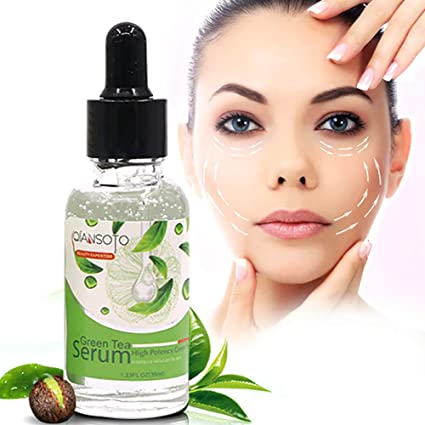
 Sale
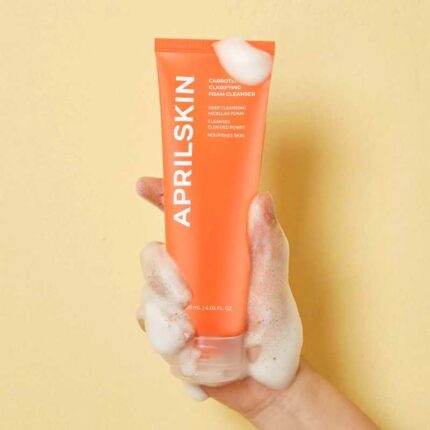
SaleOriginal price was: ৳ 2,040.00.৳ 1,420.00Current price is: ৳ 1,420.00.
 Sale
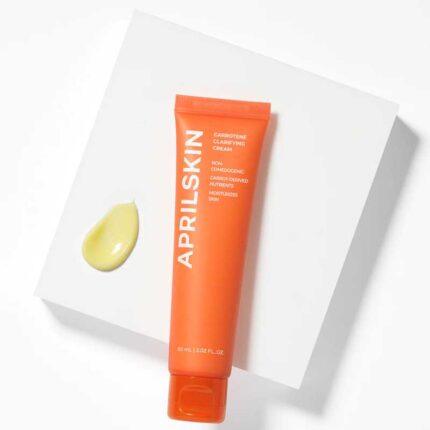
SaleOriginal price was: ৳ 1,960.00.৳ 1,370.00Current price is: ৳ 1,370.00.
 Sale
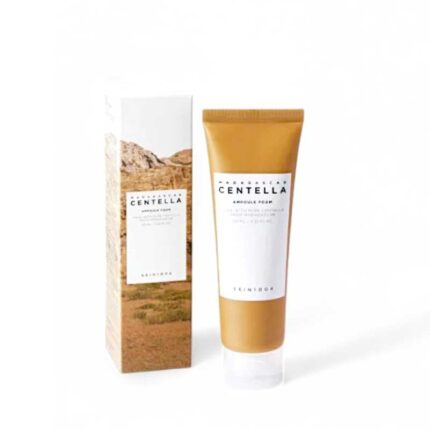
SaleOriginal price was: ৳ 460.00.৳ 320.00Current price is: ৳ 320.00.
How Fucoidan Works in the Body
Fucoidan acts through several biological routes once applied to skin or taken as a supplement. Research indicates fucoidan can modulate immune responses and influence inflammation pathways. This multi-target action explains why it appears in both skincare and health products.
When fucoidan contacts skin, the molecule may help calm redness and promote a smoother appearance. Studies show topical fucoidan can reduce markers of irritation in lab models. As a result, cosmetic formulators pair it with other soothing elements to boost comfort.
Because fucoidan carries charged sulfate groups, it interacts with cells and proteins differently than simple sugars. This unique chemistry helps explain reported antioxidant and anti-inflammatory effects. Still, individual responses vary and depend on product formulation and concentration.
Immune support mechanisms
Fucoidan may support immune balance by interacting with immune cell receptors and signaling molecules. Studies show immune cells respond to fucoidan in controlled lab tests. That suggests possible benefit, though clinical evidence in humans remains growing.
When people take fucoidan supplements, some research reports modest changes in immune markers. Research indicates more trials are needed to confirm consistent benefits across populations. For shoppers, this means tempered optimism and a focus on reputable brands.
For example, some products combine fucoidan with vitamin C to support overall immune health. Because vitamin C has established roles, combination formulas aim to cover multiple pathways. Yet clear dosing guidelines for fucoidan remain under study.
Anti-inflammatory and antioxidant actions
Fucoidan shows anti-inflammatory behavior in lab studies by lowering signals that drive redness and swelling. Research indicates antioxidant activity helps neutralize free radicals that stress skin cells. These mechanisms support the compound’s use in calming formulations.
For instance, topical preparations with fucoidan often claim to reduce visible signs of irritation and sensitivity. Studies show reduced inflammatory markers in model systems after fucoidan application. Still, translating lab findings into real-world results depends on concentration and formulation.
That means product testing and user reviews can complement scientific research when choosing items with fucoidan. While lab data provides a basis, consumer experience completes the picture. This approach helps buyers set realistic expectations.
Skin repair and barrier support
Fucoidan may support the skin barrier by promoting hydration and aiding natural repair processes. Studies show molecules like fucoidan can influence collagen-related pathways in controlled tests. As a result, formulators add fucoidan to products aimed at skin renewal.
Because the skin barrier affects moisture retention, calming ingredients often work best in combination. Research indicates fucoidan pairs well with hyaluronic acid and peptides in some formulations. This synergy can improve surface feel and visible texture over time.
For shoppers seeking gentler anti-aging options, fucoidan offers a softer approach than some active acids. Dermatologists recommend trying a patch test for sensitive skin before full use. That step reduces the risk of unexpected irritation.
Skin Benefits of Fucoidan
Topical fucoidan promises several skin benefits, from soothing sensitivity to supporting texture. Studies show formulations with fucoidan can reduce redness and promote smoother skin in model studies. For consumers, that translates to calmer skin and a more even look when the product fits the skin type.
Because fucoidan acts as a soothing anti aging compound, brands market it in serums and creams. That marketing reflects real interest in fucoidan as a gentle alternative to harsher actives. Still, claims vary by product, so read labels carefully.
For example, people with reactive skin often prefer products labeled with fucoidan and calming botanicals. Research indicates those pairings reduce flares for some users. This makes fucoidan an option for sensitive skin routines.
Reducing redness and sensitivity
Fucoidan helps lower signals that indicate inflammation in laboratory models. Studies show reductions in markers linked to redness when fucoidan is applied topically. Users report less visible irritation when they use fucoidan consistently.
When you choose a product, look for fucoidan combined with calming agents like niacinamide or panthenol. Because these ingredients work through different mechanisms, they can complement fucoidan. That combination helps balance results and skin tolerance.
That is why some formulations pair fucoidan with barrier-strengthening ingredients to lock in benefits. Research indicates this approach supports longer-term comfort and resilience. Consumers should check for gentle bases free from harsh fragrances.
Hydration and texture improvement
Fucoidan can support hydration by interacting with skin surface molecules and helping the barrier retain moisture. Studies show fucoidan formulations boost surface moisture levels in controlled tests. As a result, skin often feels softer and looks smoother after regular use.
For best results, combine fucoidan with humectants like glycerin or hyaluronic acid. Because humectants draw water, they enhance fucoidan’s barrier support. That means products with these pairings often feel more hydrating than single-ingredient items.
Still, product texture and absorption matter for user satisfaction. Research indicates lighter serums with fucoidan suit oily or combination skin better than heavy creams. Try sample sizes first if you are unsure how your skin will react.
Anti-aging and firmness support
Laboratory studies report that fucoidan can influence collagen-related pathways tied to firmness and structure. Research indicates some formulations stimulate signals that favor repair and support. That has led to fucoidan’s use in anti-aging skincare routines.
For example, brands may pair fucoidan with peptides to support collagen health and surface tone. Because peptides and fucoidan act on different pathways, the combination aims to improve texture and resilience. Users often report a softer, firmer look after weeks of consistent use.
However, clinical studies in diverse human subjects remain limited and ongoing. Studies show promising signs but more research is needed for definitive claims. Consumers should view fucoidan as a supportive ingredient rather than a miracle cure.
Fucoidan in Supplements and Topical Products
Fucoidan appears in both oral supplements and topical skincare, and the form influences how it works. Studies show oral fucoidan may affect systemic immune markers while topical fucoidan focuses on local skin effects. Choosing the right form depends on your goals.
When you look at supplements, pay attention to the source and extract method listed on the label. Research indicates extraction methods like enzymatic or water-based processes change the compound profile. That difference can influence how the body responds.
Because the supplement market is less regulated than prescription medicines, choose brands with third-party testing. Dermatologists recommend brands that provide certificates of analysis and clear sourcing. That transparency helps buyers make safer choices.
Common topical formats
Topical fucoidan comes in serums, creams, masks, and essences designed for different routines. Studies show serums often deliver higher concentrations of active molecules for targeted effects. For daily calming and anti-aging support, many experts prefer lightweight serums with fucoidan.
When choosing a topical product, check the full ingredient list rather than only marketing claims. Because fucoidan works best with complementary ingredients, pairing matters. This means you should favor formulations that list hydrating and barrier-supporting components.
That is why some users layer fucoidan serum under a moisturizer to lock in benefits. Research indicates layering can improve absorption and comfort. Try a patch test to confirm compatibility with your skin.
Supplement types and dosing notes
Fucoidan supplements appear as capsules, powders, and liquid extracts, each offering different convenience. Studies show dosing varies across products and trials, so standardized recommendations remain limited. For safety, follow brand directions and consult a clinician when in doubt.
Because supplements can interact with medications, discuss fucoidan with your healthcare provider when you take blood thinners or immune-modulating drugs. Research indicates some marine polysaccharides can affect clotting in specific contexts. That is why professional guidance matters for certain conditions.
For general wellness, lower daily doses often serve as a starting point while users monitor effects. Studies show gradual introduction helps assess tolerance and benefit. Keep a record of any changes so you can discuss them with a professional if needed.
Choosing Products with Fucoidan
Selecting a quality fucoidan product requires attention to source, concentration, and complementary ingredients. Research indicates product labels that list extract type and concentration offer more transparency. That transparency helps you compare options and expect real results.
Because “fucoidan” on a label does not always indicate potency, look for brands that share extraction and standardization details. Studies show standardized extracts provide more predictable effects in trials. This detail can matter for both topical and oral forms.
For topical products, assess texture, base ingredients, and intended purpose. Research indicates formulations that avoid harsh solvents and fragrances suit sensitive skin better. Try sample sizes when possible to confirm compatibility.
Label terms to watch
Watch for terms such as “standardized extract,” “molecular weight,” and the specific seaweed species on the label. Studies show these factors can influence activity and absorption. That is why well-labeled products tend to be more reliable than vague claims.
When a brand lists third-party testing or a certificate of analysis, use that as a positive signal. Research indicates independent testing reduces the risk of contamination and mislabeling. This practice helps protect consumers and supports trust.
Still, small brands can also offer quality if they provide clear sourcing and testing information. For example, look for batch numbers and contactable customer service. These details show the company stands behind its product.
Price versus value
Fucoidan products range widely in price, and higher cost does not always equal higher effectiveness. Research shows some mid-priced items deliver reliable concentrations and transparency. Therefore compare labels, testing, and user feedback rather than price alone.
Because effective concentrations matter, a product with clear dosing and testing may offer better value than a costly item with vague claims. Studies indicate consumer reviews and reported outcomes help reveal real performance. That means customer experiences can guide your choice.
When budget matters, start with a single product to test tolerance and benefit before investing in full-size items. This helps you avoid waste and find the right match for your skin. Save receipts and check return policies before committing.
Scientific Evidence and What Studies Show
Multiple preclinical studies examine fucoidan’s effects in cells and animal models, and results look promising in several areas. Studies show anti-inflammatory, antioxidant, and immune-modulating actions in controlled settings. Clinical trials in humans remain fewer but continue to expand.
Because human trials often use different extracts and doses, direct comparisons can be challenging. Research indicates consistency across trials improves when manufacturers standardize extracts. For consumers, this means favoring products that reference clinical formulations.
For skin outcomes, small clinical studies report reduced redness and improved hydration with topical fucoidan formulations. Studies show these benefits tend to appear after consistent use over weeks. That suggests patience and routine adherence matter for noticeable gains.
Limitations of current research
Many studies use specific extract types that may not match commercial products on the shelf. Research indicates variability in results when extract composition changes. Therefore, clinical outcomes may differ from laboratory expectations.
Because large-scale, long-term human trials are limited, definitive conclusions about systemic effects remain pending. Studies show promising trends but call for more rigorous trials. As a result, consumers should view fucoidan as complementary rather than curative.
That means fucoidan works best as part of a balanced routine that includes sun protection, diet, and standard skincare. Research indicates combined approaches often yield the best outcomes for skin health. This practical view helps set realistic expectations.
What researchers recommend
Researchers often recommend standardized extracts and transparent reporting to improve reproducibility. Studies show clearer methods allow better comparison across trials. That push for rigor benefits both science and consumer guidance.
When new trials emerge, look for studies that describe extract source, molecular weight, and standardization. Research indicates those details predict how closely a product matches the trial formula. This helps you judge whether a study’s benefits might apply to a product you buy.
Because science evolves, stay updated with reputable reviews and clinical summaries. Dermatologists recommend checking trusted sources for the latest guidance. That practice ensures your choices reflect current evidence.
Safety, Side Effects, and Interactions
Fucoidan appears safe for many people when used topically or in moderate oral doses, according to existing research. Studies show few serious adverse effects in the trials reported so far. Still, certain people should exercise caution and consult a clinician beforehand.
Because fucoidan can affect clotting pathways in some contexts, avoid oral supplements if you take blood thinners unless your clinician approves. Research indicates marine polysaccharide ingredient interactions can occur with specific medications. That is why a medical review is prudent for high-risk individuals.
When you have allergies to seaweed or shellfish, use caution with fucoidan products and perform a patch test. Dermatologists recommend patch testing for new topical actives, especially if you have sensitive or reactive skin. This step reduces unexpected adverse events.
Common mild reactions
Some people may notice brief stinging or mild redness when they first try a fucoidan product. Studies show these reactions are usually transient and resolve quickly. If irritation persists, stop use and seek professional advice.
For oral supplements, mild digestive upset can occur as the body adjusts. Research indicates starting with a lower dose may reduce these effects. Gradual introduction helps you gauge tolerance safely.
That is why manufacturers often recommend a patch test and a trial period before regular use. Studies show monitoring early reactions helps prevent more severe issues. Keep a record of any symptoms to report to your healthcare provider.
Pregnancy, breastfeeding, and special populations
Limited data exist on fucoidan use during pregnancy and breastfeeding, so professional guidance is wise. Researchers advise caution and often recommend avoiding non-essential supplements during pregnancy. Consult your clinician to weigh potential risks and benefits.
For children or those with chronic conditions, a clinician’s input is necessary before starting fucoidan supplements. Studies show that special populations require tailored assessments due to varied physiology. That careful approach helps ensure safety.
When in doubt, prefer topical, well-tested preparations and discuss oral options with a healthcare professional. Research indicates conservative choices reduce potential risks. This practice supports safer decision-making.
How to Introduce Fucoidan into Your Routine
Start by identifying your main goal: calming, hydration, or overall wellness, and then pick the product form that matches that goal. Studies show topical use suits redness and sensitivity, while oral use aims at systemic support. Aligning form with goal improves the chance of positive outcomes.
Because reactions vary, try a patch test before full-face application or take the lowest recommended oral dose at first. Research indicates gradual introduction helps you spot any problems early. That practice keeps your routine safe and adaptable.
For topical layering, apply fucoidan serum after cleansing and before heavier moisturizers or oils. Studies show lighter serums deliver active ingredients more effectively to the skin surface. This order improves comfort and absorption.
Routine examples for morning and night
In the morning, apply a fucoidan serum under sunscreen and a lightweight moisturizer for protection and hydration. Research indicates daytime use can support barrier function and reduce sensitivity throughout the day. This simple routine fits most lifestyles.
At night, use fucoidan under richer creams or treatments that target texture and firmness. Studies show nighttime routines offer recovery time and allow active molecules to work without sun exposure. A consistent nightly habit often yields better visible results.
When combining actives, avoid placing strong exfoliants or retinoids directly over fucoidan on the same night unless your skin tolerates the mix. Research indicates layering aggressive actives can increase irritation. Stagger use if you have reactive skin.
Tracking results and expectations
Set a realistic timeline of a few weeks to notice changes in hydration and redness with topical fucoidan. Studies show meaningful improvements often appear after consistent use over several weeks. Keep photos and notes to track progress objectively.
Because anti-aging effects tend to develop more slowly, plan for at least a month of regular use to evaluate firmness and texture. Research indicates patience improves your ability to judge effectiveness. That measured approach prevents premature judgments.
If you do not see benefits, review product concentration, pairing ingredients, and consistency before switching. Studies show changes in formulation or concentration can alter outcomes. This review helps you make smarter choices next.
Frequently Asked Questions
What does fucoidan do for skin?
Fucoidan helps reduce redness and supports hydration by interacting with skin cells and barrier molecules. Studies show topical fucoidan can lower inflammation markers in controlled tests. Users often report a calmer, smoother appearance with regular use.
Is fucoidan safe to use every day?
Many people use fucoidan daily with no issues, especially in topical forms made for sensitive skin. Research indicates mild reactions are uncommon, but a patch test and gradual introduction are wise. Consult a clinician before starting oral supplements if you have health conditions.
Can I take fucoidan with other supplements?
Fucoidan may interact with certain medications, especially blood thinners, so check with your healthcare provider before combining supplements. Studies show marine polysaccharide ingredient interactions can occur in specific cases. Professional guidance helps avoid unwanted effects.
How long before I see results?
For hydration and reduced redness, some users notice changes in a few weeks and clearer benefits after consistent use. Research indicates anti-aging effects take longer, often requiring several weeks to months. Track results and give new products time to work before judging.
Final Thoughts
Fucoidan offers a promising, gentle option for skin calming and supportive wellness and fits well into both topical and supplement routines. Studies show it can reduce inflammation markers and support hydration when used consistently. Try a well-labeled product, start slowly, and choose a form that matches your goals for the best results.