
Spirulina Extract Benefits & Uses

Are you curious about a green supplement that packs protein and antioxidants? Spirulina Extract shows up in smoothies, pills, and creams as a sought-after ingredient. This guide explains what it does and how shoppers can pick the right option.
What is Spirulina Extract and where it comes from
Spirulina Extract comes from a blue-green algae ingredient that grows in freshwater and saltwater. Farmers harvest the algae, dry it, and then concentrate active components into a powder or liquid. Many traditional cultures have used whole spirulina as a food source for decades.
Because spirulina is a microscopic organism, producers must test for purity and contaminants. Studies show that quality control matters for safety and potency. Lab testing helps confirm that the product is free from heavy metals and harmful bacteria.
Recommended Products
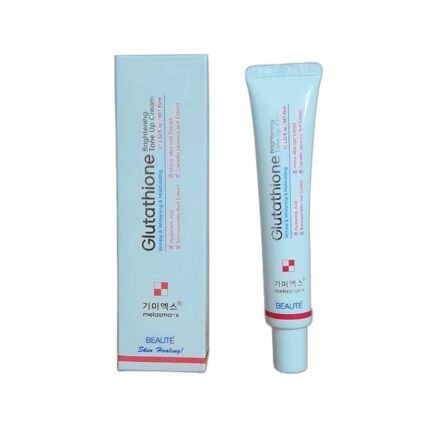 Sale
SaleOriginal price was: ৳ 1,250.00.৳ 950.00Current price is: ৳ 950.00.
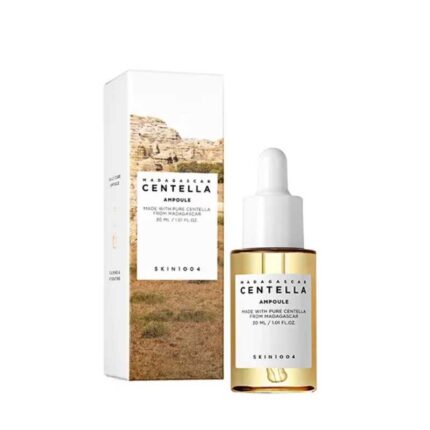 Sale
SaleOriginal price was: ৳ 1,260.00.৳ 882.00Current price is: ৳ 882.00.
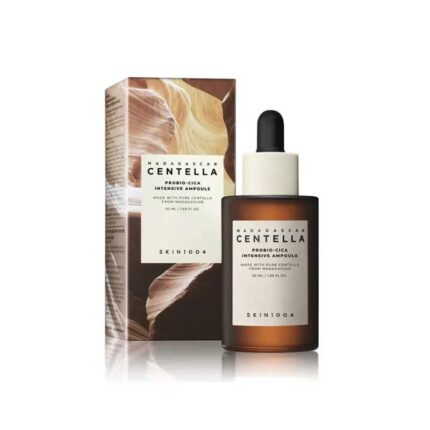 Sale
SaleOriginal price was: ৳ 3,360.00.৳ 2,352.00Current price is: ৳ 2,352.00.
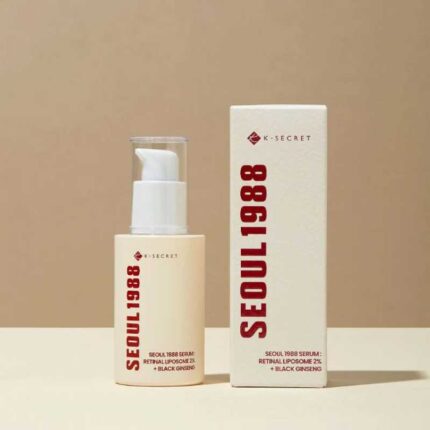 Sale
SaleOriginal price was: ৳ 2,720.00.৳ 1,904.00Current price is: ৳ 1,904.00.
Key nutrients in Spirulina Extract
Spirulina Extract contains protein, vitamins, minerals, and unique pigments. For example, it offers amino acids, vitamin B types, iron, and chlorophyll. Research indicates spirulina is often valued as a dense plant protein source compared with many other green foods.
As a result, some people call spirulina an antioxidant protein compound because it carries both free-radical fighting pigments and concentrated protein. That phrase describes how spirulina can support repair and recovery at the cellular level. Many supplement labels highlight phycocyanin, the blue pigment linked to antioxidant action.
Benefits of Spirulina Extract for daily health
People take Spirulina Extract for more energy and balanced nutrition. Studies show that regular use may help users feel less fatigued and sustain more stamina during daily tasks. Athletes and busy adults often choose spirulina to fill nutrient gaps in their diets.
When it comes to immune support, spirulina contains compounds that may help modulate immune response. Research indicates immune markers can respond favorably in some users after consistent intake. However, individual results vary and depend on overall diet and lifestyle.
For skin and hair, many topical formulas include Spirulina Extract to deliver antioxidants directly. Dermatologists sometimes recommend antioxidant ingredients to counter environmental stressors. Still, skin results depend on product formulation and user skin type.
Energy and metabolic support
For energy, Spirulina Extract provides concentrated nutrients that support metabolism. Because it includes iron and B vitamins, it can help produce cellular energy. Some small studies suggest users report improved endurance after a few weeks of use.
Immune and inflammation modulation
Research indicates that components in spirulina can influence inflammatory markers in lab studies. As a result, many researchers explore spirulina as a dietary ally for immune balance. Consumers often use it during seasonal shifts as a preventive supplement.
Skin and antioxidant protection
Phycocyanin and other pigments in Spirulina Extract work as antioxidants that neutralize free radicals. For example, topical products add spirulina for antioxidant protection and for a green cosmetic tint. Users report improved skin tone when they combine topical use with dietary intake.
Nutritional profile: what to expect per serving
Typical servings of Spirulina Extract provide a boost of protein and micronutrients. While formulations vary, manufacturers often concentrate the algae to deliver higher nutrient amounts per gram. Consumers should read labels to compare protein, iron, and vitamin content.
Studies show that spirulina can be a practical source of plant protein for vegetarians and vegans. Since it supplies a range of amino acids, it often appears in plant-based supplements. Still, spirulina should not replace diverse whole food proteins entirely.
How Spirulina Extract is produced
Producers cultivate spirulina in ponds or controlled tanks where water, light, and nutrients feed growth. After harvesting, they wash and dry the cells, then extract active compounds using water or gentle solvents. That process concentrates pigments, proteins, and other bioactive molecules.
Because processing affects quality, many reputable brands use low-heat drying and verified extraction methods. Third-party testing for purity and potency helps confirm label claims. Consumers should look for products that list extraction methods and testing information clearly.
Forms of Spirulina Extract and how to pick one
Spirulina Extract appears in powders, capsules, tablets, and topical serums. Powders mix into drinks and recipes, while capsules offer convenience for travel. For skin, creams or masks use topical spirulina to deliver antioxidants directly.
When shopping, consider your routine and tolerance for taste. For example, powder mixes give flexibility in recipes but have a grassy flavor. Capsules remove taste issues but limit dose adjustments.
Powder pros and cons
Powder form lets you control dose and add spirulina to smoothies and bowls. That makes it ideal for home cooks and health-focused users. However, some people find the flavor strong and must mask it with other ingredients.
Capsules and tablets
Capsules offer precise dosing and ease of use for travel. Many users prefer them for daily consistency. Still, capsules cost more per serving than powders in many cases.
Topical products with Spirulina Extract
Skin care items include creams, masks, and serums with spirulina as an active. These products aim to deliver antioxidants directly to skin cells. Dermatologists recommend patch testing new topical products before regular use.
How to use Spirulina Extract in food and drinks
Adding Spirulina Extract to smoothies is a popular start. You can mix a small scoop with fruit, yogurt, or plant milk to mask flavor. For cooking, recipe writers add spirulina to energy bars and savory sauces.
Because heat may affect some nutrients, many chefs add spirulina to dishes after cooking. That preserves delicate pigments and keeps antioxidant activity higher. Beginner users should start with small amounts to test flavor tolerance.
Evidence and research: what science says
Studies show that spirulina has been researched for its antioxidant and immune effects in lab and human trials. Clinical research often reports modest improvements in certain biomarkers after regular intake. However, results vary with dose, duration, and participant health.
Because more large-scale trials are needed, researchers urge caution in interpreting early findings. That means consumers should view spirulina as a supportive supplement rather than a medical cure. Still, many trials show promising signals for energy and immune markers.
Safety, side effects, and who should avoid it
Spirulina Extract is safe for most healthy adults when sourced from clean production. However, contaminated batches can cause adverse reactions. That is why third-party testing and transparent sourcing are essential when choosing products.
People with autoimmune disorders, pregnant women, and those on blood thinners should consult a healthcare professional before taking spirulina. Allergies are rare but possible, and some users report mild digestive discomfort when they start. If any severe reaction occurs, stop use and seek medical help.
How to choose a high-quality Spirulina Extract
Look for brands that test for heavy metals, toxins, and microbial contamination. Certificates from independent labs add trust and clarity. Also, pick products that state the origin of the algae and the extraction method used.
Because spirulina grows in water, the source quality affects the final product. Research indicates that poor cultivation can introduce contaminants. For this reason, checking label transparency reduces risk.
Comparing price, potency, and certification
Price often reflects testing and manufacturing costs rather than potency alone. Certified organic or verified sustainable products may cost more but offer clearer sourcing. Consumers should compare serving sizes and concentration to judge value.
When a product lists extraction ratios or concentration, that helps estimate potency per scoop. Third-party seals and lab results are reliable signals to distinguish higher quality items from generic options. That makes purchasing decisions easier and safer.
Practical tips for first-time users
Start with a low dose of Spirulina Extract and increase slowly over one to two weeks. That approach helps your digestion adjust to the new protein and fiber. If you plan to take it daily, set a consistent time that fits your routine.
Because spirulina can stain dishes and utensils, rinse promptly after use. Store supplements in a cool, dry place away from direct sunlight. For topical products, patch test behind your ear or on your inner arm before full-face application.
Common myths and misconceptions
Some people think spirulina will replace the need for varied fruits and vegetables. That claim is false. Spirulina adds nutrients but does not deliver the full range found in whole foods.
Another myth is that all spirulina is identical across brands. Quality and processing vary widely, so reading labels matters. Consumers should avoid expecting instant results and focus on steady, informed use.
Shopping checklist for Spirulina Extract
Choose products that list clear sourcing, testing, and ingredient transparency. Prefer items with third-party lab results and a visible manufacturing location. That reduces the chance of contamination and ensures a more consistent experience.
Also, compare serving sizes and price per serving to judge value. Look for customer reviews that describe long-term use and verified purchase badges. That feedback often reveals practical details not on labels.
How Spirulina Extract interacts with common supplements
Spirulina can complement multivitamins and omega-3 supplements by adding protein and pigments. When combined with iron supplements, it may boost overall iron intake. Still, caution is necessary when combining multiple concentrated sources of the same nutrient.
Because spirulina may influence immune markers, people on immunosuppressive drugs should get medical advice. That reduces the chance of unwanted interactions. Your healthcare provider can help tailor a safe plan based on your specific medications.
Environmental and sustainability considerations
Spirulina has a relatively low land and water footprint compared with many animal proteins. Some producers use sustainable practices to minimize environmental impact. Research indicates algae can be a more resource-efficient protein source in many climates.
However, not all farms follow sustainable protocols, and irresponsible practices can harm local ecosystems. That is why choosing brands that disclose cultivation methods helps support better environmental outcomes. Certifications and transparent reporting matter for long-term sustainability.
Recipes: simple ways to add Spirulina Extract
Try a green smoothie with banana, spinach, plant milk, and a small scoop of Spirulina Extract. That blend masks the algae flavor and adds creamy texture. For a snack, mix spirulina into yogurt with honey and granola for a nutrient boost.
For savory use, add a pinch of spirulina to soups or pesto after cooking to preserve nutrients. That method keeps delicate pigments intact while enhancing color and nutrition. Start with half a recommended serving to test flavor and tolerance.
Beauty uses: masks and serums
DIY masks combine spirulina powder with clay and water for a cleansing facial treatment. That mix provides antioxidants and a mineral boost to skin. For sensitive skin, add a bit of honey or aloe gel to soothe and reduce irritation risk.
When shopping for commercial serums, check the ingredient list for concentration and complementary antioxidants. Products that pair spirulina with vitamin C or hyaluronic acid can address multiple beauty goals. Patch testing remains important before full use.
Expert tips from nutritionists and skin professionals
Nutritionists often recommend Spirulina Extract as an adjunct to a varied diet. They stress that whole foods still supply fiber and a wider vitamin range. For skin professionals, spirulina can be a helpful antioxidant in topical blends when formulated correctly.
Because individual needs vary, experts advise tailoring intake to health goals and diet. A dietitian can suggest serving sizes and timing to suit energy, iron needs, or protein targets. That personalized approach improves results and reduces risk.
Signs of a quality product to look for on the label
Good labels include batch testing, farm origin, and extraction method. They also list exact serving sizes and nutrient amounts per serving. Absence of this information often signals a lower-quality product.
When possible, choose brands with transparent third-party testing that confirms purity and potency. That protects against contamination and uneven nutrient claims. Consumer trust builds when brands publish lab certificates.
Frequently Asked Questions
Is Spirulina Extract safe for daily use?
Most healthy adults can use Spirulina Extract daily when they pick a tested product from a reputable brand. Start with a low dose and increase slowly to monitor tolerance. Consult a healthcare provider if you have chronic conditions or take medications.
How much Spirulina Extract should I take each day?
Dosage varies by product and goal, so follow the label or a professional’s advice. Beginners often start with a small scoop or one capsule per day and increase gradually. Your healthcare provider can recommend a suitable daily amount based on your needs.
Can Spirulina Extract help with skin aging?
Spirulina Extract provides antioxidants that can help protect skin from oxidative stress. Topical products and dietary intake may both support skin health. For measurable anti-aging effects, consistent use with sunscreen and a good skincare routine is essential.
What should I avoid when buying Spirulina Extract?
Avoid products without clear sourcing, lab testing, or ingredient transparency. Steer clear of brands that do not list extraction methods or safety testing. Choosing verified and tested products reduces the risk of contamination and inconsistent potency.
Final Thoughts
The single most important takeaway is that Spirulina Extract can be a safe, nutrient-dense supplement when sourced and tested properly. For shoppers, the practical recommendation is to start with a trusted brand that provides third-party test results. That approach helps you gain the benefits while minimizing risks and supports steady, useful results.