
Rice Powder: Benefits, Uses & Skin Guide

Many people want a gentle, natural way to smooth skin and control oil. Rice Powder appears in traditional recipes and modern skincare for those goals. It offers gentle exfoliation and oil control that suits varied skin types.
What is Rice Powder and how is it made?
Rice Powder is a finely milled form of rice grain used in food and beauty. Traditional methods grind dried rice into a soft powder that remains rich in starch and trace nutrients. Modern production often includes sieving to a consistent texture that works well on skin.
Because the powder contains starch and small amounts of protein, it can act as a mild binder in masks and cleansers. Studies show rice-derived starch has absorbent properties that support oil control in topical formulas.
Recommended Products
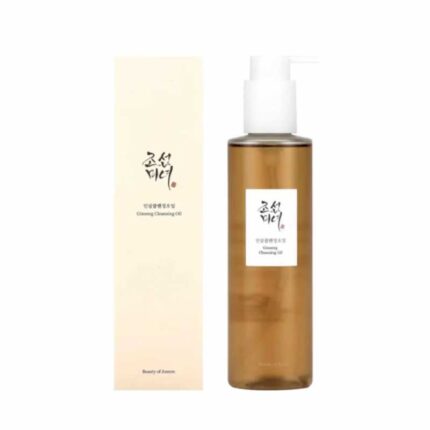 Sale
SaleOriginal price was: ৳ 3,080.00.৳ 2,156.00Current price is: ৳ 2,156.00.
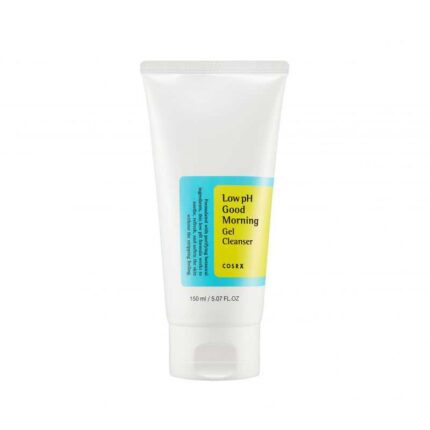 Sale
SaleOriginal price was: ৳ 1,500.00.৳ 1,190.00Current price is: ৳ 1,190.00.
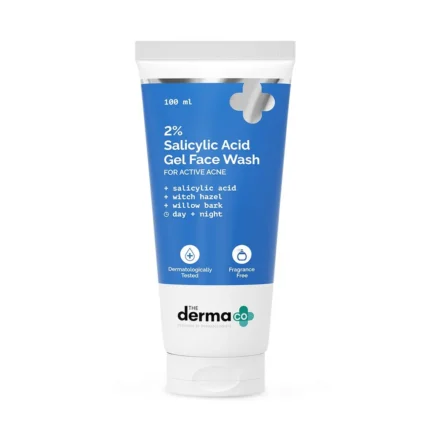 Sale
SaleOriginal price was: ৳ 1,100.00.৳ 790.00Current price is: ৳ 790.00.
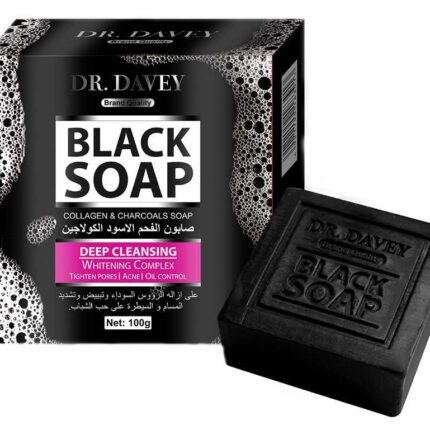 Sale
SaleOriginal price was: ৳ 500.00.৳ 350.00Current price is: ৳ 350.00.
Historical uses of Rice Powder
Across Asia, people have used rice as a skin care staple for centuries. Royal and household recipes used crushed rice as a gentle scrub and brightening mask. Folklore and traditional practice both praise rice for a soft, matte finish.
Dermatologists recommend gentle, frequent care rather than harsh scrubs, and that is consistent with how rice-based powders were used historically. That tradition informed many modern products that include rice extracts and powders.
Key properties: exfoliation and oil control
Rice Powder works via two main actions on skin: light physical exfoliation and oil absorption. As a light abrasive, it removes dead skin cells without over-stripping the skin’s natural barrier. The starch particles absorb surface oil, which reduces shine and helps products adhere.
For example, many formulations use rice-derived ingredients as a mild exfoliant and as an oil absorbing compound to manage oily complexions. This means the powder can suit both combination and oily skin types.
Rice Powder as a rice exfoliating ingredient
When used as a rice exfoliating ingredient, the powder removes loose skin cells gently. The particle size matters a great deal for comfort and effectiveness, and a fine powder gives smooth results. People with sensitive skin often find rice-based exfoliants less irritating than shell-based scrubs.
Because repeated harsh scrubbing can cause inflammation, clinical advice supports mild exfoliation. Many users report improved skin texture after consistent use of rice-based scrubs or masks twice weekly.
How Rice Powder compares to other powders
Rice Powder differs from cornstarch, baking soda, and talc in texture and nutrient profile. Cornstarch often absorbs oil quickly but lacks the gentle abrasive action of rice. Baking soda is more alkaline and can disrupt skin pH, while talc can feel heavy and is less natural for topical use.
Compared to botanical powders like oat or almond, rice tends to be smoother and less allergenic for many people. That is why many sensitive-skin formulas prefer rice over stronger botanical exfoliants.
Benefits for different skin types
Oily skin benefits from rice’s absorbent nature and mild exfoliation. The powder helps reduce visible shine and may prolong the fresh look between washes. Thus, people who want a matte finish often add rice-based products to their routine.
Dry and sensitive skin can also use rice formulations if they are mixed with hydrating ingredients. For dry skin, combining rice powder with oils or humectants helps maintain moisture while exfoliating gently. For reactive skin, a patch test is a simple way to confirm tolerance.
How Rice Powder improves texture and tone
Regular use of Rice Powder can smooth rough patches and help even tone through consistent removal of dead cells. Removing the top layer of dead skin allows serums and moisturizers to penetrate better. Users often notice improved product absorption after a few weeks of gentle use.
Research indicates that mild exfoliation supports cell turnover without causing long-term damage. Dermatologists recommend low-frequency exfoliation for most people, which fits well with rice powder routines.
Scientific perspective and safety
Studies show that rice-based starches have oil-absorbing properties and a gentle abrasive effect. Dermatologists recommend choosing fine-milled rice powders to reduce micro-tearing and irritation. That small detail matters for safe home use.
Allergic reactions to rice are rare but possible when other ingredients are present. For safety, perform a patch test and avoid using rice powder on broken or inflamed skin until healed.
DIY recipes using Rice Powder
One simple at-home mask mixes Rice Powder with yogurt to moisturize and exfoliate. Yogurt adds lactic acid, which offers mild chemical exfoliation and hydration alongside the physical action of rice. Apply for five to ten minutes, then rinse with lukewarm water.
For oily skin, try a clay and Rice Powder mask that balances oil while smoothing texture. Mix the powder with bentonite or kaolin clay and a little water to make a paste. That blend combines adsorption with gentle abrasion for clearer-looking skin.
Simple calming mask
Mix one tablespoon Rice Powder with one tablespoon aloe gel and apply for eight minutes. Aloe soothes while rice smooths; rinse gently and pat dry. Use once a week for a calm, brighter appearance.
Brightening scrub
Combine Rice Powder, a drop of honey, and a splash of lemon juice for a brightening scrub. Massage in circular motions for thirty seconds then rinse. Because lemon can sensitize skin, avoid sun exposure immediately after use.
How to use Rice Powder safely at home
Start with low frequency and observe how your skin responds. Use Rice Powder masks or scrubs once or twice a week for most skin types to avoid irritation. If redness persists, stop and consult a professional.
Use gentle pressure when massaging the powder into skin to reduce friction. That approach helps achieve exfoliation without causing microtears that can lead to sensitivity or inflammation.
Choosing the right Rice Powder product
Look for finely milled Rice Powder with minimal additives for pure results. Avoid formulas with strong fragrances, which can irritate sensitive skin. Labels that list just rice or rice starch are easiest for people who prefer simple skincare blends.
For commercial products, check whether the powder is combined with antioxidants or vitamins if you want extra benefits. That said, pure Rice Powder remains a flexible base for custom at-home recipes.
Rice Powder in commercial skincare
Many brands include Rice Powder in powders, masks, and cleansers for texture control and mild abrasion. The ingredient can act as a natural binder and absorbent, improving product feel. Formulators often pair it with humectants to offset any drying effect.
Dermatologists recommend patch testing new commercial products, especially those that combine multiple active ingredients. Good formulation balances exfoliation and hydration to protect the skin barrier.
Rice Powder for body and scalp care
On the body, Rice Powder can soften rough areas like elbows and knees when used in a scrub. The fine grains smooth without the harshness of salt or coarse sugar. People with body acne or excess oil on the chest and back may also benefit from its absorbent quality.
Scalp treatments sometimes use Rice Powder to clarify oily roots and remove buildup when mixed with a mild cleanser. However, avoid applying a dry powder directly to hair without dilution to prevent clumping and uneven distribution.
Cosmetic uses beyond skincare
Rice Powder also appears in makeup as a setting powder and mattifier due to its light-reflecting and oil-absorbing traits. In pressed powders and loose finishes, rice creates a soft focus effect that reduces shine. Makeup artists often recommend it for long-wear, especially in warm conditions.
That benefit makes rice-based powders useful for people who need a natural, lightweight setting product. Choose finely milled options for a silkier finish that blends well with foundation.
Storage and shelf life
Keep Rice Powder in a cool, dry place to prevent clumping and moisture buildup. Use an airtight container to avoid contamination and maintain texture. The powder can last a year or more if kept dry and free from added water-based ingredients.
If you mix Rice Powder with wet ingredients, store the blend in the fridge and use it within a few days. Throw away any mixture that changes color, smell, or texture to reduce infection risk.
Environmental and sustainability notes
Rice is an agricultural product with varying environmental impacts depending on farming practices. Choosing ethically sourced rice powders that come from responsible farms helps reduce negative effects. Some brands highlight heritage varieties and small-farm sourcing as part of their claims.
Because rice waste can be upcycled into beauty ingredients, some manufacturers use byproducts in powder form. That approach reduces waste and offers a second life for parts of the grain that would otherwise be discarded.
Comparing Rice Powder to chemical exfoliants
Rice Powder provides physical exfoliation, unlike alpha hydroxy acids (AHAs) which dissolve dead cells. Some people prefer rice for its tactile feel and immediate smoothing effect. Chemical exfoliants can penetrate deeper and deliver long-term turnover, while rice offers surface-level improvement.
Because chemical and physical methods both have pros and cons, many routines combine them on alternating days. Dermatologists recommend this approach to balance quick smoothing and gradual renewal without over-exfoliating.
Common misconceptions about Rice Powder
One myth claims rice will always brighten instantly, but changes usually occur with repeated use over weeks. A single application can smooth and mattify, while persistent tone change requires consistent care. That is why users should set realistic expectations.
Another misconception says rice is abrasive and harmful; however, when finely milled and used gently, it is milder than many alternatives. Proper technique and frequency are what determine safety and success.
How to test Rice Powder before full use
Patch testing is a simple and effective way to check tolerance to Rice Powder. Apply a small mix to the inner forearm and watch for 24 to 48 hours for redness or itching. If no reaction occurs, it is usually safe to apply to the face in limited frequency.
Start with diluted mixes and short contact times, then increase usage if skin remains calm. That method minimizes risk of irritation and helps build a routine that fits your skin’s needs.
Where to buy and what to look for
Look for food-grade or cosmetic-grade Rice Powder sold in sealed packaging to ensure purity. Read ingredient lists to avoid hidden fragrances or preservatives. Many health stores and cosmetic suppliers offer mill options that specify grain origin and grind size.
For people who prefer organic certification, choose brands that list certified sourcing. That added label can help verify farming practices and reduce exposure to unnecessary chemicals.
Budget-friendly tips for using Rice Powder
Because Rice Powder is inexpensive, it makes a cost-effective addition to home skincare. Buying in bulk reduces cost per use and allows you to create multiple DIY blends. For budget formulas, mix a small amount with water or yogurt to stretch each scoop further.
Store bulk powder in airtight jars and label them with the purchase date to track freshness. That habit keeps your routine safe and economical.
Potential side effects and how to avoid them
Excessive or rough use can cause irritation, redness, or barrier disruption. Always use light pressure and limit frequency to avoid over-exfoliation. If irritation appears, stop using rice-based scrubs and give skin time to recover.
People with rosacea or active eczema should avoid physical scrubs, including Rice Powder, until conditions stabilize. A dermatologist can recommend safer alternatives like gentle chemical exfoliants or enzymatic masks.
Combining Rice Powder with actives
Mixing Rice Powder with antioxidants like vitamin C or with hydrating agents can produce balanced results. For example, a rice and vitamin C serum boost may brighten while smoothing texture. Keep concentrations low and monitor skin response when adding actives.
When using acids or retinoids, space Rice Powder sessions on different days to reduce combined irritation. That scheduling helps protect the skin barrier while enabling multiple benefits.
Recipes for different goals
For mild exfoliation, mix Rice Powder with a splash of rose water and massage in gentle circles. Rose water soothes and provides light hydration alongside exfoliation. Rinse and follow with a moisturizer to lock in softness.
For matte control, combine Rice Powder with a small pinch of kaolin clay and water to form a thin paste. Apply to oily zones for five to ten minutes then rinse. This simple mask targets shine without severe drying.
Hydrating exfoliant
Blend Rice Powder with a teaspoon of glycerin and water for a hydrating scrub. Glycerin draws moisture into the skin while the rice smooths. Use weekly for a soft, less flaky finish.
Travel-friendly powder mask
Carry a small jar of dry Rice Powder and add water as needed for masking on the go. Dry storage reduces weight and avoids spills during travel. Prepare fresh mixtures when you are ready to use them.
How Rice Powder appears in product labels
On ingredient lists, Rice Powder may appear as “Oryza sativa (rice) starch,” “rice flour,” or “rice powder.” Knowing these terms helps identify the ingredient across brands. Cosmetic-grade labels often specify particle size or processing method.
For sensitive users, look for single-ingredient lists that reduce the chance of irritation. That clarity simplifies testing and safe usage.
Case studies and user experiences
Many users report that Rice Powder reduces midday shine and helps their makeup last longer. Those anecdotal reports align with the powder’s absorbent nature and mild exfoliation. Consistent use often leads to smoother makeup application and fewer clogged pores.
However, individual responses vary and depend on routine, skin type, and product formulation. That variability is why trying small changes and observing effects matters most.
Rice Powder and cultural skincare routines
Rice Powder remains part of many cultural beauty rituals, passed down through generations. These routines emphasize gentle care and simple ingredients. The enduring use highlights rice’s long history as a practical skin helper.
When people adapt traditional methods for modern life, they often keep the gentle approach and update mixing techniques. That balance preserves benefits while meeting contemporary safety standards.
Professional tips from estheticians
Estheticians often favor Rice Powder for sensitive clients seeking exfoliation without harshness. They recommend using it with a soothing base like aloe or yogurt to minimize friction. That practice supports safe, visible results in a spa-like treatment at home.
When performing in-clinic peels, professionals choose finely milled powders to avoid micro-tearing. That attention to texture ensures comfort and efficacy for clients with varied skin needs.
Rice Powder for men and grooming
Men often use Rice Powder as a simple way to reduce post-shave irritation and oiliness. Mixing a small amount with water creates a soothing paste to calm skin after shaving. The powder’s absorbent qualities also help keep pores clearer when skin becomes oily from sweat.
For beard care, a light rice-based scrub can help remove trapped dead skin without aggravating hair follicles. Use caution and gentle strokes to avoid tangling or excessive pulling.
Regulatory and labeling considerations
Cosmetic regulations require clear labeling of Rice Powder when used in marketed products. Companies must list the ingredient using recognized nomenclature. Consumers should read labels to confirm the presence of pure rice ingredients versus blends with multiple actives.
Manufacturers sometimes add preservatives to extend shelf life in wet mixtures, so check for those if you prefer preservative-free products. That choice affects storage and how long homemade blends remain safe.
Alternatives to Rice Powder
If rice does not suit your skin, consider oat flour or finely ground almonds as alternatives. Oat offers soothing beta-glucans and is often tolerated well by sensitive skin. Almond provides a slightly coarser texture and more oil content, which can be useful for dry skin routines.
Each alternative has different absorption and exfoliation profiles, so choose based on desired texture and skin response. Patch testing remains a wise step for any new ingredient.
Frequently Asked Questions
Is Rice Powder safe for all skin types?
Many skin types tolerate Rice Powder, especially when finely milled and used gently. People with active rosacea or severe eczema should avoid physical scrubs until conditions improve. Patch testing helps determine personal tolerance.
How often should I use Rice Powder?
Most people use Rice Powder once or twice a week to avoid over-exfoliation. Oily skin may tolerate two weekly sessions, while sensitive skin should limit use to once every ten days. Adjust frequency based on skin response.
Can Rice Powder replace my daily cleanser?
Rice Powder can be part of a cleansing routine but should not fully replace gentle daily cleansers. Use powder scrubs for periodic exfoliation and keep a mild cleanser for everyday use. That combination supports barrier health and cleanliness.
Will Rice Powder help reduce acne?
Rice Powder may reduce surface oil and clear pores, which can support acne management for some people. It does not treat underlying bacterial or hormonal causes, so combine it with targeted treatments when needed. Consult a dermatologist for persistent or severe acne.
Final Thoughts
Rice Powder remains a versatile, gentle option for people seeking mild exfoliation and oil control. When you choose finely milled powder and use it with care, Rice Powder can smooth texture and reduce shine without harsh effects. Try a simple routine with patch testing and choose mixtures that support hydration for the best results.