
Volcanic Sand Skincare: Benefits & How to Use

Have you noticed rough patches that soap will not remove and wondered what helps? Volcanic Sand can offer a natural, mineral option for smoother skin and fewer clogged pores. Many shoppers seek effective yet simple products that include Volcanic Sand in topical care.
What is Volcanic Sand?
Volcanic Sand is made from tiny fragments of volcanic rock and glass. It forms when lava cools and breaks into small grains near the shore or on land. Because volcanic processes create varied mineral content, volcanic sand often contains iron, silica, and other trace elements.
Studies show volcanic particles provide mechanical exfoliation that removes dead skin cells and surface oil. Dermatologists recommend gentle mechanical scrub once or twice weekly for many skin types when done correctly.
Recommended Products
 Sale
SaleOriginal price was: ৳ 550.00.৳ 350.00Current price is: ৳ 350.00.
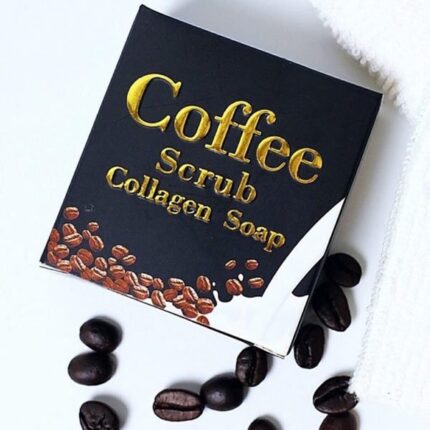
৳ 370.00
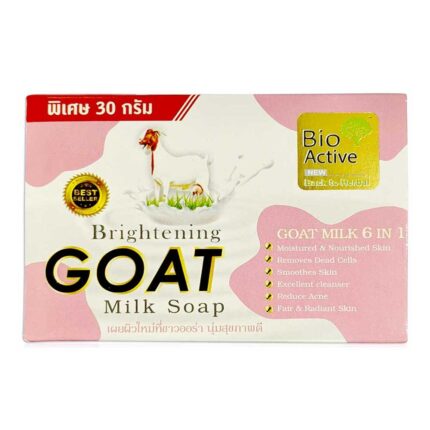
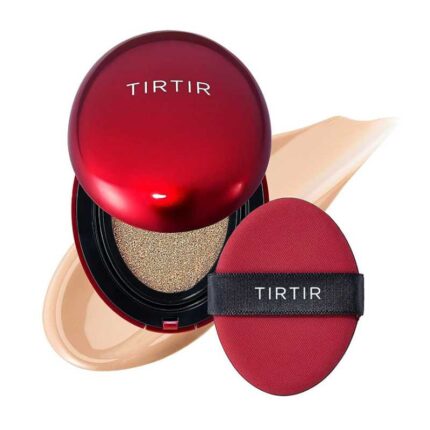 Sale
SaleOriginal price was: ৳ 2,300.00.৳ 1,790.00Current price is: ৳ 1,790.00.
How Volcanic Sand works as an exfoliant
Volcanic Sand acts as a physical scrub. The grains lift away dead cells and residue without chemical stripping. When you rub the grains lightly over skin, they abrade dull layers and reveal fresher skin beneath.
Because volcanic sand is abrasive at a microscopic level, it can smooth texture and improve product absorption. Research indicates regular, gentle exfoliation can help serums and moisturizers penetrate better.
As a natural exfoliating ingredient, volcanic sand offers a plant-free, mineral-based choice for people seeking mechanical methods. Many formulas pair it with soothing oils to reduce friction and irritation.
Key benefits for different skin types
Oily and combination skin often benefit most from volcanic sand scrubs. The grains remove excess oil and clear pores that trap sebum and debris. As a result, breakouts may reduce when a consistent routine is used.
Dry skin needs milder use. When used too often, volcanic sand can remove natural oils. That means you should pair it with a hydrating treatment after exfoliation.
Sensitive skin can react to rough particles. Still, some low-abrasion volcanic sand products exist for sensitive types. Dermatologists suggest patch testing before full-face use.
Forms and formulas that include Volcanic Sand
Manufacturers include volcanic sand in scrubs, cleansers, masks, and bars. Some products use fine volcanic ash while others use coarser grains meant for body exfoliation. Choose the form that matches your target area and texture tolerance.
For example, gentle facial scrubs use very fine volcanic sand and calming additives. Body scrubs often use larger grains and richer oils for comfort while scrubbing rough skin.
How to use volcanic sand scrubs safely
Start with clean hands and a wet face or body. Apply a small amount and massage with light pressure for 30 to 60 seconds. Rinse thoroughly and follow with a moisturizer to restore barrier function.
Because over-exfoliation can harm the barrier, limit use to one or two times per week for most skin types. If irritation occurs, stop use and consult a skin professional. That is why patch tests matter before regular use.
Choosing the right product
Look for clear labeling on grain size and recommended use area. Fine grains suit the face while coarser grains fit body scrubs. Also check for complementary soothing ingredients like glycerin, aloe, or lightweight oils.
Research indicates that pairing mechanical exfoliants with hydration reduces irritation. That means a good scrub often contains humectants or immediately follows with a hydrating serum.
When reviewing ingredient lists, ask whether the volcanic sand is sustainably sourced. Ethically sourced materials reduce ecological harm and support better community practices.
Volcanic Sand vs chemical exfoliants
Volcanic Sand removes dead skin through friction. Chemical exfoliants such as AHAs and BHAs dissolve bonds between cells. Each type has pros and cons depending on goals and tolerance.
For example, chemical exfoliants often provide deeper cell turnover without abrasion. Yet volcanic sand offers visible smoothing and immediate polish that some users prefer. Try alternating methods if you want both effects, but do not combine them in the same treatment session.
Safety and common side effects
Most users tolerate volcanic sand when products use fine grains and low pressure. Still, aggressive scrubbing can cause micro-tears and inflammation. Redness, stinging, or flaking are signs to reduce frequency or stop use.
Because volcanic sand is a mineral scrub compound, it can vary in shape and hardness. Manufacturers that grind particles into uniform, rounded grains tend to create gentler products. Always follow product guidance and observe how your skin responds.
Environmental and sourcing considerations
Harvesting volcanic sand near coastal zones can impact habitats and shore stability. Local regulations sometimes restrict collection to protect ecosystems and public access. That leads many brands to seek alternative sources or regulated permits.
Since shoppers care about sustainability, look for brands that disclose sourcing and environmental practices. Some producers supply lab-processed volcanic rock that minimizes coastal extraction. Still, transparency matters when choosing ethical options.
How products test for safety and quality
Reputable brands test for particle uniformity and skin safety. Lab tests check for sharpness, microbial load, and contaminant levels. Quality testing reduces the risk of irritation and contamination in final products.
Dermatologists often recommend products that have undergone third-party safety checks. That is because independent testing offers extra assurance for sensitive or reactive skin types.
DIY volcanic sand recipes and precautions
Homemade scrubs let you control texture and ingredients. However, DIY methods need care to avoid rough grains or unsanitary mixes. The sections below offer safe, simple recipes and tips for mixing correctly.
Face scrub: gentle volcanic sand blend
Use one teaspoon of very fine volcanic sand. Mix with a tablespoon of natural oil and a quarter teaspoon of honey. Massage gently for 30 seconds and rinse with lukewarm water.
Because facial skin is delicate, avoid coarse grains and use minimal pressure. Apply moisturizer after rinsing to replenish hydration.
Body scrub: firmer volcanic sand mix
Combine two tablespoons of volcanic sand with half a cup of a carrier oil like sweet almond or jojoba. Add a few drops of an essential oil if you like scent. Use on damp skin and massage in circular motions before rinsing.
Always test on a small area first, such as the inner wrist. If redness or itching appears, do not continue use.
Precautions and sanitation
Keep homemade scrubs refrigerated if you plan to store them. That reduces microbial growth when you include perishable items like honey or fresh oils. Use clean utensils to avoid contamination with bacteria or mold.
Although do-it-yourself options can save money, they carry higher risk without lab testing. For lasting safety and consistency, commercial products often offer better quality control.
How to read product labels for volcanic sand scrubs
Check particle descriptors such as “micronized,” “fine,” or “powdered” for facial products. Those terms often signal gentler grain sizes suited to sensitive skin. For body products, look for phrases like “coarse” or “firm” when you need stronger abrasion.
Also search for supporting ingredients that soothe and hydrate after exfoliation. For example, glycerin, panthenol, and ceramides help support the skin barrier and reduce irritation.
What dermatologists say about volcanic sand
Dermatologists advise caution with any physical exfoliant. Yet many agree that volcanic sand can work well when the grains are fine and formulas are gentle. Clinical guidance usually centers on frequency, grain size, and pressure control.
Research shows that mechanical exfoliants can deliver immediate glow and smoothness. Still, professionals often pair them with chemical agents for long-term skin renewal in clinical settings.
Shelf life and storage of volcanic sand products
Most scrub products last 6 to 12 months after opening, depending on preservatives. Keep them in a cool, dry place and avoid contaminating containers with wet fingers. That helps prevent bacterial growth and preserve texture.
For longer shelf life, choose products with effective preservatives or sealed packaging. That is why airless pumps and single-use sachets remain popular for hygienic reasons.
Buying guide: price, packaging, and what to expect
Price varies by brand, concentration, and sourcing claims. Expect higher costs for sustainably sourced or clinically tested products. Packaging that prevents contamination often costs more but protects product quality.
When shopping, look at grain descriptions and the list of additional actives. Brands that state grain size and origin demonstrate better transparency. That means you can make an informed choice for your skin and values.
Common myths about Volcanic Sand
Myth: volcanic sand always causes micro-tears. Reality: grain size and pressure matter more than the material itself. Fine volcanic sand used gently rarely causes skin damage.
Myth: volcanic sand bleaches or harms skin due to mineral content. Reality: typical topical use involves tiny amounts that act mechanically, not chemically. Still, watch for additives or fragrances that may irritate.
Combining Volcanic Sand with other treatments
Avoid pairing strong chemical peels with volcanic sand on the same day. The combined effect can lead to undue irritation. Instead, alternate days between mechanical and chemical exfoliation to allow recovery.
If you use retinoids or strong acids, reduce mechanical exfoliation frequency. That approach helps reduce cumulative irritation while still providing occasional polishing benefits.
Where volcanic sand is commonly sourced
Volcanic sand comes from islands, coastal beaches, and volcanic fields worldwide. Some notable regions have natural deposits near lava flows and cliff erosion sites. Local regulations govern how and where collectors can take sand.
Brands that disclose source regions and permit practices allow consumers to evaluate sustainability. When sourcing is unclear, consider choosing a brand with transparent supply chain policies.
How to tell if a scrub is too abrasive
If your skin shows persistent redness, tiny tears, or increased sensitivity after use, the scrub may be too abrasive. Also watch for prolonged stinging during or after rinsing. Those signs warrant discontinuing use and selecting a gentler formula.
Additionally, look at particle shape under magnification if possible. Rounded, smooth grains reduce cutting risk compared to sharp, angular fragments.
Alternatives to volcanic sand
If volcanic sand feels too harsh, try alternatives like sugar scrubs, jojoba beads, or enzymatic exfoliants. Sugar melts with water and is gentler on the skin. Enzymatic options use natural fruit enzymes to break down dead cells without friction.
For acne-prone skin, a mild BHA product may help clear pores without mechanical scraping. Picking a complementary approach depends on your skin goals and tolerance.
Volcanic Sand in professional treatments
Some spas and clinics offer body or facial polishing treatments that use volcanic sand blends. Professionals control pressure and grain concentration to reduce risk. That makes in-clinic polishing often safer than home versions for aggressive scrubs.
Clinical protocols usually compare notes with patient history and skin sensitivity before treatment. Ask providers about grain size and any pre-treatment protocols to protect your skin.
Signs of quality volcanic sand products
High-quality products list particle descriptors, preservative systems, and complementary actives. They also present usage guidance and frequency recommendations. Clear instructions show brands have considered safety and efficacy.
Moreover, customer reviews can reveal real-world performance across skin types. Read reviews with an eye for consistent reports about grain comfort and post-use hydration.
How to store leftover volcanic sand
If you separate volcanic sand for future DIY use, keep it dry and in an airtight container. Moisture can introduce microbes or cause clumping. Label containers with the date and intended use to avoid confusion.
Store commercial products according to label guidance, and discard them after the recommended period post-opening to prevent contamination.
Common additives to watch for
Fragrances and certain essential oils may irritate sensitive skin. Also, abrasive fillers or overly coarse particles can cause damage. Prefer formulas that include soothing agents and clear grain descriptions.
For example, glycerin, panthenol, and ceramides help support barrier repair after exfoliation. Choose products that balance exfoliation with hydration.
Volcanic Sand for body concerns like keratosis pilaris
Some people with keratosis pilaris see improvement with careful mechanical exfoliation. The abrasive action can loosen plugged follicles and improve texture. Yet you must be gentle and hydrate well after treatment.
Since responses vary, test a small area and track changes over several weeks. If inflammation increases, stop and seek professional advice.
Making the most of a volcanic sand routine
Set a simple schedule and stick to it. Exfoliate once or twice per week and follow with a hydrating serum and SPF during the day. Consistency matters more than frequency for long-term results.
Also rotate treatments seasonally. You may exfoliate less during dry, cold months and more during humid months when oil production rises. That keeps skin balance and prevents over-exfoliation.
How to reduce irritation when starting volcanic sand
Begin with a patch test and then a half-face or small area trial. Use minimal pressure and rinse promptly. Then wait three to five days to observe the skin’s response before full use.
If redness appears, reduce frequency or switch to a finer grain. For persistent issues, consult your dermatologist before continuing use.
Product examples and label terms to know
Look for “micronized volcanic ash” and “fine volcanic powder” on facial products. Those terms usually indicate smaller particle size and gentler texture. For the body, terms like “sea volcanic grit” or “coarse volcanic granules” often mean stronger abrasion.
Also read whether the product is dermatologically tested. While the phrase does not guarantee universal safety, it suggests some professional review occurred.
Storing and traveling with volcanic sand products
Use travel-sized containers or single-use packets when flying. That reduces leakage and preserves the main jar. Keep products in a cool bag when temperatures get high to prevent oil separation in scrub formulas.
For airline rules, solid scrubs typically travel in checked or carry-on luggage when container size rules are met. Always check current transport guidelines for liquids and pastes.
Frequently Asked Questions
Is Volcanic Sand safe for all skin types?
Volcanic Sand can be safe for many skin types when used gently and with the right grain size. Sensitive or inflamed skin should avoid coarse scrubs and seek fine-grain or enzymatic options. Patch testing helps determine individual tolerance.
How often should I use volcanic sand on my face?
Most skin types benefit from one to two gentle exfoliations per week. If you use strong chemical treatments, reduce mechanical exfoliation frequency. Always adjust based on how your skin responds.
Can volcanic sand cause scarring or damage?
When used aggressively, any abrasive scrub can cause micro-tears and irritation that may lead to scarring. Choose fine grains, use light pressure, and avoid daily scrubbing to reduce risk. Seek professional care for persistent damage.
Are there environmental concerns with volcanic sand products?
Yes, coastal collection can harm ecosystems and change shoreline stability. Look for brands that disclose sourcing or use lab-processed mineral alternatives to reduce environmental impact. Sustainable sourcing statements offer helpful guidance.
Final Thoughts
The single most important takeaway is that Volcanic Sand can offer effective, natural exfoliation when chosen and used with care. Try fine-grain formulas, follow gentle techniques, and pair scrubs with hydration for best results. For routine safety, patch test and select products with transparent sourcing and clear usage instructions.