
Oleanolic Acid Benefits for Skin and Hair

Do you struggle with oily skin, frequent breakouts, or redness that won’t calm down? Oleanolic Acid appears in many skincare formulas aimed at balancing oil and soothing irritation. The ingredient offers a gentle, plant-derived approach to clearer, calmer skin.
What is Oleanolic Acid?
Oleanolic Acid is a natural triterpenoid found in many plants, including olives and herbs. Studies show that this compound has antioxidant and soothing properties that may aid skin health. The ingredient often appears in cosmetics for its gentle profile and plant origin.
For example, researchers have explored Oleanolic Acid for skin care and mild antimicrobial effects. This means formulators can add it as a stable active in creams and serums. The ingredient works alongside other actives to support a balanced complexion.
Because it comes from plants, many shoppers view Oleanolic Acid as a botanical option for skin issues. Dermatologists recommend looking for reputable extracts and clear concentration labels. That step helps ensure safety and performance.
Recommended Products
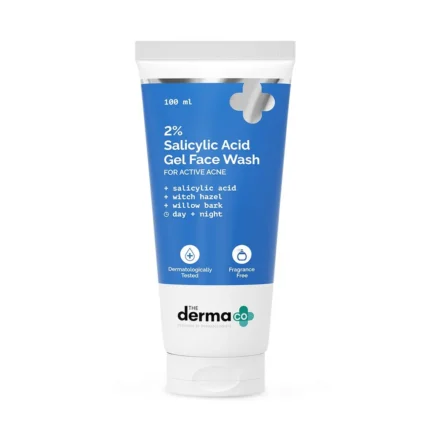 Sale
SaleOriginal price was: ৳ 1,100.00.৳ 790.00Current price is: ৳ 790.00.
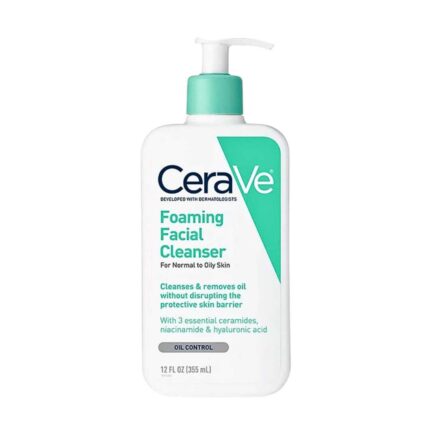 Sale
SaleOriginal price was: ৳ 3,540.00.৳ 2,250.00Current price is: ৳ 2,250.00.
 Sale
SaleOriginal price was: ৳ 3,600.00.৳ 2,350.00Current price is: ৳ 2,350.00.
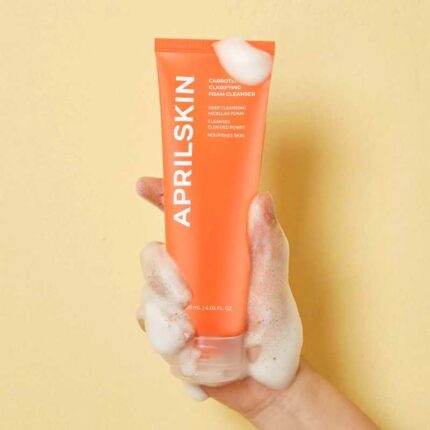 Sale
SaleOriginal price was: ৳ 2,040.00.৳ 1,420.00Current price is: ৳ 1,420.00.
How Oleanolic Acid Works on Skin
The skin reacts to oil, bacteria, and inflammation in linked ways that worsen breakouts. Oleanolic Acid can help by calming inflammation, reducing excess oil, and supporting barrier health. Research indicates those combined effects make it a promising anti-aging and anti-acne adjunct.
When applied topically, Oleanolic Acid may slow down oil production and reduce bacterial growth on skin. The ingredient acts on pathways related to sebum synthesis and mild microbial control. As a result, it can help reduce the conditions that lead to visible breakouts.
Because of its calming nature, Oleanolic Acid also reduces redness and swelling in irritated areas. This anti inflammatory compound offers a more gentle route than some harsh chemical options. The outcome is often a steadier, less reactive complexion over time.
Oleanolic Acid as a Sebum Control Ingredient
Many people search for a sebum control ingredient that tames shine without overdrying skin. Oleanolic Acid fits that role because it targets oil-producing pathways while leaving hydration intact. Studies show users often experience reduced shine with consistent use.
For example, formulations with Oleanolic Acid can pair it with lightweight moisturizers for balanced results. That pairing keeps the skin barrier healthy while the active manages oil. Consumers report this combination often feels comfortable and non-greasy.
Because it influences oil production rather than stripping skin, Oleanolic Acid suits combination and oily skin types. Dermatologists suggest testing new products on a small area before full use. That step helps spot sensitivities early and avoids irritation.
Anti-Inflammatory Benefits and Soothing Effects
Inflammation drives many skin complaints, from acne to rosacea and sensitivity. Oleanolic Acid functions as an anti inflammatory compound that calms irritated skin. Research indicates this calming effect can reduce visible redness over time.
When paired with calming ingredients like niacinamide or green tea, Oleanolic Acid can improve comfort and reduce flare-ups. This means users may see fewer angry pimples and less post-inflammatory discoloration. The gentle action helps avoid rebound dryness that harsh agents can cause.
Because inflammation affects both skin aging and acne, reducing it can have broad benefits. Studies show lowered inflammatory markers in lab models treated with the compound. As a result, many brands now include it in daily care formulas for long-term calm.
Antioxidant Activity and Skin Protection
Free radicals speed skin aging and weaken the barrier over time. Oleanolic Acid has antioxidant properties that help neutralize some oxidative stress. Research indicates such antioxidant effects support skin resilience and tone.
For example, combining Oleanolic Acid with a stable vitamin C or protective sunscreen can add layers of defense. That approach helps protect against environmental damage while working on oil and inflammation. Many experts recommend multi-step strategies for best results.
Because antioxidants work best when applied consistently, users should include them daily in their routines. Dermatologists recommend morning and evening routines tailored to skin type. This ensures ongoing protection and steady improvement in skin quality.
Uses in Acne-Prone and Oily Skin
People with acne-prone skin often seek actives that fight oil and inflammation without harsh side effects. Oleanolic Acid offers a milder alternative to strong exfoliants and acids. Studies show it can complement treatments to improve overall skin clarity.
When combined with retinoids or benzoyl peroxide, Oleanolic Acid may ease inflammatory responses and support healing. This means treatment plans can focus on clearing acne while protecting skin barrier function. Patients often report less irritation than with stronger regimens alone.
Because it can address multiple acne factors at once, many products include Oleanolic Acid for maintenance. Dermatologists recommend patch testing before combining multiple strong actives. That helps prevent excessive irritation while benefiting from synergy.
Oleanolic Acid in Anti-Aging Routines
Anti-aging plans often target collagen loss, fine lines, and uneven texture. Oleanolic Acid supports skin resilience through antioxidant and calming actions. Studies show it can be a supportive ingredient for long-term skin health without harsh effects.
For example, layering a serum with Oleanolic Acid under a moisturizer improves comfort during retinoid use. This means users can tolerate corrective actives with less dryness and flaking. The ingredient also helps maintain a healthy tone as treatments progress.
Because consistent protection and repair matter most for aging, gentle actives have an important role. Dermatologists suggest combining repair-focused ingredients with sun protection every day. This strategy delivers the best chance at visible, lasting improvements.
Natural Sources and How It’s Extracted
Oleanolic Acid naturally occurs in olives, rosemary, and several herbs used in traditional medicine. Extraction typically uses solvents or careful distillation to concentrate the triterpenoid. Studies show extracted forms retain activity when processed correctly.
For example, olive leaf extracts often contain measurable levels of Oleanolic Acid alongside other beneficial compounds. This means whole-plant extracts can offer a broader profile than single isolates. Consumers who prefer plant-derived actives often choose such extracts.
Because extraction quality affects potency, look for clear sourcing and batch testing on labels. Dermatologists recommend brands that share extraction methods and purity data. That transparency helps ensure consistent performance and safety.
How to Use Products with Oleanolic Acid
Start slowly when adding a new active to avoid surprise irritation or reactions. Oleanolic Acid appears in serums, moisturizers, and cleansers at varying concentrations. Studies show lower concentrations suit daily maintenance, while higher ones target specific issues.
When trying a product, apply it every other day for two weeks to gauge tolerance before daily use. This means you can spot sensitivity early and adjust frequency. The gradual approach reduces the chance of barrier disruption.
Because mixing many actives can increase reactivity, plan your routine with space between potent treatments. Dermatologists recommend alternating strong actives or applying them at different times of day. That method preserves benefit while limiting irritation risk.
Product Types That Feature Oleanolic Acid
Manufacturers include Oleanolic Acid in lightweight serums aimed at oil control and calming. Other formats include creams for sensitive skin and gentle cleansers for oily complexions. Studies show the ingredient retains activity across these forms when formulated properly.
For example, leave-on serums allow longer contact and may deliver greater benefit for oil control. This means serums often provide the most noticeable results for shine reduction. Cleansers with the ingredient offer milder, short-contact benefits for daily use.
Because formula base affects feel and absorption, choose a product that matches your skin type. Dermatologists suggest oil-free gels for very oily skin and cream bases for combination drier areas. That balance helps you get results without discomfort.
Safety, Side Effects, and Who Should Avoid It
Most people tolerate Oleanolic Acid well, but any active can trigger sensitivity in rare cases. Patch testing reduces the risk of full-face reactions and helps identify true intolerance. Studies show allergic responses to the compound appear uncommon.
When irritation occurs, stop using the product and consult a healthcare professional if symptoms persist. This means you safeguard your skin while seeking advice on alternatives. Dermatologists can recommend gentler options based on your history.
Because pregnancy and breastfeeding involve extra caution, check with your provider before trying new actives. That step helps ensure safety for both you and your child. Many professionals prefer to evaluate entire routines rather than single ingredients.
Comparing Oleanolic Acid with Other Actives
Consumers often compare Oleanolic Acid to niacinamide, salicylic acid, and benzoyl peroxide for oily and acne-prone skin. Each ingredient has a distinct action and tolerability profile. Studies show Oleanolic Acid tends to be gentler while supporting multiple skin pathways.
For example, salicylic acid exfoliates inside pores, while Oleanolic Acid reduces oil production and calms inflammation. This means combining these actives can address both pore clogging and sebum excess. However, timing and dilution matter to avoid irritation.
Because no single active suits everyone, tailor choices to skin goals and tolerance. Dermatologists often recommend a trial-and-error phase guided by a professional. That approach refines a routine without causing harm.
What to Look for When Buying Products
Check ingredient lists for clear labeling of Oleanolic Acid or plant extracts that list it. Brands that share concentration or extract information show transparency. Studies show that clear labeling correlates with better product trust among shoppers.
For example, look for stable formulations and clean preservative systems that support actives. This means you reduce risk of spoilage and maintain potency. Consumers also value third-party testing or batch numbers on labels.
Because product texture affects use, sample when possible before buying a full-size product. Dermatologists recommend trying testers or smaller sizes to check feel and tolerance. This practice avoids waste and ensures a good fit for your routine.
How Oleanolic Acid Fits into a Routine
Organize your routine by goal: cleanse, treat, hydrate, and protect. Oleanolic Acid fits in the treat step, typically applied after cleansing and before moisturizer. Studies show consistent placement helps actives absorb and work effectively.
When used in the morning, pair the ingredient with sunscreen to protect treated skin from environmental stress. This means you maintain safety while getting benefit from antioxidant action. Evening use often focuses on repair with complementary actives.
Because the skin adapts over time, monitor changes and adjust product frequency. Dermatologists recommend keeping a simple baseline routine and adding actives slowly. That strategy supports steady improvement without overload.
Natural Remedies vs. Concentrated Actives
Some shoppers prefer whole-plant extracts that contain Oleanolic Acid along with other botanicals. Extracts can offer a broader set of compounds that work together for skin health. Studies show combined extracts sometimes provide synergistic effects.
For example, olive leaf extract delivers Oleanolic Acid plus polyphenols that have antioxidant effects. This means you may get multiple benefits from a single ingredient. However, extracts can vary in potency between batches and brands.
Because potency matters for visible results, consider standardized extracts or products with clear active percentages. Dermatologists often prefer standardized formulas for predictable outcomes. That preference helps guide treatment choices for consistent skin improvements.
Cost and Value Considerations
Products containing Oleanolic Acid range from affordable to premium, depending on brand and formulation. Pricing often reflects extract standardization, testing, and packaging quality. Studies show that mid-range formulas often balance value and performance.
When shopping, compare ingredient lists rather than price alone to judge value. This means you can find effective options at various budgets by checking concentrations and complementary actives. Consumers often get the best results when they focus on ingredient quality.
Because long-term use often yields the best benefits, choose a product you can afford to use consistently. Dermatologists emphasize adherence over occasional splurges for lasting improvements. That choice matters more than a single expensive purchase.
Real-World Results and Consumer Feedback
Many users report reduced oiliness and less frequent breakouts after weeks of consistent use. This anecdotal feedback often matches research indicating sebum and inflammation modulation. Studies show user satisfaction improves when products suit skin type and routine.
For example, consumers who pair Oleanolic Acid with gentle cleansing and sunscreen often notice clearer skin over time. This means supportive habits amplify ingredient benefits. Patient stories also highlight the importance of patience and steady application.
Because individual responses vary, track your skin with photos and notes to measure change. Dermatologists recommend documenting progress every few weeks to evaluate effectiveness. That method helps confirm benefits and guide adjustments.
Frequently Asked Questions
What does Oleanolic Acid do for oily skin?
Oleanolic Acid helps reduce excess oil by affecting sebum production pathways. Research indicates it can lower shine while supporting pore comfort. Many users find it balances oil without drying the skin.
Is Oleanolic Acid safe for sensitive skin?
Most people tolerate Oleanolic Acid well, but sensitivity can occur rarely. Patch testing a small area first helps avoid full-face reactions. If redness or itching appears, stop use and consult a professional.
How long before I see results?
Visible changes often appear after four to eight weeks of consistent use. Studies show gradual reduction in oil and inflammation with continued application. Patience and steady routine adherence improve outcomes.
Can I use Oleanolic Acid with other acne treatments?
Yes, it can complement acne treatments but you should introduce combinations slowly. For example, alternate nights with strong actives to reduce irritation. Dermatologists advise guided routines when mixing powerful ingredients.
Final Thoughts
Oleanolic Acid offers a plant-derived path to manage oil, calm inflammation, and support clearer skin over time. This ingredient often works best when combined with gentle care, sun protection, and patience. Try a reputable product with clear labeling and test it cautiously to see if it fits your routine.