
Kombucha Ferment: Skincare Benefits and Uses

Many shoppers wonder whether a fermented ingredient will actually help their skin. Kombucha Ferment often appears on labels and promises antioxidants and soothing effects. This article helps you understand what that ingredient does and how to choose products that work for you.
What is Kombucha Ferment?
Kombucha Ferment refers to the liquid byproduct of fermenting sweetened tea with bacteria and yeast. This fermented tea contains organic acids, amino acids, and mild acids that skin formulas often use. Because manufacturers process kombucha for cosmetics, the final ingredient can vary in concentration and activity.
Studies show fermented botanical extracts can carry antioxidant molecules and small fragments that interact with skin. That evidence means kombucha can offer multiple skin benefits when added at appropriate levels. For clarity, the term kombucha usually points to the fermented tea base rather than the whole SCOBY.
Recommended Products
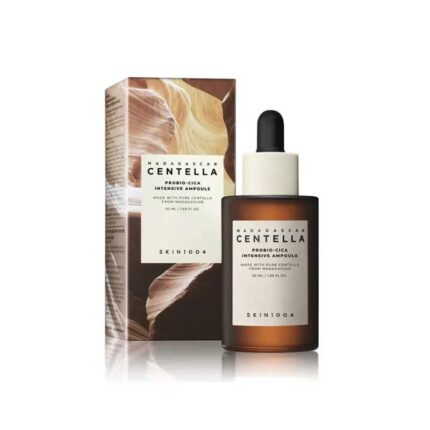 Sale
SaleOriginal price was: ৳ 3,360.00.৳ 2,352.00Current price is: ৳ 2,352.00.
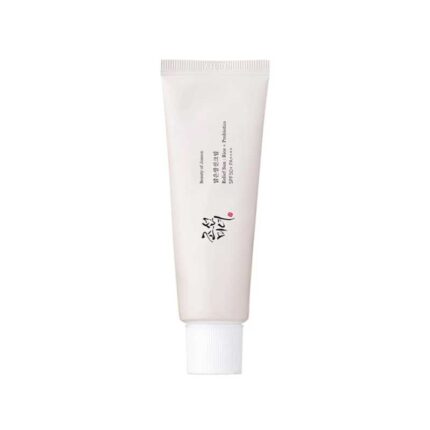 Sale
SaleOriginal price was: ৳ 2,100.00.৳ 1,470.00Current price is: ৳ 1,470.00.
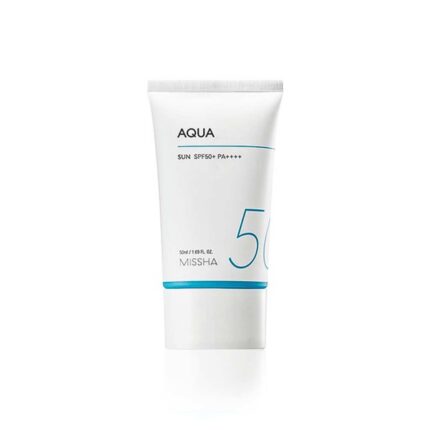 Sale
SaleOriginal price was: ৳ 1,350.00.৳ 890.00Current price is: ৳ 890.00.
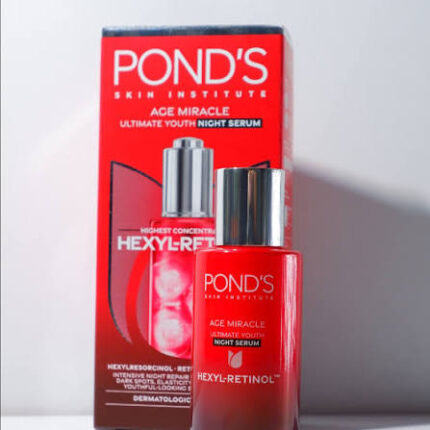 Sale
SaleOriginal price was: ৳ 2,000.00.৳ 1,950.00Current price is: ৳ 1,950.00.
How Kombucha Ferment is Made
Understanding the process helps shoppers evaluate product claims. Kombucha Ferment starts with steeped tea and sugar, to which a culture called SCOBY is added. The culture eats sugar and releases acids, tiny organic compounds, and metabolites into the tea.
When makers prepare an extract for skincare, they often pasteurize and filter the liquid to stabilize it for formulas. As a result, the final kombucha extract used in creams may differ from the beverage sold for drinking. That difference affects scent, activity, and shelf life.
Fermentation stages
First, the tea ferments for days to weeks under controlled temperatures. Then makers separate the liquid from the SCOBY and may dilute or concentrate the extract. Finally, the extract is tested and blended into skincare at set percentages.
What changes during fermentation?
Fermentation breaks down larger tea molecules into smaller ones. Because smaller molecules can sometimes penetrate the skin more readily, cosmetics brands favor fermented extracts. Research indicates fermentation also produces acids with mild exfoliating effects.
Kombucha Ferment in Skincare
Consumers now see Kombucha Ferment listed on many product labels from serums to masks. Brands often market it as a gentle, antioxidant-packed addition that can calm and renew skin. Because marketing varies, reading the full ingredient list helps spot supporting acids or humectants.
When combined with soothing components such as glycerin or aloe, kombucha can perform well in hydrating products. However, concentration and formulation determine whether you will notice visible effects. That is why product reviews and ingredient transparency matter.
Key Skin Benefits of Kombucha Ferment
Kombucha Ferment offers several plausible benefits based on its composition and related research. For example, fermented extracts carry antioxidants and acid byproducts that can protect skin from environmental stress. Studies show antioxidants from plant fermentation can reduce oxidative damage in lab settings.
Because kombucha includes organic acids and small peptides, it can help refine surface texture and support gentle exfoliation. As a result, skin may look brighter and makeup can apply more smoothly. Still, results depend on product formulation and usage frequency.
Antioxidant and detox effects
Research indicates fermented tea contains antioxidants that neutralize free radicals. That antioxidant action can reduce signs of oxidative stress, which affects skin aging. For shoppers, Kombucha Ferment is often promoted as a detox antioxidant compound that supports skin resilience.
Because the term detox can be vague in cosmetics, remember that detox antioxidant compound refers to antioxidant activity rather than systemic detox. Still, antioxidant protection is a meaningful benefit for daily skincare.
Gentle exfoliation and acid balance
Organic acids that form during fermentation offer mild exfoliation. Those acids can loosen dead skin cells and promote cell turnover. When formulated at low pH, Kombucha Ferment can contribute to smoother texture without harsh peeling effects.
Hydration and skin barrier support
Some fermentation byproducts act as humectants, helping skin retain moisture. Combined with other moisturizing ingredients, Kombucha Ferment can improve skin comfort and reduce tightness. Dermatologists recommend pairing humectants with occlusives to lock in hydration for best results.
How to Use Kombucha Ferment in Your Routine
Start slowly when you introduce new active ingredients to avoid irritation. Apply a small amount of a product with Kombucha Ferment to a test area for several days. If no redness or itching appears, you can add it to your routine gradually.
When layering, apply water-based kombucha serums before oils or creams. That order helps active molecules reach the skin more effectively. Also, use sun protection daily because mild acids can raise sun sensitivity in some people.
Choosing product types
Serums often deliver higher concentrations of Kombucha Ferment for targeted effects. Meanwhile, cleansers and masks supply a temporary boost and can be suitable for trial runs. For daily maintenance, lightweight moisturizers with the extract are easy to use.
Patch testing and frequency
Because individual sensitivity varies, patch testing helps find tolerable frequency and concentration. Apply a small amount behind the ear for three days and check for reactions. If tolerated, start with every other day and move to daily use as tolerated.
Safety, Side Effects, and Who Should Be Cautious
Overall, Kombucha Ferment tends to be gentle when formulated correctly. Yet people with active eczema or very sensitive skin should exercise caution. Because fermentation can produce acids and minute alcohol traces, those factors may trigger irritation in reactive skin types.
Pregnant or breastfeeding shoppers should consult a healthcare provider before using products with high acid content. That advice stems from general skincare guidance rather than kombucha-specific evidence. For safe practice, choose low-concentration products if you have concerns.
Science and Evidence Behind Kombucha Ferment
Research on fermented botanical extracts suggests antioxidant and mild exfoliating properties. Studies show fermentation can increase the availability of antioxidant compounds in tea. That finding supports the use of fermented tea derivatives in skincare formulations.
Dermatologists recommend ingredients backed by peer-reviewed work and clinical testing. While direct clinical trials on Kombucha Ferment in humans are limited, existing data on fermented plant extracts provide a plausible basis for benefits. As a result, more clinical studies would strengthen specific claims.
Comparing Kombucha Ferment to Other Fermented Ingredients
Fermented rice, soy, and tea extracts share similar properties such as antioxidant and humectant activity. Kombucha Ferment often differs in aroma and acid profile because of the tea base and specific cultures used. For that reason, formulation choice matters more than labeling alone.
When choosing a product, check for complementary ingredients that address your skin concerns. For example, a kombucha serum paired with niacinamide targets both barrier support and tone. That combination can enhance visible results without increasing irritation risk.
DIY Kombucha Ferment for Skincare: What to Know
Some people consider making kombucha at home for personal skincare experiments. While home fermentation yields active compounds, uncontrolled brewing can produce contaminants. That safety risk means DIY extracts require careful hygiene and testing.
For example, brews left at warm temperatures can grow unwanted microbes that irritate skin. Because of that possibility, most skincare professionals recommend using commercially prepared kombucha extracts. Those products undergo testing and standardization for topical use.
How Brands Formulate with Kombucha Ferment
Manufacturers often blend Kombucha Ferment with soothing agents and preservatives to enhance performance and safety. They may pair it with humectants like glycerin to balance potential dryness. That formulation approach helps keep skin calm while delivering antioxidant benefits.
Regulatory testing ensures topical extracts meet stability and safety standards. When brands publish stability or clinical data, shoppers gain insight into expected results. This transparency helps differentiate products that rely on marketing from those with tested outcomes.
Reading Labels: What to Look For
Look for the placement of Kombucha Ferment in the ingredient list to estimate concentration. Ingredients are listed by descending weight, so earlier placement often means higher concentration. That rule offers a simple way to compare product strength across options.
Also check for supportive actives like peptides, ceramides, or niacinamide that can amplify benefits. Since formulations matter, a balanced ingredient list often yields better results than a single highlighted extract. That is why many experts advise seeking complete formulas rather than one-hit wonders.
Real-World User Tips
When trying a new kombucha product, monitor skin changes over four to six weeks. Skin renewal cycles take time, and subtle improvements may appear gradually. Keep a simple log to track dryness, redness, texture, and overall comfort.
For combination skin, use a lightweight kombucha serum at night and a gentle moisturizer in the morning. That routine can provide antioxidant support without overloading oilier areas. Adjust frequency based on how your skin responds to the acids present.
Questions to Ask Before Buying
Ask whether the brand tests stability and activity for its Kombucha Ferment. Stability testing reduces the chance of degraded or ineffective extracts. Also inquire about the source tea and culture, since origins influence aroma and acid profile.
Request clinical data or user trials if available to validate claims. Brands that invest in research often explain the testing parameters and outcomes. That kind of transparency builds trust and helps you make an informed purchase.
Cost and Value Considerations
Products with well-formulated Kombucha Ferment can range from affordable to premium price points. Price often reflects brand testing, ingredient sourcing, and packaging quality. For many shoppers, mid-range options provide good value when they combine proven supportive ingredients.
When comparing cost, consider concentration and product type. A small, concentrated serum may cost more per ounce but deliver a longer-term benefit. That fact means price alone does not determine effectiveness.
Storage and Shelf Life
Keep kombucha-containing products sealed and stored away from direct sunlight. Heat and light can degrade active molecules over time. Because some fermented extracts contain sensitive compounds, refrigeration can extend potency for certain products.
Check product labels for recommended storage and expiry information. Brands that recommend cold storage typically use less-stable actives. Following those instructions helps you get the full benefit of the Kombucha Ferment.
Pairing Kombucha Ferment with Other Actives
Kombucha Ferment plays well with hydrators and barrier-supporting components. For example, pairing it with ceramides and glycerin helps maintain moisture while delivering antioxidants. That balanced approach reduces the chance of irritation from acids.
When combining with stronger actives like retinoids or high-strength acids, stagger application to minimize sensitivity. Use kombucha at night and strong acids on alternate nights when trying a new routine. That strategy reduces cumulative irritation risk.
Sustainability and Sourcing
Many brands emphasize sustainable tea sourcing and ethical fermentation practices. Choosing products that disclose sourcing supports better supply chains. As a result, consumers can align purchases with environmental and ethical preferences.
Because SCOBY cultures are renewable, fermentation itself can be low impact. Still, packaging and transport influence overall product footprint. Look for recyclable packaging and clear sustainability statements when this matters to you.
Consumer Reviews and What They Reveal
User reviews often highlight texture, scent, and tolerance more than clinical outcomes. Reviews commonly note whether Kombucha Ferment adds a pleasant or fermented scent to the product. That feedback helps set realistic expectations for first-time users.
Pay attention to repeated comments about irritation or visible benefits because patterns matter more than single comments. When many users with similar skin types report the same result, the trend is meaningful. Use those aggregated impressions to guide your choice.
Regulatory and Labeling Notes
Ingredient naming conventions can vary, and some labels list kombucha as fermented tea extract or a similar term. Knowing alternate names helps you find products that include the ingredient. If in doubt, check with the brand for precise ingredient sourcing.
Manufacturers must comply with cosmetic regulations in their market, which often require safety assessments. That oversight reduces the likelihood of harmful contaminants in products with Kombucha Ferment. Consumers benefit from brands that provide clear testing information.
Myths and Facts
One myth claims kombucha applied topically will detox the whole body. That claim overstates topical effects because skin applications act locally. The factual point is topical kombucha supports skin antioxidant defenses rather than full-body detoxification.
Another misconception is that all kombucha extracts are identical. In truth, ferment conditions and tea type create distinct profiles. Thus, two products listing Kombucha Ferment may offer different results due to formulation differences.
When to See a Professional
If you experience persistent irritation after trying products with Kombucha Ferment, consult a dermatologist. A skin professional can test for specific sensitivities and recommend alternatives. That step ensures you continue a safe and effective routine.
For chronic conditions like rosacea or severe eczema, seek medical advice before adding fermented actives. Because inflammatory skin conditions react differently, a tailored plan helps avoid worsening symptoms. A clinician can suggest suitable formulations and schedules.
Frequently Asked Questions
Is Kombucha Ferment safe for sensitive skin?
Many people with sensitive skin tolerate low-concentration kombucha formulas. Still, patch testing is recommended because fermentation produces acids that may irritate reactive skin. If irritation occurs, stop use and consult a dermatologist.
Can Kombucha Ferment brighten dark spots?
Kombucha Ferment can support gentle exfoliation and antioxidant action, which may help even skin tone over time. However, stronger actives like targeted brightening ingredients often produce faster results. Combining ingredients under guidance often yields the best outcome.
Does Kombucha Ferment replace a moisturizer?
Most kombucha serums act as treatment layers rather than full moisturizers. You should follow with a suitable moisturizer to lock in hydration. For dry skin, choose a richer cream after applying the kombucha product.
Can I make Kombucha Ferment at home for skincare?
Home-brewed kombucha contains active compounds but also carries contamination risks if not handled properly. For topical use, commercially prepared extracts that undergo safety testing are generally a safer choice. If you experiment at home, prioritize cleanliness and patch testing.
Final Thoughts
The single most important takeaway is that Kombucha Ferment can be a useful antioxidant and mild exfoliant when formulated and used correctly. For practical recommendation, start with a low-concentration product, patch test, and pair the extract with moisturizing and barrier-supporting ingredients. That approach offers the best chance to enjoy benefits while limiting irritation.