
Lactococcus Ferment Lysate: Skin Benefits Explained

Many shoppers feel uncertain about new skincare ingredients and worry about irritation. Lactococcus Ferment Lysate has appeared on many labels and in social conversations. This guide explains what it does and how it may help your skin.
What is Lactococcus Ferment Lysate?
Lactococcus Ferment Lysate is a broken-down extract from Lactococcus bacteria used in topical products. Studies show bacterial lysates can deliver peptides and metabolites that help skin function. Dermatologists recommend gentle lysates for those seeking microbial balance without live bacteria.
Recommended Products
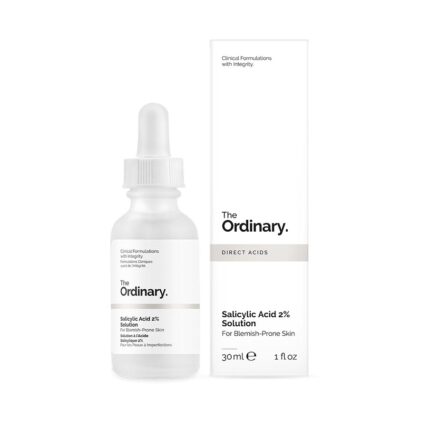 Sale
SaleOriginal price was: ৳ 2,000.00.৳ 1,490.00Current price is: ৳ 1,490.00.
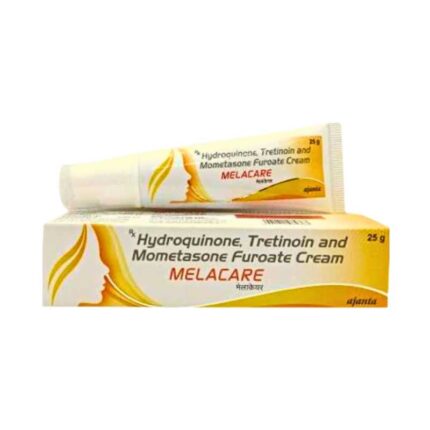
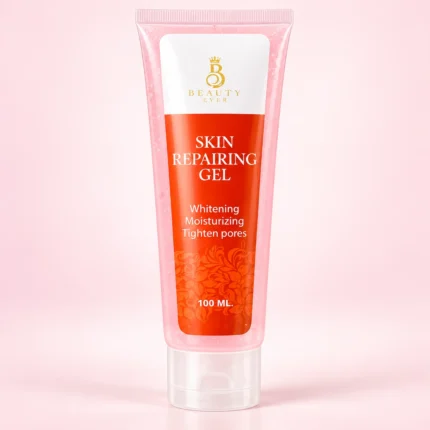
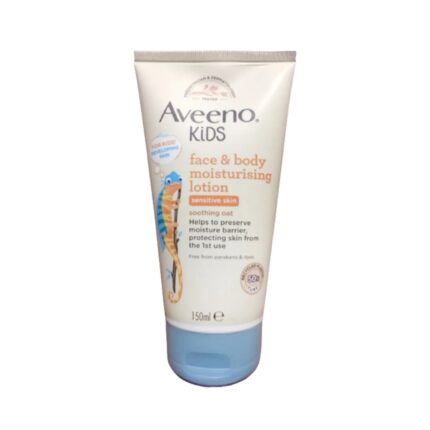 Sale
SaleOriginal price was: ৳ 1,750.00.৳ 1,349.00Current price is: ৳ 1,349.00.
How Lactococcus Ferment Lysate works on skin
When applied topically, Lactococcus Ferment Lysate delivers small molecules that interact with skin cells. Research indicates these molecules can support barrier repair and calm inflammation. Because the preparation contains cell fragments, it triggers signaling rather than infection.
As a result, the skin may respond with improved hydration and a more even texture. Studies show that microbiome-friendly compounds help skin resist irritation from environmental stress. This means many users see gradual improvement with regular use.
Key benefits for skin health
One major benefit is barrier support from Lactococcus Ferment Lysate. Research indicates barrier repair reduces moisture loss and sensitivity over time. For example, users often report less redness and better tolerance for actives.
Another benefit is hydration. When the barrier tightens, water stays in the skin more easily. Because hydration improves overall radiance, many people notice smoother texture and fewer dry patches.
Finally, this ingredient can act as a microbiome support compound by encouraging balance. Studies show balanced skin microbes often mean fewer flares of irritation. For many, this translates to calmer, clearer skin.
Is Lactococcus Ferment Lysate a probiotic skincare ingredient?
Strictly speaking, Lactococcus Ferment Lysate is not a live probiotic. Instead, it is a lysate that comes from probiotic bacteria. That is why some brands call it a probiotic skincare ingredient, since it provides similar benefits without living organisms.
When used in formulations, the lysate can provide signaling molecules and metabolites. Research indicates these signals can mimic the positive effects of live microbes on skin balance. Because of that, people seeking microbiome care often try products with lysates.
Common uses in products
Manufacturers add Lactococcus Ferment Lysate to serums, creams, and toners. Dermatologists recommend using it alongside gentle cleansers and sunscreens. Studies show layering lysates under moisturizers can boost barrier benefits.
Many people choose products with the ingredient for daily maintenance. While actives like retinoids can improve aging signs, lysates help the skin tolerate them better. This means you may use stronger actives with less irritation when you include a lysate in your routine.
How to read labels and concentrations
Labels rarely list exact percentages for Lactococcus Ferment Lysate. Because it often appears in complex blends, concentration can vary widely. Research indicates product performance depends on formulation and supporting ingredients.
When shopping, look for product claims about barrier support or microbiome balance. That is why ingredient order and company transparency matter. If a brand shares clinical testing or user data, that can be a useful trust signal.
Safety and side effects
Most people tolerate Lactococcus Ferment Lysate well. However, skin can react to any new ingredient, so patch testing is wise. Dermatologists recommend patch tests for sensitive or reactive skin types.
Although adverse events are rare, ingredients paired with the lysate can cause irritation. For example, fragrances or strong alcohols sometimes provoke reactions. This means choosing simple, supportive formulas reduces risk.
How to introduce Lactococcus Ferment Lysate into your routine
Start slowly by adding one product with Lactococcus Ferment Lysate at a time. If you use strong actives, apply the lysate product on alternate nights at first. Studies show gradual introduction lowers the chance of irritation.
When you see no redness or itching after two weeks, increase use. Many people end up using lysate-containing products twice daily for best maintenance. Because results build over time, consistent use matters more than quick changes.
Who benefits most from this ingredient?
People with dry, sensitive, or reactive skin often benefit from Lactococcus Ferment Lysate. That is because the ingredient targets barrier repair and calming. Studies show those with compromised barriers tend to gain the most visible relief.
Younger skin may use it for prevention, while mature skin finds support for texture and resilience. For acne-prone skin, lysates can help reduce irritation from treatments. That is why clinicians sometimes recommend lysates alongside acne therapies.
Pairing with other active ingredients
Many formulas combine Lactococcus Ferment Lysate with ceramides or hyaluronic acid. Because these ingredients all support the barrier, they work in harmony. Research indicates combined approaches often improve hydration faster.
When you use exfoliating acids or retinoids, pairing with a lysate can reduce downtime. As a result, users can pursue anti-aging goals with fewer setbacks. Still, monitor your skin and adjust frequency if irritation appears.
Comparing to live probiotics and postbiotics
Live probiotics are living organisms applied to the skin. Lactococcus Ferment Lysate is not living; it is more like a postbiotic. Research indicates postbiotics can offer many of the benefits of live strains without the storage concerns.
For example, live probiotics can require cold storage for potency, while lysates remain stable at room temperature. Because of that, lysates often appear in mass-market skincare. This makes them accessible to many shoppers.
What research says about effectiveness
Studies show lysates and postbiotics can enhance barrier function and reduce inflammation. Dermatologists reference data when they decide which topical tools to recommend. This means clinical support exists, although more research continues to appear.
Because ingredients and formulas vary, outcomes differ from product to product. Research indicates that well-formulated products deliver the clearest benefits. That is why clinical trials or peer-reviewed studies add credibility.
Buying tips and what to expect
Look for products that state the ingredient name clearly on the label. Brands that explain how they source and process Lactococcus Ferment Lysate earn more trust. Studies show transparent brands more often publish supportive data.
Expect gradual improvement rather than instant fixes. For many people, barrier repair and reduced sensitivity appear within weeks. If your skin worsens, stop using the product and consult a clinician.
Cost and value considerations
Products with Lactococcus Ferment Lysate can range from affordable to premium. Because formulation quality matters, the higher price sometimes reflects better research or supporting actives. Consumers should weigh ingredient lists more than brand names alone.
When a product pairs the lysate with proven barrier-restoring ingredients, value increases. For example, combining it with ceramides and humectants often gives faster results. That is why comparing full ingredient lists makes sense when shopping.
Environmental and ethical notes
Brands often produce Lactococcus Ferment Lysate through controlled fermentation. Research indicates fermentation methods can be low-impact when managed responsibly. Many brands now state ethical sourcing or sustainable practices on labels.
If sustainability matters to you, check for company statements about waste, energy use, or lab practices. Because transparency varies, asking questions can help you find brands that match your values. This means shoppers can align purchases with broader priorities.
DIY and home use considerations
Creating Lactococcus Ferment Lysate at home is not recommended. The process requires precise fermentation and safe lab handling. Because contamination risks exist, home preparations may harm skin or health.
Instead, choose reputable commercial products that list manufacturing details. Research indicates controlled production ensures consistent quality and safety. That is why most clinicians advise against DIY lysates.
Product examples and formats
You will find Lactococcus Ferment Lysate in serums, creams, masks, and essences. Each format delivers the ingredient differently depending on carrier and pH. Studies show serums often deliver higher concentrations, while creams can boost barrier lipids.
Because of that, your choice should match your routine and needs. If you want targeted repair, a serum may work best. If you need daily maintenance, a cream with complementary lipids can be more practical.
How long before you see results?
Most users notice subtle changes within two to four weeks of regular use. For clearer shifts in texture and tolerance, allow six to twelve weeks. Research indicates barrier repair is gradual and benefits grow with consistent care.
Because individual responses differ, track how your skin reacts over time. That means keeping a simple photo log or notes can help you judge whether a product suits you. If no improvement appears by twelve weeks, consider consulting a dermatologist.
Tips for sensitive or reactive skin
Patch testing is a simple first step for sensitive skin. Apply a small amount behind the ear or on the inner forearm for two days. If no reaction appears, you can proceed to facial use cautiously.
When you pair Lactococcus Ferment Lysate with other gentle ingredients, outcomes often improve. For example, combining with niacinamide and mild emollients tends to soothe quickly. Because irritation may come from other formula parts, choose low-irritant products.
Regulatory and labeling basics
Cosmetic regulations vary by country and region. Brands must comply with local rules about safety and claims. Research indicates credible brands follow regulatory guidance and often publish safety testing summaries.
When reading labels, know that “lysate” indicates broken-down cells rather than live cultures. This means the product fits in the cosmetic category for many regulators. That is why you will see it marketed like other topical actives.
Comparing to other barrier ingredients
Ceramides, fatty acids, and cholesterol work directly as barrier lipids. Lactococcus Ferment Lysate works more through signaling and metabolites. Studies show combining signaling compounds with lipids often gives better barrier repair than either alone.
As a result, look for products that include both. When brands pair lysates with barrier lipids, they often achieve faster hydration and resilience. That means you can get practical results by choosing complementary formulations.
Consumer questions about safety during pregnancy
Most topical lysates are considered low risk during pregnancy. However, safety data for any ingredient in pregnancy can be limited. Dermatologists advise checking with your clinician before starting new regimens while pregnant.
Because Lactococcus Ferment Lysate is non-live and acts topically, many providers view it as low concern. Still, personal medical advice should guide final choices. That is why communication with a care provider matters.
Storage and shelf life
Products with Lactococcus Ferment Lysate usually remain stable at normal room temperatures. Unlike live probiotics, lysates do not require refrigeration. Research indicates packaging that limits light and air exposure helps maintain potency.
Therefore, store products in a cool, dry place and use them within the manufacturer’s recommended timeframe. When you notice changes in smell or texture, stop use and discard. This helps avoid irritation from degraded formulas.
How brands test and prove claims
Clinical testing, patch tests, and consumer use studies are common ways brands support claims. Studies show products with clear testing statements offer better transparency. This means brands that publish method details earn extra credibility.
When a company conducts randomized, controlled trials, their claims carry more weight. For general formulations, consumer use studies can still provide useful insight. That is why reading testing notes helps you pick evidence-backed options.
Signs a product is working
Look for reduced redness, less flaking, and smoother texture after consistent use. Many users also note improved tolerance to other actives. Because barrier repair affects many skin functions, small early changes often lead to larger gains.
If irritation appears or acne flares, reassess your routine components. Sometimes reactions come from other ingredients rather than the lysate itself. That is why simplifying your routine can clarify what helps or harms.
Long-term use and maintenance
Using Lactococcus Ferment Lysate as an ongoing maintenance tool is common. Many people keep a lysate product in their daily routine once the skin stabilizes. Research indicates regular barrier support reduces the chance of future flare-ups.
When you stop using supportive products, skin may slowly revert if underlying issues persist. Because of that, maintaining a gentle routine often keeps long-term gains. This means you can plan for continued use as part of healthy skin habits.
Alternatives if you cannot tolerate it
If Lactococcus Ferment Lysate causes issues, other barrier-focused ingredients exist. Ceramides, panthenol, and hyaluronic acid offer calming and hydration effects. Research indicates many people respond well to these classic barrier builders.
When switching, phase out the lysate slowly and introduce the new product one item at a time. That approach helps identify which ingredient best suits you. Clinicians often recommend this stepwise method for reactive skin.
Frequently Asked Questions
Is Lactococcus Ferment Lysate safe for all skin types?
Most skin types tolerate Lactococcus Ferment Lysate well, including sensitive skin. However, individual reactions can occur, so patch testing is recommended. If irritation appears, stop using the product and consult a clinician.
Can I use it with retinol or acids?
Yes, many people pair Lactococcus Ferment Lysate with retinol or acids to reduce irritation. Start slowly and apply lysate products on alternate nights at first. If tolerance is good, you can increase combined use cautiously.
How soon will I see results?
Some users notice subtle improvements within two to four weeks of regular use. For clearer changes in texture and barrier strength, expect six to twelve weeks. Consistent use yields the best outcomes.
Does it replace live probiotics in skincare?
No, Lactococcus Ferment Lysate does not replace live probiotics, but it can offer similar benefits. It acts through metabolites and signaling instead of live colonization. For many, this provides a practical, stable alternative.
Final Thoughts
The single most important takeaway is that Lactococcus Ferment Lysate can support the skin barrier and reduce sensitivity when used consistently. For shoppers seeking a microbiome-friendly, non-live option, this ingredient acts as a practical microbiome support compound. Try a well-formulated product, start slowly, and keep using the ingredient as part of a gentle routine for best results.