
Cysteamine Skin Guide

Many people chase clearer, more even skin and wonder which actives work best. Cysteamine appears on labels as a targeted choice that treats pigmentation and uneven tone. This guide explains what cysteamine does and how to use it safely.
What is Cysteamine?
Cysteamine is a small, naturally occurring molecule used in topical skincare to reduce hyperpigmentation. Researchers began studying it because the compound can interfere with melanin formation, the pigment that darkens skin. Studies show cysteamine can offer an alternative to older treatments for stubborn dark spots.
Because cysteamine has a simple structure, formulators can add it to creams and serums in stable forms. Dermatologists recommend testing new actives on a small skin area to check tolerance. That approach limits unexpected irritation when starting any new topical ingredient.
Recommended Products
 Sale
SaleOriginal price was: ৳ 850.00.৳ 520.00Current price is: ৳ 520.00.
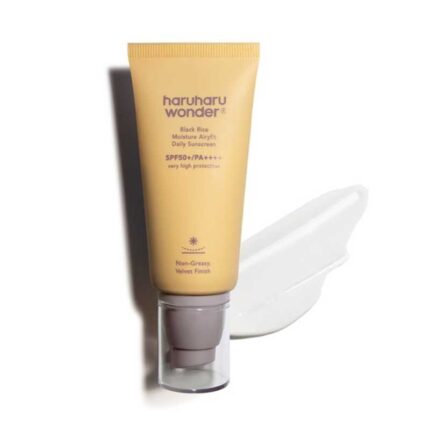 Sale
SaleOriginal price was: ৳ 2,040.00.৳ 1,428.00Current price is: ৳ 1,428.00.
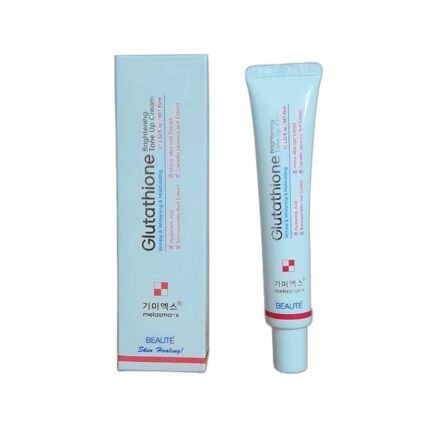 Sale
SaleOriginal price was: ৳ 1,250.00.৳ 950.00Current price is: ৳ 950.00.

৳ 1,100.00
How Cysteamine Works on Pigmentation
When skin darkens, melanocytes produce melanin and transfer it to surrounding cells called keratinocytes. Cysteamine works by interrupting key steps in melanin synthesis, changing how pigment forms and spreads. Research indicates this effect can reduce the visible intensity of dark patches over time.
For example, cysteamine acts chemically on reactive intermediates that lead to melanin. This means the skin may make less of the deep brown pigment that shows as spots. Because it targets pigment formation differently from some other actives, cysteamine fits well into regimens aimed at fading persistent discoloration.
Cysteamine as a pigmentation treatment ingredient
Cysteamine often appears described as a pigmentation treatment ingredient in product labels and clinical summaries. Studies show formulations with cysteamine deliver measurable lightening for some types of hyperpigmentation. Dermatologists watch findings from these trials to advise patients on safe, effective options.
While some ingredients block pigment at one step, cysteamine offers a distinct chemical route to reduce melanin. That makes it useful for people who did not respond fully to other topicals. For this reason, many clinicians consider it part of a second-line or adjunctive approach for stubborn spots.
Benefits and Risks of Cysteamine
Cysteamine can fade dark spots, reduce uneven tone, and improve the appearance of aging skin when used consistently. Studies show users may see changes over weeks to months, depending on condition severity and product strength. That said, outcomes vary by skin type and the nature of pigmentation.
However, cysteamine can cause mild irritation, redness, or sensitivity for some people, especially at higher concentrations. Dermatologists recommend starting with a lower strength and increasing use only with good tolerance. This stepwise method helps reduce flares and preserves skin barrier health.
Because some people worry about long-term effects, clinical reports emphasize monitoring. Research indicates topical cysteamine does not carry the same systemic concerns as oral forms, but patch testing is still prudent for sensitive skin. As a result, safe use habits matter for any promising active.
Using Cysteamine Safely
When you add cysteamine, choose a formulation that matches your skin type and needs. For many users, creams and serums offer straightforward application and stable dosing. That practical choice makes daily use simpler and reduces mistakes from mixing actives at home.
When starting, follow label directions and apply sunscreen during the day. Because cysteamine reduces pigment formation, sun exposure can counteract its effects and increase irritation. That is why pairing any pigment-targeting treatment with consistent sun protection matters.
Concentration and formulations
Products come in a range of cysteamine concentrations to suit varying tolerances and goals. Lower concentrations reduce irritation risk while still providing benefit for mild discoloration. For tougher pigment, clinicians sometimes recommend higher strengths under supervision.
Still, potency does not guarantee faster results for every person, and stronger formulas raise the chance of side effects. Research and clinical experience both suggest starting conservatively, then adjusting based on response and comfort. That strategy preserves skin health while testing effectiveness.
Frequency and layering
Begin with a short contact routine, applying cysteamine once daily or every other day. If skin reacts well, increase to twice daily where the product allows that frequency. This gradual approach helps the skin adapt and avoids unnecessary irritation.
When layering with other actives, proceed carefully and avoid combining highly irritating ingredients on the same day. For example, strong acids and retinoids can raise sensitivity when used together with cysteamine. Instead, alternate such treatments or separate them by time of day to lower risk.
Side effects to watch
Common side effects include mild stinging, redness, or temporary flaking as the skin adjusts. If you notice intense burning, swelling, or persistent discomfort, stop use and consult a dermatologist. Severe reactions are uncommon but require prompt attention.
Because cysteamine may make skin more photosensitive in some people, reapply broad-spectrum sunscreen each morning. That measure reduces the harm from UV exposure and enhances treatment results. For pregnant or breastfeeding people, discuss any new topical with a clinician first.
Comparing Cysteamine to Other Ingredients
Cysteamine competes with several well-known pigment-reducing actives, including hydroquinone, vitamin C, and azelaic acid. Studies show each ingredient works differently, and no single active fits every case. Choice depends on the pigmentation type, skin sensitivity, and past responses to therapy.
Hydroquinone blocks melanin formation early in the pathway and remains a strong clinical option. Yet some people seek alternatives due to safety concerns or regulatory limits in certain markets. Cysteamine offers a different mechanism and may suit people who prefer non-hydroquinone routes.
Vitamin C acts as an antioxidant and reduces pigment formation while brightening skin overall. Azelaic acid reduces inflammation and inhibits melanin synthesis, often with good tolerance. For melasma specifically, clinicians may combine actives in layered care plans for better control over complex pigmentation.
Cysteamine as a melasma reducing compound
Melasma causes symmetric patches of darker skin, often on the face, and it can resist single-agent treatments. Research indicates cysteamine can be effective for melasma when part of a structured treatment plan. Dermatologists sometimes recommend combining it with sun protection and supportive actives.
Because melasma often recurs, long-term maintenance matters. Studies show multi-modal care yields the best results for many people. This means patients may continue low-dose topical therapy and strict sun protection to keep improvements stable.
How to Choose Products with Cysteamine
Check product labels for cysteamine content and recommended concentration. Many brands state the percent of active on the label or in product literature, which helps you compare options. That transparency supports informed choices and practical expectations about strength.
When you shop, prefer formulas from reputable manufacturers and look for stability claims. Cysteamine can oxidize over time, so packaging that limits air exposure helps preserve potency. For this reason, pumps or dark glass containers can be better than jars in some cases.
Because fragrance and harsh preservatives can increase irritation, choose a formulation with minimal irritants if you have sensitive skin. Clinician-grade products may include supportive ingredients to protect the barrier while the active works. As a result, select items based on both active level and overall formula quality.
How to Use Cysteamine with Other Treatments
When combining cysteamine with other topical actives, plan a balanced routine to avoid overloading the skin. For instance, alternate days of strong exfoliants and cysteamine if both are part of your regimen. That tactic reduces the chance of inflammation while preserving each ingredient’s effectiveness.
For those on prescription therapies, consult a dermatologist before adding cysteamine. Clinics often recommend professional guidance for layered therapy, especially when treating complex pigment like melasma. This collaborative approach improves safety and keeps expectations realistic.
Research and Evidence
Studies show topical cysteamine can reduce various types of hyperpigmentation in controlled trials. Research indicates that outcomes depend on concentration, formulation, and consistent use. Dermatologists watch ongoing studies to refine recommendations for different patient groups.
Because some trials compare cysteamine to established treatments, the data helps clinicians pick suitable options. For example, research that tests cysteamine versus standard agents shows it can be similarly effective for certain pigments. While more long-term data would clarify maintenance strategies, current evidence supports its use in many cases.
Real-World Use and Consumer Experience
Many shoppers report visible improvements after weeks of daily use, though responses vary. User reviews often praise decline in spot intensity and improved overall tone. Yet some also mention temporary irritation, which reinforces the value of slow introduction and sunscreen use.
Because results differ by skin type and the cause of pigmentation, set realistic timelines and monitor progress. That means take photos under consistent light and assess changes over several weeks. This record helps you judge effectiveness and decide whether to continue or modify treatment.
Choosing a Routine — Examples
For beginners, a simple routine could include a gentle cleanser, a low-concentration cysteamine serum at night, and sunscreen each morning. This minimal approach reduces confounding factors and shows whether cysteamine alone helps. That clear baseline makes it easier to add other actives later if needed.
For more advanced users, a dermatologist may prescribe a regimen combining cysteamine with mild retinoids or supportive antioxidants. When professionals design such plans, they often space actives to lower irritation risk. That careful spacing preserves tolerance while enhancing benefit.
Price, Availability, and Regulation
In some markets, cysteamine products appear through prescription channels, while in others they are sold over the counter. Availability varies because regulation differs by country and product claims. As a result, price and access depend on where you live and whether a clinician supervises treatment.
When a product seems unusually cheap, inspect the ingredient list and packaging quality. Low cost sometimes signals lower active concentration or poor formulation. Choosing a reliable product may cost more but can save time and reduce the risk of irritation or disappointment.
Expert Tips from Dermatologists
Dermatologists advise patience and consistent sun protection when using any pigment-targeting ingredient. That practical advice applies strongly to cysteamine. Studies show consistent UV protection supports better and longer-lasting pigment control.
Clinicians also recommend patch testing and stepwise introduction of new actives. That method minimizes flare-ups and helps identify the cause of any reaction. If you experience severe irritation, seek professional guidance rather than continuing treatment.
Skin Types and Suitability
People with darker skin tones often seek effective options that carry lower risk of paradoxical pigmentation. Research and clinical experience indicate cysteamine can suit multiple skin types when used carefully. However, supervising a new strong active in darker skin often reduces the risk of treatment-related complications.
For sensitive or reactive skin, start with lower concentration and shorter contact time. Monitor for signs of irritation and adjust accordingly. That cautious path increases the chance of sustained benefit while keeping skin health intact.
Storage and Stability
Store cysteamine products according to label directions, usually in a cool, dark place. Because cysteamine can oxidize, limit exposure to air and heat for best results. Packaging choices by manufacturers reflect this need, and proper storage preserves product performance.
If a product changes smell or color, stop use and check expiration. Oxidation can reduce effectiveness and may raise irritation risk. This simple check helps maintain safety and ensures you get the expected benefit from therapy.
Frequently Asked Questions
Is cysteamine safe for daily use?
Many people tolerate daily topical cysteamine well when they start with a suitable concentration. Dermatologists recommend beginning slowly and watching for irritation. If skin reacts badly, stop use and consult a clinician.
How long until I see results with cysteamine?
Results vary by skin type and pigmentation, but many users report changes within several weeks of consistent use. Studies show gradual fading rather than overnight changes. For stubborn pigment, expect continued improvement over months.
Can I use cysteamine with sunscreen and other actives?
Yes, always pair pigment treatments with broad-spectrum sunscreen during the day. For other actives, space strong exfoliants or retinoids to lower irritation risk. A dermatologist can help design a compatible routine.
Is cysteamine better than hydroquinone?
Both ingredients can reduce pigment, but they work differently and suit different needs. Studies compare them in some cases, with variable results. A clinician can advise which is best for your pigmentation type and skin sensitivity.
Final Thoughts
Cysteamine offers a validated route to reduce dark spots while fitting into balanced skincare routines. For most users, careful introduction, consistent sunscreen use, and attention to formulation quality yield the best outcomes. Try a moderate-strength product, monitor your skin, and consult a dermatologist if needed for tailored advice on cysteamine use.