
Phytic Acid: Natural Skincare & Health Guide

Struggling with dull skin, uneven tone, or hair that reacts to too many acids? Phytic Acid can offer a gentle path to brighter skin and cellular protection while avoiding harsh irritation.
Because many shoppers want safe, natural options, this guide explains what Phytic Acid does, where it comes from, and how to use it wisely.
What is Phytic Acid?
Phytic Acid is a plant-derived molecule that occurs naturally in seeds, grains, and nuts. For example, rice, wheat, and legumes contain this compound and store phosphorus inside plant cells.
Studies show Phytic Acid acts as an antioxidant and a chelating acid compound, which means it binds metals and helps prevent unwanted chemical reactions. As a result, manufacturers use it for both food and skin care benefits.
Recommended Products
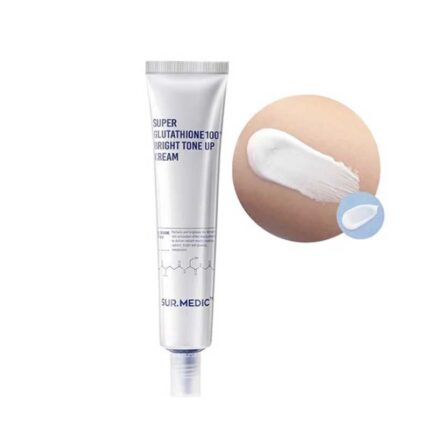 Sale
SaleOriginal price was: ৳ 1,900.00.৳ 1,480.00Current price is: ৳ 1,480.00.
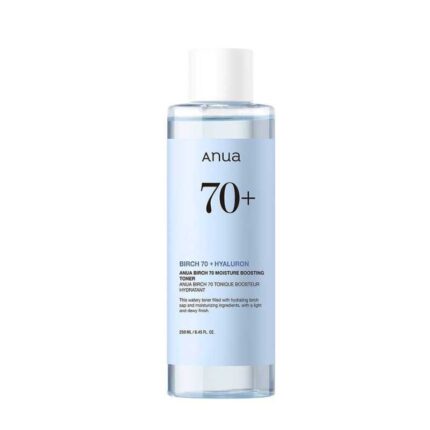 Sale
SaleOriginal price was: ৳ 2,920.00.৳ 2,044.00Current price is: ৳ 2,044.00.
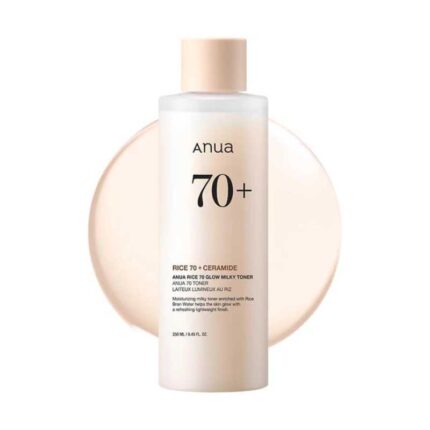 Sale
SaleOriginal price was: ৳ 3,380.00.৳ 2,366.00Current price is: ৳ 2,366.00.
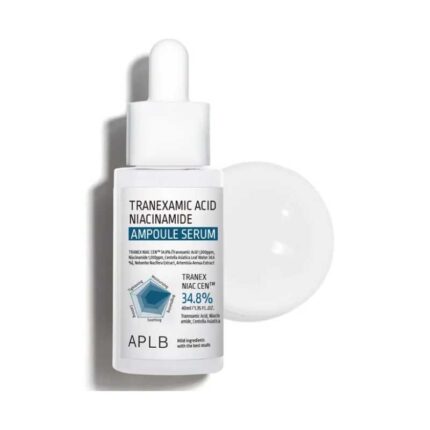 Sale
SaleOriginal price was: ৳ 1,300.00.৳ 910.00Current price is: ৳ 910.00.
How Phytic Acid Works
Phytic Acid binds to minerals such as iron and copper in a process called chelation. This chelating acid compound helps reduce free radical formation by limiting metal-driven oxidation.
When used on skin, Phytic Acid can gently exfoliate and reduce pigment formation by affecting melanin chemistry, without aggressive peeling. Research indicates this acid can be effective for mild brightening and balancing skin tone.
Phytic Acid Benefits for Skin
For many people, Phytic Acid provides brightening without the irritation caused by stronger acids. That is why sensitive skin types often prefer products that list Phytic Acid as an active ingredient.
Because it has antioxidant properties, Phytic Acid helps protect skin from environmental stressors that accelerate aging. Dermatologists recommend antioxidants to support skin barrier health as part of daily care.
Gentle Exfoliation
Phytic Acid loosens dead skin cells mildly, promoting a smoother surface over time. As a result, skin texture can improve without frequent redness or stinging.
Evening Skin Tone
When used consistently, Phytic Acid can reduce the look of dark spots and uneven pigmentation. This effect may take weeks to appear, and patience gives the best results.
Antioxidant Protection
Because Phytic Acid scavenges free radicals and binds metals, it reduces oxidative stress on cells. Studies show antioxidants play a key role in maintaining healthy skin function.
Phytic Acid in Product Formulations
Manufacturers add Phytic Acid to serums, toners, masks, and cleansers for multiple benefits. For example, toners may use Phytic Acid to balance pH and gently resurface skin after cleansing.
Because Phytic Acid is water-soluble, formulators often pair it with humectants and mild acids to enhance absorption and comfort. This approach helps deliver brightening benefits without a harsh sensation.
Concentration and pH
Product labels rarely show exact Phytic Acid percentages, but effective formulas use low to moderate levels to avoid irritation. That means many over-the-counter items keep concentrations mild for daily use.
Combination with Other Actives
Phytic Acid blends well with vitamin C, niacinamide, and hyaluronic acid in multi-step regimens. Still, patch testing is wise when combining multiple actives to prevent sensitivity.
Phytic Acid vs Other Acids
Compared with alpha hydroxy acids or retinoids, Phytic Acid tends to be gentler on skin. For instance, glycolic acid can strip oils and irritate sensitive skin, while Phytic Acid works with less inflammation.
That means people who find stronger exfoliants too reactive may prefer a Phytic Acid option. At the same time, those seeking rapid resurfacing will notice slower but steadier results.
Dietary Sources and Nutrition
Phytic Acid naturally occurs in whole grains, seeds, legumes, and nuts. For example, brown rice contains measurable amounts of this compound, which acts as a storage form of phosphorus for the plant.
Although often called an antinutrient because it can bind minerals, Phytic Acid also delivers antioxidant benefits when included in a varied diet. Research indicates moderate intake from whole foods is part of many healthy eating patterns.
Cooking, Soaking, and Reducing Antinutrient Effects
Traditional cooking methods change Phytic Acid levels in foods. For example, soaking, fermenting, and sprouting can reduce the compound’s ability to bind minerals, improving nutrient availability.
As a result, cultures that prepare grains and legumes with those methods minimize the antinutrient impact while keeping the plant-based benefits. This means home cooks can lower Phytic Acid activity without removing the food entirely.
Phytic Acid as a Rice Derived Antioxidant Ingredient
Many cosmetic brands highlight rice as a source of Phytic Acid, calling it a rice derived antioxidant ingredient. That phrasing emphasizes both natural origin and protective benefits.
Because rice-derived Phytic Acid tends to be gentle, formulators use it to appeal to shoppers seeking mild, natural actives. Research indicates plant-derived antioxidants can support skin health when applied consistently.
Safety, Sensitivity, and Side Effects
Most people tolerate Phytic Acid well, but any active can irritate when overused. For this reason, patch testing before widespread application helps identify individual sensitivity.
Because studies point to low irritation rates, Phytic Acid often fits into morning or evening routines. Still, people with very reactive skin should start slowly and watch for redness or stinging.
Interactions With Other Ingredients
Phytic Acid pairs safely with many common skincare ingredients, yet some combinations require care. For example, layering strong acids or retinoids may increase irritation risk when combined with daily Phytic Acid use.
That is why experts often recommend spacing potent actives across different days. As a result, the skin can receive benefits while recovering between treatments.
How to Choose Phytic Acid Products
Look for straightforward labels that list Phytic Acid near the top of the ingredient list when it is an active. For example, dedicated toners and serums often emphasize this acid in their marketing copy.
Because product form and complementary ingredients matter, favor items that include humectants and soothing agents. This approach helps support barrier health and reduces the risk of dryness.
Patch Test and Frequency
Always patch test a new product on the inner forearm for a few days before face use. If no irritation appears, introduce the product slowly over two weeks to monitor tolerance.
Picking Between Cleanser, Toner, or Serum
Phytic Acid cleansers offer brief contact, which suits very reactive skin, while serums give longer exposure for stronger brightening. However, daily toners with low concentrations balance benefits and comfort.
Applications Beyond Skincare
Phytic Acid finds roles in food preservation and metal treatment because of its chelating properties. For instance, it can help control discoloration in processed foods by binding trace metals.
Because the compound acts as a chelating acid compound, industries use it as an ingredient where gentle metal control helps stabilize formulations. This versatility makes Phytic Acid valuable in several fields.
Sourcing, Sustainability, and Rice-Derived Options
Many brands source Phytic Acid from rice bran and other agricultural byproducts to reduce waste. For example, rice bran offers a concentrated starting material that yields an effective cosmetic ingredient.
Because consumers care about sustainability, companies now highlight responsible sourcing and low-waste processing. That means shoppers can choose rice derived antioxidant ingredient options with transparent practices.
Phytic Acid for Different Skin Types
Dry skin types often benefit from low-concentration Phytic Acid used with moisturizing layers. That approach yields brightening without stripping natural oils.
Oily and acne-prone skin can use Phytic Acid toners to reduce excess shine while supporting texture. For those with combination skin, targeted application may help balance oily zones without over-drying the cheeks.
What to Expect After Starting Phytic Acid
Results with Phytic Acid appear gradually over weeks, not days. For this reason, shoppers should expect mild improvement in tone and texture after consistent use for several weeks.
Because the compound works gently, visible effects often begin as reduced dullness and smoother skin rather than dramatic peeling. That means patience and steady routine adherence pay off.
Common Myths and Misconceptions
One myth claims Phytic Acid removes nutrients from the body when eaten in any amount. In reality, normal dietary intake from whole foods rarely causes deficiencies for people with varied diets.
Another misconception says Phytic Acid is too weak to matter in skincare. Yet research indicates it can provide antioxidant and brightening effects when formulated properly, especially for sensitive skin.
Cost and Value Considerations
Products with Phytic Acid range from budget-friendly to high-end, depending on formulation and brand claims. For example, a simple toner with low concentration can cost less than a concentrated serum.
Because active synergy and formulation quality affect outcomes, price alone does not determine effectiveness. That means reading ingredient lists and trying samples can yield better value than chasing labels.
Phytic Acid and Hair Care Uses
Some conditioners and scalp treatments include Phytic Acid to reduce mineral buildup and protect hair from oxidative damage. That use takes advantage of the compound’s chelating acid compound properties.
While less common than skincare uses, Phytic Acid in hair care can help soften water-related residue and improve manageability. For those with hard water, occasional use may reduce dingy color and stiffness.
Label Terms and What They Mean
When you see “phytate” or “inositol hexaphosphate” on a label, the product contains forms related to Phytic Acid. These terms refer to closely related molecules used for their antioxidant or chelating roles.
Because botanical extracts can list Phytic Acid among many components, check the ingredient order to estimate potency. That approach helps shoppers find products with functional levels rather than trace amounts.
Regulatory and Safety Notes
Regulators review cosmetic ingredients for safety according to regional rules and guidelines. For example, oversight ensures that concentrations used topically meet safety standards for general use.
Because manufacturers must comply with those rules, finished products undergo safety checks before reaching shelves. That means consumers can expect basic protections when buying from reputable brands.
DIY and At-Home Considerations
Making a DIY Phytic Acid product is not recommended, because precise pH and concentration control matter for safety and effectiveness. For this reason, commercial formulations generally yield more reliable results.
Instead of home chemistry, consider choosing a tested product and adjusting frequency to skin needs. That method keeps results predictable while minimizing risk.
Real-World Tips for Shoppers
First, read labels and focus on product form and complementary ingredients rather than marketing claims. This means picking a serum or toner with clear concentrations and soothing components.
Second, start slow and patch test. If irritation appears, reduce frequency or stop use until the skin calms. Finally, pair Phytic Acid with sun protection during daytime to guard against unintended UV sensitivity.
Frequently Asked Questions
Is Phytic Acid safe for sensitive skin?
Yes, many people with sensitive skin tolerate Phytic Acid well because it works gently. Still, patch testing and gradual introduction are wise to check individual reactions.
Can I use Phytic Acid with vitamin C?
Yes, Phytic Acid can pair with vitamin C in some formulas, but combining strong actives at once may increase irritation. For safety, introduce one active at a time and monitor how the skin responds.
Does Phytic Acid remove minerals from food?
Phytic Acid can bind minerals in food, but a varied diet and common cooking methods reduce the risk of deficiency. Soaking, fermenting, and sprouting grains lowers the compound’s mineral-binding effect.
How long before I see results from Phytic Acid?
Expect gradual improvements over several weeks with consistent use, especially for tone and texture. Visible changes usually appear as reduced dullness and smoother skin rather than immediate peeling.
Final Thoughts
Phytic Acid offers a gentle, plant-derived option for people seeking antioxidant protection and mild brightening. For best results, pick a well-formulated product, introduce it slowly, and use sun protection daily.
Try a low-concentration toner or serum first, and observe how your skin responds before increasing frequency or potency of Phytic Acid products.