
Murumuru Butter: Benefits, Uses & Buyer’s Guide

Dry skin or frizzy hair can feel impossible to manage during seasonal change. Murumuru Butter offers rich, natural moisture that calms both skin and hair quickly. Many shoppers find this Amazon-sourced butter a gentle option for daily care.
What is Murumuru Butter?
Murumuru Butter comes from the seeds of the Astrocaryum murumuru palm tree. The tree grows in the Amazon basin, where local communities press the seeds to extract a dense, creamy fat. As an amazon rainforest butter ingredient, murumuru has a unique blend of saturated and unsaturated fatty acids that set it apart.
Studies show many plant butters contain essential fatty acids that help repair the skin barrier. That fact helps explain why manufacturers use murumuru in creams, balms, and hair masks. For shoppers, the butter often appears labeled as pure murumuru, murumuru seed butter, or murumuru oil.
Recommended Products
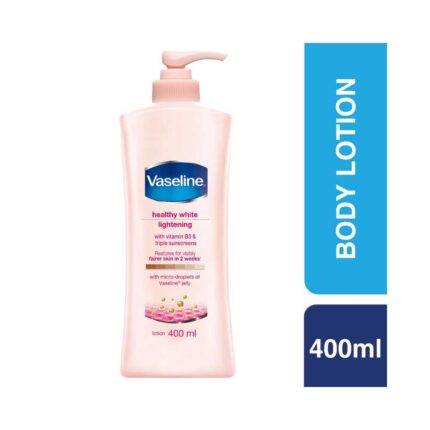 Sale
SaleOriginal price was: ৳ 570.00.৳ 520.00Current price is: ৳ 520.00.
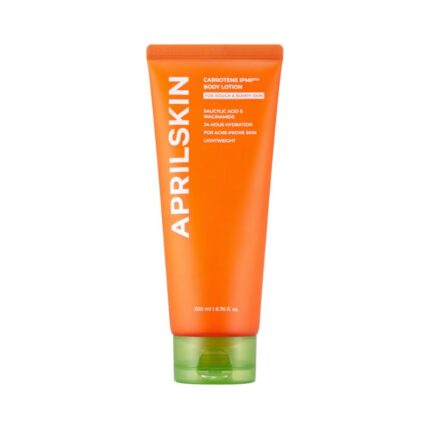 Sale
SaleOriginal price was: ৳ 2,900.00.৳ 2,030.00Current price is: ৳ 2,030.00.
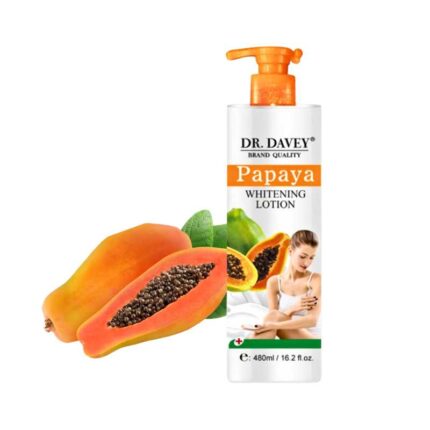
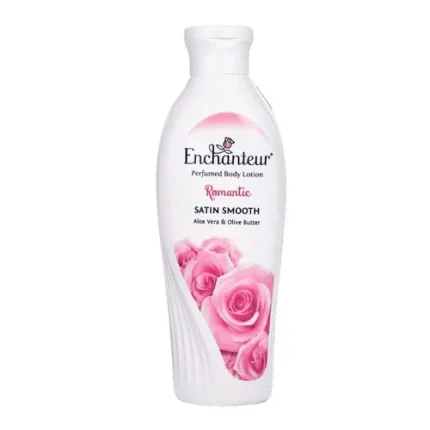 Sale
SaleOriginal price was: ৳ 900.00.৳ 790.00Current price is: ৳ 790.00.
Fatty Acid Profile and Emollient Properties
Murumuru Butter is rich in lauric, myristic, and oleic acids. These fatty acids act in different ways to soften the skin and hold moisture. Research indicates this mix makes the butter firm at room temperature but easy to melt on skin contact.
Because of its fatty acid balance, murumuru functions as an effective emollient compound in cosmetic formulas. That means it smooths rough patches and forms a light film that reduces water loss. Dermatologists recommend emollients for dry, flaky skin because they help restore barrier function.
When compared to other natural butters, murumuru often feels lighter and less greasy. For this reason, formulators blend it with oils and waxes to adjust texture. This versatility explains its growing use in lip care, conditioners, and body butters.
Skin and Hair Benefits
Regular use of murumuru can improve skin softness and elasticity. Studies show natural butters with saturated fatty acids support barrier repair and reduce transepidermal water loss. That support helps skin hold moisture longer after cleansing or exposure to dry air.
For hair, murumuru tames frizz and restores shine with minimal residue. For example, it can smooth the hair cuticle and reduce static without weighing fine hair down. Many people with curly hair report improved curl definition when they add small amounts to their deep-conditioning treatments.
Still, sensitivity can occur in rare cases, so patch testing is wise. If irritation appears, stop using the product and seek advice from a dermatologist. That precaution helps you enjoy benefits while avoiding adverse reactions.
How to Use Murumuru Butter
Because murumuru melts near skin temperature, you can use it in many ways at home. Start with a small amount when you first try it, since a little often goes a long way. That approach helps you find the right balance for your skin or hair type.
For Skin
Warm a pea-sized amount between your palms and apply to dry spots after bathing. When used nightly, it can boost hydration on elbows, knees, and heels. Some people blend murumuru with a carrier oil for a lighter daily lotion.
Because it forms a protective layer, murumuru is great for overnight treatments. For cracked areas, use it alone or mixed with beeswax and a few drops of a soothing oil. That mix helps lock in moisture while you sleep.
For Hair
Apply a small dab of melted murumuru to the ends of damp hair for instant softness. For a deep mask, mix one tablespoon of butter with a carrier oil and leave it on for 20 to 30 minutes. Then rinse with a gentle shampoo to avoid buildup.
When you use it as a leave-in, avoid applying it to the scalp if you have oily hair. Instead, focus on mid-lengths and ends where breakage and dryness appear. This targeted use improves manageability without greasing roots.
For Lips and Nails
Use murumuru in lip balms to prevent cracking and restore smoothness. For nails, rub a small amount into cuticles to nourish and reduce hangnails. These simple uses show how versatile the butter can be.
Sourcing, Sustainability, and Community Impact
The murumuru palm grows natively across parts of the Amazon rainforest. As an amazon rainforest butter ingredient, the seeds provide income for many rural harvesters. That local sourcing can support livelihoods when producers follow ethical collection practices.
Research indicates that sustainable harvest programs can help both people and forests. For example, programs that pay fair prices incentivize conservation over conversion of land. When brands partner with community groups, they can help maintain traditional knowledge and protect habitats.
Yet not all supply chains are equal, so look for transparent sourcing claims. Certifications and producer stories can indicate whether the butter comes from sustainable, community-minded operations. This information helps you make a purchase that aligns with your values.
Buying Guide: What to Look For
Start by checking the ingredient list for “Astrocaryum murumuru seed butter” or “Murumuru Butter.” Pure products list this ingredient first and contain few additives. That clarity helps ensure you buy a high-quality base ingredient.
If you prefer cold-pressed products, search the label for “cold-pressed” or “expeller-pressed” wording. Cold pressing avoids high-heat processing and can preserve delicate nutrients. That method often yields a butter with a pleasant, slightly nutty aroma.
Still, consider consistency and packaging when you shop. Murumuru in a jar works well for home use, while a pump or stick is more hygienic for travel. Also, check for non-volatile solvent-free processing if you want a cleaner product.
Frequently Asked Questions
Is Murumuru Butter suitable for sensitive skin?
Most people with sensitive skin tolerate murumuru well because it is a natural, gentle fat. However, sensitivity varies, so perform a patch test on the inner forearm first. If redness or itching occurs, stop using the product and consult a skin specialist.
How does Murumuru Butter compare to shea or cocoa butter?
Murumuru is firmer than many oils but often feels lighter than cocoa butter on skin. Unlike shea, it melts quickly and rarely leaves a heavy residue. For people who want natural hydration without greasiness, murumuru may be a better choice.
Can I use Murumuru Butter on my face?
Yes, but use sparingly if you have acne-prone skin. For dry to normal skin, a small amount can provide gentle hydration and barrier support. Always patch test and evaluate how your skin responds over several days.
Does Murumuru Butter have a scent?
Pure murumuru has a mild, nutty aroma that most people find pleasant. Processing methods can reduce the scent, and many cosmetic products add fragrances. If you prefer unscented items, look for products labeled fragrance-free.
Final Thoughts
Murumuru Butter offers a natural option for people who want effective hydration with a light feel. Many users report smoother skin and more manageable hair after regular use of this Amazon-sourced butter. For best results, choose pure murumuru, test it first, and start with small amounts to find what works for you.