
Aloe Vera Juice: Benefits, Uses & Buying Guide

Many people reach for natural remedies to ease dry skin and tired digestion. Aloe Vera Juice often appears on shopping lists for this reason. Consumers want clear facts about benefits, safety, and how to choose a quality product.
What is Aloe Vera Juice?
Aloe Vera Juice is the liquid taken from the inner gel or whole leaf of the aloe plant. The plant species commonly used goes by the botanical name aloe barbadensis miller, and the juice may appear on labels as aloe barbadensis leaf juice. This ingredient acts as a soothing hydration ingredient in many skincare and wellness products.
For example, manufacturers extract the clear gel and dilute it with water or blend it with other plant juices. Research indicates aloe preparations contain compounds that can calm irritated skin and support mild digestive comfort. Consumers should check labels to see whether the product lists whole-leaf juice or inner-gel juice.
Recommended Products
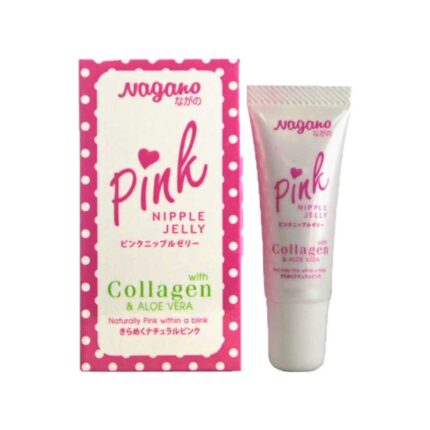 Sale
SaleOriginal price was: ৳ 500.00.৳ 460.00Current price is: ৳ 460.00.

Top Benefits of Aloe Vera Juice
Many people use aloe to calm skin and to hydrate after sun exposure. Studies show that topical aloe preparations can reduce redness and help skin feel less tight. At the same time, some users drink aloe juice to support hydration and mild digestive comfort.
Because aloe contains small amounts of vitamins and minerals, it can support daily wellness when used correctly. Research indicates that the gel has polysaccharides which help form a protective film on skin that feels soothing. That is why many skincare makers include aloe as a base ingredient.
Skin Benefits
Aloe Vera Juice can reduce the feeling of dryness when applied to skin. Dermatologists recommend using pure aloe gel on minor sunburns and irritations for short-term relief. Still, users should patch test before wide use, since some people may react to extracts or preservatives.
Internal Hydration and Digestive Support
When taken in small amounts, aloe may help users stay hydrated because it contains mostly water. Some people report gentler digestion after drinking diluted aloe gel or juice. However, experts advise choosing products made for internal use to avoid unwanted laxative effects from leaf latex.
Hair and Scalp Care
Applied to the scalp, aloe can offer mild conditioning and reduce flakiness for some users. As a result, many shampoos and leave-in treatments include aloe for its conditioning feel. Consumers often prefer pure aloe gel or high-percentage aloe juice to scented products when treating sensitive scalps.
How Aloe Vera Juice Is Made
Producers make aloe juice from either the inner gel or the whole leaf. Whole-leaf extraction can include latex, which contains compounds with laxative effects. That is why reputable makers often remove latex during processing to make the juice suitable for internal use.
Most commercial products list if they use inner-gel or whole-leaf juice on the label. For example, a product that names aloe barbadensis leaf juice may contain the gel that consumers expect. Still, shoppers should check for “decolorized” or “purified” if they want a gentler internal product.
Steps in Processing
First, workers harvest mature leaves and wash them to remove dirt and debris. Next, they separate the outer leaf from the inner gel or process whole leaves depending on the final product type. Finally, manufacturers may filter, pasteurize, or blend the juice and add stabilizers to keep it fresh.
What Labels Mean
Labels that state “inner leaf” or “fillet” usually refer to gel-only extracts. Conversely, “whole leaf” indicates the entire leaf went into the mix. Because of this, label reading helps shoppers avoid unexpected ingredients like aloe latex or high levels of anthraquinones.
How to Choose Quality Aloe Vera Juice
Choosing the right product means reading labels and checking processing methods. Look for products that state they are tested for purity and that use inner-gel extraction when meant for drinking. Retailers that offer third-party testing often provide clearer quality signals.
For instance, some brands show “purified” or “decolorized” to indicate removal of latex and impurities. Consumers should also check ingredient lists for added sugars, flavors, or stabilizers that may change taste or cause sensitivity. That is why simple ingredient lists are usually better for everyday use.
Certifications and Tests
Organic certification can show that the plant was grown without synthetic pesticides. Research indicates that growing conditions affect plant compounds, so certification can matter to some buyers. Still, organic labels do not guarantee processing methods, so check for additional testing claims.
Form and Concentration
Concentrations vary from low-percentage juices to nearly pure gel blends. If you want topical relief, a high-percentage aloe gel may work better. For drinking, lower concentrations that specify internal use and removal of latex tend to be safer and more palatable.
How to Use Aloe Vera Juice Safely
Safety depends on whether you use aloe topically or internally. For skin, apply a small amount to a test area and watch for redness or itchiness. If you drink aloe, choose a product labeled for internal use and follow serving suggestions on the bottle.
Always avoid raw aloe leaf latex by mouth unless guided by a healthcare professional. Studies show that leaf latex can cause strong digestive effects in some people. Therefore, reliable products will state that latex was removed or that the juice is decolorized.
Topical Use Tips
Apply aloe gel to clean skin and reapply as needed for a few days. For sun-exposed skin, use aloe as a soothing layer, then follow with moisturizer. If irritation appears, stop use and consult a healthcare provider.
Internal Use Tips
Start with small amounts if you try drinking aloe for hydration or mild support. Monitor how your body responds over a few days. If you experience stomach cramping or loose stools, stop use and seek advice from a healthcare professional.
Recipes and Simple Ways to Add Aloe Vera Juice
Aloe Vera Juice can blend into drinks or be added to smoothies for a hydrating boost. For example, mix a small serving with coconut water and lemon to improve flavor. Keep portions modest and follow product directions for internal servings.
When used in skin recipes, aloe mixes well with light oils or glycerin to form a soothing gel. For hair care, combine aloe with a mild shampoo to help condition the scalp. This means aloe can fit easily into daily routines for both beauty and wellness.
Basic Internal Recipe
Start with the recommended serving size on your bottle. Mix aloe with plain water or a favorite juice to dilute taste. Drink slowly and observe how your body reacts before trying larger amounts.
Simple Topical Mask
Combine aloe with plain yogurt or a small amount of honey for a cooling face mask. Apply for ten to fifteen minutes and rinse gently with lukewarm water. If you have sensitive skin, reduce the time and perform a patch test first.
Who Should Avoid Aloe Vera Juice?
Not everyone should use aloe internally or externally. Pregnant or breastfeeding people should avoid internal use unless a clinician approves. Studies advise caution because aloe compounds can affect uterine muscles and digestion.
People on certain medications should check with their healthcare provider before drinking aloe. For example, aloe can affect blood sugar levels or interact with laxatives and diuretics. That is why professional guidance matters for those with chronic conditions.
Children and Elderly
Children and older adults may be more sensitive to strong plant extracts. For that reason, start with very small doses or avoid internal use unless a clinician suggests it. Topical use can be safer but still requires a patch test for allergic reactions.
Allergies and Skin Sensitivity
Some people develop contact dermatitis from aloe extracts. Always apply a small amount on the inner forearm and wait twenty-four hours to check for a reaction. If irritation occurs, discontinue use and seek medical advice if needed.
Common Myths and Facts
Myth: All aloe products are the same. Fact: Products vary widely by plant part used, processing, and additive content. This difference affects safety, taste, and effectiveness for specific uses.
Myth: Drinking aloe cures chronic illness. Fact: No single plant cure exists for long-term disease. Research indicates aloe can provide short-term comfort for skin and digestion, but it should not replace medical treatment.
Myth: Aloe is Risk-Free
Although many find aloe gentle, some forms carry risks, especially internal latex-containing products. Studies show that improper processing can leave anthraquinones in the juice, which may cause digestive upset. Therefore, choose products tested for purity.
How to Read an Aloe Label
Start by locating the botanical name or ingredient line. Labels that list aloe barbadensis leaf juice point to the species commonly used in consumer products. Next, check for phrases like “inner gel” or “decolorized” to learn about processing steps.
Also look for serving size and directions when the product is intended for drinking. If the manufacturer lists added sugars, flavors, or preservatives, decide whether those additions fit your needs. That is why label reading helps you match the product to your goals.
Ingredients to Watch
Avoid products that include high levels of sugar or artificial sweeteners if you want a natural option. Some juices add flavors to mask the plant taste, and these can change the nutritional profile. Instead, choose plain or lightly flavored formulas when possible.
Testing and Purity Claims
Third-party testing seals or quality statements provide extra confidence in processing. Research indicates that independent testing can detect residual latex or contaminants. As a result, products with testing claims often cost more but may offer greater safety.
Comparing Aloe Vera Juice with Other Soothing Ingredients
Aloe Vera Juice often appears alongside other soothing ingredients like chamomile or glycerin. Each additive brings different effects, so the blend determines the final result. For example, glycerin draws moisture and can complement aloe’s hydrating feel.
For topical care, some people prefer simple aloe formulations with minimal additives. For internal use, blends with fruit juices can improve taste while keeping hydration benefits. That is why you should consider both purpose and ingredient synergy when choosing a product.
Frequently Asked Questions
Is Aloe Vera Juice safe to drink every day?
Daily drinking can be safe if you use a product labeled for internal use and follow serving directions. Start with small amounts and monitor how you feel. If you have health issues or take medications, consult a healthcare provider first.
Can Aloe Vera Juice help sunburn?
Applied topically, aloe can soothe sunburn and reduce the feeling of tightness. Dermatologists often recommend aloe gel for short-term relief. Always avoid broken skin and stop use if irritation worsens.
How do I know if a product contains latex?
Check labels for “whole leaf” or for mention of anthraquinones and latex removal. Reputable makers state if they decolorize or remove latex. When in doubt, choose inner-gel extracts labeled for internal use.
Will Aloe Vera Juice interact with medications?
Aloe can affect blood sugar and act as a laxative in some forms, so interactions are possible. Speak with your clinician if you use diabetes medications, diuretics, or blood thinners. Your provider can advise safe use.
Final Thoughts
The single most important takeaway is that Aloe Vera Juice can offer gentle, soothing benefits when you choose the right product for your needs. Always read labels to confirm the plant part used and follow serving or application guidance. For most people, a tested, inner-gel aloe product provides safe topical relief and sensible hydration; try a small amount first and consult a professional if you have medical concerns.