
Magnesium Aluminum Silicate: Uses and Safety Guide

Many shoppers pause when they see Magnesium Aluminum Silicate listed on a label and wonder what it does. The mineral appears in cosmetics, foods, and household products, and it often helps texture and stability. Consumers who want clear buying advice will find practical explanations ahead.
Magnesium Aluminum Silicate: What it is
Magnesium Aluminum Silicate is a naturally occurring layered mineral from the smectite group, often called a type of clay. For example, it commonly includes forms similar to bentonite and has a plate-like structure that holds water and oil. This means brands can use it to change how a product feels and performs.
Studies show that layered clays like Magnesium Aluminum Silicate bind water and thicken formulations, which improves spread and appearance. When you read ingredient lists, the mineral often replaces synthetic thickeners in cleaner-label products. That makes it popular with brands aiming for a more natural image.
Recommended Products
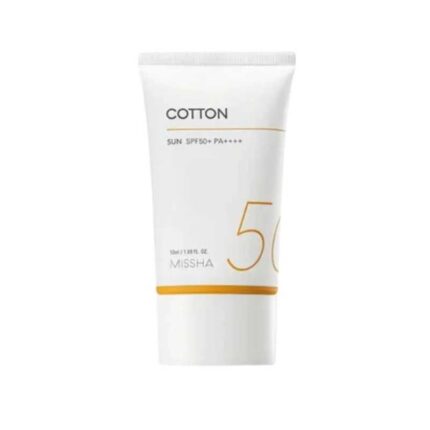 Sale
SaleOriginal price was: ৳ 1,290.00.৳ 903.00Current price is: ৳ 903.00.
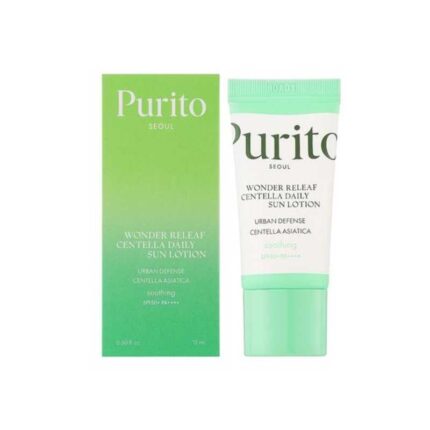 Sale
SaleOriginal price was: ৳ 440.00.৳ 320.00Current price is: ৳ 320.00.
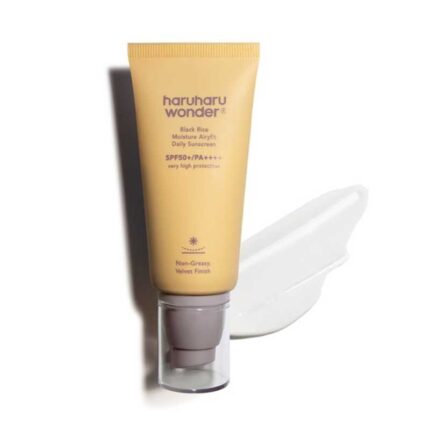 Sale
SaleOriginal price was: ৳ 2,040.00.৳ 1,428.00Current price is: ৳ 1,428.00.
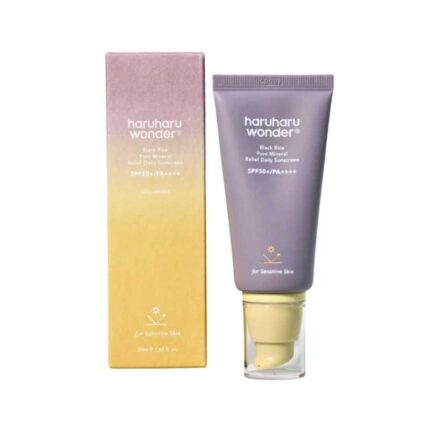 Sale
SaleOriginal price was: ৳ 2,300.00.৳ 1,610.00Current price is: ৳ 1,610.00.
How Magnesium Aluminum Silicate is made and sourced
Miners extract raw clay deposits and then refine them through crushing, washing, and drying to produce a consistent powder. After processing, manufacturers test particle size and purity to meet industry standards. As a result, final batches vary by source, which affects performance and color.
Because different deposits have different mineral mixes, suppliers blend and grade the material to meet cosmetic or food specifications. Research indicates that supply chains usually follow quality checks to reduce dust and remove contaminants. Consumers can look for supplier claims about testing on product labels or packaging.
Common benefits for products and manufacturers
Magnesium Aluminum Silicate improves texture by thickening and suspending ingredients, which helps formulas stay even. For instance, it prevents pigments or exfoliants from sinking to the bottom of a bottle. This stabilizing function makes it useful in many daily products.
Manufacturers use the mineral to control viscosity without relying on synthetic polymers, and dermatologists often prefer mineral thickeners in sensitive formulations. Studies show that mineral thickeners can reduce the need for alcohols and synthetics that irritate skin. That is why some brands highlight mineral content on labels.
Magnesium Aluminum Silicate in cosmetics and personal care
Brands include Magnesium Aluminum Silicate in creams, lotions, foundations, and masks to create a smooth feel and steady texture. The clay works as a mild absorbent too, which helps reduce shine in oilier formulations. Consumers often notice better spread and a non-greasy finish.
Because it acts as a clay thickener ingredient, the mineral can replace some gums and synthetic thickeners in clean-label products. For example, many natural face masks list Magnesium Aluminum Silicate near the top because it adds slip and body. That makes it a favorite for both makers and users seeking simple ingredient decks.
Dermatologists recommend patch testing new products, even those with mineral thickeners, because reactions vary by person. Research indicates that most people tolerate mineral clays well, but any ingredient can cause sensitivity in rare cases. When irritation appears, stop using the product and talk to a healthcare professional.
How it thickens and stabilizes formulas
The mineral forms a network of plates that trap water and oil, which raises viscosity in a controlled way. As a result, manufacturers can fine-tune how a cream drips or how a lotion spreads. This level of control helps preserve fragrances and actives in a formula.
Still, formulators balance the mineral with emulsifiers and preservatives to keep products stable over time. Because particle size matters, labs often sieve and test lots to get repeatable results. That lowers complaints about separation and textural changes.
Common product types that use it
Creamy foundations, dry-shampoo powders, face masks, and some sunscreens commonly include the mineral. Each product gains a slightly different benefit, such as mattifying, suspending, or smoothing. Consumers should expect improved application and less uneven pigmentation in many products.
When brands advertise “mineral-based thickening,” they usually refer to ingredients like Magnesium Aluminum Silicate. That phrase appeals to shoppers seeking fewer petrochemical additives. Yet reading the full ingredient list still matters for people with strong sensitivities.
Uses in food, supplements, and industrial products
Magnesium Aluminum Silicate appears in some food and supplement formulas as an anti-caking or thickening aid in powdered mixes. For instance, it can keep powdered beverages free-flowing and reduce clumping during storage. Food-grade suppliers test for purity to meet safety rules.
In industrial settings, the mineral helps stabilize paints, coatings, and drilling fluids by controlling viscosity and suspension. Research indicates that its plate-like structure works well where shear stability matters. For shoppers, the industrial role explains why the mineral is widely produced and distributed.
That said, not every product category uses the same grade of mineral. Food-grade versions follow stricter rules than industrial-grade supplies, and labels should reflect the intended use. Therefore, always check packaging to confirm that a product meets your expectations for safety and quality.
Safety, regulations, and testing
Regulatory bodies set guidelines for minerals used in food and cosmetics, and suppliers often release test reports to show compliance. Studies show that properly processed mineral clays meet limits for heavy metals and contaminants. Consumers can look for statements about testing on brand sites or labels.
Although the mineral often shows a safe profile in finished products, experts advise caution for inhalable powders. Because dust can irritate lungs, manufacturers usually bound particle size and recommend closed production steps. If a product produces visible dust, avoid inhaling and use with care.
When using products containing Magnesium Aluminum Silicate, follow label directions and avoid prolonged high-exposure use if you have respiratory conditions. Dermatologists recommend avoiding abrasive applications on broken skin. If you experience persistent irritation, consult a medical professional.
How to read labels and choose products
Look for the ingredient name Magnesium Aluminum Silicate on the label, and check its position within the ingredient list to estimate concentration. Typically, ingredients listed earlier are present at higher amounts. That gives a quick sense of how prominent the mineral is in a formula.
Also inspect any label claims about testing, purity, or grade to confirm intended use. For example, “food-grade” or “cosmetic-grade” can indicate different testing standards and acceptable contaminants. This means shoppers can make safer choices when labels are clear and honest.
When shopping for sensitive skin, choose products with short ingredient lists and fewer potential irritants, and prefer mineral thickeners over stronger chemical thickeners if you want milder options. That approach often reduces the chance of reactions while keeping performance.
Comparing Magnesium Aluminum Silicate to other thickeners
Magnesium Aluminum Silicate often competes with gums and synthetic polymers as a viscosity agent. For example, xanthan gum and carbomers perform differently under shear and pH changes. Many formulators select the mineral when they need oil handling and mild absorbance with minimal film build.
Because the mineral is a stabilizing mineral compound, it can offer longer-lasting suspension in some oil-heavy systems. As a result, manufacturers sometimes mix it with polymers to get both immediate and long-term stability. That hybrid approach gives better texture and shelf performance for many products.
Yet no single thickener suits every formula, and formulators test combinations to reach desired feel and stability. Research indicates that each thickener interacts with other ingredients differently, which affects spread, appearance, and longevity. So product testing remains essential.
Label terms and synonyms to watch for
Although “Magnesium Aluminum Silicate” is the systematic name, labels may list related terms such as “clay” or “smectite” in some formulations. For example, “bentonite” appears in masks and cleansers, and it offers a comparable clay texture. Consumers should learn common synonyms to better understand ingredient lists.
That said, regulation sometimes requires specific INCI names for cosmetics, so the full term may appear even when brands want a simple label. If you prefer straightforward wording, look for brands that explain their ingredient choices in plain language. This makes shopping less confusing.
Mixing and at-home handling tips
If you make DIY products, handle powdered Magnesium Aluminum Silicate with caution to avoid dust. When mixing it into water or oils, add slowly and blend to avoid clumps. Small batches help you test texture before scaling up a recipe.
Instead of pouring large amounts, weigh small quantities on a scale to keep measurements precise and consistent. Because the mineral thickens differently with different oils and pH levels, trial and error will produce a final texture you like. Still, follow safety guidelines for handling powders.
Environmental and sustainability considerations
Mining and processing any mineral has environmental impacts, and suppliers increasingly report on sourcing and reclamation practices. For example, responsible suppliers may perform site rehabilitation and water management. That transparency helps brands choose lower-impact sources.
Because Magnesium Aluminum Silicate often replaces petrochemical thickeners, some brands claim an improved carbon profile when sourcing responsibly. Research indicates lifecycle impacts vary by source and processing, so a clear supply statement matters. Consumers can ask brands about sourcing when sustainability ranks high on their priorities.
Price and value for shoppers
Products that use mineral thickeners can range widely in price, and the presence of Magnesium Aluminum Silicate alone does not determine cost. For instance, a high-end moisturizer may use the mineral plus premium oils, which raises price. Therefore evaluate overall formulation and brand reputation when comparing items.
Still, using mineral thickeners can reduce the need for several additives, which sometimes lowers cost for makers and keeps ingredient lists short. When a product lists the mineral high among ingredients, that often signals a formula designed for texture and minimal additives. Value depends on results and personal preferences.
Common myths and facts
Some shoppers assume all clays dry out skin, but Magnesium Aluminum Silicate often acts more as a gentle absorbent and thickener than a strong drying agent. Research indicates that most users experience balanced oil control without excessive drying. That makes it suitable for many skin types when combined with humectants.
Another myth claims that mineral thickeners are always natural and safer than synthetics. While the mineral is naturally occurring, processing and grade matter for safety. So check for clear grade information, testing, and any allergy warnings on labels to make informed choices.
Practical buying checklist
First, confirm the intended grade for the product category, such as cosmetic-grade or food-grade. Second, read label claims about testing and purity to ensure safety. Third, test products on a small skin patch if you have sensitive skin or allergies.
When comparing brands, consider ingredient lists, transparency about sourcing, and customer reviews for performance and irritation reports. That information helps you evaluate how well a product with Magnesium Aluminum Silicate will meet your needs. Keep receipts for returns in case a product does not suit you.
Frequently Asked Questions
Is Magnesium Aluminum Silicate safe for skin?
Most evidence shows that properly processed Magnesium Aluminum Silicate is safe for topical use in cosmetics. Dermatologists often recommend patch testing because individual sensitivities vary. If irritation occurs, stop use and consult a healthcare professional.
Can I inhale products with Magnesium Aluminum Silicate?
Avoid inhaling visible dust from powdered products that contain the mineral, since respiratory irritation can occur. Manufacturers usually bound particle size in finished products to reduce the risk. If you work with powders, use ventilation and protective masks as needed.
Does this mineral make products last longer?
Yes, the mineral helps stabilize formulas and can prevent ingredients from separating, which preserves texture and efficacy. Research indicates that when blended correctly, it improves shelf stability for many products. Proper packaging and preservatives still matter for full preservation.
How do I find food-safe Magnesium Aluminum Silicate?
Look for products or labels that state “food-grade” and follow regulatory guidance for edible items. Suppliers often publish certificates or test results for food applications. When uncertain, contact the brand for documentation before consuming a product.
Final Thoughts
Magnesium Aluminum Silicate is a versatile mineral that improves texture, suspension, and stability in many products, and shoppers can benefit by reading labels and choosing the right grade. For safer choices, prefer products that state testing and use cosmetic-grade or food-grade material as appropriate. Start with small product trials and favor brands that explain their sourcing and safety practices.