
Retinyl Acetate: Gentle Vitamin A for Skin

Many shoppers wonder which vitamin A forms work for sensitive skin and daily use. Retinyl Acetate appears often on labels as a mild option for texture and tone. This article explains how the ingredient acts and what to expect when you try it.
What is Retinyl Acetate and how it works
Retinyl Acetate is a vitamin A ester ingredient that converts to active retinoids in the skin. Because it sits one step behind stronger forms, the skin processes it more slowly and often tolerates it better. Studies show gentler retinoid esters can reduce irritation while still supporting cell turnover and collagen support.
When skin converts Retinyl Acetate it first forms retinol and then retinaldehyde before reaching retinoic acid, the active form. This stepwise conversion explains the milder effect and the slower visible results. Dermatologists recommend starting with slower-converting forms for sensitive or new retinoid users.
Recommended Products
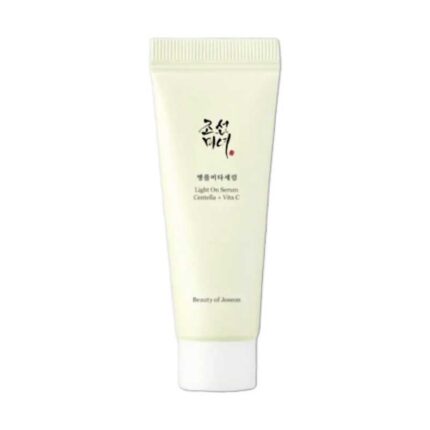 Sale
SaleOriginal price was: ৳ 460.00.৳ 330.00Current price is: ৳ 330.00.
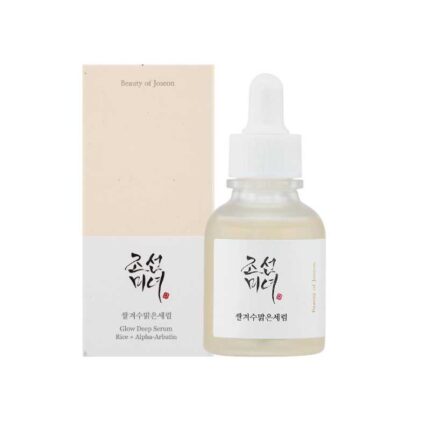 Sale
SaleOriginal price was: ৳ 3,080.00.৳ 2,156.00Current price is: ৳ 2,156.00.
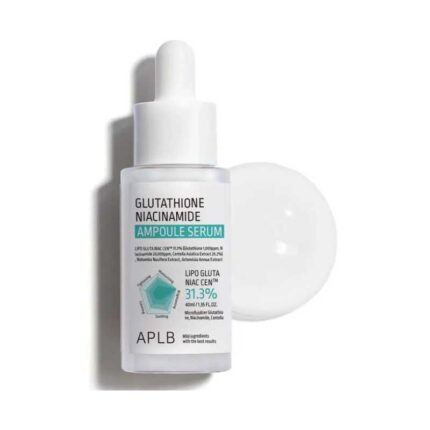 Sale
SaleOriginal price was: ৳ 1,300.00.৳ 910.00Current price is: ৳ 910.00.
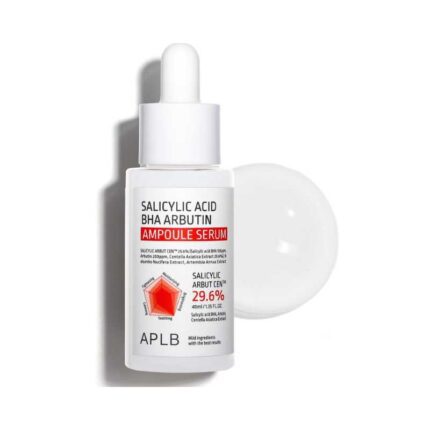 Sale
SaleOriginal price was: ৳ 1,300.00.৳ 910.00Current price is: ৳ 910.00.
Why shoppers choose a vitamin a ester ingredient
Shoppers pick a vitamin a ester ingredient when they want anti-aging benefits without harsh side effects. For example, this ingredient can improve fine lines and skin texture with lower risk of redness. Research indicates milder esters reduce the chance of flaking and burning in many users.
Because of its gentler profile, the ingredient fits into daily routines more easily than prescription retinoids. Users can often layer it with moisturizing products and sunscreen without severe irritation. That means a more consistent routine and steadier improvements over months.
Retinyl Acetate compared to other retinoids
Retinyl Acetate sits lower on the conversion ladder than retinol and tretinoin. As a result, it tends to be less potent yet more forgiving for sensitive skin. Studies show stronger retinoids produce faster visible change, while esters provide gradual improvement.
When choosing between options, think about goals and tolerance. If you want fast, dramatic results a stronger retinoid may be needed under guidance. If you want steady improvement with lower irritation choose an ester like Retinyl Acetate.
Is Retinyl Acetate a mild retinoid compound?
Yes, Retinyl Acetate qualifies as a mild retinoid compound for topical use. This means it offers retinoid benefits with fewer side effects for many people. Because the skin must convert it through multiple steps, effects appear more gradually than with active forms.
Still, some people may notice sensitivity during early use, especially if they already use exfoliants. As a result, experts often recommend introducing the compound slowly. This approach lowers the chance of irritation while letting skin adapt.
Benefits backed by research and dermatologists
Research indicates that vitamin A derivatives support cell turnover and collagen synthesis in the skin. Studies show even gentler esters can help with fine lines, tone, and overall texture over time. Dermatologists recommend pairing these ingredients with sunscreen because increased cell turnover can raise sun sensitivity.
Because consistent use matters more than speed, many clinicians advise steady daily application at low concentrations. This advice helps people build tolerance and achieve long-term results. For sensitive skin, expert guidance reduces the chance of stopping treatment early.
How to read labels and concentrations
Label reading matters because the active form and concentration affect outcomes. Look for Retinyl Acetate listed clearly on the ingredient list and check product descriptions for concentration details. Manufacturers sometimes blend it with stabilizers and antioxidants to improve performance.
When the product uses multiple vitamin A forms, manufacturers may list them in descending order by concentration. Because formulas differ, comparing claims and ingredient order helps you choose. That means a careful label read can prevent surprises and match expectations.
Formulations that work best with Retinyl Acetate
Creams and serums with emollients and humectants help buffer the skin while the ester works. Because Retinyl Acetate converts slowly, pairing it with a moisturiser supports comfort and reduces dryness. For example, formulas with glycerin or ceramides often ease early flaking.
When you have oily skin, lightweight lotions and gel serums can offer balance while lowering clog risk. For dry skin, richer creams keep the barrier intact. That means choosing the right vehicle improves both tolerance and results.
Stability and packaging matters
Retinyl Acetate can break down when exposed to air and light, so opaque or airless packaging helps maintain potency. Studies show packaging that limits oxygen contact preserves vitamin A forms longer. Therefore, prefer products designed to protect sensitive actives.
How to start using Retinyl Acetate safely
Start by applying a pea-sized amount to clean, dry skin two to three times a week. This slow start helps skin adapt and lowers early irritation risk. As tolerance builds, you can increase frequency gradually to nightly use.
Because retinoids can increase sun sensitivity, always apply broad-spectrum sunscreen during the day. Dermatologists recommend sunscreen as a non-negotiable safety step with any vitamin A product. That means daily protection helps maintain gains and prevent damage.
Tips for reducing irritation and maximizing benefits
Pair Retinyl Acetate with a gentle cleanser and hydrating moisturizer to reduce flaking. When irritation occurs, cut back frequency and apply moisturizer before the retinoid. This buffering method can keep progress steady without stopping use completely.
When starting, avoid combining strong exfoliants or acids on the same nights. That reduces the risk of compounding irritation. Over weeks, you can introduce other actives carefully and monitor skin response.
Who should avoid or be cautious with Retinyl Acetate
Pregnant and breastfeeding people should avoid all vitamin A retinoids unless a clinician advises otherwise. That guidance follows standard safety advice for topical retinoids during pregnancy. For medical questions, consult a qualified provider before starting any new ingredient.
People with very active eczema or open skin conditions should seek advice before adding retinoids. Because damaged skin may react more strongly, professional guidance helps. That means a short consult can prevent setbacks and preserve barrier health.
Comparing cost and accessibility
Products with Retinyl Acetate are often available at a range of price points from mass-market to higher-end labels. Because it is less potent than prescription options, many over-the-counter brands use it to offer gentler anti-aging lines. Consumers can find suitable choices without a prescription in most markets.
When price matters, compare ingredient lists and packaging quality rather than claims alone. Cheaper formulas can still perform if the ingredient list and protective packaging match. As a result, smart shopping often beats brand prestige for value.
Common myths about vitamin A esters
One myth says esters do nothing because they are weaker than prescription retinoids. That is not true; esters support gradual improvement and fewer side effects for many users. Studies show that slow, consistent use of esters yields meaningful gains in tone and texture over time.
Another myth claims everyone must feel stinging to get results, which promotes an aggressive approach. Instead, irritation is not required for benefit and often signals overuse. For long-term skin health, balance and consistency win over short-term aggression.
How long until you see results with Retinyl Acetate
Expect gradual visible changes over several weeks to months with consistent use. Because the compound converts slowly in the skin, initial changes are subtle. Research indicates that visible improvements may appear later than with stronger retinoids but can be long-lasting.
Track progress with photos taken under consistent lighting rather than single observations. That helps you see small changes over time. When progress stalls, review routine, product concentration, and sun protection habits.
Layering Retinyl Acetate with other actives
You can layer antioxidants like vitamin C in the morning and use Retinyl Acetate at night for balance. When using acids or strong exfoliants, stagger their nights to avoid excess irritation. That means a planned routine helps maintain tolerance while broadening benefits.
If you use prescription retinoids, consult your clinician before adding esters to avoid overexposure. Combining multiple retinoid sources can increase side effect risk. Therefore, coordination prevents harm and preserves results.
Skin types that commonly benefit
People with early signs of aging and mild texture concerns often do well with Retinyl Acetate. Sensitive skin types that cannot tolerate retinol may try this ester as an alternative. Studies show that gentler esters help many people who previously abandoned stronger retinoids.
Oily and acne-prone skin can use it to support clearer texture while reducing irritation risk. For dry or reactive skin, pair it with rich moisturizers and start slowly. That means you can adapt the routine to your skin rather than forcing a one-size-fits-all plan.
Common side effects and how to manage them
Mild dryness, redness, and flaking are the most common side effects during the first weeks. If symptoms become severe, reduce frequency and add extra hydration. When side effects persist, stop use and seek professional advice.
Because the skin barrier repairs with time, consistent gentle care usually calms early sensitivity. Use sunscreen and avoid excessive sun exposure to support recovery. This approach helps maintain gains while protecting skin health.
Testing a product before full use
Patch testing on a small area for a week helps detect sensitivity before full-face use. Apply a small amount on the inner forearm or behind the ear and watch for strong reactions. If no strong reaction appears, you can begin slow full-face application.
Keep a simple journal to track frequency, side effects, and improvements during the first months. This record helps you adjust routine and report clearly to a clinician if needed. That means you make smarter decisions based on real data about your skin.
How Retinyl Acetate fits into a complete skin routine
A simple, effective routine starts with gentle cleansing, targeted treatment, moisturizer, and sunscreen by day. Incorporate Retinyl Acetate at night after cleansing and before moisturizer when your skin tolerates it. This layering supports both absorption and barrier protection.
When you add other active serums, introduce them slowly and one at a time. That approach isolates reactions and shows which items give the best results. Over time, refine the routine to match goals and comfort.
Environmental and ethical considerations for shoppers
Many brands now highlight responsible sourcing and clean packaging for vitamin A products. If sustainability matters, look for recyclable packaging and transparent ingredient sourcing. Ethical production choices help you align purchases with personal values.
Because the compound is synthetically derived in many formulas, consider brand transparency about testing and safety. Brands that publish testing methods and stability data can provide extra confidence. That means a little research improves long-term satisfaction.
Questions to ask before buying
Ask whether the product lists Retinyl Acetate openly and what other retinoid forms it contains. Also ask about packaging that protects the formula from light and air. Finally, check whether the brand recommends a starter routine for sensitive skin.
When customer support offers usage guidance, that can be helpful for first-time users. A clear recommendation for frequency and buffering shows the brand cares about tolerance. This kind of support reduces waste and prevents early abandonment.
Frequently Asked Questions
Is Retinyl Acetate safe for daily use?
Yes, many people use Retinyl Acetate daily once they build tolerance. Start slowly and increase frequency as the skin adjusts. Always pair with sunscreen during the day.
How does Retinyl Acetate differ from retinol?
Retinyl Acetate converts to active retinoids more slowly than retinol, so it is milder. That leads to slower visible results but often better tolerance. Sensitive skin often prefers this slower option.
Can I use Retinyl Acetate with acne treatments?
Yes, but avoid combining strong exfoliants or prescription retinoids without professional advice. Stagger treatments to reduce irritation and monitor skin closely. Speak with a clinician for complex acne plans.
Will Retinyl Acetate make my skin photosensitive?
Any vitamin A derivative can increase sun sensitivity, so sunscreen is essential during the day. Use broad-spectrum protection and limit direct sun exposure when possible. This practice preserves results and skin health.
Final Thoughts
The single most important takeaway is that Retinyl Acetate provides a gentler path to vitamin A benefits for many people. When used consistently and with sun protection, the ingredient can improve texture and tone while lowering irritation risk. For new users and those with sensitivity, start slow and pair the ingredient with moisturizers and sunscreen. Try a small patch test, then build a routine that fits your skin and goals.