
Hydroquinone: Your Guide to a Powerful Skin Lightening Ingredient

Many people deal with uneven skin tone. They often seek effective solutions for dark spots. Hydroquinone stands out as a prominent and often recommended skin lightening ingredient. It helps address various forms of hyperpigmentation. This compound works by reducing melanin production. Understanding hydroquinone can help you decide if it is right for your skin concerns.
Understanding Hydroquinone: A Powerful Skin Lightening Ingredient
Hydroquinone is a topical ingredient. Dermatologists commonly prescribe it for treating conditions like melasma and sun spots. It works directly on the cells that produce pigment. These cells are called melanocytes. The compound helps to inhibit their activity. This action reduces the amount of melanin in the skin. Therefore, dark patches become lighter over time. It offers a targeted approach to correcting uneven skin tone.
This substance is a depigmenting agent. Doctors have used it in dermatology for decades. Its effectiveness is well-documented in scientific literature. Hydroquinone is available in different strengths. Some formulations are over-the-counter. Stronger versions require a prescription from a doctor. People use it to achieve a more uniform skin complexion. It is important to use it correctly for the best outcome.
What is Melanin and How Does it Cause Dark Spots?
Melanin is the natural pigment. It gives color to our skin, hair, and eyes. Melanocytes create melanin. These specialized cells reside in the outermost layer of the skin. Exposure to sunlight increases melanin production. This is why skin tans when exposed to the sun. However, various factors can lead to excessive melanin. This creates localized dark spots. These dark spots are called hyperpigmentation.
Causes of hyperpigmentation vary widely. Sun damage is a very common one. Hormonal changes also play a role. For example, melasma often appears during pregnancy. Post-inflammatory hyperpigmentation results from skin injury. This includes acne breakouts or eczema. When melanocytes become overactive, they deposit too much pigment. Hydroquinone targets this overactivity directly. It helps to fade existing spots. It also prevents new ones from forming.
Recommended Products
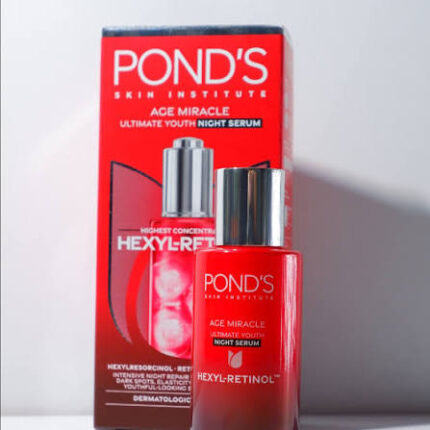 Sale
SaleOriginal price was: ৳ 2,000.00.৳ 1,950.00Current price is: ৳ 1,950.00.
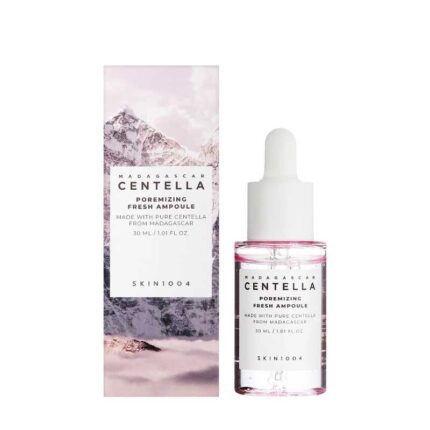 Sale
SaleOriginal price was: ৳ 2,620.00.৳ 1,834.00Current price is: ৳ 1,834.00.
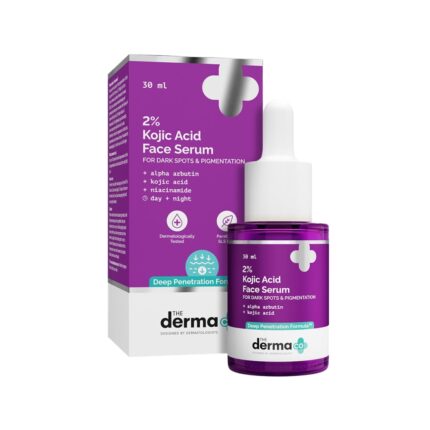 Sale
SaleOriginal price was: ৳ 1,350.00.৳ 990.00Current price is: ৳ 990.00.
 Sale
SaleOriginal price was: ৳ 2,200.00.৳ 1,540.00Current price is: ৳ 1,540.00.
The Science Behind Hydroquinone: Targeting Melanin Production
Hydroquinone functions at a cellular level. It specifically interferes with melanin synthesis. Melanin production is a complex process. Tyrosinase is a key enzyme involved in this pathway. This enzyme converts tyrosine into melanin. Hydroquinone works by inhibiting tyrosinase activity. It essentially slows down the production line for pigment. Less melanin is produced as a result.
Furthermore, hydroquinone affects the melanocytes themselves. It can cause a reversible injury to these cells. This reduces their ability to create pigment. The compound also promotes the breakdown of melanosomes. Melanosomes are structures within cells. They store and transport melanin. By disrupting these processes, hydroquinone gradually lightens dark areas. It makes the skin appear more even. This precise mechanism makes it a potent pigmentation treatment compound.
How Tyrosinase Inhibition Works
Tyrosinase is crucial for melanogenesis. This is the biochemical pathway of melanin formation. Hydroquinone acts as a competitive inhibitor of tyrosinase. It binds to the enzyme’s active site. This prevents tyrosinase from interacting with its natural substrate. The enzyme cannot then catalyze the reactions needed to make melanin. Less melanin forms in the skin cells.
This inhibition is a temporary effect. Melanin production resumes once hydroquinone use stops. Therefore, consistent application is important. Many studies have detailed this mechanism. They confirm its effectiveness in reducing hyperpigmentation. Understanding this process helps to appreciate its power. It also explains why results take time to appear. Patients must use it patiently.
Common Skin Concerns Addressed by Hydroquinone
Hydroquinone treats a variety of pigmentary issues. Its broad application makes it very valuable. Many people seek it for stubborn dark spots. These spots can significantly impact skin appearance. The treatment helps restore a more uniform complexion. This contributes to improved self-confidence. Dermatologists often recommend it as a first-line therapy.
Melasma Treatment
Melasma is a common skin condition. It causes dark, discolored patches. These patches often appear on the face. Hormonal changes trigger melasma. Sun exposure also worsens it. It typically affects women more than men. The condition is often referred to as “the mask of pregnancy.” However, it can affect anyone. Hydroquinone is a cornerstone in melasma management. It significantly reduces the appearance of these patches. Patients often see great improvement.
Studies consistently show its efficacy. It helps fade the brown or gray-brown spots. These spots commonly appear on the cheeks and forehead. It can also affect the bridge of the nose. Even the upper lip and chin are vulnerable. Hydroquinone works best when combined with sun protection. This prevents further darkening. A consistent routine is essential for good results.
Fading Sun Spots and Age Spots
Sun spots, also known as solar lentigines, are common. They are flat, brown spots. Years of sun exposure cause them. These spots often appear on sun-exposed areas. The face, hands, and arms are prime locations. Age spots are very similar. They develop as people get older. These spots are benign. Yet, many people want to lighten them. Hydroquinone effectively addresses these concerns. It helps to diminish their visibility. This results in clearer skin.
Patients often report positive outcomes. They find their skin looking more youthful. The treatment targets the accumulated melanin. This is precisely what forms these spots. Hydroquinone offers a non-invasive solution. It helps to reduce the appearance of sun damage. Consistent application is key for optimal lightening. Daily sunscreen use is also crucial. This prevents new spots from forming.
Post-Inflammatory Hyperpigmentation (PIH)
PIH occurs after skin inflammation or injury. Acne is a very common cause. Eczema, psoriasis, or burns can also lead to it. The skin leaves behind a dark mark. This mark remains after the initial injury heals. These spots can be red, brown, or black. They vary in color based on skin tone. Hydroquinone is highly effective for PIH. It helps to fade these lingering dark marks. This speeds up skin recovery after inflammation.
Many individuals struggle with acne scars. PIH is a significant concern for them. Hydroquinone provides a powerful solution. It helps to even out the complexion. This makes the skin look smoother. The treatment works by reducing excess melanin. This melanin was produced in response to inflammation. Proper use of hydroquinone can significantly improve PIH. It restores skin clarity. Patience and consistent use are necessary for fading these marks.
Hydroquinone Formulations and Strengths: What’s Available?
Hydroquinone comes in various strengths. Different formulations cater to specific needs. Understanding these options is important. It helps users make informed decisions. Both over-the-counter and prescription forms exist. Each has its own benefits and considerations. People should choose the right strength for their condition.
Over-the-Counter Hydroquinone
Lower concentrations of hydroquinone are available without a prescription. These typically contain 2% hydroquinone. Many skin care brands offer these products. They come in creams, gels, or serums. These products are useful for mild hyperpigmentation. They can help with minor dark spots. OTC options are a good starting point. They are less potent than prescription versions. Consumers can access them easily. This makes them a popular choice. Patch testing is still advisable before full application. This checks for any adverse reactions.
Using OTC hydroquinone requires patience. Results may take longer to appear. Consistency in application is crucial. Always follow the product instructions carefully. Combining it with sunscreen is non-negotiable. This protects the skin from further damage. It also ensures the treatment works effectively. Many find these products sufficient for their needs. They are a convenient way to start. Consider speaking to a professional if spots persist.
Prescription-Strength Hydroquinone
Stronger formulations of hydroquinone require a doctor’s prescription. These typically range from 3% to 4% or even higher. Dermatologists prescribe them for more severe hyperpigmentation. Conditions like stubborn melasma benefit from these strengths. These products are more potent. They deliver faster and more dramatic results. However, they also carry a higher risk of side effects. Medical supervision is therefore essential. A doctor can monitor progress. They can also adjust the treatment plan. This ensures both safety and effectiveness.
Prescription hydroquinone often comes in combination creams. These creams might include retinoids. Tretinoin is a common retinoid used. They might also contain corticosteroids. This combination can enhance efficacy. It also helps manage potential irritation. Your dermatologist will determine the best formulation. They consider your skin type and condition severity. Always adhere strictly to their instructions. This ensures safe and optimal use.
How to Properly Use Hydroquinone for Best Results
Correct application is vital for hydroquinone’s effectiveness. It also minimizes potential side effects. A structured approach yields the best outcomes. Adherence to guidelines helps achieve clear skin. Always follow the specific instructions from your doctor. Read product labels carefully before beginning.
Patch Testing and Initial Application
Always perform a patch test first. This is an important safety step. Apply a small amount of product. Choose an inconspicuous area of skin. The inner forearm is a good spot. Wait 24-48 hours. Check for signs of irritation. Redness, itching, or swelling are warning signs. If no reaction occurs, proceed with caution. Start with once-daily application. This allows your skin to adapt. Gradually increase to twice daily if tolerated. This helps prevent overwhelming your skin.
Apply hydroquinone to clean, dry skin. Use a thin layer only on affected areas. Avoid applying it to surrounding normal skin. This helps prevent unwanted lightening. Gently rub it in until absorbed. Wash your hands thoroughly afterwards. This prevents accidental transfer to other areas. Consistency is more important than quantity. Do not apply excessive amounts. More product does not mean faster results. It may only increase irritation.
Duration and Monitoring of Treatment
Hydroquinone treatment is typically for a limited period. Most dermatologists recommend 3-4 months of continuous use. Long-term uninterrupted use is generally discouraged. This helps mitigate risks of side effects. Ochronosis is a rare but serious side effect. It causes bluish-black skin discoloration. Taking breaks from hydroquinone reduces this risk. Your dermatologist will guide you on treatment cycles. They might suggest alternative agents during breaks. This helps maintain results. It also allows skin to recover.
Monitor your skin closely during treatment. Look for any signs of adverse reactions. Report severe irritation to your doctor. Mild redness or stinging is sometimes normal. However, persistent or worsening symptoms need attention. Take photos periodically to track progress. This helps assess the treatment’s effectiveness. It also provides a visual record. Regular follow-ups with your dermatologist are crucial. They can adjust your plan as needed. This ensures optimal results and safety.
Potential Side Effects and Safety Considerations of Hydroquinone
While effective, hydroquinone is not without its risks. Awareness of potential side effects is important. This enables users to make informed decisions. It also promotes safe and responsible use. Most side effects are mild and temporary. However, some warrant medical attention. Understanding these issues helps manage them. It also helps prevent complications.
Common and Mild Side Effects
Skin irritation is the most common side effect. This can manifest as redness or dryness. Some people experience mild stinging or itching. These symptoms usually occur at the start of treatment. They often subside as the skin adjusts. Using a moisturizer can help alleviate dryness. Applying hydroquinone less frequently might also help. For instance, start every other day. Then increase to daily use. Always ensure your skin is completely dry before application. This minimizes irritation. If symptoms persist or worsen, consult your doctor. They can recommend adjustments.
Temporary hyperpigmentation is another possible reaction. Sometimes, treated areas can temporarily appear darker. This is often due to inflammation. It usually resolves as treatment continues. Paradoxical darkening is a rare occurrence. This happens when the skin gets darker instead of lighter. It is more common in individuals with darker skin tones. Discontinue use if this occurs. Seek medical advice immediately. Always test on a small area first. This helps to gauge your skin’s reaction.
Risk of Ochronosis
Exogenous ochronosis is a rare but significant side effect. It causes bluish-black or grayish discoloration of the skin. This occurs primarily with prolonged, high-concentration use. It is more common in individuals with darker skin tones. The exact mechanism is not fully understood. However, it involves deposits in the skin tissue. Ochronosis is often permanent. This is why careful monitoring is essential. Dermatologists recommend limiting continuous hydroquinone use. They suggest breaks or cycling with other agents. This strategy significantly reduces the risk. Always adhere to your doctor’s prescribed treatment duration. Never use hydroquinone indefinitely without medical supervision. Prevention is the best approach for this condition.
Sun Sensitivity and Hydroquinone
Hydroquinone can increase skin’s sensitivity to the sun. This is a crucial safety consideration. Treated areas become more vulnerable to UV radiation. Sun exposure can reverse the lightening effects. It can also worsen hyperpigmentation. Furthermore, it increases the risk of sunburn. Always use a broad-spectrum sunscreen. Choose one with an SPF of 30 or higher. Apply it every single day. Reapply frequently, especially after sweating or swimming. Wear protective clothing when outdoors. Wide-brimmed hats and sunglasses offer extra protection. Avoiding peak sun hours is also advisable. Sun protection is critical throughout treatment. It is the most important step. Without it, hydroquinone treatment can be ineffective or even counterproductive.
Combining Hydroquinone with Other Treatments
Often, hydroquinone works best in combination with other ingredients. This multi-faceted approach enhances efficacy. It can also reduce the overall treatment time. Certain ingredients complement hydroquinone’s action. They might improve penetration. They could also address other aspects of pigmentation. Always consult a dermatologist before combining products. They can ensure compatibility and safety. This personalized guidance is crucial for success.
Retinoids for Enhanced Efficacy
Retinoids are derivatives of Vitamin A. Tretinoin is a common prescription retinoid. These compounds are powerful. They accelerate cell turnover. This helps to shed pigmented skin cells faster. They also improve hydroquinone penetration. This allows the active ingredient to reach target cells more effectively. The combination of hydroquinone and tretinoin is a well-established therapy. It is particularly effective for melasma. Many prescription formulations include both ingredients. This combination cream is often called “triple therapy.”
Using retinoids alongside hydroquinone requires caution. Retinoids can cause dryness and irritation. Combining them might increase these side effects. Start slowly with both products. Introduce one at a time. This allows your skin to adjust. Apply retinoids at night. Use hydroquinone during the day or night. Follow your doctor’s specific instructions. Sun protection becomes even more critical with retinoid use. Their photosensitizing effects are notable.
Alpha Hydroxy Acids (AHAs) and Vitamin C
Alpha Hydroxy Acids (AHAs) are chemical exfoliants. Glycolic acid and lactic acid are examples. They help to remove dead skin cells. This reveals brighter, fresher skin beneath. AHAs can improve the texture of the skin. They can also enhance the penetration of other active ingredients. Using AHAs in conjunction with hydroquinone can speed up results. They help to slough off superficial pigmented cells. This allows hydroquinone to work on deeper pigmentation.
Vitamin C (L-ascorbic acid) is a powerful antioxidant. It helps to brighten the skin. It also protects against environmental damage. Vitamin C inhibits tyrosinase activity. This makes it a complementary ingredient. It can boost hydroquinone’s lightening effects. Furthermore, it can help prevent new dark spots. Using Vitamin C serum in the morning is common. Hydroquinone can be applied at night. This separation minimizes potential interactions. Always introduce new products gradually. This helps prevent irritation. Consult your dermatologist for guidance on product layering.
The Importance of Sun Protection When Using Hydroquinone
Sun protection is not merely recommended with hydroquinone. It is an absolute necessity. Without it, the treatment will be ineffective. It can even worsen the condition. UV radiation is the primary trigger for hyperpigmentation. It directly stimulates melanin production. Protecting your skin from the sun is paramount. This supports the lightening process. It also prevents the recurrence of dark spots.
Why UV Protection is Critical
Hydroquinone works to reduce existing melanin. However, new sun exposure quickly undoes this work. UV rays stimulate melanocytes to produce more pigment. This counteracts the effects of the pigmentation treatment compound. It can even lead to increased darkening. The skin undergoing hydroquinone treatment is also more vulnerable. It has a reduced natural defense against sun damage. This makes it more susceptible to sunburn. Protecting your skin ensures the treatment’s success. It also safeguards your skin’s overall health. Make sun protection a non-negotiable part of your daily routine. This is essential for long-term improvement.
Choosing and Applying Sunscreen Effectively
Select a broad-spectrum sunscreen. This means it protects against both UVA and UVB rays. An SPF of 30 or higher is recommended. For outdoor activities, SPF 50+ is preferable. Look for sunscreens containing zinc oxide or titanium dioxide. These are mineral filters. They provide excellent physical protection. Chemical sunscreens also offer good protection. Choose a formula suitable for your skin type. Many tinted sunscreens also offer cosmetic benefits. They can help to even out skin tone instantly.
Apply sunscreen generously. Do this at least 15-20 minutes before sun exposure. This allows it to form a protective barrier. Reapply every two hours. Reapply more often if swimming or sweating. Even on cloudy days, UV rays can penetrate. Therefore, daily application is crucial. Do not forget areas like the neck, chest, and hands. These areas are prone to sun damage. Make sunscreen your final step in your morning skincare routine. This consistent effort will yield great benefits. It protects your investment in hydroquinone treatment.
Addressing Concerns and Misconceptions About Hydroquinone
Hydroquinone has a complex reputation. Several concerns and misconceptions exist. These often stem from misinformation. It is important to address these points. This provides a clear and balanced understanding. Many claims lack scientific backing. Separating fact from fiction is essential. This helps users make informed health decisions.
Safety of Hydroquinone Use
One common concern is the safety of hydroquinone. Some older studies raised questions. However, current research supports its safety. This applies when used appropriately. Medical supervision is key for higher strengths. Short-term use, typically 3-4 months, is well-tolerated. Taking breaks between cycles further reduces risks. The fear of carcinogenicity has largely been disproven. Numerous studies show no evidence of cancer risk in humans. This is when it is applied topically at recommended doses. The primary concern remains exogenous ochronosis. However, this is rare with proper use. Always discuss any concerns with your dermatologist. They can provide accurate, up-to-date information. They will tailor advice to your individual needs.
Many misconceptions arise from historical use of impurities. Early formulations sometimes contained contaminants. These contaminants might have caused adverse reactions. Modern, pharmaceutical-grade hydroquinone is purified. It is free from such impurities. This greatly enhances its safety profile. Regulatory bodies worldwide approve its use. This is for specific dermatological conditions. Always purchase hydroquinone from reputable sources. This ensures product quality and safety. Avoid unregulated products. These might contain unknown or harmful ingredients. Quality control is paramount for safe skin treatment.
Long-Term Use and Ochronosis Prevention
The risk of ochronosis is often linked to prolonged use. Specifically, continuous application for many years. This is especially true without medical supervision. Dermatologists generally advise cycling hydroquinone. This means using it for a few months. Then taking a break for several weeks or months. During the break, other lightening agents can be used. This prevents melanocytes from over-accumulating the product. It also gives the skin a rest. This strategy effectively minimizes the risk of ochronosis. It also maintains treatment benefits. Patients must adhere to this cycling schedule. This is crucial for long-term skin health. Your doctor will provide a personalized plan. They will consider your specific condition.
Some individuals prefer to use hydroquinone intermittently. They apply it only when dark spots reappear. This helps manage chronic conditions. It also minimizes cumulative exposure. Regular check-ups with a dermatologist are vital. They can monitor your skin for any subtle changes. Early detection of any adverse reaction is important. This allows for timely intervention. By following professional advice, the risks are well-managed. The benefits of clearer skin can be enjoyed safely. Always prioritize professional medical guidance. Never self-prescribe for extended periods.
Alternatives to Hydroquinone for Pigmentation Treatment
Not everyone can use hydroquinone. Some people may experience irritation. Others might prefer natural options. Fortunately, many alternatives exist. These also target hyperpigmentation. They work through various mechanisms. Understanding these options is helpful. It provides a comprehensive view of pigmentation treatment. These alternatives can also be used in conjunction with hydroquinone or during breaks.
Kojic Acid and Azelaic Acid
Kojic acid is derived from fungi. It is a natural skin lightening ingredient. Like hydroquinone, it inhibits tyrosinase activity. This reduces melanin production. Kojic acid is often found in serums and creams. It is usually well-tolerated. However, some people might experience mild irritation. It is a good option for those seeking a gentler alternative. Its efficacy is well-established. Many combine it with other brighteners.
Azelaic acid comes from grains. It has anti-inflammatory and antibacterial properties. It also inhibits tyrosinase. This makes it effective for hyperpigmentation. Azelaic acid is often prescribed for acne and rosacea. Its ability to lighten dark spots is a bonus. It is generally safe for sensitive skin. Pregnant women can often use it safely. This makes it a versatile ingredient. It can be a good choice for sensitive individuals. It also helps with post-inflammatory hyperpigmentation.
Arbutin, Niacinamide, and Vitamin C
Arbutin is a natural derivative of hydroquinone. It is found in bearberry plants. It works by inhibiting tyrosinase. Arbutin is considered a gentler option. It has fewer side effects than hydroquinone. Many skin brightening products contain arbutin. It slowly releases hydroquinone. This makes it less irritating. It is a popular choice for sustained lightening. It helps maintain an even skin tone.
Niacinamide, or Vitamin B3, is a powerhouse ingredient. It does not directly inhibit melanin production. Instead, it prevents melanosomes from transferring to skin cells. This reduces the appearance of dark spots. Niacinamide also strengthens the skin barrier. It has anti-inflammatory benefits. It is very well-tolerated by most skin types. It pairs well with many other actives. Using it can improve overall skin health. It is a great choice for sensitive or reactive skin. It provides a multi-pronged attack on pigmentation. This makes it a popular choice for many. It is found in many popular serums.
Vitamin C, as mentioned, is an antioxidant. It helps lighten dark spots. It also protects against free radical damage. Its brightening properties are well-known. It can be used daily. It enhances the skin’s radiance. Consistent use improves overall tone. It is a versatile ingredient for many skin concerns. It is an excellent partner for other brightening agents. It makes skin appear more vibrant. It is a staple in many skincare routines. Research supports its powerful antioxidant effects. It protects skin from daily environmental stressors.
Consulting a Dermatologist: When is it Necessary?
While some hydroquinone products are over-the-counter, professional guidance is invaluable. A dermatologist can provide accurate diagnosis. They can recommend the most appropriate treatment plan. This ensures both safety and effectiveness. Self-treating complex skin conditions can sometimes lead to complications. It is always wise to seek expert advice. This is especially true for persistent or severe concerns.
When to Seek Professional Guidance
Consult a dermatologist if you have severe hyperpigmentation. Conditions like widespread melasma warrant expert attention. If your dark spots do not respond to OTC treatments, seek help. A professional can diagnose the exact cause. They rule out other skin conditions. They can also prescribe stronger hydroquinone formulations. These are typically 3-4% or higher. They will also create a tailored treatment regimen. This might include combination therapies. It ensures you receive the most effective care. This personalized approach often yields better results.
If you experience significant irritation, see a doctor. Any unexpected or severe side effects require medical review. This includes persistent redness, itching, or swelling. Signs of ochronosis, though rare, need immediate attention. Your doctor can assess the reaction. They can then adjust your treatment. They might switch you to an alternative. Pregnant or breastfeeding individuals should also consult a doctor. This is before using hydroquinone. Certain medical conditions might also require caution. Always disclose your full medical history. This helps your dermatologist provide safe recommendations.
Benefits of Professional Monitoring
A dermatologist provides ongoing monitoring. They track your progress. They adjust your treatment as needed. This ensures optimal results. They can also manage any side effects. This minimizes discomfort. They perform regular skin checks. This is especially important for long-term users. They can identify any concerning changes. This proactive approach ensures safety. It also maximizes treatment success. Professional advice offers peace of mind. You know you are in good hands. They help you achieve clearer skin. They do so in the safest way possible. Therefore, regular check-ups are highly beneficial. They are an integral part of successful treatment.
Frequently Asked Questions
What is hydroquinone mainly used for?
Hydroquinone is primarily used to lighten dark spots. It treats various forms of hyperpigmentation. This includes melasma, sun spots, and post-inflammatory hyperpigmentation. It helps create a more even skin tone.
How long does it take for hydroquinone to work?
Results vary by individual. Most people begin to see improvement within 4-6 weeks. Significant lightening typically appears after 2-3 months of consistent use. Patience is key during the treatment process.
Can hydroquinone be used daily?
Yes, hydroquinone is often applied daily. It can be used once or twice a day. Always follow your dermatologist’s instructions. This ensures safe and effective use for your skin condition.
What happens if I stop using hydroquinone?
If you stop using hydroquinone, melanin production can resume. Dark spots may reappear over time. Consistent sun protection is crucial. It helps maintain the lightening effects.
Final Thoughts
Hydroquinone remains a leading solution for hyperpigmentation. It effectively reduces dark spots and evens skin tone. This powerful pigmentation treatment compound works by inhibiting melanin production. Always prioritize safe use and follow medical advice. Protect your skin from the sun every day. This maximizes the benefits and prevents recurrence. Consult a dermatologist to determine if hydroquinone is right for you. They can guide you toward clearer, more radiant skin.