
Tocopherol: Your Ultimate Guide to a Skin Protecting Ingredient

In the expansive world of skincare ingredients, few components command as much respect and scientific backing as Tocopherol. This vital nutrient, commonly known as vitamin E, stands out as a formidable ally in maintaining healthy, resilient skin. For anyone seeking to understand the science behind radiant complexions and robust skin protection, delving into the benefits of this potent vitamin is essential. You will gain a comprehensive understanding of how Tocopherol functions as a crucial antioxidant, safeguarding your skin daily and enhancing its natural beauty.
Understanding Tocopherol: The Foundational Vitamin E Antioxidant
Tocopherol is not just a single compound but a family of fat-soluble organic compounds that possess potent antioxidant properties. It represents a key form of vitamin E, an essential nutrient that the human body cannot produce on its own, thus requiring intake through diet or topical application. In skincare, its primary role revolves around its exceptional ability to neutralize free radicals, which are unstable molecules that can cause significant damage to skin cells. This cellular damage leads to premature aging, fine lines, and a compromised skin barrier. Research consistently highlights the importance of such antioxidants in a daily skincare regimen.
What Exactly is Vitamin E?
Vitamin E is a collective term for a group of eight fat-soluble compounds. These include four tocopherols (alpha, beta, gamma, and delta) and four tocotrienols. Among these, alpha-tocopherol is the most biologically active form in humans and the one most commonly found in skincare products due to its high efficacy. Its chemical structure allows it to readily donate electrons to free radicals, stabilizing them and preventing oxidative stress. This protective mechanism is fundamental to maintaining youthful and healthy skin over time, making it an indispensable ingredient for skin vitality.
The Discovery and Significance of Tocopherol
The journey of vitamin E began in 1922 when scientists discovered a dietary factor essential for reproductive health in rats. This factor was later isolated and named “tocopherol” in 1936, derived from Greek words meaning “to bear offspring.” Its significance quickly expanded beyond fertility, recognizing its widespread antioxidant capabilities throughout the body. In dermatology, the understanding of Tocopherol’s ability to protect cell membranes from oxidative damage has positioned it as a cornerstone ingredient. This historical context underscores its long-standing and proven value in biological systems, including the intricate biology of human skin.
Recommended Products
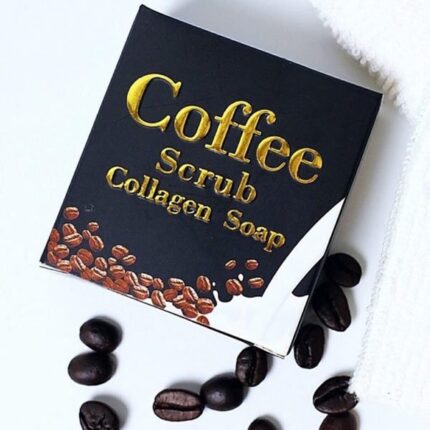
৳ 370.00
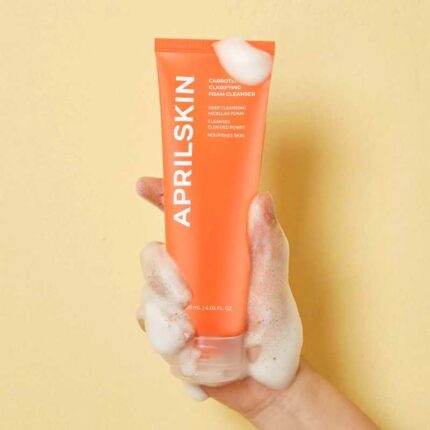 Sale
SaleOriginal price was: ৳ 2,040.00.৳ 1,420.00Current price is: ৳ 1,420.00.
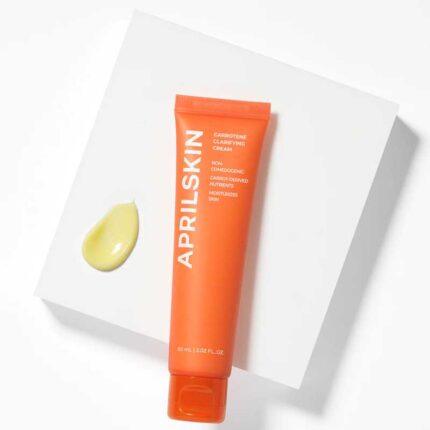 Sale
SaleOriginal price was: ৳ 1,960.00.৳ 1,370.00Current price is: ৳ 1,370.00.
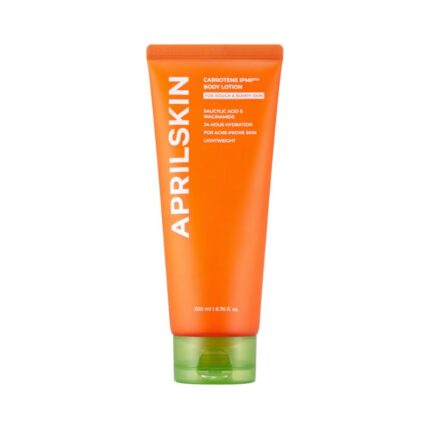 Sale
SaleOriginal price was: ৳ 2,900.00.৳ 2,030.00Current price is: ৳ 2,030.00.
The Science Behind Tocopherol’s Antioxidant Power
The core of Tocopherol’s skincare prowess lies in its unparalleled antioxidant activity. Our skin is constantly exposed to environmental aggressors such as UV radiation, pollution, and blue light, all of which generate harmful free radicals. These free radicals steal electrons from healthy skin cells, leading to a chain reaction of damage that can disrupt cellular function and accelerate the aging process. Tocopherol effectively intercepts these damaging molecules before they can wreak havoc. It donates an electron to the free radical, stabilizing it and breaking the destructive cycle. This critical protective action ensures the integrity of skin cells.
How Free Radicals Harm Skin
Free radicals are atoms or groups of atoms with an unpaired electron, making them highly reactive and unstable. In the skin, they target vital components like collagen, elastin, and DNA. Collagen and elastin are structural proteins that provide firmness and elasticity to the skin. When free radicals damage these proteins, it leads to their breakdown, resulting in wrinkles, sagging skin, and a loss of youthful bounce. Furthermore, DNA damage can impair the skin’s ability to repair itself and even contribute to more serious skin concerns. Understanding this mechanism highlights the urgent need for robust antioxidant defense.
Tocopherol’s Role in Neutralizing Oxidative Stress
Oxidative stress occurs when there is an imbalance between the production of free radicals and the body’s ability to neutralize them. Tocopherol, as a powerful vitamin e antioxidant, plays a crucial role in restoring this balance. It is fat-soluble, meaning it can readily integrate into cell membranes, which are primarily composed of lipids. This strategic positioning allows Tocopherol to protect the lipid layer of cell membranes from peroxidation, a process where free radicals attack fats, leading to cellular damage. By doing so, it preserves the skin’s barrier function and overall health, demonstrating its effectiveness as a skin protecting ingredient.
Tocopherol in Skincare: A Skin Protecting Ingredient
Given its powerful antioxidant capabilities, it is no surprise that Tocopherol is a highly sought-after component in skincare formulations. Its presence in serums, moisturizers, and sunscreens is strategic, aiming to fortify the skin’s natural defenses against daily environmental assaults. As a skin protecting ingredient, it works proactively to minimize damage before it becomes visible, making it invaluable for preventive skincare. Regular application can lead to a healthier, more resilient complexion that is better equipped to handle external stressors. Experts often recommend products featuring this potent vitamin.
Protection Against UV Radiation
While Tocopherol is not a sunscreen and cannot replace SPF, it significantly enhances the skin’s protection against the harmful effects of UV radiation. When applied topically, it helps reduce the extent of free radical damage caused by sun exposure. Studies indicate that when combined with vitamin C, Tocopherol’s photoprotective benefits are amplified. This synergistic relationship helps mitigate sunburn, reduces inflammation, and minimizes the long-term impact of sun damage, such as hyperpigmentation and premature aging. Incorporating it into a routine alongside a broad-spectrum SPF offers superior protection.
Shielding from Environmental Pollution
Beyond the sun, urban environments expose skin to a cocktail of pollutants, including particulate matter, ozone, and toxic gases. These pollutants are potent generators of free radicals, contributing to skin dullness, irritation, and accelerated aging. Tocopherol acts as a frontline defender, creating a shield that neutralizes these airborne threats. Its ability to quench free radicals generated by pollution helps to maintain a clear and vibrant complexion. This makes it an essential ingredient for city dwellers or anyone living in areas with high air pollution levels.
Beyond Antioxidants: Additional Benefits of Tocopherol for Skin
While its antioxidant properties are paramount, Tocopherol offers a multifaceted array of benefits that contribute to overall skin health. Its influence extends to areas such as hydration, healing, and barrier function improvement. These supplementary actions underscore why Tocopherol is considered a cornerstone ingredient in advanced skincare formulations. It doesn’t just protect; it actively contributes to the skin’s repair and maintenance processes, fostering a robust and healthy appearance. Understanding these broader benefits helps appreciate its comprehensive role.
Enhancing Skin Moisture and Barrier Function
Tocopherol is a fat-soluble vitamin, meaning it readily integrates into the skin’s lipid matrix. This characteristic allows it to strengthen the skin’s natural barrier function. A healthy skin barrier is crucial for retaining moisture and protecting against irritants. By improving the integrity of the epidermal lipid layer, Tocopherol helps prevent transepidermal water loss (TEWL), keeping the skin hydrated, supple, and smooth. This enhanced moisture retention is vital for all skin types, especially those prone to dryness or sensitivity. Research indicates improved barrier function with consistent use.
Supporting Skin Healing and Repair
The regenerative properties of Tocopherol are another significant advantage. It assists in the skin’s natural healing processes, making it beneficial for various forms of skin damage. From minor cuts and scrapes to post-inflammatory hyperpigmentation, Tocopherol can aid in cell regeneration and reduce the appearance of scars. Its anti-inflammatory effects also help to soothe irritated skin, promoting a calm and even complexion. This makes it a valuable component in products designed for recovery and renewal, contributing to a faster and more efficient healing response after minor injuries or irritations.
Calming and Soothing Irritated Skin
Beyond its healing capabilities, Tocopherol exhibits anti-inflammatory properties that can help soothe and calm irritated skin. Conditions such as redness, itching, and general sensitivity can be alleviated by incorporating vitamin E into a skincare routine. Its ability to reduce inflammation contributes to a more comfortable and balanced skin state. This soothing effect is particularly beneficial for individuals with sensitive skin or those experiencing temporary irritation from environmental factors. The calming action of this vitamin e antioxidant makes it a gentle yet effective solution.
Different Forms of Tocopherol and Their Efficacy
As mentioned, Tocopherol is a collective term for several forms of vitamin E. While alpha-tocopherol is the most recognized and biologically active, understanding the nuances of its various isomers and derivatives is crucial for informed product selection. Each form possesses slightly different properties and stabilities, which can influence its efficacy in a skincare product. Cosmetic chemists carefully select specific forms based on desired outcomes and formulation stability. This distinction helps consumers appreciate the science behind their chosen products.
Alpha-Tocopherol: The Gold Standard
Alpha-tocopherol is considered the most potent form of vitamin E in terms of antioxidant activity and biological availability in human skin. It is the form that the body preferentially absorbs and utilizes. In skincare, d-alpha-tocopherol (natural alpha-tocopherol) is often preferred over dl-alpha-tocopherol (synthetic alpha-tocopherol) due to its higher bioavailability and effectiveness. While both offer antioxidant benefits, the natural form is often regarded as more efficacious. Many high-quality skincare products will specify the use of d-alpha-tocopherol for maximum benefit, ensuring a powerful vitamin e antioxidant delivery.
Tocopheryl Acetate: A Stable Derivative
Tocopheryl acetate is a synthetic ester of alpha-tocopherol, created by combining Tocopherol with acetic acid. This modification makes it more stable and less prone to oxidation when exposed to air and light, extending its shelf life in formulations. Once applied to the skin, enzymes naturally present in the skin convert tocopheryl acetate back into active Tocopherol. This conversion allows it to deliver the same antioxidant and skin protecting ingredient benefits with improved stability in the product. It is a common and effective form found in many skincare preparations due to its reliability.
Other Tocopherol Isomers: Gamma and Delta
While alpha-tocopherol is prominent, gamma-tocopherol and delta-tocopherol also contribute to the overall vitamin E complex. Gamma-tocopherol, for instance, has unique antioxidant properties that complement alpha-tocopherol, particularly in neutralizing nitrogen-based free radicals. Delta-tocopherol also exhibits strong antioxidant activity. Some formulations may incorporate a blend of these tocopherols to provide a broader spectrum of antioxidant protection. This comprehensive approach ensures that various types of free radicals are addressed, enhancing the overall efficacy of the vitamin e antioxidant defense system within the skin.
How Tocopherol Works with Other Skincare Ingredients
Tocopherol’s effectiveness is often amplified when combined with other beneficial skincare ingredients, particularly other antioxidants. This synergistic relationship allows ingredients to enhance each other’s stability and protective capabilities, leading to more comprehensive and powerful results. Skincare formulations often strategically pair Tocopherol to maximize its potential and deliver superior outcomes. Understanding these combinations helps consumers identify truly optimized products that leverage the full power of each component. This collaborative action is a hallmark of well-designed skincare.
Synergy with Vitamin C (Ascorbic Acid)
One of the most well-documented synergistic pairings in skincare is that of Tocopherol and vitamin C (ascorbic acid). Vitamin C is a water-soluble antioxidant, while Tocopherol is fat-soluble. This difference in solubility allows them to protect different compartments of the skin cell. More importantly, vitamin C has the ability to regenerate oxidized Tocopherol, restoring its antioxidant capacity. This means that after Tocopherol has neutralized a free radical, vitamin C can reactivate it, allowing it to continue its protective role. This dynamic duo offers unparalleled protection against oxidative stress and environmental damage, making it a powerful skin protecting ingredient combination.
Complementing Ferulic Acid
Ferulic acid is another potent plant-derived antioxidant that works exceptionally well with Tocopherol and vitamin C. When combined, ferulic acid helps stabilize both vitamin C and Tocopherol, preventing their degradation and extending their efficacy. Research suggests that a serum containing vitamin C, Tocopherol, and ferulic acid can provide eight times the natural photoprotection of skin. This triple threat offers superior defense against UV-induced damage and environmental aggressors. This makes such formulations highly prized for their advanced protective qualities and their ability to keep skin looking youthful and vibrant.
Working with Retinoids and Niacinamide
Tocopherol also complements other active ingredients like retinoids and niacinamide. Retinoids, such as retinol, are powerful anti-aging ingredients that can sometimes cause dryness or irritation. Tocopherol’s moisturizing and soothing properties can help mitigate these side effects, making retinoid use more tolerable. Niacinamide, a form of vitamin B3, improves skin barrier function and reduces inflammation. When paired with Tocopherol, these ingredients create a robust defense system that enhances skin resilience, reduces redness, and supports overall skin health. This comprehensive approach addresses multiple skin concerns simultaneously.
Incorporating Tocopherol into Your Skincare Routine
Integrating Tocopherol effectively into your daily skincare routine can significantly boost your skin’s health and appearance. The key is consistent application and choosing the right product types based on your skin’s needs and concerns. Due to its fat-soluble nature, Tocopherol is often found in oil-based serums, creams, and lotions. Understanding the best practices for application ensures you reap the maximum benefits from this powerful vitamin e antioxidant. A well-structured routine leverages this ingredient’s full potential.
Choosing the Right Products
When selecting products containing Tocopherol, look for those where it is listed high on the ingredient list, indicating a significant concentration. Serums are particularly effective as they deliver a potent dose of active ingredients. Moisturizers containing Tocopherol help seal in hydration and provide sustained antioxidant protection throughout the day or night. For enhanced sun protection, consider sunscreens that also include Tocopherol, alongside your primary SPF. Always check product labels for terms like “d-alpha-tocopherol” or “tocopheryl acetate” to identify the specific form used, ensuring you select a quality skin protecting ingredient.
Best Practices for Application
For optimal results, apply Tocopherol-rich products to clean, slightly damp skin. If using a serum, apply it after cleansing and toning, before heavier creams. Allow the serum to fully absorb before layering subsequent products. For creams, apply as your final step in the evening or before sunscreen in the morning. Consistency is vital; daily application, ideally both morning and night, will provide continuous protection and repair. For targeted treatment, Tocopherol can also be found in eye creams and specialized treatments for areas prone to dryness or damage.
When to Apply Tocopherol
Given its antioxidant properties, applying Tocopherol in the morning is highly beneficial to protect the skin from environmental stressors encountered throughout the day, such as UV radiation and pollution. Applying it at night also supports the skin’s natural repair processes while you sleep. Many individuals benefit from a double application, utilizing a serum in the morning and a richer cream at night. This ensures round-the-clock defense and repair. Combining morning and evening use maximizes the skin protecting ingredient’s ability to combat free radical damage and promote overall skin vitality.
Potential Side Effects and Precautions with Tocopherol
While Tocopherol is generally well-tolerated and considered safe for topical use, it is always wise to be aware of potential side effects and necessary precautions. As with any active ingredient, individual skin reactions can vary. Understanding these considerations ensures a safe and positive experience when incorporating this powerful vitamin E antioxidant into your skincare regimen. Most people experience no adverse effects, but vigilance is key, especially for those with very sensitive skin or specific allergies. Always perform a patch test when trying new products.
Patch Testing and Allergic Reactions
For individuals with particularly sensitive skin, or those prone to allergies, performing a patch test before full application is recommended. Apply a small amount of the product to an inconspicuous area, like behind the ear or on the inner forearm, and wait 24-48 hours. Look for signs of redness, itching, swelling, or irritation. While rare, some individuals may experience contact dermatitis from Tocopherol, especially with higher concentrations or specific derivatives. If any adverse reaction occurs, discontinue use immediately and consult a dermatologist. This simple step can prevent widespread irritation.
Comedogenicity and Breakouts
Some forms of Tocopherol, particularly in higher concentrations or when combined with certain emollients, have been anecdotally associated with comedogenicity (clogging pores) in very sensitive or acne-prone individuals. However, modern formulations often mitigate this risk. If you have acne-prone skin, look for products labeled “non-comedogenic” or “oil-free,” even if they contain Tocopherol. Monitor your skin’s response carefully when introducing new products. Most studies suggest that Tocopherol is not highly comedogenic, but individual reactions are important to observe for any skin protecting ingredient.
Interactions with Other Medications or Conditions
Topical Tocopherol is generally safe and does not typically interact with systemic medications. However, if you have specific skin conditions, such as eczema or rosacea, or are undergoing dermatological treatments, it is always best to consult with your dermatologist before introducing new active ingredients. They can provide personalized advice and ensure that Tocopherol will complement your existing treatment plan without causing any adverse reactions. This professional guidance ensures your skin remains healthy and protected throughout your skincare journey, utilizing a powerful skin protecting ingredient safely.
Tocopherol in Diet: More Than Just Skincare
While topical application is crucial for direct skin benefits, it is important to remember that Tocopherol is an essential nutrient that the body also obtains through diet. Dietary intake of vitamin E contributes to overall health, including skin health, from the inside out. A balanced diet rich in vitamin E sources supports the body’s internal antioxidant defenses, complementing the external protection offered by skincare products. Understanding these dietary sources helps ensure comprehensive Tocopherol benefits for your entire body. Dietary vitamin E is critical for many physiological functions.
Rich Dietary Sources of Vitamin E
Numerous foods are excellent sources of naturally occurring Tocopherol. Nuts and seeds are particularly rich, with almonds, sunflower seeds, and hazelnuts being prime examples. Vegetable oils, such as sunflower oil, wheat germ oil, and olive oil, are also significant contributors. Green leafy vegetables like spinach and broccoli, as well as fruits like avocado and kiwi, contain beneficial amounts. Including a variety of these foods in your diet ensures a steady supply of this vital nutrient, contributing to overall well-being and a healthy complexion, making it more than just a skin protecting ingredient.
The Link Between Diet and Skin Health
The saying “you are what you eat” holds true for skin health. A diet rich in antioxidants, including Tocopherol, helps combat systemic oxidative stress that can impact the skin. Internal antioxidant protection supports skin cell integrity, reduces inflammation, and contributes to a healthy glow. While topical application delivers concentrated benefits directly to the skin, dietary intake provides foundational support for all bodily functions, including skin repair and regeneration. This dual approach maximizes the advantages of this powerful vitamin e antioxidant for radiant skin.
Supplementation Considerations
For individuals whose dietary intake of vitamin E might be insufficient, supplementation can be considered. However, it is crucial to consult a healthcare professional before starting any supplement regimen. High doses of vitamin E supplements can sometimes interact with certain medications or have adverse effects. For topical skin health, the focus often remains on direct application, as it allows for targeted delivery to the skin layers where it is most needed. While supplements contribute to overall health, topical application provides a direct skin protecting ingredient effect.
The Regulatory Landscape of Tocopherol in Cosmetics
The use of Tocopherol in cosmetic and skincare products is subject to various regulatory guidelines around the world. These regulations ensure product safety, efficacy, and accurate labeling for consumers. Understanding this landscape provides an additional layer of confidence in the products you choose, knowing they meet certain industry standards. Regulatory bodies scrutinize ingredient concentrations, purity, and manufacturing practices. This oversight reinforces Tocopherol’s standing as a safe and effective skin protecting ingredient when properly formulated and used. Adherence to these guidelines is paramount for consumer trust.
Global Standards and Safety Assessments
Major regulatory bodies, such as the European Union’s Cosmetics Regulation and the United States’ Food and Drug Administration (FDA), monitor the safety of cosmetic ingredients, including Tocopherol. These agencies conduct extensive safety assessments based on scientific data, setting limits on concentrations and identifying any potential restrictions. Generally, Tocopherol and its derivatives are recognized as safe for use in cosmetics within established parameters. These global standards ensure that products containing this vitamin e antioxidant are safe for the general public when used as directed.
Labeling Requirements for Tocopherol
Accurate ingredient labeling is a cornerstone of cosmetic regulation. Products containing Tocopherol must list it by its International Nomenclature of Cosmetic Ingredients (INCI) name, such as “Tocopherol” or “Tocopheryl Acetate.” The order of ingredients on a label reflects their concentration, with higher concentrations listed first. This transparency empowers consumers to make informed choices and identify the presence and relative amount of key ingredients like this skin protecting ingredient. Always check the ingredient list to confirm the presence and form of vitamin E.
Quality Control and Purity
Manufacturers are responsible for ensuring the quality and purity of the Tocopherol they use in their formulations. This involves sourcing from reputable suppliers and conducting rigorous quality control tests. Impurities or degraded forms of vitamin E could compromise product efficacy and potentially lead to skin irritation. Reputable brands invest in thorough testing to ensure that the Tocopherol in their products is stable, pure, and delivers its intended benefits as a powerful vitamin e antioxidant. This commitment to quality assures consumers of product integrity.
Myths and Facts About Tocopherol
Like many popular skincare ingredients, Tocopherol is sometimes surrounded by misconceptions. Separating fact from fiction is crucial for properly understanding its benefits and limitations. Dispelling common myths helps consumers make more informed decisions about incorporating this powerful vitamin e antioxidant into their routines. It ensures that expectations align with scientific reality, leading to more satisfying skincare outcomes. Let’s clarify some prevalent ideas surrounding this vital skin protecting ingredient.
Myth: Applying Pure Vitamin E Oil Directly is Best
While pure vitamin E oil (often found in capsules) contains high concentrations of Tocopherol, applying it directly to the skin may not always be the most effective or beneficial approach. Pure oil can be quite thick and occlusive, potentially leading to clogged pores, especially for acne-prone skin. Furthermore, its stability can be compromised when exposed to air and light, reducing its antioxidant efficacy. Formulated skincare products are designed to deliver Tocopherol effectively, often combining it with stabilizing agents and other beneficial ingredients. A well-formulated serum or cream often offers superior penetration and results.
Fact: Tocopherol Enhances Sun Protection
This is a well-established fact. While Tocopherol is not a substitute for sunscreen, numerous studies demonstrate its ability to enhance the skin’s natural photoprotection when used in conjunction with SPF. It works by neutralizing the free radicals generated by UV radiation, thereby reducing sun-induced damage. The combination of topical Tocopherol and a broad-spectrum sunscreen provides a more comprehensive defense against environmental aggressors than either product used alone. This powerful synergy makes it an excellent addition to your morning routine for enhanced skin protecting ingredient benefits.
Myth: All Forms of Tocopherol Are Equal
This is a myth. As discussed earlier, there are several forms of vitamin E, and their biological activity and stability vary. D-alpha-tocopherol is generally considered the most biologically active form for humans, followed by tocopheryl acetate due to its stability and conversion on the skin. Other tocopherol isomers, like gamma and delta, also have unique benefits but are not as widely studied or utilized for general skincare purposes as alpha-tocopherol. Understanding these distinctions helps in selecting products with the most effective form of this vitamin e antioxidant for your skin.
Choosing the Right Tocopherol Products
With a plethora of skincare products on the market, selecting the right one with Tocopherol can seem daunting. However, by understanding key factors like product type, ingredient concentrations, and complementary ingredients, you can make informed choices tailored to your skin’s needs. The goal is to find formulations that effectively deliver this powerful skin protecting ingredient while suiting your skin type and concerns. A thoughtful selection process ensures you invest in products that truly benefit your complexion and deliver measurable results.
Consider Your Skin Type and Concerns
Your skin type plays a significant role in determining the ideal Tocopherol product. For oily or acne-prone skin, lighter formulations like oil-free serums or gels might be more suitable to avoid pore clogging. Dry or mature skin types may benefit more from richer creams or oil-based serums that provide additional nourishment and hydration. If your primary concern is anti-aging, look for products that combine Tocopherol with other antioxidants like vitamin C and ferulic acid. For sensitive skin, opt for fragrance-free formulations with minimal additional irritants.
Look for Stable Formulations
Tocopherol can be sensitive to light and air, meaning unstable formulations might lose their efficacy over time. Look for products packaged in opaque, air-tight containers, such as pump bottles or dark glass droppers, rather than clear jars. This type of packaging helps protect the active ingredients from degradation, ensuring that the Tocopherol remains potent until the last drop. Products formulated with tocopheryl acetate are inherently more stable, providing consistent vitamin e antioxidant benefits throughout their shelf life. Stability is key for any effective skin protecting ingredient.
Read Ingredient Lists Carefully
Always scrutinize the ingredient list. Ensure Tocopherol (or its derivatives like tocopheryl acetate) appears relatively high on the list, indicating a meaningful concentration. Also, check for the presence of synergistic ingredients like ascorbic acid (vitamin C) or ferulic acid, which will enhance the overall antioxidant performance. Be mindful of potential irritants if you have sensitive skin, such as high levels of fragrance or essential oils. A well-rounded formula leverages the benefits of Tocopherol within a supportive matrix of other effective components.
Frequently Asked Questions
What is Tocopherol used for in skincare?
Tocopherol is primarily used in skincare as a powerful antioxidant. It helps protect the skin from free radical damage caused by environmental stressors like UV radiation and pollution. Additionally, it aids in skin hydration, strengthens the skin barrier, and supports the healing process, making it a versatile skin protecting ingredient.
Is Tocopherol the same as Vitamin E?
Yes, Tocopherol is a key form of vitamin E. Vitamin E is a group of fat-soluble compounds, and alpha-tocopherol is the most biologically active and commonly recognized form. When you see “vitamin E” on a skincare label, it often refers to Tocopherol or its derivatives, acting as a crucial vitamin e antioxidant.
Can Tocopherol cause breakouts?
While generally well-tolerated, Tocopherol, especially in very high concentrations or in heavy formulations, can anecdotally contribute to clogged pores for some acne-prone individuals. It is always recommended to choose non-comedogenic products and perform a patch test if you have sensitive or blemish-prone skin. Most modern formulations are designed to minimize this risk.
How often should I use Tocopherol in my skincare routine?
For optimal benefits, it is generally recommended to use Tocopherol-containing products daily, ideally both in the morning and evening. Applying it in the morning provides continuous antioxidant protection against daily environmental aggressors, while nighttime application supports the skin’s natural repair and regeneration processes, maximizing its benefits as a skin protecting ingredient.
Final Thoughts
The journey through the intricate world of Tocopherol reveals a vital truth: this powerful vitamin E antioxidant is far more than just another ingredient on a label. It stands as a fundamental pillar of effective skincare, offering unparalleled protection against the constant onslaught of environmental damage while simultaneously nurturing the skin’s health and vitality. By understanding its multifaceted benefits, from neutralizing free radicals to enhancing moisture retention and supporting healing, you are empowered to make informed choices for a radiant complexion. Embrace the protective power of this essential skin protecting ingredient; your skin will thank you for the comprehensive care and resilience it provides.