
Cholesterol: Essential for Healthy Skin Barrier

Often associated with diet and heart health, the term cholesterol carries many connotations. However, in the realm of skincare, this powerful lipid plays an entirely different and undeniably beneficial role. Far from being a substance to avoid, cholesterol is an essential component of healthy skin, acting as a crucial building block that supports and protects. Understanding its function can transform your approach to skincare, revealing how this natural compound contributes to a resilient, hydrated, and youthful complexion. This article will unravel the science behind cholesterol in skin, highlighting its importance for barrier function and hydration.
What is Cholesterol and Why Does Your Skin Need It?
Cholesterol is a waxy, fat-like substance found in all cells of your body. While often discussed in the context of cardiovascular health, its presence in the skin is equally fundamental. Here, it functions as a vital structural component, working alongside other lipids like ceramides and fatty acids to form the skin’s protective outer layer. Without sufficient cholesterol, this barrier can become compromised, leading to issues such as dryness, sensitivity, and increased susceptibility to environmental damage. Research indicates that cholesterol constitutes approximately 25% of the intercellular lipids in the stratum corneum, the outermost layer of the epidermis, underscoring its significant presence and function.
Recommended Products
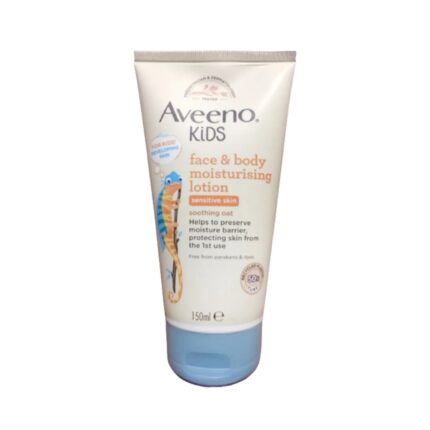 Sale
SaleOriginal price was: ৳ 1,750.00.৳ 1,349.00Current price is: ৳ 1,349.00.
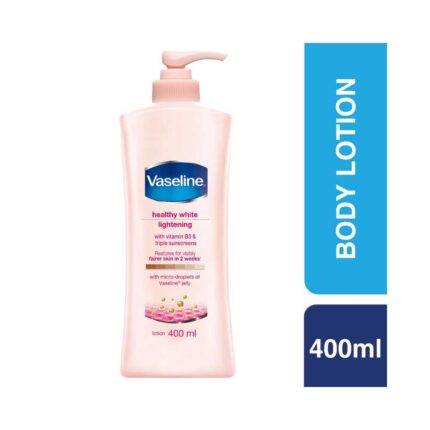 Sale
SaleOriginal price was: ৳ 570.00.৳ 520.00Current price is: ৳ 520.00.
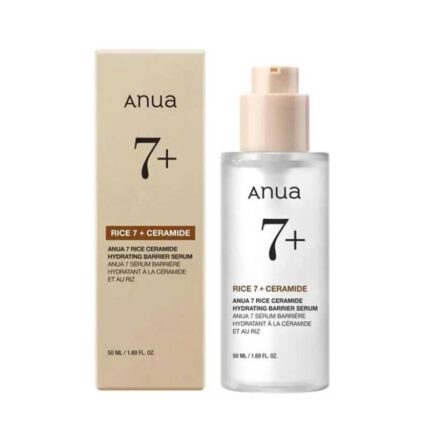 Sale
SaleOriginal price was: ৳ 3,160.00.৳ 2,212.00Current price is: ৳ 2,212.00.
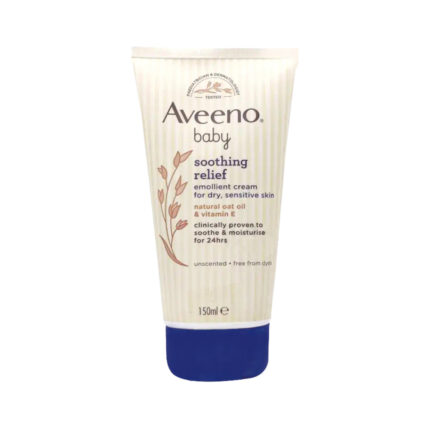 Sale
SaleOriginal price was: ৳ 2,300.00.৳ 1,490.00Current price is: ৳ 1,490.00.
The Skin Barrier: Your First Line of Defense
The skin barrier, also known as the stratum corneum, is a complex matrix often described as a “brick and mortar” structure. The “bricks” are your skin cells (corneocytes), and the “mortar” is a lipid mixture consisting primarily of ceramides, fatty acids, and cholesterol. This intricate arrangement is essential for keeping external aggressors out and vital moisture in. A robust skin barrier prevents transepidermal water loss (TEWL), a process where water evaporates from the skin’s surface, leading to dehydration. When this barrier is strong, your skin remains hydrated, supple, and protected against pollutants and irritants. Cholesterol’s specific molecular structure allows it to interlock with other lipids, creating a tightly sealed and organized barrier.
Cholesterol as a Key Skin Barrier Lipid
As a critical skin barrier lipid, cholesterol directly contributes to the structural integrity and impermeability of the stratum corneum. It fills the spaces between skin cells, forming a cohesive, protective sheet that locks in moisture and fends off environmental threats. Without adequate levels of cholesterol, the skin barrier becomes fragmented and porous, much like a wall with missing mortar. This compromised state leads to increased water loss, making the skin dry, rough, and prone to irritation. Studies consistently show that skin conditions characterized by impaired barrier function, such as eczema and atopic dermatitis, often exhibit altered ratios or deficiencies in these essential lipids, including cholesterol.
The Mechanism: How Cholesterol Fortifies Skin
The magic of cholesterol in the skin barrier lies in its unique chemical properties. It is an amphipathic molecule, meaning it has both hydrophilic (water-loving) and hydrophobic (water-fearing) regions. This characteristic allows it to orient itself strategically within the lipid lamellae, creating a highly organized and compact structure. This tight packing is what gives the skin barrier its strength and ability to resist penetration by external substances. Furthermore, cholesterol helps regulate skin fluidity and flexibility, ensuring the barrier can adapt to movement and maintain its integrity under various stresses. Its presence is non-negotiable for a healthy, functioning skin barrier.
Cholesterol as a Moisturizing Ingredient in Skincare
Given its crucial role in preventing water loss and fortifying the skin barrier, it’s no surprise that cholesterol is a highly effective moisturizing ingredient. When incorporated into topical skincare products, it works by replenishing the skin’s natural lipid reserves, thereby strengthening the barrier from the outside in. This external supplementation helps to restore the skin’s ability to hold onto moisture, leading to improved hydration levels and a reduction in dryness and flakiness. Unlike humectants that draw water into the skin, cholesterol acts as an occlusive and restorative agent, sealing the existing moisture within and rebuilding the skin’s natural defenses. Products containing cholesterol often provide long-lasting hydration that feels rich yet non-greasy.
Synergistic Power: Cholesterol with Ceramides and Fatty Acids
While cholesterol is powerful on its own, its efficacy is significantly amplified when combined with ceramides and fatty acids in skincare formulations. These three lipids are often referred to as the “essential trio” for skin barrier repair because they exist naturally in an optimal ratio within healthy skin. When applied topically in formulations that mimic this natural balance, they work synergistically to repair, restore, and maintain the skin barrier more effectively than any single lipid could alone. According to dermatological research, a typical healthy skin barrier contains these lipids in an approximate molar ratio of 50% ceramides, 25% cholesterol, and 15% fatty acids. Skincare products designed with these ratios in mind offer superior barrier support.
Benefits of Cholesterol in Skincare Products
Integrating products rich in cholesterol into your routine can offer a multitude of benefits for various skin types and concerns. The primary advantage is enhanced barrier function, which translates into stronger, more resilient skin. This improvement leads to reduced sensitivity, less redness, and better protection against environmental damage like pollution and UV radiation. Additionally, because cholesterol is a potent moisturizing ingredient, it significantly boosts skin hydration, making the complexion feel smoother, softer, and more comfortable. It is particularly beneficial for dry, sensitive, aging, or compromised skin, helping to alleviate symptoms of irritation and restore a healthy glow. Many people find their skin feels less “tight” and more supple.
Who Can Benefit from Cholesterol in Skincare?
Virtually everyone can benefit from the inclusion of cholesterol in their skincare regimen, but certain individuals may find it particularly transformative. Those with dry or very dry skin, experiencing persistent flakiness and discomfort, will appreciate its intense moisturizing properties. Individuals with sensitive skin, prone to redness and irritation, can find relief as cholesterol helps to fortify their weakened skin barrier. Aging skin, which naturally experiences a decline in lipid production, benefits from cholesterol’s restorative abilities, helping to maintain firmness and reduce the appearance of fine lines. Even those with oily or acne-prone skin, if their barrier is compromised, can benefit from non-comedogenic formulations that include this essential lipid without clogging pores. Its broad utility makes it a versatile ingredient.
Aging Skin and Cholesterol Depletion
As we age, the natural lipid composition of our skin undergoes significant changes. The production of essential lipids, including cholesterol, ceramides, and fatty acids, begins to decline. This natural reduction directly impacts the integrity and function of the skin barrier, making older skin more susceptible to dryness, increased sensitivity, and a slower recovery from environmental stressors. Replenishing these depleted lipids through topical application of cholesterol-rich products can help to counteract these age-related changes. It supports the skin’s natural renewal processes and maintains a more youthful, resilient appearance. This targeted approach addresses the root cause of age-related skin barrier decline.
Addressing Common Skin Concerns with Cholesterol
Beyond general hydration and barrier support, cholesterol can specifically help in managing several common skin concerns. For individuals dealing with compromised barriers due to over-exfoliation or harsh treatments, cholesterol-containing products can accelerate recovery and soothe irritation. In conditions like eczema, where the skin barrier is inherently dysfunctional, topical cholesterol can assist in restoring the lipid balance and reducing flare-ups. Even for those seeking to maintain optimal skin health, incorporating cholesterol can act as a preventative measure, safeguarding the skin against future damage and promoting long-term resilience. Its reparative qualities are especially valuable for troubled skin. Clinical studies have shown significant improvement in barrier function and a reduction in discomfort for individuals with certain skin conditions when using lipid-rich creams.
How to Identify Cholesterol in Your Skincare Products
When searching for skincare products that harness the power of cholesterol, it’s important to know what to look for on ingredient lists. Cholesterol will typically be listed simply as “cholesterol.” You will often find it alongside other barrier-supporting lipids like “ceramides” (e.g., Ceramide NP, Ceramide AP, Ceramide EOP) and “fatty acids” (e.g., linoleic acid, oleic acid, stearic acid). A well-formulated product will usually feature these key ingredients together, often highlighting their role in barrier repair on the product packaging. Pay attention to the overall ingredient list, looking for minimal irritants and a focus on nourishing, restorative compounds. Reputable brands often make their lipid ratios transparent. Ensure the product is suitable for your skin type, especially if you have specific sensitivities.
The Science Behind Cholesterol and Dermal Health
From a scientific standpoint, cholesterol’s impact on dermal health extends beyond just physical barrier formation. It also plays a role in cellular communication and signaling within the skin. While more research is ongoing, it is understood that cholesterol contributes to the overall cellular environment that fosters healthy skin cell growth and differentiation. This sophisticated involvement underscores why it is not merely a passive structural element but an active participant in maintaining robust skin function. Its presence is vital for the continuous renewal and repair processes that keep skin looking and feeling healthy. The intricate interplay of lipids directly influences cellular behavior and longevity.
Misconceptions About Cholesterol in Skincare
It is important to differentiate between dietary cholesterol and its topical application in skincare. The cholesterol you consume has a different metabolic pathway and impact on your internal health compared to cholesterol applied to the skin. Topically, cholesterol is not absorbed into the bloodstream in a way that affects systemic cholesterol levels. Its action is localized to the skin’s surface and epidermis, where it performs its barrier-repairing and moisturizing functions. There is no scientific evidence to suggest that using skincare products with cholesterol poses any risk to cardiovascular health. Understanding this distinction helps to dispel any lingering concerns based on general health associations with the word “cholesterol.”
Integrating Cholesterol into Your Routine
Incorporating cholesterol-rich products into your daily skincare routine is straightforward. These products are typically found in the form of serums, creams, or lotions designed for barrier repair and intense hydration. They are best applied after cleansing and any lighter serums (like antioxidants or hyaluronic acid). For optimal results, use them morning and night. If you have particularly dry or compromised skin, a thicker cream with cholesterol might be ideal. For those with normal to slightly dry skin, a lighter lotion or serum can provide ample benefits. Always follow up with sunscreen during the day to protect your newly fortified barrier from UV damage. Consistency is key to seeing lasting improvements in skin health and resilience.
Future of Cholesterol in Skincare Innovation
The understanding of cholesterol’s role in skin health continues to evolve, paving the way for further innovation in skincare. Researchers are constantly exploring new ways to optimize the delivery and efficacy of cholesterol, often in combination with other biomimetic ingredients. The focus remains on creating formulations that closely mimic the skin’s natural lipid composition, offering targeted solutions for a wider range of skin concerns, from chronic dryness to inflammatory conditions. As scientific understanding deepens, we can expect even more sophisticated and effective products that leverage the profound benefits of this essential skin barrier lipid. The industry is moving towards highly specific and restorative ingredient profiles.
Frequently Asked Questions
Is cholesterol good for acne-prone skin?
Yes, cholesterol can be beneficial for acne-prone skin, especially if the skin barrier is compromised. A healthy barrier is crucial for managing acne, and cholesterol helps strengthen it, reducing inflammation and supporting overall skin health without clogging pores when in appropriate formulations. Always choose non-comedogenic products.
Can I use cholesterol skincare products if I have high blood cholesterol?
Absolutely. Topical cholesterol in skincare products acts locally on the skin’s surface and does not get absorbed into the bloodstream in a manner that would affect systemic blood cholesterol levels. Its benefits are strictly for external skin health.
How quickly can I expect to see results from cholesterol in skincare?
While individual results vary, many users report feeling a difference in skin hydration and comfort within a few days of consistent use. More significant improvements in skin barrier function, reduced sensitivity, and overall resilience typically become noticeable over several weeks to a month of regular application.
Is cholesterol a natural ingredient?
Yes, cholesterol is a naturally occurring lipid in human skin and throughout the body. In skincare products, it can be sourced from lanolin (animal-derived) or synthesized in labs to be plant-derived or vegan-friendly, making it available for diverse ethical preferences.
Final Thoughts
The journey to understanding cholesterol in skincare reveals a compelling story of an unsung hero. Far from being a villain, this vital lipid stands as a cornerstone of skin health, diligently working to build and maintain the formidable skin barrier that protects us daily. By recognizing cholesterol as an indispensable moisturizing ingredient and a critical skin barrier lipid, we empower ourselves to make informed skincare choices that genuinely nurture and restore our skin. Embrace products that harness the power of this essential compound to cultivate a complexion that is not only hydrated and smooth but also resilient, strong, and truly healthy from within.