
Titanium Dioxide: Your Guide to a Mineral UV Filter

Understanding the ingredients in your skincare and sun protection products is crucial for informed choices. Among these, Titanium Dioxide stands out as a fundamental compound. This naturally occurring mineral is a cornerstone in the world of sunscreens, celebrated for its ability to create a physical barrier against the sun’s harsh rays. By exploring its unique properties and applications, you will gain clarity on why this mineral uv filter is so widely trusted, empowering you to better protect your skin.
What Exactly is Titanium Dioxide?
Titanium Dioxide, often abbreviated as TiO2, is an inorganic compound derived from titanium, a common element found in the Earth’s crust. It exists as a fine, white powder, prized for its bright white pigment and its exceptional ability to scatter and absorb ultraviolet (UV) light. Chemically stable and non-toxic, it plays a vital role across numerous industries, far beyond just sun protection. Its natural presence in minerals like rutile, anatase, and brookite highlights its inherent stability. This versatility is key to its widespread adoption in various consumer goods.
Recommended Products
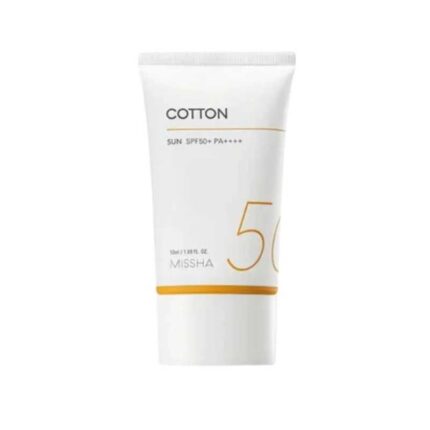 Sale
SaleOriginal price was: ৳ 1,290.00.৳ 903.00Current price is: ৳ 903.00.
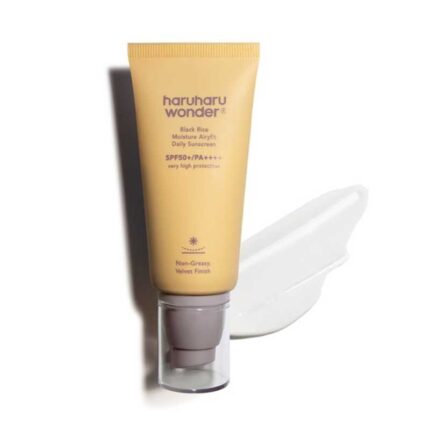 Sale
SaleOriginal price was: ৳ 2,040.00.৳ 1,428.00Current price is: ৳ 1,428.00.
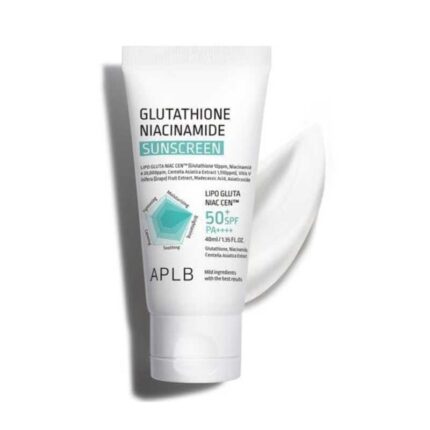 Sale
SaleOriginal price was: ৳ 1,260.00.৳ 882.00Current price is: ৳ 882.00.
 Sale
SaleOriginal price was: ৳ 1,900.00.৳ 1,330.00Current price is: ৳ 1,330.00.
The Historical Journey of Titanium Dioxide
The use of titanium dioxide dates back further than many realize, though its application in modern skincare is more recent. Early forms of titanium dioxide were used as a white pigment in paints, plastics, and paper due to its unparalleled brightness and opacity. Its UV-blocking properties were not fully recognized or utilized in personal care until the mid-20th century. With advancements in material science, manufacturers learned to refine and micronize the particles, making them suitable for cosmetic formulations. This evolution transformed it into a cornerstone sunscreen active ingredient, moving beyond its pigment-only roles.
Titanium Dioxide as a Powerful Mineral UV Filter
In the realm of sun protection, titanium dioxide functions as a physical or mineral UV filter. Unlike chemical filters that absorb UV radiation and convert it into heat, titanium dioxide sits on the skin’s surface, creating a protective shield. It works by both reflecting and scattering harmful UVA and UVB rays before they can penetrate the skin. This dual action makes it highly effective against a broad spectrum of ultraviolet light. Its efficacy as a mineral uv filter is why it is consistently recommended by dermatologists, especially for those with sensitive skin types or conditions like rosacea.
How Titanium Dioxide Provides Broad-Spectrum Protection
The mechanism by which titanium dioxide offers broad-spectrum protection is fascinating and highly effective. When UV light hits the skin coated with titanium dioxide, the mineral particles act like tiny mirrors. They scatter and reflect the incoming photons, preventing them from reaching and damaging skin cells. Furthermore, smaller titanium dioxide particles also absorb some UV radiation, adding another layer of defense. This combined reflection, scattering, and absorption ensures comprehensive coverage against both burning UVB rays and aging UVA rays. Research indicates that titanium dioxide effectively blocks wavelengths primarily in the UVB range (290-320 nm) and also a significant portion of UVA2 (320-340 nm).
Distinguishing Mineral from Chemical Sunscreens
Understanding the difference between mineral and chemical sunscreens is important for consumers. Mineral sunscreens, like those featuring titanium dioxide and zinc oxide, are often called physical blockers because they form a physical barrier on the skin. Chemical sunscreens, conversely, contain organic compounds such as oxybenzone or avobenzone. These compounds absorb UV radiation and trigger a chemical reaction on the skin that converts it into heat, which then dissipates. The appeal of a mineral uv filter like titanium dioxide lies in its gentle nature and minimal skin penetration, making it a preferred choice for many.
Titanium Dioxide as a Key Sunscreen Active Ingredient
For a product to be classified as a sunscreen in many regulatory markets, it must contain approved active ingredients. Titanium dioxide holds this status as a recognized sunscreen active ingredient. Its inclusion ensures that the product meets specific criteria for UV protection effectiveness and safety. Regulatory bodies, such as the FDA in the United States, rigorously test and approve these ingredients based on extensive scientific data. This designation provides consumers with confidence in the protective capabilities of sunscreens formulated with titanium dioxide. Its reliable performance has cemented its place in countless reputable sun protection products globally.
Micronized vs. Non-Micronized Titanium Dioxide
Particle size plays a significant role in the aesthetics and performance of titanium dioxide in sunscreen. Non-micronized, or larger, titanium dioxide particles are highly effective at blocking UV rays but often leave a noticeable white cast on the skin. To address this, manufacturers developed micronized titanium dioxide, which consists of much smaller particles. While still providing excellent UV protection, these smaller particles are less visible on the skin, reducing the white residue. However, the efficacy can sometimes be slightly altered, and some debate exists regarding the potential for very small particles to penetrate skin. The goal remains effective sun protection with improved cosmetic elegance.
The Safety Profile of Titanium Dioxide in Skincare
When applied topically, titanium dioxide is considered extremely safe for human skin. Its large molecular size prevents it from being absorbed into the bloodstream, meaning it remains on the skin’s surface to perform its protective function. This makes it an ideal sunscreen active ingredient for individuals with sensitive skin, children, and pregnant women. Extensive research and regulatory reviews have consistently affirmed its safety for topical use. Organizations worldwide continue to monitor and evaluate all sunscreen ingredients, reinforcing the confidence in titanium dioxide’s established safety record for external application.
Addressing Nanoparticle Concerns
Concerns have occasionally arisen regarding nanoparticles of titanium dioxide. While smaller, nano-sized particles are used to reduce the white cast in sunscreens, numerous studies have confirmed that these particles do not penetrate healthy skin to a significant degree. Research published in the Journal of Investigative Dermatology, for instance, has shown that even nano-sized titanium dioxide largely stays on the stratum corneum, the outermost layer of the skin. The primary concern with nanoparticles relates more to inhalation risks, which is why spray sunscreens containing titanium dioxide should be used cautiously to avoid breathing in the fine mist. For creams and lotions, topical application of nano-sized titanium dioxide is largely considered safe.
Beyond Sunscreen: Other Uses in Cosmetics
While celebrated as a mineral uv filter, titanium dioxide’s utility extends far beyond sun protection in the cosmetics industry. Its bright white pigment makes it an invaluable opacifying agent in foundations, concealers, and powders, providing coverage and enhancing color vibrancy. It also helps to whiten toothpaste and other personal care items. Furthermore, its ability to reflect light can create a soft-focus effect in makeup, minimizing the appearance of fine lines and imperfections. This versatility underscores its importance as a multifaceted ingredient in the beauty world, contributing to both aesthetic and protective functions.
Formulation Challenges and Solutions
Despite its benefits, formulating with titanium dioxide presents specific challenges for cosmetic chemists. The most notable challenge is minimizing the infamous white cast, especially with non-micronized forms. Achieving even dispersion of the mineral particles throughout a formulation is also critical to ensure consistent UV protection. Modern solutions include encapsulating titanium dioxide particles or combining them with other ingredients that improve spreadability and transparency. Advances in particle engineering and blending techniques have significantly improved the cosmetic elegance of titanium dioxide sunscreens. These innovations allow consumers to enjoy powerful protection without compromising on appearance.
Choosing Products with Titanium Dioxide
When selecting skincare products, especially sunscreens, those containing titanium dioxide offer a reliable choice for effective UV protection. Look for products labeled “mineral sunscreen” or “physical sunscreen” to ensure you are getting a formulation with a mineral uv filter. Consider your skin type and preferences; if you dislike a white cast, seek out products that specify “micronized” or “non-nano” titanium dioxide, which often blend in more seamlessly. Always check the active ingredients list to confirm its presence. Opting for a reputable brand with broad-spectrum claims further ensures you receive high-quality sun protection.
The Future of Mineral UV Filters
The demand for gentle yet effective sun protection continues to grow, cementing the future of mineral UV filters like titanium dioxide. Ongoing research focuses on further refining particle sizes and coatings to enhance cosmetic elegance without compromising efficacy. Innovations aim to improve dispersion, reduce white cast, and potentially increase SPF values from mineral-only formulations. As consumer awareness about chemical filters rises, the preference for natural, physical blockers is likely to strengthen. This continuous advancement ensures that titanium dioxide will remain a leading sunscreen active ingredient for years to come, adapting to evolving consumer needs and scientific discoveries.
Comparative Analysis: Titanium Dioxide vs. Zinc Oxide
Both titanium dioxide and zinc oxide are prominent mineral UV filters, often used together in sunscreens. While both provide broad-spectrum protection, they have slight differences. Titanium dioxide is particularly effective at blocking UVB and short-wave UVA rays (UVA2). Zinc oxide offers a broader range of UVA protection, extending further into the long-wave UVA1 spectrum. For optimal comprehensive protection, many formulations combine both mineral compounds. The synergy between them creates a robust barrier against the full spectrum of harmful UV radiation. Each serves as an excellent sunscreen active ingredient, and together they are a formidable team.
Regulations and Standards for Sunscreen Active Ingredients
The regulation of sunscreen active ingredients, including titanium dioxide, is stringent and varies across different regions. In the United States, the FDA classifies titanium dioxide as a Category I active ingredient, meaning it is generally recognized as safe and effective (GRASE). Similar regulatory bodies in Europe, Australia, and Asia also approve and regulate its use. These regulations dictate permissible concentrations, testing standards, and labeling requirements for sunscreens. Such oversight ensures that products containing titanium dioxide are not only effective in blocking UV rays but also safe for consumer use, adhering to rigorous scientific and public health standards.
Benefits for Sensitive Skin Types
One of the most significant advantages of titanium dioxide is its suitability for sensitive skin. Because it works by sitting on the skin’s surface and reflecting UV rays rather than being absorbed, it is less likely to cause irritation or allergic reactions compared to some chemical sunscreens. Dermatologists frequently recommend mineral uv filter sunscreens for individuals prone to redness, rosacea, acne, or eczema. Its inert nature means it rarely triggers adverse skin responses, making it a gentle yet powerful option for daily sun protection. This makes it an ideal sunscreen active ingredient for a broad range of users.
Titanium Dioxide in Makeup and Other Cosmetics
Beyond traditional sunscreens, titanium dioxide is a ubiquitous ingredient in various makeup and cosmetic products. It is commonly found in foundations, BB creams, tinted moisturizers, and even some lip balms, offering a dual benefit of aesthetic enhancement and incidental sun protection. Its role as a pigment provides excellent coverage, evening out skin tone and concealing imperfections. When incorporated into makeup, it contributes to a smoother finish and can provide an added layer of defense against daily UV exposure. This integration highlights its versatility and value in the beauty industry.
How Titanium Dioxide Contributes to Product Stability
In addition to its UV-filtering properties, titanium dioxide can also contribute to the overall stability of cosmetic formulations. Its inert nature means it does not readily react with other ingredients, which helps maintain product integrity over time. In some cases, it can even act as a photostabilizer for other UV filters or sensitive ingredients, preventing their degradation when exposed to light. This dual function of protection and stabilization makes it a highly valuable component in complex skincare and cosmetic products. Its reliability ensures that formulas remain effective and safe throughout their shelf life.
Addressing the White Cast: Innovations in Formulation
The “white cast” left by traditional titanium dioxide sunscreens has historically been a barrier for many consumers. However, significant innovations in cosmetic science have largely overcome this challenge. Manufacturers now utilize advanced milling techniques to create ultra-fine, transparent titanium dioxide particles that blend seamlessly into all skin tones. The development of tinted mineral sunscreens, which incorporate iron oxides, further helps to counteract any residual white appearance. These advancements mean consumers no longer have to choose between effective protection and an invisible finish. Modern formulations provide robust mineral uv filter benefits with enhanced aesthetic appeal.
Consumer Perception and Education
Consumer perception of titanium dioxide has evolved significantly over time, driven by increased awareness and education regarding sun protection ingredients. There’s a growing preference for mineral sunscreens due to perceived safety and suitability for sensitive skin. Educational efforts by dermatologists and health organizations have played a crucial role in dispelling myths and clarifying the benefits of mineral UV filters. Providing clear, science-backed information helps consumers make informed decisions about their sun protection strategies. This ongoing dialogue ensures that titanium dioxide remains a trusted and understood sunscreen active ingredient.
Dispelling Myths About Mineral Sunscreens
Several myths surround mineral sunscreens, particularly concerning titanium dioxide. One common misconception is that mineral sunscreens are less effective than chemical ones. In reality, well-formulated mineral sunscreens provide excellent broad-spectrum protection. Another myth is that they are always thick and leave a heavy white residue. As discussed, modern formulations have largely addressed this with micronized and tinted versions. It’s also sometimes believed that mineral sunscreens are difficult to apply. With advancements, many now spread easily and absorb well. Disproving these myths helps consumers fully appreciate the benefits of this reliable mineral uv filter.
Impact on Marine Life: A Closer Look
The environmental impact of sunscreen ingredients, especially on marine ecosystems, has gained considerable attention. While some chemical UV filters have been linked to coral bleaching, mineral filters like titanium dioxide are generally considered more reef-safe. However, studies are ongoing to understand the full ecological impact of titanium dioxide nanoparticles in marine environments. The general consensus among environmental groups often recommends mineral-based sunscreens as a more eco-friendly alternative. Research suggests that titanium dioxide is less harmful to marine life compared to certain chemical counterparts, reinforcing its appeal as a responsible sunscreen active ingredient choice.
Frequently Asked Questions
Is Titanium Dioxide safe for daily use on the face?
Yes, titanium dioxide is widely considered safe and highly recommended for daily facial use. Its gentle, non-comedogenic nature makes it suitable for all skin types, including sensitive and acne-prone skin, without causing irritation or clogged pores.
Does Titanium Dioxide protect against both UVA and UVB rays?
Absolutely. Titanium dioxide is an effective broad-spectrum mineral UV filter, providing robust protection against both harmful UVA rays (which contribute to aging) and UVB rays (which cause sunburn).
Can Titanium Dioxide cause acne or breakouts?
No, titanium dioxide is generally non-comedogenic, meaning it does not typically clog pores or cause acne. Its inert nature and topical action make it a good choice for individuals prone to breakouts, unlike some heavier, oil-based formulations.
How often should I reapply sunscreen with Titanium Dioxide?
For optimal protection, sunscreens with titanium dioxide, like all sunscreens, should be reapplied every two hours when exposed to direct sunlight, or immediately after swimming or excessive sweating. Consistent reapplication is key for sustained defense.
Final Thoughts
In conclusion, Titanium Dioxide stands as an indispensable ingredient in modern skincare and sun protection. As a highly effective mineral UV filter and a trusted sunscreen active ingredient, it offers broad-spectrum protection, gentle application, and minimal irritation, making it ideal for a diverse range of users. Its journey from a simple pigment to a sophisticated sun defense compound highlights continuous innovation. By choosing products formulated with titanium dioxide, you actively prioritize your skin’s health, ensuring robust protection against the sun’s damaging effects for a clearer, healthier complexion.