
Tartaric Acid: Your Guide to a Brighter Complexion

Achieving radiant, healthy-looking skin often involves understanding powerful ingredients. Among these, Tartaric Acid stands out as a remarkable alpha hydroxy acid (AHA). This naturally occurring compound, found in grapes and other fruits, has become a cornerstone in many advanced skincare formulations. It offers a gentle yet effective approach to exfoliation, helping to reveal a smoother, brighter complexion. By learning about this dynamic ingredient, you gain valuable insight into how to elevate your personal skincare regimen.
Understanding Tartaric Acid: The Exfoliating Fruit Acid
Tartaric acid is an organic acid, specifically a dicarboxylic acid. It naturally occurs in various plants, with grapes, tamarinds, and citrus fruits being primary sources. In the world of skincare, it is classified as an exfoliating fruit acid. Its molecular structure allows it to interact with the skin’s surface, promoting a gentle shedding of dead skin cells. This process is crucial for maintaining a fresh and youthful appearance, making tartaric acid a sought-after AHA ingredient.
Recommended Products
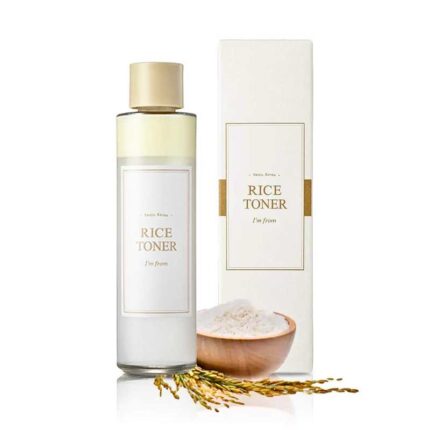
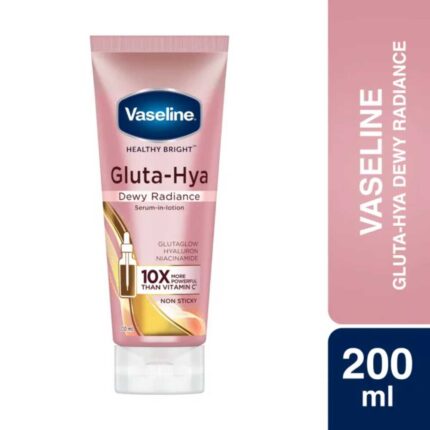
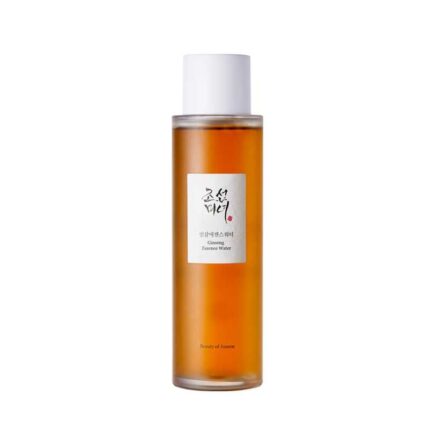 Sale
SaleOriginal price was: ৳ 2,840.00.৳ 1,988.00Current price is: ৳ 1,988.00.
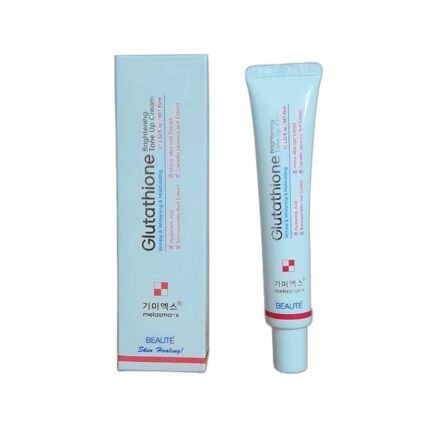 Sale
SaleOriginal price was: ৳ 1,250.00.৳ 950.00Current price is: ৳ 950.00.
The Skincare Benefits of This Powerful AHA Ingredient
The role of tartaric acid in skincare extends far beyond simple exfoliation. As a versatile AHA ingredient, it offers a spectrum of advantages for various skin types and concerns. Its unique properties help improve skin texture, enhance brightness, and even out skin tone. Users often report a more luminous and refined complexion after consistent use. This makes it an invaluable addition to many targeted treatment products designed for skin rejuvenation.
Gentle Exfoliation for Smoother Skin
One of the primary benefits of tartaric acid is its exfoliating action. It helps to dissolve the bonds between dead skin cells on the uppermost layer of the epidermis. This natural process encourages cellular turnover, revealing the fresh, healthy skin underneath. Unlike some harsher exfoliants, tartaric acid works subtly, making it suitable for those seeking effective renewal without excessive irritation. Regular use contributes to a noticeably smoother and softer skin texture.
Antioxidant Protection Against Environmental Stressors
Beyond its exfoliating prowess, tartaric acid also functions as an antioxidant. Antioxidants are vital for protecting the skin from damage caused by free radicals, which are unstable molecules generated by environmental stressors like pollution and UV radiation. By neutralizing these free radicals, tartaric acid helps to preserve the skin’s integrity and prevent premature signs of aging. This dual action makes it a comprehensive ingredient for skin health.
Enhancing Skin Hydration and Barrier Function
Research suggests that tartaric acid can also contribute to improved skin hydration. It may help to strengthen the skin’s natural moisture barrier, reducing transepidermal water loss. A robust skin barrier is essential for healthy, resilient skin, as it locks in moisture and keeps irritants out. By supporting this barrier, tartaric acid helps the skin remain plump, supple, and less prone to dryness, making it an excellent choice for maintaining skin vitality.
Targeting Specific Concerns with Tartaric Acid
The multifaceted nature of tartaric acid allows it to address several common skincare concerns effectively. Its combined exfoliating and antioxidant properties make it a powerful ally in the quest for clearer, more even, and youthful-looking skin. Incorporating products with this AHA ingredient can lead to visible improvements across a range of issues. Understanding these specific applications helps consumers make informed choices for their routines.
Improving Uneven Skin Tone and Texture
Many individuals struggle with uneven skin tone, dark spots, and rough texture. Tartaric acid can significantly help mitigate these issues. By accelerating cell turnover, it aids in shedding pigmented cells and promoting a more uniform complexion. The result is often a brighter, more even skin tone and a noticeably smoother surface. Consistent application can diminish the appearance of sun spots and post-inflammatory hyperpigmentation, revealing enhanced clarity.
Addressing Acne and Blemishes
For those prone to acne, tartaric acid offers a gentle yet effective solution. Its exfoliating properties help to clear clogged pores, which are a primary cause of blackheads, whiteheads, and pimples. By preventing the buildup of dead skin cells and sebum, it helps keep pores clear and reduces the likelihood of breakouts. While not a primary acne treatment like salicylic acid, its supportive role in maintaining clear pores is significant. Studies suggest a reduction in mild acne lesions with regular AHA use.
Reducing the Appearance of Fine Lines and Wrinkles
The signs of aging, such as fine lines and wrinkles, can be softened with consistent use of tartaric acid. By promoting cellular renewal, it encourages the production of new, healthier skin cells. This can lead to a plumping effect that minimizes the depth of superficial lines. Furthermore, its antioxidant capabilities protect against collagen breakdown, helping to preserve skin elasticity over time. It contributes to a more youthful and refreshed appearance.
Tartaric Acid Versus Other AHAs: A Comparison
While tartaric acid is a potent AHA, it’s important to understand how it compares to other popular alpha hydroxy acids. Each AHA possesses unique characteristics that make it suitable for different skin types and concerns. Knowing these distinctions empowers consumers to choose the most appropriate ingredient for their specific needs. This comparative analysis helps clarify tartaric acid’s place within the broader AHA family.
Glycolic Acid: The Gold Standard Exfoliating Fruit Acid
Glycolic acid is perhaps the most well-known AHA, renowned for its small molecular size, allowing deep penetration. It is highly effective for reducing wrinkles and improving overall skin texture. Tartaric acid, with a larger molecular structure, penetrates less deeply and acts more on the surface. This often makes tartaric acid a gentler option, especially for those with sensitive skin who may find glycolic acid too potent.
Lactic Acid: A Hydrating Exfoliant
Lactic acid is another popular AHA, celebrated for its hydrating properties in addition to its exfoliating capabilities. Derived from milk, it is typically gentler than glycolic acid and helps improve the skin’s natural moisture factor. Tartaric acid shares some of this gentleness and hydration support. However, lactic acid is often preferred for very dry or sensitive skin due to its distinct moisture-binding abilities. Both are excellent choices as an exfoliating fruit acid.
Mandelic Acid: Ideal for Sensitive and Acne-Prone Skin
Mandelic acid has the largest molecular weight among the common AHAs. This means it penetrates the skin very slowly and superficially, making it exceptionally gentle. It is often recommended for sensitive skin types, rosacea, and those prone to post-inflammatory hyperpigmentation. Tartaric acid falls between mandelic and glycolic in terms of molecular size and penetration, offering a balance of efficacy and mildness for many users.
Citric Acid: Antioxidant and pH Balancer
Citric acid, found in citrus fruits, is an AHA known for its antioxidant properties and its role in balancing product pH. While it does provide some exfoliation, its primary functions in skincare often revolve around antioxidant protection and formulation stability. Tartaric acid, conversely, is primarily recognized for its direct exfoliating benefits and overall skin renewal, though it also offers antioxidant effects. Both contribute to a well-rounded skincare formulation.
How to Incorporate Tartaric Acid into Your Routine
Integrating tartaric acid into your daily or weekly skincare regimen can significantly enhance your results. However, proper introduction and consistent use are key to maximizing its benefits while minimizing potential irritation. Consider your skin type and existing routine when adding any new active ingredient. A thoughtful approach ensures the best outcome for your complexion.
Choosing the Right Products with This AHA Ingredient
Tartaric acid is found in various skincare products, including cleansers, toners, serums, and masks. Serums and toners often provide the most concentrated delivery, making them ideal for targeted treatment. Cleansers with tartaric acid offer a mild daily exfoliation, while masks provide an intensive weekly boost. Look for products that clearly state the percentage of AHAs or that feature tartaric acid high on the ingredient list. Product pH also influences efficacy, with optimal ranges typically between 3.0 and 4.0.
Starting Slowly and Patch Testing
When introducing any new exfoliating fruit acid, begin with a lower concentration and use it less frequently. For example, start with a product 2-3 times a week, gradually increasing frequency as your skin adapts. Always perform a patch test on a small, inconspicuous area of skin, such as behind the ear or on the inner forearm, 24-48 hours before full application. This helps identify any adverse reactions before widespread use.
Prioritizing Sun Protection
AHAs like tartaric acid can increase skin sensitivity to the sun. This makes daily sun protection absolutely non-negotiable when using products containing this ingredient. Apply a broad-spectrum sunscreen with an SPF of 30 or higher every morning, even on cloudy days. Reapply every two hours when exposed to direct sunlight. Wearing protective clothing and seeking shade are also important practices to prevent sun damage.
Potential Side Effects and Precautions for Tartaric Acid
While tartaric acid is generally well-tolerated, especially at lower concentrations, it’s essential to be aware of potential side effects. Like any active skincare ingredient, it can cause reactions in some individuals, particularly those with highly sensitive skin. Understanding these precautions helps ensure a safe and effective experience with this powerful AHA ingredient. Always listen to your skin and adjust use accordingly.
Managing Irritation and Redness
Some individuals may experience mild irritation, redness, tingling, or dryness, especially when first introducing tartaric acid products. These sensations are usually temporary and subside as the skin adjusts. If irritation persists or becomes severe, reduce frequency of use or discontinue the product. Pairing with hydrating and soothing ingredients like hyaluronic acid or ceramides can help mitigate these effects. It’s reported that up to 20% of users experience initial mild tingling.
Increased Sun Sensitivity
As mentioned, tartaric acid enhances skin sensitivity to UV radiation. This increased photosensitivity means the skin is more vulnerable to sunburn and sun damage. Consistent and diligent use of broad-spectrum sunscreen is paramount. Failing to use adequate sun protection can negate the benefits of tartaric acid and increase the risk of hyperpigmentation and premature aging.
Who Should Exercise Caution or Avoid It
Individuals with extremely sensitive skin, rosacea, eczema, or compromised skin barriers should approach tartaric acid with caution. Pregnant or breastfeeding individuals should consult a doctor before using any AHA products. If you are using other strong exfoliating agents (like retinoids or other high-percentage AHAs/BHAs), introduce tartaric acid very carefully to avoid over-exfoliation, which can damage the skin barrier. Always consult a dermatologist if you have underlying skin conditions or concerns.
Formulation Considerations for Effective Tartaric Acid Products
The efficacy and safety of a tartaric acid product are heavily influenced by its formulation. Factors like pH level, concentration, and the presence of other ingredients play a critical role in how the AHA ingredient performs on the skin. Understanding these technical aspects can help consumers select the most beneficial products for their specific needs. Well-formulated products ensure stability and optimal delivery.
The Importance of pH Levels
The pH of an AHA product directly impacts its effectiveness. For tartaric acid, like other AHAs, a pH range between 3.0 and 4.0 is generally considered optimal for exfoliation. At higher pH levels, the acid becomes less active, while at very low pH levels, it can be overly irritating. Formulators carefully balance these levels to create a product that is both effective and gentle enough for regular use. According to cosmetic chemists, maintaining this pH is critical for AHA performance.
Concentration and Synergistic Ingredients
Tartaric acid concentrations in skincare products typically range from 1% to 10%. Lower concentrations offer mild exfoliation and are suitable for daily use or sensitive skin. Higher concentrations provide more intensive treatment but require careful introduction. Formulations often combine tartaric acid with other AHAs or soothing ingredients to create a balanced product. For instance, combining it with hyaluronic acid can enhance hydration while exfoliating.
The Science Behind Tartaric Acid’s Skincare Action
Delving deeper into the scientific mechanisms of tartaric acid reveals why it is such an effective skincare ingredient. Its interaction with the skin’s cellular processes is complex and contributes to its diverse benefits. Understanding this science provides a foundation for appreciating its value in dermatological formulations. This scientific insight helps confirm its status as a beneficial exfoliating fruit acid.
Molecular Mechanism of Exfoliation
Tartaric acid, as an AHA, works by loosening the corneodesmosomes, which are the “glue” that holds dead skin cells together in the stratum corneum. This allows the old, dull cells to shed more easily. The result is a smoother skin surface and improved light reflection, leading to a brighter complexion. This action stimulates the skin’s natural renewal process, making it appear fresher and more vibrant. Cellular turnover rates can increase by up to 10% with regular AHA use.
Antioxidant Pathways
The antioxidant properties of tartaric acid stem from its chemical structure, which allows it to donate electrons to neutralize free radicals. This process protects cellular components, including collagen and elastin, from oxidative damage. By scavenging these harmful molecules, tartaric acid helps maintain the structural integrity of the skin. This dual role of exfoliation and protection makes it a comprehensive ingredient for skin health.
Natural Sources and Commercial Synthesis of Tartaric Acid
Tartaric acid’s origins are deeply rooted in nature, primarily found in various fruits. However, its commercial production for skincare and other industries involves both natural extraction and synthetic processes. Understanding its source can provide insight into its quality and purity. This dual origin ensures a consistent supply of this valuable AHA ingredient for diverse applications worldwide.
Grape-Derived and Other Fruit Sources
The most abundant natural source of tartaric acid is grapes, particularly during the wine-making process where it precipitates as potassium bitartrate (cream of tartar). It is also present in significant amounts in tamarinds, apples, and citrus fruits. These natural sources provide a bio-available form of the acid, often leading to a purer and more skin-compatible product. Extracts from these fruits are commonly utilized in natural skincare lines.
Synthetic Production and Purity
While natural extraction is common, tartaric acid can also be synthesized commercially. Synthetic production ensures a high level of purity and consistency, making it suitable for pharmaceutical and cosmetic grades. Strict quality controls are in place to ensure that both naturally derived and synthetically produced tartaric acid meet the necessary standards for safety and efficacy in skincare products. Global production of tartaric acid exceeds 50,000 tons annually.
A Consumer Guide to Tartaric Acid Skincare Products
Navigating the vast world of skincare products can be challenging. For those interested in incorporating tartaric acid, knowing what to look for on product labels is key. This guide helps you identify high-quality formulations and make informed purchasing decisions. Understanding label claims and ingredient lists ensures you select an effective AHA ingredient for your routine.
Identifying Effective Formulations
When selecting products, look for tartaric acid listed high on the ingredient list, indicating a higher concentration. Check the product’s pH if possible; some brands disclose this information. Products formulated with other beneficial ingredients like humectants (e.g., glycerin, hyaluronic acid) or soothing agents (e.g., allantoin, bisabolol) can enhance performance and reduce potential irritation. Avoid products with excessive fragrance or alcohol if you have sensitive skin.
Understanding Concentration and Product Type
For beginners or sensitive skin, start with lower concentrations (1-3%) found in toners or cleansers. As your skin adapts, you might progress to serums or masks with concentrations up to 10%. Remember, higher concentration does not always mean better; it’s about what your skin can tolerate. Reputable brands often provide clear guidance on product usage and suitable skin types for their tartaric acid formulations.
The Future of Tartaric Acid in Dermatology
The field of dermatology is constantly evolving, with new research continuously uncovering novel applications for existing ingredients. Tartaric acid, as a well-established AHA, is also subject to ongoing investigation into its full potential. Emerging studies and advanced formulation techniques promise to further solidify its place as a key player in modern skincare. This outlook suggests even more refined and targeted applications in the years to come.
Emerging Research and Applications
Researchers are exploring tartaric acid’s synergistic effects with other active ingredients, aiming to optimize its benefits for various skin conditions. Studies are also delving into more precise delivery systems that could enhance penetration and reduce irritation. The focus is on creating more stable and powerful formulations that harness the full spectrum of its exfoliating, antioxidant, and hydrating properties. This ongoing research promises new product innovations.
Personalized Skincare Trends
The trend towards personalized skincare means ingredients like tartaric acid will likely be incorporated into more customized formulations. Based on individual skin analyses, concentrations and combinations with other actives can be tailored to meet specific needs. This bespoke approach aims to maximize efficacy and minimize adverse reactions, offering consumers highly effective solutions that are perfectly suited to their unique skin profile.
Frequently Asked Questions
What exactly is tartaric acid and where does it come from?
Tartaric acid is a naturally occurring alpha hydroxy acid (AHA) found in various fruits, most notably grapes, tamarinds, and citrus. It’s a key ingredient in many skincare products, valued for its exfoliating properties and its ability to improve skin texture and tone. This organic acid plays an important role in the natural world and in cosmetic science.
How does tartaric acid benefit my skin?
As an exfoliating fruit acid, tartaric acid helps shed dead skin cells, promoting cellular renewal for a smoother, brighter complexion. It also offers antioxidant protection against environmental damage and can enhance skin hydration. These benefits contribute to a more even skin tone, reduced appearance of fine lines, and overall improved skin vitality.
Is tartaric acid suitable for all skin types?
Tartaric acid is generally considered milder than some other AHAs like glycolic acid, making it suitable for many skin types, including those with some sensitivity. However, individuals with extremely sensitive skin, rosacea, or compromised barriers should introduce it slowly. Always perform a patch test and observe your skin’s reaction to ensure compatibility.
Can I use products with tartaric acid every day?
Whether you can use tartaric acid daily depends on its concentration in the product and your skin’s tolerance. For beginners, it’s advisable to start with 2-3 times a week and gradually increase frequency. Daily use is possible for some, but always pair it with consistent broad-spectrum sunscreen. Listen to your skin and reduce frequency if irritation occurs.
Final Thoughts
Embracing the benefits of Tartaric Acid can be a transformative step for your skincare routine. This remarkable exfoliating fruit acid, a gentle yet effective AHA ingredient, offers a powerful pathway to a brighter, smoother, and more resilient complexion. By understanding its unique properties and incorporating it thoughtfully, you can unlock its potential to address concerns from uneven tone to fine lines. Remember to introduce it slowly, protect your skin from the sun, and consult with professionals if you have specific skin conditions. A consistent and informed approach will lead to lasting results, revealing the vibrant skin you deserve.