

Pentaerythrityl Tetraisostearate appears in many lotions and creams as a silky, skin-friendly ester. This ingredient delivers soft feel and helps reduce dry patches. Many shoppers notice improved spread and finish when this ingredient is present.
What is Pentaerythrityl Tetraisostearate?
Pentaerythrityl Tetraisostearate is an ester made from pentaerythritol and isostearic acid. Because it forms a light film on skin, it functions as an emollient and texture enhancer. Cosmetic brands often add Pentaerythrityl Tetraisostearate to creams to improve glide and sensory feel.
For example, Pentaerythrityl Tetraisostearate acts as a rich emollient ester ingredient that leaves skin soft without heavy residue. Studies show esters like this help reduce transepidermal water loss. That is why formulators favor it for lightweight moisturizing products.
Recommended Products
Beauty Of Joseon Radiance Cleansing Balm 100ml
Original price was: ৳ 2,540.00.৳ 1,778.00Current price is: ৳ 1,778.00.
View Details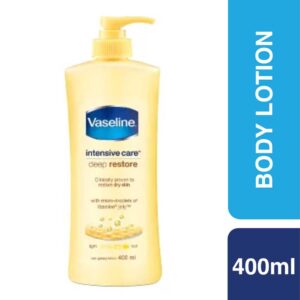
Vaseline Lotion Deep Restore 400ml
Original price was: ৳ 550.00.৳ 510.00Current price is: ৳ 510.00.
View Details
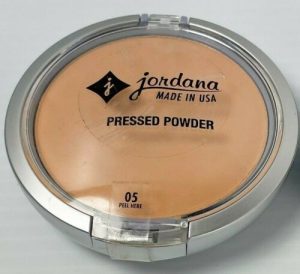
Jordana Pressed Powder – 05 Classic Sand
Original price was: ৳ 720.00.৳ 650.00Current price is: ৳ 650.00.
View DetailsHow this ingredient works on skin
When added to a formula, Pentaerythrityl Tetraisostearate spreads easily and smooths the skin surface. The skin feels softer and makeup sits more evenly after application. This means the ingredient helps improve both hydration and finish.
Because it is an ester, Pentaerythrityl Tetraisostearate bonds with oils in a formulation and helps lock moisture. Dermatologists recommend gentle emollients for dry skin, and this compound meets that need for many users. Research indicates skin feels less tight after regular use of ester-based emollients.
Emollient action
Pentaerythrityl Tetraisostearate fills tiny gaps between skin cells. As a result, it creates a smooth surface and reduces roughness. This emollient action is valuable for both face and body products.
Texture and spread
Because it improves slip, Pentaerythrityl Tetraisostearate helps creams spread with less product. This means consumers can apply less and still cover skin evenly. That effect also reduces the greasy feel some moisturizers leave behind.
Compatibility with other ingredients
Pentaerythrityl Tetraisostearate mixes well with oils, silicones, and waxes. As a result, formulators use it in hybrids that aim for silky texture. It often appears alongside other skin conditioning compounds for balanced hydration.
Benefits for skin and cosmetic uses
Consumers choose products with Pentaerythrityl Tetraisostearate for a smooth, non-greasy finish. The ingredient helps skin look more even and feel softer. Many makeup and skincare products rely on it to boost sensory appeal.
Because Pentaerythrityl Tetraisostearate acts as a skin conditioning compound, it supports the skin barrier in everyday use. That means users often experience less tightness after cleansing. Brands report improved user satisfaction when this ester is included.
Face care benefits
Pentaerythrityl Tetraisostearate adds slip that makes facial creams easy to apply. For example, moisturizers with this ester spread well and absorb without heavy residue. Users with normal to dry skin often prefer creams that contain this ingredient.
Body care and hand creams
In body lotions, Pentaerythrityl Tetraisostearate delivers long-lasting softness. Because it reduces friction, it can make body creams feel luxurious. That quality helps products absorb fast and leave skin pleasant to touch.
Makeup and color cosmetics
Formulators include Pentaerythrityl Tetraisostearate in foundations and sticks to improve slide. As a result, makeup blends more evenly and resists patchiness. The ingredient also helps powders bind in creamy formulations.
Safety and irritation potential
Pentaerythrityl Tetraisostearate has a low irritation profile for most people. Patch testing is still wise for sensitive skin. Dermatologists recommend testing new products on a small area when you try them for the first time.
Research shows that many ester emollients are well tolerated by a wide range of skin types. Because Pentaerythrityl Tetraisostearate is nonionic, it rarely causes allergic reactions. Still, individuals with reactive skin should check ingredient lists before purchase.
Use with sensitive skin
For sensitive skin, choose formulas that pair Pentaerythrityl Tetraisostearate with calming actives. That way you get emollient benefits and low irritation risk. Always stop use if redness or itching occurs.
Comedogenicity and acne-prone skin
Many users with acne-prone skin tolerate Pentaerythrityl Tetraisostearate well. This ester does not behave like heavy mineral oils that may clog pores. Still, combining it with non-comedogenic oils helps reduce any risk of breakouts.
How to identify it in ingredient lists
Pentaerythrityl Tetraisostearate appears under its full INCI name on product labels. Look for the exact phrase within the ingredients section. Some products might list it near other emollients and esters.
Because labeling rules require INCI names, consumers can reliably spot Pentaerythrityl Tetraisostearate. When you scan a label, check the order of ingredients to gauge concentration. Ingredients listed near the end often mean lower amounts.
Products that commonly contain this ester
You will find Pentaerythrityl Tetraisostearate in moisturizers, sunscreens, and makeup. Skincare serums and lotions often use it to improve texture. Hair serums and conditioners occasionally contain the ester for shine and softness.
As a rich emollient ester ingredient, Pentaerythrityl Tetraisostearate fits into products meant to feel light yet effective. That balance suits users who dislike heavy oils. Many daytime creams include it for quick absorption and matte finish.
Choosing products with Pentaerythrityl Tetraisostearate
Decide what finish you want before choosing a product that contains Pentaerythrityl Tetraisostearate. If you want a matte, non-greasy feel, this ester can help get that. For richer hydration, look for it combined with humectants like glycerin.
When shopping, consider other ingredients in the formula as well. For example, pairing Pentaerythrityl Tetraisostearate with ceramides supports barrier repair. That combination may help with long-term hydration and skin resilience.
- Tip: If you have oily skin, try a product labeled non-comedogenic that lists this ester.
- Tip: For very dry skin, choose a cream with this ester plus heavier occlusives.
Formulation notes for curious shoppers
Formulators pick Pentaerythrityl Tetraisostearate for its balance of feel and function. It helps reduce tackiness and increases spreadability. That makes it a favorite in mid-range and premium skincare lines.
Because it blends with a wide range of oils, Pentaerythrityl Tetraisostearate can appear in both water-in-oil and oil-in-water systems. This versatility allows brands to tailor texture and absorbency. Research indicates this ester enhances sensory attributes without sacrificing performance.
Comparing with other emollients
Pentaerythrityl Tetraisostearate often feels lighter than heavier triglycerides. When compared to heavy esters, it leaves less residue. Consumers who dislike greasy finishes often prefer products that contain this ester.
Still, some emollients add more occlusion than Pentaerythrityl Tetraisostearate. If you need intense overnight occlusion, look for petrolatum or thick oils. For daytime wear and comfort, Pentaerythrityl Tetraisostearate often performs best.
Environmental and sustainability notes
Brands are increasingly transparent about sourcing and biodegradability of cosmetic esters. Pentaerythrityl Tetraisostearate comes from synthetic and natural feedstocks depending on the maker. When sustainability matters, look for brands that disclose sourcing and tests.
Because consumers ask about biodegradability, many companies now report ecological profiles of emollients. Research indicates that ester chemistry can be designed to improve biodegradability. That means product choices can reflect both skin needs and environmental values.
DIY and home use considerations
Consumers sometimes ask if they can mix Pentaerythrityl Tetraisostearate at home. The ingredient is typically supplied as part of a finished formula rather than a raw oil. For safety and stability, use commercially formulated products that contain the ester.
If you prefer DIY, choose carrier oils and butters known for stability and skin benefits. For example, shea butter and jojoba oil offer emollient effects. Still, none of these precisely replace the unique slip and texture benefits of Pentaerythrityl Tetraisostearate in a lab-formulated cream.
Label claims and marketing language
Look beyond buzzwords and check the ingredient list for Pentaerythrityl Tetraisostearate. Marketing may highlight “lightweight” or “silky” textures that reflect this ester. Honest brands list INCI names and provide fuller product descriptions.
Because the ingredient improves spread and feel, it can support claims like “non-greasy hydration” or “smooth application.” When brands pair it with clinical claims, check whether independent testing backs those statements. Dermatologist testing often adds credibility.
Common myths about esters in skincare
Myth: All esters clog pores. That is not true. Pentaerythrityl Tetraisostearate often leaves less residue than heavier oils. Many esters are engineered to be non-comedogenic.
Myth: Synthetic ingredients are always worse for skin. Many synthetic esters, including Pentaerythrityl Tetraisostearate, perform well and are well tolerated. Safety testing and formulation matter more than whether an ingredient is synthetic or natural.
Expert tips for using products with this ingredient
Patch test a new product with Pentaerythrityl Tetraisostearate before full use. Apply a small amount to the inside of your arm and watch for any reaction over 48 hours. That approach helps avoid irritation and ensures compatibility.
For daytime use, choose a formula with SPF and light emollients like this ester. At night, pair Pentaerythrityl Tetraisostearate with richer occlusives if you need deeper repair. That routine balances comfort and efficacy for most skin types.
Frequently Asked Questions
Is Pentaerythrityl Tetraisostearate safe for sensitive skin?
Most people with sensitive skin tolerate Pentaerythrityl Tetraisostearate well. Try a patch test first and stop use if irritation appears. Dermatologists often advise trialing new emollients cautiously.
Will Pentaerythrityl Tetraisostearate clog pores?
Pentaerythrityl Tetraisostearate is not typically comedogenic. Its light texture reduces residue on skin. Still, combine it with non-comedogenic ingredients for acne-prone skin.
Can I find Pentaerythrityl Tetraisostearate in natural brands?
Some natural-focused brands include Pentaerythrityl Tetraisostearate when they prioritize performance. Check brand transparency for sourcing details. Labels will list the INCI name if it is present.
How does this ingredient compare to mineral oil?
Pentaerythrityl Tetraisostearate usually feels lighter than mineral oil. It provides similar emollient benefits with less greasy finish. For many users, this ester offers a more modern sensory profile.
Final Thoughts
Pentaerythrityl Tetraisostearate stands out as a lightweight, effective emollient that improves feel and hydration. Try products that pair this ester with humectants and barrier-repair agents for best results. For daily skincare, pick a product with Pentaerythrityl Tetraisostearate and a clear ingredient list to match your skin needs.