
Blog
PEG-100 Stearate: Your Guide to This Skincare Ingredient

Navigating the complex world of skincare ingredients can be challenging. Many names appear on product labels, some familiar and others less so. One such ingredient that frequently appears in a wide range of cosmetic formulations is PEG-100 Stearate. This comprehensive guide will demystify this common component, revealing its vital functions and why it plays a significant role in many of your favorite lotions, creams, and cleansers. By understanding PEG-100 Stearate, you will gain clarity on how it contributes to product performance and user experience, helping you make more informed decisions about your skincare choices.
What Exactly is PEG-100 Stearate?
PEG-100 Stearate is a synthetic polymer, a chemical compound formed by combining polyethylene glycol (PEG) and stearic acid. Stearic acid is a naturally occurring fatty acid, often derived from vegetable or animal fats. The “100” in its name refers to the approximate average number of ethylene oxide units in the polyethylene glycol chain, influencing its properties. This combination creates a versatile ingredient primarily valued for its dual functionality in cosmetic formulations. It is a waxy white solid at room temperature, odorless, and soluble in oil and water, making it highly adaptable for various product types.
Recommended Products
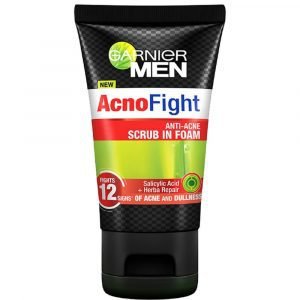
Garnier Men Acno Fight Anti-Acne Scrub In Foam 100ml
Original price was: ৳ 506.25.৳ 337.50Current price is: ৳ 337.50.
View Details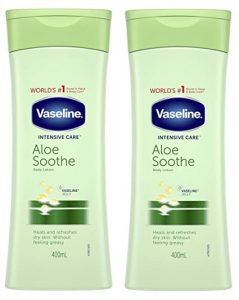
Vaseline Intensive Care Aloe Soothe Lotion 400Ml – Pack of 2
Original price was: ৳ 956.25.৳ 573.75Current price is: ৳ 573.75.
View Details

Head & Shoulders Cool Menthol Anti Dandruff Shampoo 650 ML
Original price was: ৳ 956.25.৳ 675.00Current price is: ৳ 675.00.
View DetailsThe Crucial Role as an Emulsifier Compound
One of the primary functions of PEG-100 Stearate in skincare products is its role as an emulsifier compound. Emulsifiers are essential for blending ingredients that would naturally separate, such as oil and water. Without an effective emulsifier, a lotion would quickly split into distinct oil and water layers, rendering it unusable and unappealing. PEG-100 Stearate works by reducing the surface tension between these immiscible liquids, allowing them to mix and form a stable, uniform emulsion. This ensures that the product maintains a consistent texture and appearance throughout its shelf life. According to industry data, emulsifiers are critical in over 70% of all cosmetic formulations.
How Emulsifiers Stabilize Formulations
Emulsifiers like PEG-100 Stearate possess a unique molecular structure. They have both a hydrophilic (water-attracting) head and a lipophilic (oil-attracting) tail. This amphiphilic nature allows them to bridge the gap between oil and water phases. The oil-loving part of the molecule dissolves in the oil droplets, while the water-loving part extends into the water phase. This arrangement creates a protective barrier around the dispersed phase, preventing the tiny droplets from coalescing and separating. This molecular scaffolding is what gives creams and lotions their smooth, consistent texture.
Enhancing Texture: A Key Texture Enhancer Ingredient
Beyond its emulsifying properties, PEG-100 Stearate also acts as a significant texture enhancer ingredient. It contributes to the overall feel and spreadability of skincare products. When applied to the skin, products formulated with PEG-100 Stearate often feel smoother, richer, and more luxurious. It can help create a creamy, non-greasy consistency that consumers find desirable. This improved texture enhances the user experience, making products more pleasant to apply and ensuring they distribute evenly across the skin. The right texture can significantly impact a product’s perceived quality and effectiveness.
Improving Product Aesthetics and User Experience
The aesthetic appeal of a skincare product is just as important as its active ingredients for many consumers. A product that feels gritty, sticky, or too thin might be less likely to be used consistently, regardless of its efficacy. PEG-100 Stearate helps to refine the texture, making lotions glide smoothly and creams absorb beautifully. It can impart a desirable creaminess and body to formulations, preventing them from feeling watery or separating upon application. This refined texture also contributes to a pleasant sensory experience during the daily skincare routine, encouraging regular use.
PEG-100 Stearate in Different Skincare Products
Due to its versatile properties, PEG-100 Stearate is found in a broad spectrum of skincare and cosmetic products. You might encounter it in facial moisturizers, body lotions, sunscreens, foundations, and even some hair conditioners. In cleansers, it can help create a stable lather and aid in the removal of oil-based impurities. Its ability to create stable emulsions and improve texture makes it a go-to ingredient for formulators aiming for high-quality, stable, and consumer-friendly products across various categories. Its widespread use underscores its effectiveness and reliability in the beauty industry.
Examples in Moisturizers and Lotions
In moisturizers and lotions, PEG-100 Stearate is instrumental in ensuring that the oil and water components remain perfectly blended. This stability is crucial for delivering hydrating ingredients evenly to the skin. It contributes to the characteristic rich, creamy feel of many popular moisturizers, making them easy to spread and absorb without leaving a greasy residue. The smooth texture it provides ensures a pleasant application experience, promoting consistent use for optimal skin hydration. Without effective emulsifiers, these essential daily products would quickly become unstable and ineffective.
Presence in Sunscreens and Foundations
Sunscreens and foundations also benefit greatly from the inclusion of PEG-100 Stearate. In sunscreens, it helps to evenly disperse UV filters throughout the formula, ensuring consistent protection across the skin. For foundations, it aids in creating a uniform blend of pigments and emollients, resulting in a smooth, streak-free application and an even skin tone. Its emulsifying power prevents separation of the various phases, maintaining the product’s integrity and performance. This stability is vital for both product effectiveness and cosmetic appeal.
The Chemistry Behind PEG-100 Stearate’s Function
Understanding the basic chemistry of PEG-100 Stearate illuminates why it performs so effectively. As an ester of polyethylene glycol and stearic acid, its structure allows it to interact with both polar (water) and non-polar (oil) substances. The stearate portion, derived from stearic acid, is hydrophobic and readily mixes with oils and fats. The PEG portion, being hydrophilic, interacts well with water. This dual affinity enables PEG-100 Stearate to form stable micelles or lamellar structures at the oil-water interface, effectively keeping disparate ingredients suspended within each other. This molecular dance is fundamental to emulsion stability.
Understanding the “PEG” Prefix
The “PEG” prefix in PEG-100 Stearate stands for polyethylene glycol, a polymer that has been a subject of discussion in the skincare community. PEGs are synthetic compounds used as solvents, thickeners, softeners, and, importantly, as emulsifiers and humectants. The number following “PEG” indicates its molecular weight, which influences its properties and how it interacts with other ingredients and the skin. Higher molecular weight PEGs are generally less likely to penetrate the skin. Research indicates that PEGs, including PEG-100 Stearate, are largely considered safe for cosmetic use when formulated correctly.
Safety Profile and Common Concerns
PEG-100 Stearate has been extensively reviewed by regulatory bodies worldwide, including the Cosmetic Ingredient Review (CIR) Expert Panel. These assessments consistently conclude that PEG-100 Stearate is safe for use in cosmetics. The primary concern often raised about PEGs in general relates to their potential for contamination with 1,4-dioxane, a by-product of the ethoxylation process. However, modern manufacturing processes incorporate vacuum stripping to remove 1,4-dioxane, ensuring levels are well below safe thresholds. Consumers can generally trust that reputable brands adhere to these purification standards, making the ingredient safe for topical application.
Dermatological Perspective on PEG-100 Stearate
From a dermatological standpoint, PEG-100 Stearate is generally considered non-irritating and non-sensitizing for most skin types. It is not known to be a common allergen. While some individuals with extremely sensitive or compromised skin barriers might react to a vast array of ingredients, reactions specifically attributed to PEG-100 Stearate are rare. Its primary function is to enhance product stability and texture, not to deliver potent active ingredients, reducing its direct interaction with skin cells in a reactive manner. Patch tests often confirm its low irritation potential in various formulations.
Comparing PEG-100 Stearate with Other Emulsifiers
While PEG-100 Stearate is a highly effective emulsifier compound, it is not the only one available to formulators. Other common emulsifiers include polysorbates, sorbitan esters, and fatty alcohols like cetearyl alcohol. Each emulsifier has unique characteristics that make it suitable for different types of formulations and desired textures. PEG-100 Stearate often stands out for its ability to create stable oil-in-water emulsions with a pleasant, non-greasy feel, making it a popular choice for light to medium-weight creams and lotions. Its performance balance makes it a versatile option for diverse product needs.
Why Formulators Choose PEG-100 Stearate
Formulators often choose PEG-100 Stearate for several compelling reasons. Its excellent emulsifying power allows for stable formulations even with high oil loads, preventing product separation. As a texture enhancer ingredient, it consistently delivers a smooth, desirable feel that appeals to consumers. Furthermore, its compatibility with a wide range of other cosmetic ingredients makes it a flexible choice for various product types. The ingredient’s proven safety record and cost-effectiveness also contribute to its widespread adoption in the beauty industry, ensuring reliable product development.
Environmental Impact and Sourcing
The environmental impact of cosmetic ingredients is an increasingly important consideration for both consumers and manufacturers. Stearic acid, one of the components of PEG-100 Stearate, can be derived from plant sources like palm oil or coconut oil, or from animal fats. Responsible sourcing of stearic acid involves ensuring sustainable practices, particularly concerning palm oil, to avoid deforestation. Polyethylene glycol, the other component, is synthetically produced. The biodegradability of PEG-100 Stearate is a complex issue, with some studies suggesting varying rates depending on environmental conditions. Many manufacturers are actively exploring more sustainable synthesis routes and readily biodegradable alternatives to minimize their ecological footprint.
Sustainable Sourcing Practices
Manufacturers committed to sustainability prioritize sourcing stearic acid from certified sustainable palm oil (CSPO) suppliers or from alternative plant-based sources like coconut oil, which often has a lower environmental impact. This helps mitigate concerns related to deforestation and habitat destruction. While the synthetic nature of polyethylene glycol means it does not rely on agricultural land in the same way, research into more eco-friendly production methods for PEGs is ongoing. Consumers can look for brands that publicly commit to sustainable ingredient sourcing and transparency in their supply chains, indicating a dedication to environmental stewardship.
Regulatory Status Around the World
Globally, cosmetic ingredients are subject to stringent regulations to ensure consumer safety. PEG-100 Stearate is approved for use in cosmetics by major regulatory bodies worldwide, including the European Union (EU), the United States Food and Drug Administration (FDA), and Health Canada. These approvals are based on extensive scientific reviews and safety assessments. The ingredient is permitted within specific concentration limits, which vary depending on the product type and region. Such consistent regulatory approval underscores the ingredient’s established safety profile and its importance in modern cosmetic science.
Compliance with International Standards
Manufacturers adhere strictly to the guidelines set by these international regulatory bodies when incorporating PEG-100 Stearate into their formulations. This includes ensuring purity standards, particularly concerning potential trace contaminants like 1,4-dioxane. Regular testing and quality control measures are implemented throughout the production process to guarantee that the final product meets all safety requirements. This rigorous oversight ensures that products containing PEG-100 Stearate are safe for the general public, providing peace of mind for consumers. The compliance framework is designed to protect health and maintain product integrity.
Decoding Your Ingredient List: Spotting PEG-100 Stearate
For the conscious consumer, understanding how to identify ingredients on a product label is empowering. PEG-100 Stearate will typically be listed plainly by its full name: “PEG-100 Stearate.” It generally appears in the middle to lower half of an ingredient list, indicating its role as an excipient rather than a primary active ingredient. Its position reflects its function as a crucial supporting component for formulation stability and texture, rather than a high-concentration therapeutic agent. Familiarizing yourself with ingredient names like this helps in making informed choices about the products you use daily.
Beyond the Label: Researching Ingredients
While the label provides essential information, further research can deepen your understanding of ingredients like PEG-100 Stearate. Online resources, scientific journals, and reputable cosmetic ingredient databases offer detailed insights into the function, safety, and sourcing of various compounds. Engaging with these resources can help clarify any concerns and provide a balanced perspective on cosmetic chemistry. This proactive approach allows consumers to confidently navigate product claims and ingredient lists, ensuring their skincare routine aligns with their personal values and preferences.
The Future of Emulsifiers in Skincare
The field of cosmetic science is constantly evolving, with ongoing research into new and improved ingredients, including emulsifiers. While PEG-100 Stearate remains a highly effective and widely used emulsifier compound, there is a growing interest in naturally derived and biodegradable alternatives. Innovations are focused on enhancing sustainability, reducing environmental impact, and catering to consumer demand for “cleaner” beauty products. However, the challenge lies in developing alternatives that match the performance, stability, and cost-effectiveness of established ingredients like PEG-100 Stearate, balancing efficacy with environmental responsibility.
Innovations and Emerging Alternatives
Emerging alternatives to traditional emulsifiers include various plant-based derivatives, lecithins, and biosurfactants. These newer ingredients offer promising avenues for formulations that align with evolving consumer preferences for natural and eco-friendly products. However, formulators must carefully evaluate these alternatives for their performance, stability, and compatibility with other ingredients. The transition to new emulsifiers is a gradual process, often requiring extensive testing and reformulation to ensure product quality and safety are maintained at the highest standards. Research continues to refine and expand the palette of available options.
Conclusion: The Indispensable PEG-100 Stearate
PEG-100 Stearate is more than just a name on an ingredient list; it is a workhorse in the world of skincare and cosmetics. As a highly effective emulsifier compound, it ensures that oil and water components blend harmoniously, creating stable, long-lasting products. Its role as a texture enhancer ingredient further elevates the user experience, providing smooth, luxurious application. With a robust safety profile and extensive regulatory approval, PEG-100 Stearate stands as a testament to effective cosmetic chemistry. Understanding its functions empowers you to appreciate the intricate science behind the products that nourish and enhance your skin.
Frequently Asked Questions
What is the main purpose of PEG-100 Stearate in skincare?
PEG-100 Stearate primarily functions as an emulsifier, allowing oil and water to mix and form stable creams and lotions. It also acts as a texture enhancer, contributing to a smoother, more pleasant feel and easier spreadability of products on the skin.
Is PEG-100 Stearate considered safe for sensitive skin?
Yes, PEG-100 Stearate is generally considered safe and non-irritating for most skin types, including sensitive skin. Regulatory bodies worldwide have approved its use in cosmetics, and reactions specifically attributed to it are rare.
How does PEG-100 Stearate improve product texture?
As a texture enhancer ingredient, PEG-100 Stearate helps to refine the consistency of skincare products. It imparts a creamy feel, prevents stickiness, and allows lotions and creams to glide smoothly and absorb well, improving overall user experience.
Can PEG-100 Stearate cause environmental concerns?
Concerns often relate to the sourcing of stearic acid, which can be derived from palm oil, and the biodegradability of polyethylene glycol. Many manufacturers are working towards sustainable sourcing for stearic acid and exploring more eco-friendly alternatives for PEGs.
Final Thoughts
PEG-100 Stearate, while often overlooked, is a foundational ingredient in many skincare formulations. Its dual capabilities as an essential emulsifier compound and an effective texture enhancer ingredient are critical for creating the stable, pleasing products we use daily. Recognizing the importance of PEG-100 Stearate allows consumers to appreciate the intricate balance of science and formulation that goes into delivering high-quality skincare. Choose products from reputable brands that prioritize ingredient quality and transparent formulations for optimal skin benefits and peace of mind.