

Have you ever paused to consider the origin of the rich red hue in your favorite lipstick or the vibrant color of a certain yogurt? That striking shade often comes from carmine, a powerful natural pigment. Many consumers encounter this ingredient regularly without fully understanding its fascinating story or widespread application. This deep red colorant adds visual appeal to countless items we use daily.
What Exactly is Carmine? Unpacking its Origins
Carmine is a brilliant, deep red pigment. It provides a stable and intense color, highly valued across many industries. This natural dye has a long history. It offers a consistent performance that synthetic alternatives often struggle to match.
The Cochineal Insect: Source of the Color
The primary source of carmine is the cochineal insect. This tiny insect, scientifically known as Dactylopius coccus, lives on prickly pear cacti. Native to South America, these insects produce carminic acid. This acid is the substance responsible for the pigment’s red color. Indigenous communities have harvested these insects for centuries.
Female cochineal insects are particularly rich in this acid. They produce it as a defense mechanism against predators. Farmers cultivate these insects carefully on large cactus plantations. This practice ensures a steady supply of the valuable raw material. The unique biological process makes cochineal insect pigment ingredient truly remarkable. It stands apart from many other natural colorants.
From Insect to Pigment: The Extraction Process
Extracting carmine involves several steps. First, workers harvest the cochineal insects from the cacti. They then dry the insects, often using sunlight or ovens. After drying, the insects are ground into a powder. This powder is then boiled in water. Ammonia or sodium carbonate is added to the water. This step helps to extract the carminic acid.
After extraction, the solution undergoes filtration. This process removes any remaining insect parts. Aluminum salts are then added. These salts cause the carminic acid to precipitate. This forms the solid carmine pigment. The resulting pigment is then carefully washed and dried. This complex procedure yields the concentrated, vibrant carmine powder we see used today.
Recommended Products
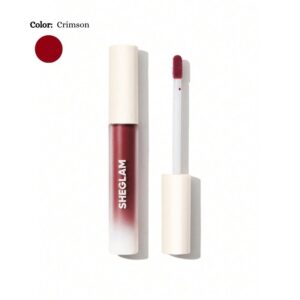
SheGlam: Matte Allure Liquid Lipstick
Original price was: ৳ 1,150.00.৳ 790.00Current price is: ৳ 790.00.
View Details
SheGlam: Dynamatte Boom Long-lasting Matte Lipstick
Original price was: ৳ 1,350.00.৳ 890.00Current price is: ৳ 890.00.
View Details
SheGlam: Color Bloom Liquid Blush Matte Finish
Original price was: ৳ 1,150.00.৳ 790.00Current price is: ৳ 790.00.
View Details

Garnier Color Naturals 6.60 – Intense Red – 70ml
Original price was: ৳ 800.00.৳ 550.00Current price is: ৳ 550.00.
View DetailsWhy Carmine is Valued Across Industries
Carmine’s strong coloring power and stability make it highly desirable. It resists fading when exposed to light and heat. It also performs well across varying pH levels. These properties are crucial for product longevity. Many manufacturers rely on its consistent performance. Its natural origin also appeals to many consumers.
Food and Beverage Industry Applications
You can find carmine in many food and beverage products. It gives a natural-looking red to yogurts, juices, and candies. Studies show carmine is effective in coloring various dairy products. This includes ice cream and flavored milk. It also appears in certain alcoholic beverages. These include some red aperitifs. This pigment ensures a visually appealing product. This helps to enhance consumer perception.
Foods like processed meats, such as sausages, also sometimes contain carmine. It restores or enhances their red color. This makes them look fresher and more appetizing. Because carmine is a natural colorant, it is often preferred over synthetic dyes. Consumers increasingly seek natural ingredients. This preference drives its continued use in the food sector.
The Role of Carmine in Cosmetics and Personal Care
Carmine plays a significant role in the cosmetics industry. It is a leading red cosmetic colorant. Its intense red hue and excellent stability are perfect for makeup. Lipsticks, blushes, and eyeshadows often feature carmine. It delivers a rich, long-lasting color. This makes it a staple in many beauty formulations. The pigment adheres well to skin. It provides a smooth application.
Nail polishes also frequently use carmine. It creates a wide range of red and pink shades. Personal care items like shampoos or soaps can also contain it. This is usually for aesthetic purposes. Research indicates that carmine offers superior color intensity. It maintains its vibrancy over time. Therefore, it remains a popular choice for beauty brands worldwide.
Understanding the Cochineal Insect and its Cultivation
The cochineal insect is central to carmine production. Its life cycle and habitat are fascinating. Knowing more about this tiny creature helps us understand carmine’s journey. It also sheds light on the traditional practices involved in its harvesting. The insect has been a source of red dye for millennia.
The Life Cycle and Habitat of Dactylopius Coccus
The cochineal insect thrives on prickly pear cacti. These cacti provide both food and shelter for the insects. Female insects attach themselves to the cactus pads. They feed on the plant’s sap. They cover themselves with a white, waxy powder. This protects them from harsh environments and predators. Males are winged and short-lived. They play a role in reproduction. This specific ecological relationship is vital for carmine production.
Farmers often introduce cochineal insects to new cactus plants. They monitor their growth carefully. Optimal conditions lead to a higher carminic acid yield. This careful cultivation ensures sustainable harvesting practices. The insects develop slowly. Their unique biology produces the coveted pigment. This process ensures a consistent supply of this natural colorant.
Sustainable Harvesting Practices and Economic Impact
Traditional harvesting methods are still in use today. Workers brush the insects off the cacti by hand. They collect them in baskets. This labor-intensive process supports local economies. Especially in regions like Peru, these practices are crucial. Peru is a major producer of carmine. The industry provides livelihoods for many families.
Modern farms also employ sustainable techniques. They manage cactus populations. This prevents over-harvesting of the insects. Efforts focus on ecological balance. This ensures the long-term viability of carmine production. The demand for natural ingredients supports these sustainable efforts. This creates a balance between tradition and modern agricultural needs.
Safety and Regulation of Carmine
Concerns about food and cosmetic ingredients are common. Many consumers wonder about carmine’s safety. Regulatory bodies worldwide have assessed carmine. They generally consider it safe for use. However, some specific considerations exist. Understanding these helps consumers make informed choices.
Allergic Reactions and Sensitivities to Carmine
While generally safe, carmine can cause allergic reactions in some individuals. These reactions are rare but can include hives, swelling, or asthma. In very severe cases, anaphylaxis may occur. This is why products containing carmine must be clearly labeled. People with known insect allergies should exercise caution. They should always check ingredient lists carefully.
Such reactions typically happen when carmine is ingested. Skin contact allergies are less common. However, some individuals might experience contact dermatitis. Dermatologists recommend patch testing if sensitivity is suspected. These occurrences are statistically low. Still, transparency in labeling is paramount. This allows sensitive individuals to avoid exposure.
Global Regulatory Oversight and Labeling Requirements
Major regulatory bodies approve carmine for use. This includes the U.S. Food and Drug Administration (FDA). The European Food Safety Authority (EFSA) also approves it. These agencies conduct thorough safety reviews. They set strict limits on its permitted uses. This ensures consumer protection. Approved uses vary slightly by region. Always check local regulations for specific details.
Labeling requirements are stringent. In the United States, carmine must be listed by its common name. Sometimes, it appears as “cochineal extract” or “natural red 4.” In Europe, it is often listed as E120. This transparency allows consumers to identify the ingredient easily. Clear labeling helps those with sensitivities avoid it. It empowers consumers to make informed dietary and purchasing decisions.
Exploring Alternatives to Carmine
As consumer preferences evolve, so does the demand for alternatives. Some individuals avoid carmine for ethical, dietary, or allergy reasons. The market offers several options. These range from synthetic dyes to other plant-based colorants. Each alternative has its own set of properties and applications.
Synthetic Red Dyes as Replacements
Synthetic red dyes are a common alternative. Examples include Red 40, Red 3, and Red 2. These are petroleum-derived colorants. They often provide intense and consistent colors. Manufacturers use them widely due to their low cost. They also offer excellent stability. However, some consumers prefer to avoid synthetic additives. Concerns about potential health effects exist. Regulatory bodies closely monitor synthetic dyes. They ensure their safety for consumption.
These artificial dyes are often easier to produce. They do not rely on agricultural processes. This can make them more readily available. However, their perceived artificiality can be a drawback. Many companies choose carmine specifically for its natural label. This preference shapes product development. Balancing color performance with consumer perception is key.
Plant-Based and Vegan Colorant Options
For those seeking plant-based alternatives, several options exist. Beetroot extract provides a range of red and pink shades. It is widely used in natural foods and cosmetics. Anthocyanins, found in fruits like grapes and berries, also offer red hues. These are often pH-sensitive. Their color can change with acidity. Turmeric extract can provide yellow-orange tones. It can sometimes contribute to warmer red blends.
Paprika extract delivers orange-red colors. It also adds a subtle flavor. Lycopene, from tomatoes, offers another red option. These natural alternatives appeal strongly to vegan consumers. They meet specific dietary preferences. However, their color intensity and stability can vary. They sometimes do not match carmine’s robust performance. Formulators must carefully consider these factors. This ensures the desired color outcome.
Historical Journey of a Precious Red Pigment
The story of carmine is rich with history. Its use dates back thousands of years. It spans across continents and cultures. This pigment played a significant role in art, textiles, and societal rituals. Understanding its past highlights its enduring value. It also showcases human ingenuity in utilizing natural resources.
Ancient Civilizations and Natural Dyes
Ancient Mesoamerican civilizations first discovered cochineal. The Mayans and Aztecs used it for dyeing textiles. They also used it for body paint and ceremonial rituals. Its vibrant red was highly prized. This color symbolized power, wealth, and spirituality. The cochineal insect pigment ingredient was a valuable commodity. It was traded extensively within these ancient empires.
Archaeological evidence supports its ancient use. Preserved textiles display its lasting color. The knowledge of harvesting and processing cochineal was passed down. Generations maintained these traditional skills. This established a long legacy. It made carmine one of the oldest known natural dyes. Its importance in these societies cannot be overstated.
The Arrival of Cochineal in Europe and Beyond
Spanish conquistadors encountered cochineal in the 16th century. They quickly recognized its value. They introduced it to Europe. It became a coveted item. It rivaled expensive dyes like Tyrian purple. European textile industries eagerly adopted carmine. It produced brilliant reds for royal garments and flags. This new dye source profoundly impacted European commerce and fashion.
The demand for cochineal soared. Spain maintained a monopoly on its production for centuries. This made it a major source of wealth. The pigment also found its way into art. It was used by master painters for their vibrant canvases. Its global journey transformed industries. It continues to influence our world. The pigment remains a testament to historical trade routes.
Frequently Asked Questions
Is carmine a vegan ingredient?
No, carmine is not considered vegan. It is derived from the cochineal insect, which is an animal source. Vegans and vegetarians typically avoid products containing carmine due to its insect origin.
What are other names for carmine on ingredient labels?
Carmine can appear under several names on ingredient labels. These include cochineal extract, natural red 4, E120 (in Europe), or sometimes as CI 75470. Always check labels carefully for these terms.
Does carmine affect the taste of food products?
Generally, carmine is flavorless and does not affect the taste of food products. Its primary purpose is to impart a red color. Manufacturers use it in very small amounts to achieve the desired hue.
Is carmine a natural or artificial colorant?
Carmine is classified as a natural colorant. It is derived directly from a biological source, the cochineal insect. This differentiates it from synthetic dyes made from petroleum byproducts.
Final Thoughts
Carmine stands as a testament to nature’s ability to provide vibrant colors. From ancient textiles to modern cosmetics, its journey is truly remarkable. This powerful pigment offers a stable and intense red hue. It enhances the visual appeal of many products we encounter daily.
Understanding the origins and uses of ingredients like carmine empowers consumers. Always check product labels to know what you are buying. This helps ensure your choices align with your personal preferences and values. Being informed allows you to make conscious decisions about the products you use.