

Looking for a reliable white skin fade spot serum that actually lightens dark spots and brightens your complexion? This guide explains how these serums work, which ingredients matter, and how to use them safely for visible results. White Skin Fade Spot Serum appears early in this article because understanding its role helps you pick the right formula. Read on for practical tips, a balanced white skin serum review approach, budget options, and a simple routine you can follow today.
What White Skin Fade Spot Serum Does
These serums target hyperpigmentation and uneven tone. They reduce melanin production, speed cell turnover, and hydrate skin simultaneously. Results vary with ingredient strength and consistent use. Many users see gradual fading within weeks. Serious hyperpigmentation may require months or professional care.
- Targets dark spots and sun damage
- Evens skin tone for a brighter look
- Often pairs with sunscreen to protect gains
- Can improve texture when combined with exfoliating actives
Recommended Products
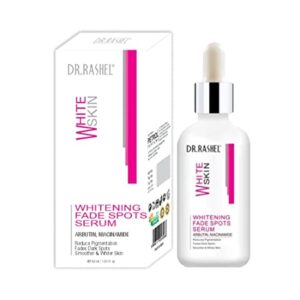
WHITE SKIN Whitening Fade Spots Serum with Arbutin – 50ml
Original price was: ৳ 500.00.৳ 420.00Current price is: ৳ 420.00.
View Details

Key Ingredients and Dark Spot Fading Serum Benefits
Choosing the right ingredients delivers the most benefit. Look for clinically supported actives. Each active works differently. You can combine some safely to boost results.
- Vitamin C (ascorbic acid): Brightens and neutralizes free radicals.
- Niacinamide: Reduces pigment transfer and calms inflammation.
- Alpha arbutin: Inhibits melanin formation with gentler action.
- Tranexamic acid: Effective for stubborn melasma and uneven tone.
- Kojic acid and licorice extract: Natural tyrosinase inhibitors that lighten spots.
- Low‑strength retinoids or bakuchiol: Accelerate cell turnover to fade spots.
- Glycolic or lactic acid: Improve absorption and remove pigmented cells.
How to Use: Skin Brightening Serum Guide
Apply serums in the correct sequence. Cleanse, then apply a targeted serum, and finish with moisturizer and sunscreen. Perform a patch test first. Start slowly with actives that can irritate.
- Cleanse with a gentle, non‑stripping cleanser.
- Apply toner if you use one, then apply serum to dry skin.
- Use concentrated spot treatments at night for best results.
- Layer lighter serums first; thicker creams last.
- Always apply broad‑spectrum SPF 30+ during the day.
- Limit use of strong exfoliants to 1–3 times weekly when combining with brighteners.
Comparing Products: White Skin Serum Review Approach
A solid white skin serum review looks at ingredients, concentration, price, packaging, and user reports. Pay attention to stability and pH for vitamin C formulas. Check for fragrance if you have sensitive skin.
- Ingredient transparency indicates trustworthy brands.
- Concentration matters: too low may not work, too high may irritate.
- Airless pumps help preserve antioxidants.
- Look for clinical studies or user before/after photos when available.
Hyperpigmentation Treatment Serum: When to Seek Professional Help
Mild spots usually respond to topical serums. Deep or hormonal hyperpigmentation often requires stronger therapies. Consider professional options if you see no improvement after six months.
- Dermatologists can prescribe higher‑strength retinoids or hydroquinone
- Chemical peels and laser treatments treat deep pigmentation faster
- Professional guidance reduces risk of worsening pigment
Budget Brightening Serum Review: Affordable Picks That Work
You do not need the most expensive product to see improvement. Several budget brightening serum review findings show effective options under a modest price. Focus on ingredient list, not price tag.
- Affordable formulas often use niacinamide, vitamin C derivatives, or alpha arbutin.
- Look for stable forms of vitamin C or MAP if cost is low.
- Simple hydrating bases enhance tolerability for sensitive skin.
- Patch test budget choices as you would premium products.
Face Glow Serum Tips: Boosting Radiance Safely
A face glow serum complements dark‑spot treatments. Many glow serums combine mild exfoliants with hydrating humectants. Use them to enhance overall luminosity once spots begin to fade.
- Combine antioxidants and hydrating ingredients for a radiant finish.
- Use exfoliating serums sparingly when using retinoids or strong acids.
- Hydration plumps skin and reduces the visual contrast of spots.
Practical Routine Examples
Below are two simple, actionable routines. Adjust based on sensitivity and product strength.
- Morning: Cleanse, vitamin C serum, moisturizer, broad‑spectrum SPF 50+
- Night (gentle): Cleanse, niacinamide or alpha arbutin serum, moisturizer
- Night (active): Cleanse, retinoid or stronger fade serum 2–3 nights weekly, moisturizer
Common Side Effects and How to Avoid Them
Some users experience redness, peeling, or irritation. You can prevent many issues with gradual introduction and buffering.
- Start with every third night for retinoids or acids.
- Buffer active serums with moisturizer if irritation appears.
- Stop use and consult a dermatologist if severe burning or blistering occurs.
- Always use sunscreen to prevent new pigmentation.
How Long Until You See Results?
Expect gradual improvement. Many users notice fading within four to twelve weeks. Complete clearing may take several months. Consistent use and sun protection speed progress.
- Week 1–4: Skin may show reduced inflammation and better hydration.
- Week 4–12: Noticeable fading and improved tone in many cases.
- 3–6 months: Significant lightening of stable spots for many users.
Frequently Asked Questions
How often should I apply a white skin fade spot serum?
Apply most serums once daily. Use them at night if they contain retinoids or acids. Follow product instructions and patch test first.
Can I use brightening serums with vitamin C and niacinamide together?
Yes. Many people combine vitamin C in the morning with niacinamide at night. Both can be layered safely if your skin tolerates them. Monitor for irritation and adjust as needed.
Conclusion
White Skin Fade Spot Serum can deliver meaningful improvements in dark spots and overall brightness when you pick the right formula and use it consistently. Prioritize proven actives like vitamin C, niacinamide, alpha arbutin, and tranexamic acid. Pair serums with daily sunscreen, start slowly, and consider budget brightening serum review findings to find effective, affordable options. If spots resist treatment, seek professional hyperpigmentation treatment serum advice. With patience and the right routine, you can reduce discoloration and achieve a healthier face glow.