
Urea: The Essential Compound for Healthy Skin

The quest for healthy, radiant skin often leads individuals through a labyrinth of ingredients, each promising unique benefits. Among these, Urea stands out as a remarkably versatile and highly effective compound, playing a pivotal role in maintaining skin hydration and integrity. Often overlooked, this naturally occurring substance is a powerhouse ingredient in dermatology and cosmetics, celebrated for its ability to transform dry, rough, and compromised skin. Understanding the multifaceted actions of Urea allows consumers to make informed choices for their skincare routines, harnessing its profound benefits for a visibly healthier complexion. Its presence within the skin is crucial for the natural moisturizing factor (NMF), making it an indispensable component for retaining moisture and fostering a robust skin barrier.
Understanding Urea: A Naturally Occurring Hydrating Compound
Urea, scientifically known as carbamide, represents a critical organic compound naturally produced by the human body. Primarily, it functions as a key component of the urea cycle, facilitating the excretion of excess nitrogen from the body through urine. Beyond its physiological role, Urea possesses remarkable properties that make it an invaluable asset in skincare. It is a colorless, odorless, and highly soluble solid, neither acidic nor alkaline when dissolved in water, ensuring its stability and efficacy in various formulations. As a potent hydrating compound, Urea actively attracts and retains water within the skin, significantly boosting moisture levels. This humectant quality helps to plump the skin, reduce the appearance of fine lines, and restore a supple texture.
- Natural Moisturizing Factor (NMF): Urea is a vital component of the skin’s NMF, a complex blend of compounds that work synergistically to maintain optimal skin hydration. Without sufficient NMF, skin becomes dry, tight, and vulnerable to external aggressors.
- Humectant Properties: Its molecular structure allows Urea to draw moisture from the environment and deeply bind it to the skin cells, preventing trans-epidermal water loss (TEWL). This action reinforces the skin’s natural barrier function.
- Emollient Effects: In addition to hydration, Urea softens the skin, making it feel smoother and more pliable. This emollient effect is particularly beneficial for areas prone to roughness or calluses.
Recommended Products
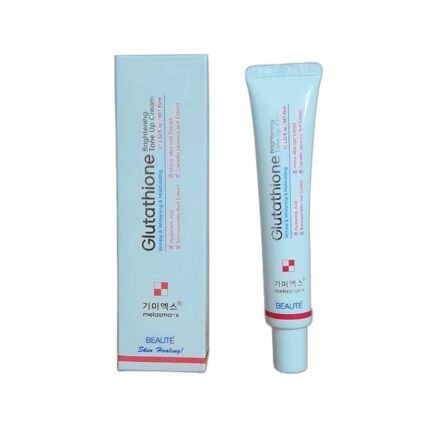 Sale
SaleOriginal price was: ৳ 1,250.00.৳ 950.00Current price is: ৳ 950.00.
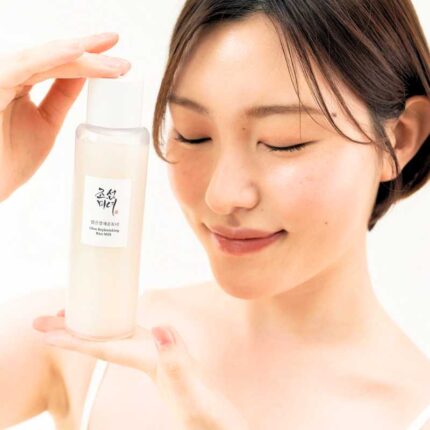 Sale
SaleOriginal price was: ৳ 2,800.00.৳ 1,960.00Current price is: ৳ 1,960.00.
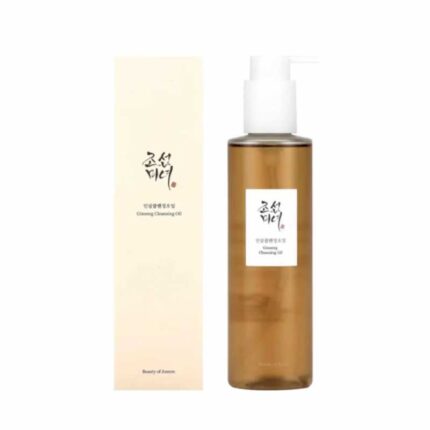 Sale
SaleOriginal price was: ৳ 3,080.00.৳ 2,156.00Current price is: ৳ 2,156.00.
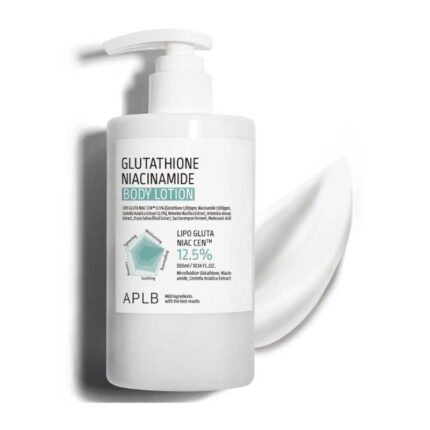 Sale
SaleOriginal price was: ৳ 2,300.00.৳ 1,610.00Current price is: ৳ 1,610.00.
Urea as a Potent Keratolytic Ingredient
One of the most distinctive and highly valued properties of Urea is its capacity to act as a potent keratolytic ingredient. Keratolysis refers to the process of breaking down keratin, a protein that forms the structural foundation of the skin’s outermost layer, the stratum corneum. When keratin builds up excessively, it leads to rough, thick, and scaly skin conditions. Urea effectively disrupts the hydrogen bonds within keratin molecules, loosening and shedding dead skin cells without causing irritation or abrasion. This action reveals smoother, healthier skin underneath, improving texture and promoting cellular renewal. The keratolytic effect is concentration-dependent, meaning higher concentrations of Urea yield more pronounced exfoliation, while lower concentrations prioritize hydration.
- Gentle Exfoliation: Unlike harsh physical exfoliants or some chemical peels, Urea provides a gentle yet highly effective form of exfoliation, making it suitable even for sensitive skin when used in appropriate concentrations.
- Treating Hyperkeratosis: Conditions characterized by excessive keratinization, such as psoriasis, ichthyosis, and various forms of eczema, benefit significantly from Urea’s keratolytic action. It helps to thin thickened plaques and reduce scaling.
- Enhancing Product Penetration: By removing the barrier of dead skin cells, Urea also enhances the penetration of other active ingredients applied subsequently, making entire skincare routines more effective.
Targeting Dry Skin Treatment with Urea
For individuals grappling with persistent dry skin, finding an effective solution becomes a primary concern. Urea emerges as an unparalleled ingredient for comprehensive dry skin treatment, addressing the root causes of dryness rather than merely providing temporary relief. Its dual action as both a humectant and a mild keratolytic makes it exceptionally effective. Urea restores the skin’s natural moisture balance by drawing water into the epidermis, while simultaneously removing the dead, flaky cells that contribute to a dull and rough appearance. This holistic approach not only alleviates dryness but also rebuilds the skin’s barrier, improving its resilience against environmental stressors.
- Replenishing Moisture: Urea significantly increases water content in the stratum corneum, restoring suppleness and elasticity to parched skin.
- Smoothing Rough Patches: It effectively softens and smooths rough, bumpy areas often associated with extreme dryness, such as elbows, knees, and heels.
- Relieving Itchiness: Dry skin often accompanies itching. Urea’s hydrating and barrier-restoring properties help to calm irritated skin and reduce discomfort.
- Supporting Barrier Function: By improving hydration and facilitating healthy cell turnover, Urea strengthens the skin’s lipid barrier, which is crucial for preventing future moisture loss.
Urea Concentrations and Their Specific Applications
The efficacy of Urea in skincare formulations largely depends on its concentration. Different percentages of Urea are tailored for specific purposes, offering a spectrum of benefits from gentle hydration to intensive exfoliation.
Low Concentrations (Typically 2-10%)
Formulations containing 2-10% Urea primarily function as powerful humectants and emollients. These concentrations are ideal for daily hydration and maintaining healthy skin. They are particularly effective for:
- General Dry Skin: Creams and lotions with 5-10% Urea are excellent for managing mild to moderate dry skin, providing sustained moisture and improving skin texture.
- Sensitive Skin: Lower concentrations are generally well-tolerated by sensitive skin types, offering hydration without the risk of irritation.
- Maintaining Skin Barrier: Daily use helps to reinforce the skin’s natural barrier, preventing moisture loss and protecting against environmental aggressors.
Medium Concentrations (Typically 10-20%)
At these concentrations, Urea’s keratolytic properties become more pronounced while still retaining its significant hydrating capabilities. Products in this range are often recommended for:
- Moderate to Severe Dryness: Effective for very dry, flaky, or rough skin, including conditions like xerosis.
- Calluses and Thickened Skin: Ideal for addressing tougher skin on areas such as the feet, elbows, and knees, helping to soften and reduce calluses.
- Psoriasis and Eczema: Can be used to manage the scaling and thickening associated with these chronic conditions, providing relief and improving skin appearance.
High Concentrations (Typically 20-40% or Higher)
High concentrations of Urea emphasize its potent keratolytic action, often used for targeted treatment of severely thickened or hardened skin. These are typically prescription-strength or medical-grade products and should be used under professional guidance:
- Severely Hyperkeratotic Conditions: Such as ichthyosis, severe psoriasis plaques, or plantar keratoderma, where significant exfoliation is required.
- Nail Conditions: High concentrations are also used to soften and thin thickened nails (onychomycosis) or to aid in the removal of dystrophic nails.
- Wart Removal: In some cases, high-concentration Urea preparations are used as an adjunct in the treatment of warts due to their ability to break down keratin.
Integrating Urea into Your Skincare Routine
Incorporating Urea into your daily skincare regimen can significantly enhance its effectiveness, particularly for those battling dryness, roughness, or certain skin conditions. The key lies in selecting the right concentration and formulation for your specific needs and applying it consistently. Urea is highly compatible with many other skincare ingredients, making it easy to fit into existing routines.
- Cleansing: Begin with a gentle, hydrating cleanser to prepare the skin.
- Application: Apply Urea-containing products to clean, slightly damp skin. This helps to lock in moisture and improve absorption.
- Layering: If using multiple products, apply lighter formulations (like serums) before thicker ones (creams). Urea creams often serve as a fantastic final moisturizing step.
- Targeted Use: For specific conditions like calluses or rough patches, apply a higher concentration cream directly to the affected area.
- Consistency: Regular, consistent application yields the best results. Many see improvements within days or weeks of consistent use.
The Synergy of Urea with Other Skincare Actives
Urea’s gentle nature and ability to enhance penetration make it an excellent partner for various other beneficial skincare ingredients. This synergy allows for comprehensive treatment of multiple skin concerns.
- Hyaluronic Acid: Combining Urea with hyaluronic acid creates a powerful hydrating duo. Urea draws moisture in, and hyaluronic acid helps to hold it, providing multi-level hydration.
- Salicylic Acid/AHA: For more pronounced exfoliation needs, Urea can complement other chemical exfoliants like salicylic acid or alpha hydroxy acids (AHAs). Urea softens the skin, allowing these acids to work more effectively. However, caution and professional advice are recommended when combining strong exfoliants.
- Ceramides: When paired with ceramides, Urea not only hydrates but also helps to rebuild the skin’s lipid barrier, crucial for preventing moisture loss and protecting against irritants.
- Niacinamide: Niacinamide (Vitamin B3) can further improve skin barrier function, reduce redness, and refine pores. Its anti-inflammatory properties can complement Urea’s hydrating action.
Potential Side Effects and Important Precautions
While Urea is generally well-tolerated, particularly in lower concentrations, it is essential to be aware of potential side effects and to exercise caution, especially with higher concentrations. Individual skin sensitivity varies, and what works for one person may cause mild irritation in another.
- Mild Irritation: Some individuals may experience mild stinging, burning, or redness, especially when first introducing Urea products or using higher concentrations on sensitive skin. This often subsides as the skin adjusts.
- Allergic Reactions: Though rare, an allergic reaction to Urea can occur, manifesting as itching, swelling, or a rash. Discontinue use if such symptoms appear.
- Concentration Matters: Always start with lower concentrations of Urea (e.g., 5-10%) and gradually increase if needed and if your skin tolerates it well. Avoid high concentrations on open wounds or severely inflamed skin.
- Sun Sensitivity: While Urea itself does not typically cause sun sensitivity, its keratolytic action can expose newer, more vulnerable skin cells. Always use sunscreen during the day, especially when using exfoliating ingredients.
- Professional Guidance: For treating specific skin conditions or using high-concentration Urea products, always consult with a dermatologist or healthcare professional. They can provide personalized advice and monitor your progress.
Urea Beyond Skincare: Broader Applications
While its role in dermatology and cosmetics is extensive, Urea boasts an impressive array of applications across various industries, highlighting its versatility and importance as a chemical compound. Its fundamental properties make it valuable far beyond the realm of skin health.
- Agriculture: Urea is predominantly used as a nitrogen-release fertilizer. It provides a highly concentrated source of nitrogen, essential for plant growth, making it a cornerstone of modern agricultural practices worldwide.
- Industry: It serves as a raw material in the manufacturing of various resins, including urea-formaldehyde resins used in wood adhesives, laminates, and molded products. It is also used in animal feed as a protein supplement for ruminants.
- Medical Field (Non-Dermatological): Beyond topical applications, Urea has been historically used as a diuretic and to reduce intracranial pressure, though these uses are less common today with the advent of newer medications.
- Automotive: Diesel exhaust fluid (DEF), used in diesel engines to reduce nitrogen oxide emissions, is an aqueous urea solution.
Frequently Asked Questions
Is Urea safe for all skin types?
Urea is generally safe and well-tolerated, particularly in lower concentrations. However, individuals with very sensitive or compromised skin should start with low concentrations (2-5%) and perform a patch test to ensure no irritation occurs. Higher concentrations are best used under dermatological guidance.
How long does it take to see results from using Urea?
Results vary depending on the individual and the specific skin concern. For general hydration and improved texture, many people observe noticeable improvements within a few days to a couple of weeks of consistent use. For more severe conditions requiring keratolytic action, it may take several weeks to see significant changes.
Can Urea be used during pregnancy?
Topical Urea is generally considered safe for use during pregnancy. However, it is always best to consult with your doctor or dermatologist before introducing any new skincare product, especially those with higher concentrations, during pregnancy or breastfeeding.
Does Urea make skin more sensitive to the sun?
While Urea itself does not directly cause photosensitivity, its keratolytic action removes dead skin cells, revealing newer skin which can be more susceptible to sun damage. Therefore, it is crucial to always apply a broad-spectrum sunscreen daily when using products containing Urea, particularly if using higher concentrations.
Is Urea an animal-derived ingredient?
Modern skincare formulations almost exclusively use synthetic Urea, which is chemically identical to naturally occurring Urea but is not derived from animal sources. This ensures purity and suitability for all users, including vegans.
Conclusion
Urea stands as a remarkably effective and indispensable ingredient in the pursuit of healthy, resilient skin. Its unique ability to function both as a powerful hydrating compound and a gentle yet effective keratolytic ingredient positions it as a cornerstone in comprehensive dry skin treatment strategies. From alleviating chronic dryness and reducing flakiness to softening rough patches and enhancing the skin’s natural barrier, Urea offers a holistic solution. By understanding its various concentrations and incorporating it thoughtfully into a skincare routine, individuals can unlock the full potential of this exceptional compound, paving the way for a smoother, more hydrated, and visibly healthier complexion. Its multifaceted benefits underscore why Urea continues to be a highly recommended ingredient by dermatologists worldwide for myriad skin concerns.