

Have you ever wondered why some lotions feel light yet smooth on skin? Triethylhexanoin often appears in formulas that promise a silky finish and quick absorption. This ingredient can change how a product glides and how skin feels after use.
What is Triethylhexanoin?
Triethylhexanoin is a synthetic ester derived from fatty acids and alcohol. Chemists make it to act as a low-viscosity emollient that mimics natural oils. This compound delivers slip without heavy residue.
Because formulators seek stable, safe ingredients, many choose Triethylhexanoin. Studies show esters like this remain popular in cosmetic science for their sensory profile. The ingredient provides predictable performance in creams and makeup.
Recommended Products
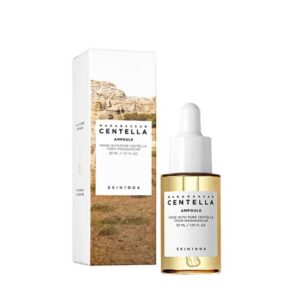
SKIN1004 Madagascar Centella Ampoule (30ml)
Original price was: ৳ 1,260.00.৳ 882.00Current price is: ৳ 882.00.
View Details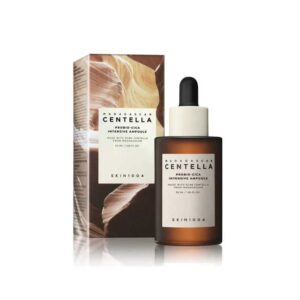
SKIN1004 Madagascar Centella Probio-Cica Intensive Ampoule 95ml
Original price was: ৳ 3,360.00.৳ 2,352.00Current price is: ৳ 2,352.00.
View Details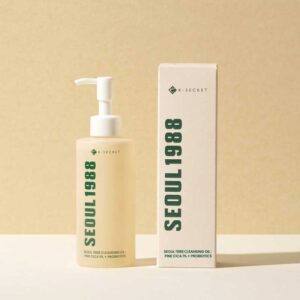
KSECRET SEOUL 1988 Cleansing Oil : Pine Cica 1% + Probiotics 200 ml
Original price was: ৳ 3,000.00.৳ 2,100.00Current price is: ৳ 2,100.00.
View Details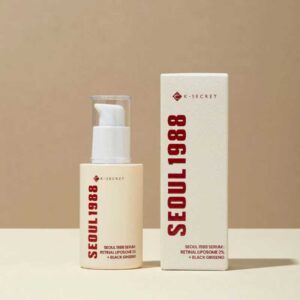
KSECRET SEOUL 1988 Serum : Retinal Liposome 2% + Black Ginseng 30 ml
Original price was: ৳ 2,720.00.৳ 1,904.00Current price is: ৳ 1,904.00.
View Details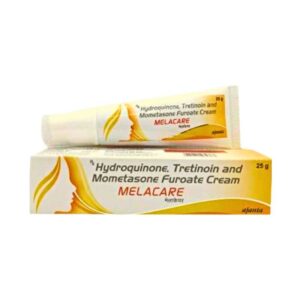
Melacare Cream For Face Melasma Hyperpigmentation, Dark spots, Skin Wrinkles Remove 25 gm
৳ 520.00
View Details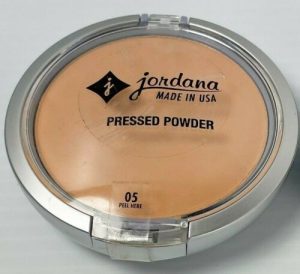
Jordana Pressed Powder – 05 Classic Sand
Original price was: ৳ 720.00.৳ 650.00Current price is: ৳ 650.00.
View DetailsHow Triethylhexanoin Works on Skin
The molecule spreads easily and forms a thin film that reduces water loss. As a result, skin feels smoother and softer after application. This mechanism helps products lock in active ingredients longer on the skin surface.
When compared to heavier oils, Triethylhexanoin leaves less shine. That is why many manufacturers use it in day creams and foundations. Dermatologists recommend lightweight emollients for oily and combination skin types.
Texture and Sensory Benefits
Triethylhexanoin gives formulations a silky glide that consumers notice at first touch. For example, a moisturizer with this ester slides over dry patches and spreads evenly. The sensory effect can improve user satisfaction and repeat purchases.
Because it feels non-greasy, the ester suits products meant for quick dressing or makeup. Cosmetics with Triethylhexanoin often feel elegant and smooth. This makes it a reliable choice for premium-feeling products.
Triethylhexanoin as a Silky Emollient Ester Ingredient
As a silky emollient ester ingredient, Triethylhexanoin reduces tackiness in formulations. That is why it appears in serums, sunscreens, and lip products. Many formulators cite its ability to create a light, luxurious touch.
Research indicates esters like Triethylhexanoin improve spreadability and reduce drag during application. Consumers notice easier blending of color cosmetics that contain it. Overall, the sensation boosts product perception and usability.
Benefits for Different Skin Types
People with oily skin often avoid heavy oils but still need moisturization. Triethylhexanoin provides hydration without adding excess shine. For that reason, it suits oily and combination skin routines.
Dry skin types also gain benefit because the ingredient reduces water loss at the surface. Because it forms a breathable film, it does not block pores in most users. Still, patch testing new products is a prudent step for sensitive skin.
Hair and Nail Uses
Formulas for hair serums and conditioners sometimes contain Triethylhexanoin. It adds slip to the hair shaft and can reduce static. This means hair feels smoother and looks shinier after styling.
When used on nails, the ester can soften cuticles and improve polish flow. That is why some nail oils and base coats include it. Professional technicians may prefer products with Triethylhexanoin for a neat finish.
How Triethylhexanoin Compares to Other Oils
Compared with heavier plant oils, Triethylhexanoin remains light and fast-absorbing. Oils like coconut or olive leave more residue than this ester. Consumers seeking a matte finish often prefer products with Triethylhexanoin.
For example, mineral oils can feel occlusive to some users while esters do not. That means serums and lotions can layer well under makeup. This effect explains the ingredient’s use in many daytime products.
Formulation Tips for Manufacturers
Cosmetic chemists use Triethylhexanoin to adjust viscosity and slip. It mixes well with silicones and other esters. Formulators report it helps create stable emulsions with improved sensory properties.
Because it resists oxidation better than some natural oils, it can extend shelf life modestly. Studies show synthetic esters often improve formula stability. That is why many brands choose Triethylhexanoin over more reactive lipids.
Triethylhexanoin as a Lightweight Texture Compound
Triethylhexanoin acts as a lightweight texture compound in makeup and skincare. This term describes ingredients that add body without heaviness. The compound improves spread and feel while keeping formulas wearable.
Because it reduces drag, makeup applies more evenly and blends smoothly. For this reason, foundations with Triethylhexanoin often perform well across skin types. Consumers notice less patchiness and streaking.
Safety and Irritation Potential
Triethylhexanoin shows low irritation potential in standard tests. Research indicates esters of this class rarely cause allergic reactions. That said, individual sensitivities can still occur with any cosmetic ingredient.
Dermatologists recommend patch testing for those with reactive skin. If redness or itching appears, discontinue use and consult a professional. Product labels usually list Triethylhexanoin under ingredient listings for transparency.
Regulatory Status and Quality
Regulatory bodies generally accept Triethylhexanoin for cosmetic use when formulated correctly. Cosmetic guidelines call for safe concentrations and good manufacturing practices. Brands often source cosmetic-grade esters with purity documentation.
Because consumers care about quality, many companies perform third-party testing. That means they verify purity and absence of contaminants. Such practices help maintain trust and meet regulatory standards.
How to Read Product Labels
Triethylhexanoin usually appears in the ingredient list near other emollients. Ingredients lists follow a descending order by weight. That means higher concentration ingredients appear earlier on the label.
When you see Triethylhexanoin listed near the top, expect a noticeable sensory effect. Conversely, if it appears near the end, the quantity may be minimal. This small step helps shoppers compare formulas effectively.
Choosing Products with Triethylhexanoin
Start by considering your skin type and desired finish. For a lightweight, non-greasy feel choose products that advertise fast absorption. Many day creams, BB creams, and sunscreens name esters or feel descriptors on packaging.
Because Triethylhexanoin blends with other oils and silicones, look at the full ingredient list. That will show whether the formula balances hydration and matte finish. Trial sizes and testers are useful when trying a new product.
DIY and Home Use
Formulators recommend that home crafters use cosmetic-grade ingredients and follow safety guidelines. Triethylhexanoin is not commonly sold to casual consumers but can be part of small-batch labs. Those who make products at home should measure carefully and follow preservation rules.
When experimenting, keep records of proportions and patch test finished samples. This practice helps identify irritation early. Homemade products should be stored properly to avoid contamination.
Common Product Types That Contain It
Look for Triethylhexanoin in moisturizers, serums, sunscreens, and foundations. Many tinted moisturizers also include it for smooth application. Lip balms and lipsticks sometimes use it to improve glide and spread.
Because it pairs well with pigments, you will also find it in cream blushes and concealers. The ingredient supports even distribution of colorants. That makes it a favorite for color cosmetics with a creamy texture.
Environmental and Ethical Considerations
Triethylhexanoin is synthetic, which reduces pressure on plant resources. Some consumers prefer synthetic esters for this reason. Brands can also source esters made from renewable feedstocks in some cases.
Still, check brand policies if sustainability matters to you. Some companies publish sourcing and carbon footprint data. That information helps buyers align purchases with personal values.
Price and Market Trends
Triethylhexanoin is affordable relative to rare natural oils. It provides a cost-effective way to improve product feel. Because of that, mid-range and premium brands both include it in formulations.
Market trends show a steady demand for lightweight emollients that enhance texture. Industry reports indicate continued use in new launches. That suggests the ingredient will stay common in formulations for some time.
Myths and Misconceptions
Some shoppers assume synthetic means lower quality, but performance matters more. Triethylhexanoin delivers consistent, measured effects in products. That consistency can be preferable to variable natural oils.
Another myth says synthetic esters always clog pores. Clinical experience and studies indicate low comedogenicity for many esters. Still, individuals with acne-prone skin should patch test new formulas.
How to Spot High-Quality Formulations
High-quality products balance emollients with humectants and actives. Look for glycerin, hyaluronic acid, or other hydrating agents paired with Triethylhexanoin. That combination helps skin retain moisture while feeling light.
Brands that publish ingredient rationales and testing results show higher transparency. For example, product pages may note clinical tests or dermatologist input. Such claims increase consumer confidence when they read them.
Performance Tips for Consumers
Apply a small amount first and add layers as needed. That approach prevents over-application and helps you find the right dose. Because Triethylhexanoin spreads well, a pea-sized amount often suffices for the face.
When using under makeup, let the product settle for a minute before applying foundation. This step helps foundation adhere and reduces pilling. For sunscreen, apply generously and reapply as directed for full protection.
Pairing with Other Ingredients
Triethylhexanoin mixes well with silicones and esters that provide slip. It also blends with water-based serums when emulsified. For example, lightweight lotions pair it with glycerin to balance hydration.
When paired with active ingredients like vitamin C or retinoids, it helps spread actives evenly. This means products feel pleasant while delivering benefits. Many trusted brands use this pairing strategy in daytime and nighttime products.
Consumer Experiences and Reviews
Many users report that products with Triethylhexanoin feel elegant and non-greasy. Reviews often mention faster absorption and better makeup application. That feedback aligns with what formulators expect from the ester.
Because user experience varies, read multiple reviews to spot consistent patterns. If several reviewers note irritation, that signals caution. Positive trends across many reviews suggest reliable performance.
Label Terms and Synonyms
Manufacturers may list Triethylhexanoin under its INCI name, which is the standard international naming. That makes it easier to spot on ingredient lists worldwide. Other cosmetic databases will also use the same term for clarity.
Occasionally, companies describe it as a lightweight ester or emollient on product pages. These descriptors help shoppers understand function without technical names. Still, always check the ingredient list for confirmation.
When to Avoid Products with Triethylhexanoin
If you have a known allergy or reaction to esters, avoid use and consult a dermatologist. Those with acne that flares from any emollient should test cautiously. Also, if you prefer only fully natural formulations, you may skip synthetic esters.
For most people the ingredient causes no issues and offers clear sensory benefits. That is why it remains common in mainstream skincare. Personal preference and skin response should guide your choices.
Frequently Asked Questions
Is Triethylhexanoin safe for sensitive skin?
Triethylhexanoin has a low irritation profile in standard testing and suits many sensitive types. However, individuals can still react, so patch testing is wise. Consult a dermatologist for persistent redness or discomfort.
Does Triethylhexanoin clog pores or cause acne?
Most evidence shows this ester has low comedogenic potential and rarely causes acne on its own. Yet combination formulas can still trigger breakouts in some people. Test a product on a small area before full use if you are acne-prone.
Can I use products with Triethylhexanoin under makeup?
Yes. Triethylhexanoin improves spread and helps makeup blend smoothly, making it ideal for daytime layers. Let the base settle briefly to avoid pilling and achieve a smooth finish. Many users report better foundation wear with it.
Is Triethylhexanoin natural or synthetic?
Triethylhexanoin is a synthetic ester made in labs from fatty acids and alcohols. Some manufacturers may derive precursors from renewable sources but the final ingredient is manufactured. Consumers who prefer natural-only ingredients should check labels.
Final Thoughts
Triethylhexanoin improves how skincare and makeup feel by offering a silky, non-greasy finish that helps products spread and absorb. For most users it provides a lightweight texture compound that enhances application without heavy residue. Try a small amount first and choose products that balance this ester with hydrating actives for the best results.