
Trehalulose: Benefits, Uses, and Shopping Tips

Sugar can feel confusing when every label promises a better choice. Trehalulose is a rare sugar that offers sweetness with a slower rise in blood sugar. For shoppers, that makes it worth understanding before the next grocery or beauty purchase.
What Is Trehalulose?
Trehalulose is a natural sugar made from glucose and fructose. Chemists call it a disaccharide, which means it has two simple sugar parts. Research indicates that its bond breaks down more slowly than the bond in table sugar.
Because of that slower breakdown, the body handles this sweetener differently. Studies show it can create a gentler blood sugar response than sucrose. That does not make it calorie-free, yet it may help people compare sweet foods with more care.
Where It Comes From
Trehalulose appears in some honeys, especially honey from stingless bees. Food researchers have found it as a major sugar in certain tropical honey samples. However, the amount can vary widely by bee species, region, and plant source.
Manufacturers can also make this sugar through controlled enzyme processes. Enzymes are proteins that help change one substance into another. When handled well, this process can create a cleaner and more steady ingredient supply.
How It Differs From Table Sugar
Table sugar, also called sucrose, also contains glucose and fructose. However, its chemical bond differs from the bond in Trehalulose. That small structural change affects digestion speed and sweetness behavior.
Research indicates that sucrose digests quickly in the small intestine. As a result, many sweet foods can raise blood sugar fast. A slower-digesting sugar may support a more even response for some shoppers.
Why Shoppers Are Hearing About It
Interest has grown because people want sweets with fewer sharp energy swings. Many shoppers now read labels for sugar type, not just sugar amount. This means rare sugars now receive more attention in food science.
Trehalulose also interests product makers because sugars affect texture. They can change softness, moisture, browning, and shelf feel. For example, a syrup may taste sweet and also help keep a snack tender.
Recommended Products



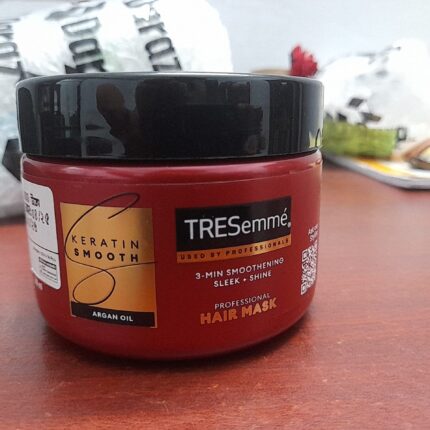 Sale
SaleOriginal price was: ৳ 1,200.00.৳ 950.00Current price is: ৳ 950.00.
How Trehalulose Works in the Body
Trehalulose provides energy because it remains a carbohydrate. However, studies show the body absorbs and processes it more slowly than sucrose. This slower pace helps explain its lower glycemic effect in research settings.
The glycemic effect describes how much a food raises blood sugar after eating. Foods with fast-digesting sugars often create a higher response. When digestion slows, the rise may feel steadier for many people.
Blood Sugar Response
Research on rare sugars shows that structure matters. A different bond can change how enzymes in the gut break sugar apart. Because Trehalulose resists fast breakdown, it may lead to a lower peak response.
Still, blood sugar depends on the whole food. Fat, fiber, protein, and serving size all change the result. So a cookie with this sugar can still raise blood sugar if the portion is large.
Energy and Satiety
Many shoppers want sweet foods that do not cause a quick crash. A slower sugar response may help some people feel steadier after a snack. However, personal results can vary by metabolism and meal pattern.
Studies show that balanced meals improve satiety more than sweeteners alone. Satiety means the feeling of fullness after eating. Pairing sweetness with fiber or protein usually works better than choosing sugar type alone.
Dental Considerations
Oral bacteria feed on many common sugars and produce acids. Those acids can weaken tooth enamel over time. Some research suggests Trehalulose may have lower cavity potential than sucrose.
However, no sweet ingredient replaces basic dental care. Brushing, flossing, and regular dental visits still matter most. Also, sticky snacks can cling to teeth even when they use alternative sugars.
Trehalulose as a Sugar Humectant Ingredient
Food and beauty products need more than flavor. Texture, moisture, and shelf feel also shape the customer experience. Trehalulose can act as a sugar humectant ingredient because sugar molecules attract water.
Humectants help hold moisture in a formula or product. Common examples include glycerin, honey, sorbitol, and some sugars. Because Trehalulose has many water-loving groups, it may help reduce dryness in certain uses.
Why Humectants Matter
Humectants help products feel soft, smooth, or less brittle. In baked goods, they can slow drying and improve chew. In skin care, they can support a hydrated feel on the surface.
Research in food science shows that water activity affects freshness. Water activity means how much water microbes can use. When formulators manage it well, products can keep better texture and safer quality.
Food Texture Uses
Trehalulose may help sweet snacks stay moist without tasting harsh. This matters in bars, fillings, syrups, and soft candies. However, product makers must balance sweetness, stickiness, and cost.
For example, a chewy bar may need syrup that binds ingredients. A sugar with humectant behavior can help the bar resist drying. As a result, the product may feel fresher during normal storage.
Beauty and Personal Care Uses
Some shoppers notice sugars in lotions, masks, or cleansers. These ingredients can support moisture feel on the skin surface. Trehalulose may appeal as a hydration preserving compound in formulas that need mild sweetness or water binding.
Dermatologists often recommend humectants for dry skin support. However, they also advise sealing moisture with emollients or creams. A humectant can pull water, while oils and butters help reduce water loss.
Benefits Shoppers May Notice
Trehalulose has several possible benefits, but it is not magic. The strongest interest comes from its slower digestion and moisture behavior. Studies show that rare sugars can support better product design when formulators use them wisely.
For general shoppers, the key question is simple. Does the product fit your taste, budget, and health goals? A smart label check can answer much of that.
Gentler Sweetness
Many rare sugars taste less intense than table sugar. Trehalulose offers sweetness, yet product makers may blend it with other ingredients. This can create a balanced taste without the sharp edge of some sweeteners.
However, sweetness perception differs between people. Coffee drinkers, dessert lovers, and low-sugar shoppers may judge the same product differently. That is why small trial sizes can help before buying more.
Lower Glycemic Interest
Research indicates that Trehalulose has a lower glycemic impact than sucrose. This feature interests shoppers who watch energy swings after meals. It may also appeal to people comparing sweeteners for daily snacks.
Still, anyone with diabetes should follow medical advice. A product can contain other fast carbohydrates, even with a rare sugar. Because labels show total carbohydrates, that number still matters.
Moisture Support
Sugars can bind water, which helps explain their role in soft foods. Trehalulose may support moisture retention in some formulas. This can improve mouthfeel, texture, and product enjoyment.
In personal care, moisture support depends on the whole formula. For example, a serum with humectants may feel light and fresh. Yet a cream may feel better for very dry skin.
Potential Label Appeal
Shoppers often prefer ingredients that sound closer to food. Since Trehalulose appears naturally in certain honeys, it may feel familiar. However, natural origin does not automatically mean unlimited use.
Food scientists judge ingredients by safety, function, and dose. A sweetener can come from nature and still need careful serving control. That balanced view helps shoppers avoid hype.
Limits, Safety, and Real-World Concerns
Trehalulose may offer useful traits, yet shoppers should keep expectations realistic. It still belongs to the carbohydrate family and still contributes energy. Research supports interest, but product availability remains limited in many markets.
Safety depends on source, purity, serving amount, and personal health needs. Reputable brands should follow food or cosmetic rules in their region. When a product lacks clear labeling, choose another option.
It Is Not a Free Food
Some shoppers see lower glycemic claims and assume unlimited portions. That mistake can lead to extra calories and excess carbohydrates. Trehalulose should still fit within a balanced eating pattern.
Because serving size drives total intake, compare portions first. A large sweet drink can deliver more carbs than a small dessert. This means moderation still matters, even with a rare sugar.
Availability and Cost
Trehalulose is less common than sucrose, glucose syrup, or honey. Smaller supply chains can raise the price of finished goods. As a result, products with this ingredient may cost more.
Research and production may expand if demand grows. However, shoppers should not expect every supermarket to carry it soon. Specialty brands and health-focused stores may show it first.
Digestive Tolerance
Many alternative sweet ingredients can affect digestion at high amounts. Some cause gas or loose stools, especially sugar alcohols. Trehalulose is not the same as a sugar alcohol, yet personal tolerance still matters.
When trying a new sweetener, start with a small serving. This helps you notice any stomach changes. If discomfort appears, stop using it and compare the full ingredient list.
Medical and Allergy Needs
People with diabetes, pregnancy concerns, or strict medical diets need tailored advice. A clinician can interpret labels within the full diet plan. This is safer than relying on one ingredient claim.
Honey-derived ingredients may also raise questions for some buyers. For example, vegans may avoid honey-based sources. Although production methods differ, brands should explain their sourcing clearly.
How to Read Labels for Trehalulose
Trehalulose may appear on labels in foods, syrups, supplements, or personal care items. The name should appear in the ingredient list if the brand adds it directly. However, natural honey products may not list every sugar type.
For packaged foods, nutrition panels tell a broader story. Total carbohydrates, added sugars, fiber, and calories all matter. A rare sugar claim should not distract from the full serving facts.
Check the Ingredient Order
Ingredients usually appear by weight from most to least. If a sweetener appears near the top, the product may contain a meaningful amount. If it appears near the end, the role may be minor.
Trehalulose near the top may affect sweetness and texture. Yet brands may blend it with other sugars for taste or cost. So read the whole list before judging the product.
Compare Total Sugars
A product can use rare sugar and still contain plenty of total sugar. That is why the nutrition panel matters. Studies on blood sugar response cannot replace basic label reading.
When comparing two snacks, use the same serving size. Check calories, fiber, protein, and total carbohydrates together. This gives a fairer view than one front label claim.
Watch for Sweetener Blends
Many products combine sweeteners to improve taste. A bar may include honey, syrups, fruit paste, and rare sugars. This means the final effect depends on the blend.
Trehalulose can play one role in that mix. However, added sucrose or glucose syrup can change the blood sugar response. For shoppers, the whole formula matters more than one ingredient.
Look at Claims Carefully
Terms like natural, gentle, or low glycemic need context. Some claims follow rules, while others sound more like marketing. Because of that, the back label often tells the real story.
Choose brands that explain serving size and ingredient purpose. Clear labels suggest the company respects informed shoppers. Vague claims should make you slow down before buying.
Trehalulose in Food Products
Trehalulose can fit many food ideas because it tastes sweet and handles moisture. Product developers may test it in snacks, beverages, spreads, and confectionery. Research shows sugar type can affect browning, crystallization, and mouthfeel.
For shoppers, the most likely early products are premium or specialty items. These may focus on steady energy, lower glycemic impact, or natural sweetening. However, each product still needs a full label check.
Snack Bars and Bites
Snack bars need sweetness, binding, and chew. Syrups and sugars often hold grains, nuts, and seeds together. Trehalulose may help support that soft, cohesive bite.
When buying bars, look beyond the sweetener. Protein, fiber, and saturated fat affect how filling the bar feels. A better bar should taste good and support your daily needs.
Drinks and Syrups
Some beverage makers may explore rare sugars for smoother sweetness. Drinks make sweetness easy to notice because there is less texture to hide it. However, liquid calories can add up fast.
Trehalulose in a syrup may also change thickness and mouthfeel. That can matter in coffee syrups, dessert sauces, or drink bases. Still, portion control remains the simplest way to manage intake.
Honey and Natural Sweeteners
Stingless bee honey can contain notable amounts of Trehalulose. Studies have reported this sugar as a key marker in some samples. This has increased interest in honey quality and origin testing.
However, honey composition changes by location and flowers. One jar may differ from another, even within the same broad category. Shoppers should treat honey as a varied food, not a fixed formula.
Baked Goods and Desserts
Sugar affects browning, softness, spread, and moisture in baking. Trehalulose may behave differently from sucrose in recipes. Because of that, home bakers should avoid direct one-for-one swaps at first.
Start by testing small batches if you find the ingredient. Watch texture, sweetness, and color during baking. When results look uneven, blend it with familiar sugars instead.
Trehalulose in Skin Care and Beauty
Trehalulose may appear in beauty formulas because sugars can help bind water. Skin care makers often use humectants to improve surface hydration. Dermatologists explain that humectants work best on damp skin or under a cream.
For shoppers, the ingredient name alone cannot prove results. The formula base, concentration, and other ingredients matter. Still, this sugar may support a soft and hydrated skin feel.
How It May Feel on Skin
Humectant sugars often feel smooth rather than oily. They can help a serum or mask feel fresh. Trehalulose may suit formulas that aim for light moisture support.
However, very dry skin usually needs more than humectants. Oils, ceramides, and butters can help reduce moisture loss. This means a layered routine may work better than one product.
Products Where It May Appear
You may see this ingredient in masks, creams, lotions, or hydrating gels. It may also appear in mild cleansers that aim to reduce a tight feeling. Product makers choose it when water binding supports the formula goal.
Trehalulose will not turn a poor formula into a great one. However, it can add a useful moisture-support role. Check whether the product also includes proven helpers like glycerin or hyaluronic acid.
Who Might Like It
People with normal, dry, or combination skin may enjoy humectant-rich products. Sensitive skin shoppers should patch test any new item first. That simple step can reduce the chance of irritation.
Because skin needs vary, watch how your skin feels after several uses. Tightness, stinging, or redness suggests the formula may not suit you. A gentle routine usually beats chasing every new ingredient.
How to Choose Better Products
Trehalulose can help guide a purchase, but it should not be the only factor. Smart shoppers compare purpose, serving size, ingredient quality, and price. Studies in consumer behavior show clear labels help people make better choices.
When shopping online, product pages can make claims feel stronger than they are. Photos, badges, and slogans may distract from facts. So focus on the label, the brand, and your actual use.
For Food Shoppers
- Check total carbohydrates: This number shows the broader carb load per serving.
- Review added sugars: A rare sugar does not erase other sweeteners in the recipe.
- Compare serving sizes: Brands may use smaller servings to make numbers look better.
- Look for fiber and protein: These nutrients can help a snack feel more filling.
- Start with small packs: Taste and digestion differ, so test before buying bulk.
Because food goals vary, the best choice depends on your routine. A weekend dessert has different needs than a daily snack. Trehalulose may matter more in foods you eat often.
For Beauty Shoppers
- Look for humectant partners: Glycerin, panthenol, and hyaluronic acid can support hydration.
- Check skin type claims: A rich cream may suit dry skin better than oily skin.
- Patch test first: Apply a small amount before using it across your face.
- Watch fragrance levels: Fragrance can irritate some sensitive skin types.
- Judge results by feel: Hydrated skin should feel comfortable, not sticky or tight.
However, ingredient lists can feel long and technical. Focus first on the product purpose and your skin response. A simple formula that works beats a trendy formula that irritates.
Questions to Ask Before Buying
- What problem should this product solve? Choose sweetness, texture, or hydration as the main goal.
- How often will I use it? Daily products deserve stricter label checks than occasional treats.
- Does the brand explain the ingredient? Clear education often signals better product care.
- Does the price match the benefit? Rare ingredients may cost more, but value still matters.
- Can I return it if needed? Online shoppers should check policies before buying new ingredients.
Since rare sugar products can cost more, avoid buying based on buzz alone. Read reviews for taste, texture, and real use cases. Then compare those comments with the nutrition or ingredient panel.
Common Myths About Trehalulose
Trehalulose has drawn attention because it sounds new to many shoppers. New ingredients often attract both hype and doubt. Research helps separate realistic benefits from claims that go too far.
The best view is balanced. This sugar may offer useful traits, but it does not cancel poor diet choices. It works as one ingredient within a larger product.
Myth: It Has No Calories
Trehalulose is still a sugar and still provides energy. It differs from zero-calorie sweeteners such as stevia or sucralose. So shoppers should not treat it as a calorie-free option.
However, its slower digestion may still offer value in certain products. That benefit relates more to response than to zero energy. Portion size remains the main control point.
Myth: It Makes Any Product Healthy
A candy can include Trehalulose and still be candy. The full recipe decides the health value. Saturated fat, refined flour, total sugar, and portion size all count.
That is why shoppers should compare similar products side by side. A bar with more fiber and less total sugar may be better. A rare sweetener alone cannot fix a weak nutrition profile.
Myth: Natural Always Means Better
Trehalulose occurs naturally in some honeys, which sounds appealing. Yet natural foods and ingredients still need sensible portions. Even honey can raise blood sugar when eaten in large amounts.
Because source and processing vary, transparency matters. Good brands explain where ingredients come from and why they use them. Shoppers should reward that clarity with trust.
Frequently Asked Questions
Is Trehalulose the same as regular sugar?
No, Trehalulose differs from regular table sugar in its chemical bond. Both contain glucose and fructose, but the body digests them at different speeds. That difference may lead to a gentler blood sugar response.
Does Trehalulose taste sweet?
Yes, it tastes sweet, though sweetness can feel softer than sucrose. Product makers may blend it with other sweeteners for better flavor. Taste also depends on the full recipe.
Can Trehalulose help keep products moist?
Yes, it may help hold moisture because sugars attract water. This makes it useful in some foods and personal care formulas. However, the final result depends on the whole product design.
Should people with diabetes use Trehalulose?
People with diabetes should ask a healthcare professional before changing sweeteners. Trehalulose may have a lower glycemic impact than sucrose, but it still counts as carbohydrate. Total intake and meal balance still matter.
Final Thoughts
Trehalulose is a rare sugar with real promise, especially for steady sweetness and moisture support. However, it still works best when shoppers read the full label. Choose products that fit your goals, start with small servings, and compare claims with facts.