
Blog
Tranexamic Acid: Your Ultimate Guide to Pigmentation Control

For individuals grappling with stubborn skin discoloration, the search for effective solutions can often feel overwhelming. Among the myriad of ingredients promising brighter, more even-toned skin, one stands out for its remarkable efficacy and growing popularity: Tranexamic Acid. Initially recognized for its significant role in the medical field to manage bleeding, this synthetic derivative of the amino acid lysine has emerged as a powerhouse in dermatology, particularly as a transformative melasma treatment ingredient and a cornerstone of advanced pigmentation skincare. This comprehensive guide delves deep into the science behind tranexamic acid, exploring its mechanisms of action, diverse applications, and how it can redefine your journey towards luminous, blemish-free skin. Understanding how this ingredient works is the first step toward harnessing its full potential for a visibly improved complexion.
The Science Behind Tranexamic Acid for Skin
Tranexamic acid, a synthetic analog of the amino acid lysine, operates through a fascinating mechanism to combat hyperpigmentation. Its primary mode of action in dermatology revolves around inhibiting plasmin activity. Plasmin, an enzyme primarily known for its role in fibrinolysis (the breakdown of blood clots), also plays a crucial role in the skin’s pigmentary pathway. When skin is exposed to UV radiation, inflammation, or hormonal changes, keratinocytes (the predominant cells in the epidermis) release an activator called urokinase plasminogen activator (uPA). This uPA then converts plasminogen into plasmin. Plasmin, in turn, stimulates melanocytes (the pigment-producing cells) to synthesize melanin, leading to the formation of dark spots and uneven skin tone.
By competitively inhibiting the binding of plasminogen to keratinocytes, tranexamic acid effectively reduces the production of plasmin. This reduction in plasmin activity has a cascade effect: it diminishes the release of arachidonic acid and subsequent prostaglandin synthesis, which are mediators that stimulate melanin production. Furthermore, tranexamic acid is believed to interact with the inflammatory pathways involved in melasma and post-inflammatory hyperpigmentation, calming the skin and preventing the signaling that triggers pigment overproduction. This multi-pronged approach makes tranexamic acid a uniquely effective ingredient, not just in treating existing hyperpigmentation but also in preventing its recurrence. Its ability to target multiple steps in the melanogenesis pathway, without directly inhibiting tyrosinase (the key enzyme in melanin synthesis), positions it as an excellent complementary treatment to other pigment-reducing agents, often enhancing their overall efficacy. This sophisticated action allows tranexamic acid to address the root causes of discoloration, providing a more comprehensive solution than single-target treatments. It is particularly adept at managing the complex inflammatory component often observed in stubborn pigmentary disorders, contributing to its broad utility in modern dermatological practices. The ingredient’s gentle nature further makes it an attractive option for long-term use, helping individuals maintain their results and prevent future pigmentary concerns. This comprehensive strategy ensures that the skin not only appears clearer but also functions optimally in managing its natural pigmentary responses.
Understanding How Tranexamic Acid Interrupts Pigment Production
The mechanism by which tranexamic acid tackles hyperpigmentation is both intricate and highly effective, differentiating it from many other conventional brightening agents. Its primary intervention lies in the disruption of the plasminogen/plasmin pathway within the skin. When the skin is subjected to triggers like ultraviolet (UV) radiation or inflammatory stimuli, keratinocytes in the epidermis are prompted to release a substance known as urokinase plasminogen activator (uPA). This uPA then orchestrates the conversion of plasminogen, a precursor molecule, into its active enzymatic form, plasmin. Plasmin, once activated, has a multifaceted role in stimulating melanogenesis, the process by which melanin (skin pigment) is produced. It increases the activity of tyrosinase, the rate-limiting enzyme in melanin synthesis, and also enhances the proliferation of melanocytes, the cells responsible for producing pigment. Furthermore, plasmin can activate inflammatory cascades that contribute to hyperpigmentation, particularly in conditions like melasma and post-inflammatory hyperpigmentation.
Tranexamic acid intervenes by acting as a competitive inhibitor of plasminogen activation. It binds reversibly to the lysine-binding sites on plasminogen, thereby preventing plasminogen from binding to the surface of keratinocytes. This effectively blocks the uPA-mediated conversion of plasminogen to plasmin. By reducing the availability of active plasmin, tranexamic acid dampens the entire signaling cascade that leads to melanin overproduction. This includes a reduction in the release of various inflammatory mediators, such as prostaglandins, which are known to stimulate melanocytes and exacerbate pigmentary changes. The consequence of this inhibition is a decrease in melanin synthesis, leading to the fading of existing dark spots and a reduction in the likelihood of new ones forming. This targeted approach means tranexamic acid can address hyperpigmentation with remarkable precision, without causing the cytotoxicity sometimes associated with direct tyrosinase inhibitors. Its ability to influence both the inflammatory and pigmentary pathways makes it an incredibly powerful and versatile tool in the arsenal against skin discoloration. It provides a strategic advantage in treating conditions where inflammation plays a significant role, ensuring a more holistic management of the condition. The cumulative effect of these actions results in a visible improvement in skin tone uniformity and brightness, solidifying its reputation as a leading ingredient in advanced pigmentation management. Its unique mechanism also allows for excellent synergy with other ingredients, creating more robust and comprehensive treatment strategies for a wide range of pigmentary concerns.
- Inhibits Plasminogen to Plasmin Conversion: Tranexamic acid prevents plasminogen from binding to keratinocytes, thereby blocking its activation into plasmin. Plasmin is a key enzyme that stimulates melanin production.
- Reduces Melanin Synthesis: By inhibiting plasmin, tranexamic acid effectively reduces the signals that lead to increased tyrosinase activity and melanocyte proliferation, directly decreasing melanin output.
- Calms Inflammatory Pathways: It lessens the release of inflammatory mediators like prostaglandins, which can trigger and worsen hyperpigmentation, particularly in inflammatory conditions such as melasma.
- Targets UV-Induced Pigmentation: The ingredient interferes with the melanin production cascade initiated by UV exposure, making it effective against sunspots and photoaging.
- Supports Skin Barrier: While not its primary action, some observations suggest a positive influence on skin barrier function, indirectly helping to prevent inflammation and subsequent pigmentary changes.
Recommended Products
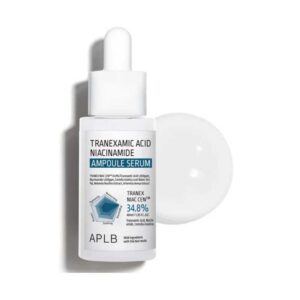
APLB Tranexamic Acid Niacinamide Ampoule Serum 40ml
Original price was: ৳ 1,300.00.৳ 910.00Current price is: ৳ 910.00.
View Details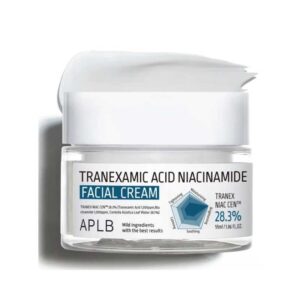
APLB Tranexamic Acid Niacinamide Facial Cream 55ml
Original price was: ৳ 1,380.00.৳ 966.00Current price is: ৳ 966.00.
View Details
MEDIPEEL Melanon X Cream (30ml)
Original price was: ৳ 1,660.00.৳ 1,160.00Current price is: ৳ 1,160.00.
View Details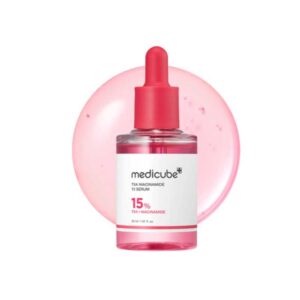
Medicube Txa Niacinamide 15% Serum 30ml
Original price was: ৳ 2,320.00.৳ 1,620.00Current price is: ৳ 1,620.00.
View DetailsTranexamic Acid as a Melasma Treatment Ingredient
Melasma, often dubbed the “mask of pregnancy,” is a notoriously challenging form of hyperpigmentation characterized by symmetrical brown or gray-brown patches on the face, frequently triggered by hormonal fluctuations, sun exposure, and genetic predisposition. For years, dermatologists have sought powerful yet gentle ingredients to manage this persistent condition. Tranexamic Acid has emerged as a revolutionary melasma treatment ingredient, offering significant improvements for many sufferers. Its distinct mechanism of action, which targets the underlying inflammatory and vascular components of melasma, sets it apart from traditional depigmenting agents. This innovative approach allows tranexamic acid to address the complex etiology of melasma, which extends beyond simple melanin overproduction to include vascular abnormalities and inflammatory signaling within the skin. Patients often report not only a reduction in the intensity of their melasma but also a visible decrease in the associated redness, which is a common characteristic of this condition. The ability to tackle both the pigmentary and vascular aspects makes it a particularly valuable asset in long-term melasma management, providing a more comprehensive solution than many single-mechanism treatments. This holistic action contributes to more stable and sustained results, reducing the frustrating cycle of recurrence that often plagues melasma patients. Its efficacy, combined with a favorable safety profile, has positioned it as a cornerstone in contemporary dermatological approaches to managing this pervasive and often emotionally distressing skin condition.
Unlike hydroquinone, which primarily inhibits the tyrosinase enzyme, tranexamic acid addresses the complex interplay of factors contributing to melasma. It reduces the vascular component often observed in melasma, where increased blood vessel activity can stimulate melanocytes. Clinical studies have demonstrated its effectiveness, with many patients experiencing a visible reduction in the size and intensity of melasma patches. It is particularly valued for its ability to reduce post-inflammatory hyperpigmentation, a common issue for melasma patients whose skin is prone to darkening after inflammation or irritation. The versatility of tranexamic acid allows it to be incorporated into various treatment regimens, often synergistically with other active ingredients like retinoids, vitamin C, or hydroquinone, to achieve more profound and lasting results. This makes it a cornerstone in modern approaches to managing this complex and often frustrating skin condition. The systemic benefits, when administered orally, provide an added dimension of treatment for those whose melasma is resistant to topical therapies, making it a comprehensive solution for even the most stubborn cases. The ongoing research into its specific benefits and optimal use further solidifies its standing as a critical ingredient in the evolving landscape of melasma management. Patients can find renewed hope and improved quality of life with the strategic incorporation of tranexamic acid into their personalized treatment plans, guided by their dermatologist’s expertise. The ability to modulate inflammation alongside pigment production means a more balanced and effective treatment, preventing the exacerbation often seen with other, more aggressive treatments.
Topical Applications for Melasma
Topical formulations of tranexamic acid are a popular and effective way to address melasma. These products, often in the form of serums, creams, or gels, typically contain concentrations ranging from 2% to 5%. Consistent, daily application is crucial for achieving optimal results. When applied topically, tranexamic acid penetrates the skin to deliver its pigment-inhibiting benefits directly to the affected areas. It works by interfering with the interaction between keratinocytes and melanocytes, calming the inflammatory response that often fuels melasma. Many individuals find topical tranexamic acid to be well-tolerated, with minimal side effects compared to some other powerful depigmenting agents. It can be integrated into existing skincare routines, usually applied after cleansing and toning but before heavier moisturizers. Combining topical tranexamic acid with a broad-spectrum sunscreen is paramount, as sun protection is non-negotiable for managing and preventing melasma recurrence. The ease of use and favorable side effect profile make topical tranexamic acid an excellent first-line treatment for many melasma sufferers. Its ability to provide gradual yet significant improvement without the risk of post-inflammatory hyperpigmentation often associated with stronger treatments makes it a patient-friendly option. Furthermore, it can be used for extended periods as a maintenance therapy to prevent the return of pigmentation, which is a common challenge in melasma management. This sustained approach contributes to long-term skin clarity and reduces the psychological burden often associated with recurrent melasma. The strategic application of topical tranexamic acid under the guidance of a dermatologist can truly transform the appearance of melasma-affected skin, promoting a more even and radiant complexion. Its gentle yet potent action ensures efficacy without compromising skin health, making it a preferred choice for many seeking effective and sustainable melasma solutions.
Oral Tranexamic Acid for Stubborn Melasma
For more severe or recalcitrant cases of melasma that do not respond sufficiently to topical treatments, oral tranexamic acid can be a highly effective option. Administered under strict medical supervision, typically in doses ranging from 250 mg to 500 mg twice daily, oral tranexamic acid works systemically to inhibit plasmin activity throughout the body, including the skin. Clinical trials have shown significant improvement in melasma severity and pigmentation in patients taking oral tranexamic acid, often within a few months of treatment. However, due to its systemic effects, oral tranexamic acid carries a higher risk of side effects, including gastrointestinal upset, allergic reactions, and, most notably, a very small but increased risk of blood clots. Therefore, a thorough medical evaluation, including a review of medical history and potential contraindications, is essential before initiating oral therapy. Regular monitoring by a dermatologist is also crucial to ensure safety and efficacy throughout the treatment period. This approach is usually reserved for cases where topical treatments have proven insufficient, highlighting the need for a personalized treatment plan. The decision to embark on oral therapy is often made after a careful consideration of the benefits versus the risks, and it is usually part of a broader management strategy that still includes topical agents and stringent sun protection. The systemic action of oral tranexamic acid makes it particularly useful for widespread or deeply embedded melasma, where topical penetration may be limited. Its ability to target the root cause of melasma from within can lead to more dramatic and lasting improvements, providing relief for patients who have found other treatments ineffective. Regular blood tests and follow-up appointments are mandatory to monitor for any adverse effects and adjust the dosage if necessary, ensuring that the treatment remains both effective and safe. This comprehensive and medically supervised approach is vital for achieving optimal outcomes with oral tranexamic acid, making it a powerful tool for those with challenging melasma. The commitment to patient safety and continuous monitoring underscores the importance of a skilled dermatologist in guiding this advanced treatment strategy, ensuring that patients receive the best possible care while minimizing any potential risks.
Tranexamic Acid in Pigmentation Skincare
Beyond melasma, Tranexamic Acid has cemented its place as a versatile and indispensable component in advanced pigmentation skincare. Its ability to target various forms of hyperpigmentation makes it a broad-spectrum solution for achieving a more uniform and radiant complexion. From sunspots to post-inflammatory hyperpigmentation, tranexamic acid offers a gentle yet potent approach to addressing discoloration. The beauty of this ingredient lies in its multi-faceted action: it not only diminishes existing dark spots but also works proactively to prevent new ones from forming. This dual action is particularly beneficial for individuals prone to recurring pigmentation issues or those seeking to maintain clear skin after other treatments. The strategic incorporation of tranexamic acid into daily routines helps to manage the complex mechanisms of pigment formation, ensuring that the skin maintains its clarity and brightness over time. Its adaptability makes it a valuable asset for a wide range of individuals, from those with mild discoloration to those battling more persistent pigmentary concerns. This comprehensive approach ensures that the skin is not only treated for existing issues but also fortified against future ones, leading to long-lasting results and an overall healthier complexion. The efficacy of this ingredient across diverse pigmentation types highlights its crucial role in modern skincare formulations aimed at achieving optimal skin tone and radiance, making it a truly revolutionary component in the pursuit of impeccable skin health and aesthetic improvement. Its ability to work across various skin types and concerns further broadens its appeal and utility.
Its excellent compatibility with other active ingredients further enhances its appeal in pigmentation skincare. It can be seamlessly integrated into routines alongside retinoids, vitamin C, alpha hydroxy acids (AHAs), and niacinamide, often amplifying their effects without increasing irritation. This synergy allows for the creation of powerful, comprehensive skincare regimens tailored to individual needs. Furthermore, tranexamic acid is generally well-tolerated by various skin types, including sensitive skin, making it a viable option for many who might react adversely to more aggressive depigmenting agents. Its consistent use can lead to a noticeable improvement in overall skin tone, brightness, and a significant reduction in the appearance of various forms of unwanted pigmentation, solidifying its status as a must-have ingredient in the pursuit of clear and even skin. The ingredient’s ability to complement and enhance other popular actives means that individuals do not have to overhaul their entire skincare routine but can instead strategically add tranexamic acid to boost existing efforts. This flexible integration makes it a practical and effective choice for anyone serious about improving their skin tone and managing hyperpigmentation. The long-term benefits of maintaining an even complexion through consistent use contribute significantly to a youthful and healthy appearance, making tranexamic acid an invaluable investment in lasting skin quality. Its mild nature ensures that this powerful treatment can be sustained without significant discomfort or compromise to the skin barrier, a common challenge with more potent actives, ensuring that treatment is not only effective but also sustainable for the user.
Addressing Post-Inflammatory Hyperpigmentation (PIH)
Post-inflammatory hyperpigmentation (PIH) is a common concern, manifesting as dark spots that linger after skin inflammation or injury, such as acne breakouts, eczema, or minor wounds. These spots can range from light brown to black and can be incredibly stubborn to fade. Tranexamic acid has proven to be a highly effective treatment for PIH due to its anti-inflammatory properties and its ability to inhibit the melanogenesis pathway triggered by inflammation. By reducing the inflammatory response, tranexamic acid helps to prevent the overproduction of melanin that occurs as a protective reaction to skin damage. When applied topically, it calms the skin and signals to the melanocytes to reduce their pigment output, leading to a faster fading of dark marks. For individuals frequently experiencing acne-induced PIH, incorporating tranexamic acid into their daily regimen can significantly accelerate the recovery process and prevent the long-term scarring effects of discoloration. It is a gentle yet powerful ally in restoring an even complexion after inflammatory skin events. The strategic use of tranexamic acid for PIH also minimizes the risk of worsening hyperpigmentation that can sometimes occur with more aggressive treatments, especially if the skin is still inflamed. Its ability to soothe irritated skin while simultaneously targeting pigment makes it an ideal solution for a wide array of post-inflammatory marks, helping to restore skin clarity and uniformity more rapidly. This nuanced action underscores its utility in treating a condition that often proves frustratingly persistent, offering a reliable path to a blemish-free complexion. The gentle approach of tranexamic acid ensures that the skin’s natural healing process is supported, leading to more resilient and even-toned skin in the long run.
Fading Sunspots and Age Spots
Sunspots, also known as solar lentigines or age spots, are flat, typically oval areas of increased pigmentation that appear on sun-exposed skin, such as the face, hands, and décolletage. They are a direct result of cumulative sun damage over the years. Tranexamic acid’s mechanism of action, which involves inhibiting UV-induced melanin production, makes it an excellent choice for fading these common signs of photoaging. By interrupting the signaling pathways that lead to increased melanin synthesis in response to sun exposure, tranexamic acid helps to dismantle existing sunspots and prevent the formation of new ones. Consistent use of topical tranexamic acid can lead to a visible reduction in the contrast and intensity of these spots, contributing to a more youthful and even-toned appearance. When combined with rigorous daily sun protection, including broad-spectrum sunscreen and protective clothing, tranexamic acid offers a robust strategy for managing and reversing the visible effects of sun damage on the skin. The proactive nature of tranexamic acid against UV-induced pigment means it is not just a treatment but also a preventative measure, protecting the skin from future damage. This dual benefit is invaluable for individuals living in sunny climates or those with a history of significant sun exposure. Its continuous action against the effects of photoaging helps to maintain the skin’s youthful vibrancy and reduce the tell-tale signs of environmental damage. The long-term incorporation of tranexamic acid into a sun-protective skincare regimen provides a powerful shield against the forces that contribute to the formation of age spots, ensuring a clearer and more uniform complexion as skin ages. This comprehensive approach is essential for achieving and maintaining healthy, resilient skin throughout a lifetime, making it an indispensable part of any anti-aging strategy.
Overall Skin Brightening and Tone Evenness
Beyond targeting specific dark spots, tranexamic acid contributes significantly to overall skin brightening and achieving a more uniform skin tone. Many factors contribute to an uneven complexion, including subtle patches of discoloration, dullness, and a general lack of radiance. By inhibiting the various pathways involved in melanin production and reducing inflammatory responses, tranexamic acid promotes a clearer, more luminous appearance. Regular application helps to regulate the skin’s pigmentary processes, preventing the accumulation of excess melanin that can lead to a sallow or mottled complexion. The result is skin that appears more translucent, vibrant, and consistently toned across the entire face. This makes tranexamic acid a valuable ingredient not just for those with overt hyperpigmentation, but also for individuals seeking a general improvement in their skin’s clarity and brightness, ultimately enhancing their natural glow and promoting a healthier-looking complexion. The subtle yet profound impact of tranexamic acid on overall skin radiance is often underestimated. It works silently but effectively to balance the skin’s natural pigmentation, leading to a complexion that reflects light more uniformly and appears healthier. This improvement in skin clarity is often a hallmark of youthful and well-cared-for skin, contributing significantly to one’s overall appearance and confidence. Its ability to create a consistent canvas makes it an excellent primer for other skincare goals, ensuring that subsequent treatments or makeup applications look their best. The cumulative effect of sustained use is a noticeable enhancement in skin quality, making tranexamic acid a cornerstone for anyone aspiring to a truly luminous and perfectly even-toned complexion, regardless of their specific pigmentary concerns. This holistic approach to skin brightness is a testament to its multifaceted benefits.
Integrating Tranexamic Acid into Your Skincare Routine
Effectively incorporating Tranexamic Acid into your daily skincare routine is key to maximizing its benefits for pigmentation skincare and as a melasma treatment ingredient. Its versatility allows for seamless integration alongside many other popular active ingredients, making it an adaptable choice for various skin concerns. When starting with tranexamic acid, consistency is more important than aggression. Introduce it gradually if you have sensitive skin, though it is generally well-tolerated. The typical order of application in a routine is after cleansing and toning, but before thicker creams or oils. This ensures it can penetrate effectively and deliver its active compounds to the skin cells responsible for pigment regulation. Patience is also a virtue; while some individuals may see results in a few weeks, significant improvements often become visible after several months of diligent use. Committing to a consistent regimen will unlock the full potential of this powerful ingredient. The ease with which tranexamic acid can be added to an existing routine, without causing significant disruption or necessitating a complete overhaul of other products, makes it an attractive option for many. This adaptability ensures that individuals can leverage its benefits without compromising on other beloved or essential components of their skincare regimen. Moreover, its gentle nature means that it can often be used for extended periods, providing continuous support for pigmentation management and prevention. This long-term approach is crucial for maintaining a clear and even complexion, especially for those prone to recurring pigmentary issues. By making tranexamic acid a consistent part of your daily ritual, you invest in sustained skin health and achieve lasting radiance. The strategic placement within the routine, ensuring direct contact with clean skin, maximizes its therapeutic impact and speeds up the visible benefits for a noticeably improved complexion.
When and How to Apply Topical Tranexamic Acid
Topical tranexamic acid products, commonly found in serums, essences, or creams, are typically applied once or twice daily. For most users, a twice-daily application (morning and evening) yields the best results. After cleansing your face and applying any toners or light essences, dispense a few drops of your tranexamic acid serum onto your fingertips. Gently pat or smooth it evenly over your entire face, or specifically on areas of concern, such as melasma patches or sunspots. Allow the product to fully absorb into your skin for a minute or two before proceeding with the next steps in your routine. In the morning, always follow with a broad-spectrum sunscreen with an SPF of 30 or higher, as sun protection is paramount when addressing hyperpigmentation. In the evening, you can follow with your moisturizer or other treatment products like retinoids. Remember, the skin absorbs active ingredients more effectively when applied to clean skin, so make it one of the first layers in your treatment steps. The lightweight texture of many tranexamic acid serums makes them easy to layer without feeling heavy or sticky. This ensures a comfortable application experience and promotes consistent use, which is vital for achieving desired outcomes. Its non-irritating nature allows it to be used reliably, even for those with sensitive skin who may react adversely to other powerful ingredients. The strategic placement in your routine ensures that it acts directly on the skin cells involved in pigment production, maximizing its efficacy. Consistent application, coupled with vigilant sun protection, creates an optimal environment for tranexamic acid to deliver its full benefits, leading to a visibly clearer and more uniform complexion over time. This structured approach helps in harnessing the full power of this remarkable ingredient effectively and safely for long-term skin health. The simplicity of integrating it into daily rituals also reduces barriers to adherence, fostering better and more reliable results in managing complex pigmentation concerns.
Combining with Other Active Ingredients
One of the significant advantages of tranexamic acid is its excellent compatibility with a wide array of other popular skincare actives. This allows for synergistic approaches to treating hyperpigmentation and enhancing overall skin health. For instance, pairing tranexamic acid with Vitamin C (L-ascorbic acid) can offer potent antioxidant benefits while addressing pigment, as Vitamin C also inhibits melanin production and brightens the skin. Similarly, when combined with niacinamide (Vitamin B3), you can achieve improved skin barrier function, reduced inflammation, and enhanced brightening effects. For those targeting stubborn melasma or severe sun damage, tranexamic acid can safely be used alongside retinoids (like retinol or tretinoin), which accelerate cell turnover and help shed pigmented cells, provided that the skin is not excessively irritated. Even ingredients like alpha hydroxy acids (AHAs) can be used in conjunction to exfoliate the skin’s surface, helping other actives penetrate more effectively, though care should be taken to avoid over-exfoliation. Always introduce new actives gradually and observe your skin’s response. If irritation occurs, reduce the frequency of application or separate the application times (e.g., tranexamic acid in the morning, retinoid at night). The ability to formulate comprehensive and multi-targeted skincare routines with tranexamic acid at its core provides dermatologists and patients with immense flexibility. This means that a single ingredient can amplify the effects of an entire regimen, leading to more profound and faster results for a variety of pigmentary concerns. The strategic layering of these compatible actives creates a robust defense against discoloration, addressing multiple facets of melanin production and skin health simultaneously. This tailored approach, where each ingredient plays a specific role, ensures that the skin receives comprehensive care, leading to not just faded spots but also improved texture, tone, and overall resilience. The careful combination allows for maximum impact without overwhelming the skin, making the pursuit of clear and radiant skin a much more achievable endeavor. The intelligent integration of these ingredients can truly transform the landscape of pigmentation management, providing lasting solutions and renewed confidence for those seeking a flawless complexion.
- Vitamin C: Enhances brightening, provides antioxidant protection, and boosts collagen synthesis. Apply Vitamin C in the morning, followed by tranexamic acid.
- Niacinamide: Improves skin barrier function, reduces inflammation, and offers additional brightening properties. Can be used concurrently with tranexamic acid, either layered or in separate applications.
- Retinoids (Retinol/Tretinoin): Accelerate cell turnover, helping to shed pigmented cells and improve overall skin texture. Use retinoids at night; tranexamic acid can be used in the morning or also at night, depending on skin tolerance and product formulation.
- Alpha Hydroxy Acids (AHAs): Exfoliate the skin’s surface, promoting cell renewal and allowing for better penetration of other actives. Use cautiously and consider alternating days with tranexamic acid to avoid over-exfoliation and potential irritation.
- Hydroquinone: For severe cases of melasma, a dermatologist might prescribe hydroquinone alongside tranexamic acid for amplified depigmenting effects. This potent combination should always be medically supervised due to the strength and potential side effects of hydroquinone.
- Peptides: Support collagen production and skin repair. Tranexamic acid combines well with peptides to improve overall skin health and resilience while addressing pigmentation.
- Hyaluronic Acid: Provides hydration without interfering with tranexamic acid’s efficacy, helping to maintain skin comfort and plumpness. Always apply hydrating ingredients after active treatments.
The Importance of Sun Protection
No discussion of pigmentation skincare, especially when using a powerful melasma treatment ingredient like tranexamic acid, is complete without emphasizing the absolute criticality of sun protection. UV radiation is the primary trigger and exacerbating factor for nearly all forms of hyperpigmentation, including melasma, sunspots, and post-inflammatory hyperpigmentation. Without consistent and adequate sun protection, even the most advanced skincare regimen, including tranexamic acid, will struggle to deliver lasting results. Sunlight stimulates melanocytes to produce more melanin, effectively undoing the progress made by your active ingredients. Therefore, sunscreen acts as your first line of defense, preventing the very process that tranexamic acid aims to correct. A broad-spectrum sunscreen with an SPF of 30 or higher should be applied every single morning, regardless of weather conditions or indoor activity, and reapplied every two hours when outdoors, or more frequently if swimming or sweating. Physical sunscreens containing zinc oxide and titanium dioxide are often preferred for hyperpigmentation-prone skin due to their broad-spectrum protection and gentle nature. Beyond sunscreen, adopting sun-smart habits such as seeking shade during peak UV hours and wearing wide-brimmed hats and UV-protective clothing further reinforces your defense against pigment recurrence. Integrating tranexamic acid into your routine without a parallel commitment to sun protection is akin to driving with one foot on the accelerator and the other on the brake; you simply will not achieve optimal or sustainable results. This unwavering commitment to sun protection is not merely a recommendation but a fundamental pillar of any effective pigmentation management strategy. It ensures that the skin is constantly shielded from the primary instigator of discoloration, allowing tranexamic acid to work its magic without constant counteraction from environmental aggressors. The synergy between consistent tranexamic acid use and diligent sun avoidance creates an impenetrable barrier against pigmentation, fostering a brighter and more even complexion that lasts. Forgoing sun protection is not only counterproductive to fading existing spots but also invites new ones, trapping individuals in a continuous cycle of treatment and recurrence. Therefore, make sun protection a non-negotiable step in your daily routine, cementing the foundation for truly effective pigmentation skincare and maximizing the transformative potential of tranexamic acid.
Potential Side Effects and Considerations
While Tranexamic Acid is generally considered safe and well-tolerated, especially in topical formulations for pigmentation skincare, it is crucial to be aware of potential side effects and important considerations. Understanding these factors ensures responsible and effective use of this powerful melasma treatment ingredient. When used topically, side effects are typically mild and rare. However, systemic absorption, particularly with oral formulations, necessitates careful medical supervision due to a broader range of potential risks. Open communication with your dermatologist is key to navigating these considerations and ensuring the safest approach for your individual needs and health profile. This proactive approach to understanding and mitigating risks is paramount, particularly given the varying sensitivities of different skin types and individual health histories. It is not merely about achieving results but about achieving them safely and sustainably, maintaining overall skin health and bodily well-being. Recognizing the distinctions between topical and oral administration is crucial, as their respective risk profiles differ significantly. Empowering oneself with knowledge about potential adverse reactions allows for prompt intervention if necessary, preventing minor discomfort from escalating into more significant issues. Ultimately, a well-informed user, guided by expert medical advice, is best equipped to harness the full benefits of tranexamic acid while minimizing any undesirable outcomes.
Topical Tranexamic Acid Side Effects
For most individuals, topical application of tranexamic acid causes minimal to no side effects. The most commonly reported reactions are mild and transient, primarily occurring during the initial stages of use. These can include slight irritation, redness, dryness, or a tingling sensation at the application site. Such reactions are often indicative of your skin adjusting to the new active ingredient and typically subside with continued use. If these symptoms persist or worsen, it is advisable to reduce the frequency of application or discontinue use and consult with a dermatologist. Allergic reactions, though rare, can also occur, presenting as itching, swelling, or more widespread redness. Always perform a patch test on a small, inconspicuous area of skin before applying any new product to your entire face, especially if you have a history of sensitive skin or allergies. It is important to note that topical tranexamic acid is considered less irritating and has a lower risk profile compared to some other strong depigmenting agents like hydroquinone, making it a suitable option for a broader range of skin types, including those with sensitive skin. The gentle nature of topical tranexamic acid is one of its most appealing attributes, making it a favorable choice for long-term use in managing chronic pigmentation issues without compromising the skin’s delicate barrier. This low-risk profile allows individuals to incorporate it consistently into their daily routine, fostering sustained improvement without the fear of significant adverse reactions. Should any persistent or concerning side effects arise, immediate consultation with a skincare professional is recommended to adjust the treatment plan accordingly. This careful monitoring ensures that the benefits of tranexamic acid are maximized while maintaining optimal skin health and comfort, making it a reliable and patient-friendly solution for a myriad of pigmentary concerns. The rare occurrence of severe reactions further underscores its safety and efficacy in the realm of topical pigmentation treatments, providing confidence in its widespread adoption.
Oral Tranexamic Acid Risks and Contraindications
Oral tranexamic acid, while highly effective for stubborn melasma, carries a more significant risk profile due to its systemic effects. The most serious potential side effect is an increased risk of blood clots (thromboembolism), including deep vein thrombosis (DVT), pulmonary embolism (PE), and cerebral thrombosis. This risk, though generally low, is a critical consideration, especially for individuals with a history of blood clots, those on hormonal contraceptives, or those with certain medical conditions that predispose them to clotting. Therefore, oral tranexamic acid is strictly contraindicated in individuals with active thromboembolic disease, a history of venous or arterial thrombosis, or those with severe renal impairment. Other less severe but more common side effects can include gastrointestinal disturbances such as nausea, vomiting, diarrhea, and abdominal discomfort. Some individuals may also experience headaches or dizziness. Rarely, visual disturbances, such as changes in color perception, have been reported; any such symptom warrants immediate medical attention. Due to these potential risks, oral tranexamic acid must only be prescribed and monitored by a qualified dermatologist or physician after a thorough medical history assessment, blood tests, and ongoing evaluation throughout the course of treatment. This rigorous oversight ensures patient safety and optimizes treatment outcomes while minimizing adverse events. The comprehensive pre-treatment assessment typically includes a detailed review of personal and family medical history, current medications, and lifestyle factors that could influence clotting risk. Regular follow-up appointments with blood work are essential to monitor coagulation parameters and kidney function, ensuring that the medication is well-tolerated and continues to be appropriate for the patient. Any signs of leg pain, swelling, shortness of breath, or sudden vision changes require immediate medical attention, as these could indicate a serious adverse event. The decision to use oral tranexamic acid is therefore a collaborative one between the patient and a highly knowledgeable physician, weighing the potential benefits for severe melasma against the carefully managed risks. This stringent approach underscores the importance of professional medical guidance for systemic treatments, ensuring the highest standards of patient care and safety.
- Increased Risk of Blood Clots: The most significant concern for oral tranexamic acid, especially for individuals with pre-existing risk factors such as a history of thrombosis, those using hormonal contraceptives, or genetic predispositions to clotting disorders.
- Gastrointestinal Issues: Common but usually mild side effects include nausea, vomiting, diarrhea, and abdominal pain. These often subside as the body adjusts to the medication.
- Allergic Reactions: Though infrequent, systemic allergic responses like hives, itching, rash, or swelling can occur, necessitating immediate medical consultation.
- Visual Disturbances: Very rarely, changes in color vision or other ocular symptoms have been reported. Any such symptom requires prompt discontinuation of the medication and an urgent ophthalmological assessment.
- Dizziness and Headaches: Some individuals may experience mild to moderate headaches or feelings of dizziness, particularly at the start of treatment.
- Contraindications: Oral tranexamic acid is strictly contraindicated in individuals with active or a history of thromboembolic disease (e.g., deep vein thrombosis, pulmonary embolism), severe renal impairment, subarachnoid hemorrhage, or known hypersensitivity to the drug.
- Drug Interactions: Caution is advised when used concurrently with other medications that can increase the risk of blood clots, such as hormonal birth control pills or certain anticoagulants. A thorough review of all medications is essential.
- Liver Function: While rare, liver enzyme elevation has been noted in some cases, necessitating regular monitoring of liver function during long-term therapy.
The Future of Tranexamic Acid in Dermatology
The remarkable journey of Tranexamic Acid from a medication for blood loss to a celebrated melasma treatment ingredient and a staple in advanced pigmentation skincare is a testament to ongoing dermatological research and innovation. Its unique mechanism of action, targeting both pigment production and inflammatory pathways, positions it as a highly versatile and valuable asset. As research continues to evolve, we can anticipate even broader applications and refinements in its use. The future of tranexamic acid in dermatology looks exceptionally promising, with ongoing studies exploring novel delivery systems, optimized formulations, and expanded indications for various skin concerns. This sustained interest underscores its pivotal role in the quest for clear, even-toned, and healthy skin for a diverse range of patients. The increasing understanding of its multi-faceted benefits points towards a future where tranexamic acid is not just a treatment but a cornerstone of preventative and holistic skin health strategies. Its potential to address complex interactions within the skin, far beyond simple pigment inhibition, means that its utility will likely expand to cover a broader spectrum of dermatological challenges. The consistent positive outcomes observed in clinical settings, coupled with its favorable safety profile, fuel further investigation into maximizing its therapeutic potential across various modalities and indications. This forward-looking perspective positions tranexamic acid as an enduring and evolving solution in the dynamic field of dermatological care. Its adaptability and efficacy make it an indispensable asset in the ongoing pursuit of radiant and healthy skin for individuals across all demographics, solidifying its place as a truly innovative and impactful ingredient.
Emerging Research and Applications
Research into tranexamic acid’s dermatological applications is continually expanding. Scientists are exploring its potential in treating other forms of hyperpigmentation beyond melasma, such as Riehl’s melanosis, Hori’s nevus, and even certain types of drug-induced hyperpigmentation, which are often challenging to manage with traditional methods. There is also increasing interest in its role in preventing post-procedure hyperpigmentation, for instance, after ablative and non-ablative laser treatments, chemical peels, or intense pulsed light (IPL) therapies, by incorporating it into pre- and post-treatment protocols. This preventative application is crucial for minimizing risks and optimizing outcomes in dermatological procedures. Furthermore, studies are investigating whether lower doses of oral tranexamic acid could maintain results obtained from initial higher-dose treatments, potentially reducing the risk of systemic side effects while sustaining efficacy over longer periods. The development of advanced topical delivery systems, such as encapsulated tranexamic acid or microneedling with tranexamic acid, aims to enhance skin penetration and improve bioavailability, leading to more targeted and efficient treatment. These innovations promise to further cement tranexamic acid’s role as a leading ingredient in the dermatological armamentarium against pigmentary disorders. New studies are also exploring its anti-inflammatory properties for conditions like rosacea and even certain types of inflammatory acne, suggesting a broader therapeutic scope. The ongoing scientific inquiry is consistently uncovering new dimensions of its utility, making it a dynamic and expanding area of research. This continuous discovery ensures that tranexamic acid remains at the forefront of dermatological innovation, providing novel and effective solutions for a wider range of skin concerns, solidifying its future as a versatile and indispensable component in comprehensive skin health strategies. The combination with cutting-edge technologies and deeper understanding of its cellular mechanisms promises an exciting future for this remarkable compound.
Optimizing Formulations and Delivery Methods
The efficacy of topical Tranexamic Acid in pigmentation skincare is heavily influenced by its formulation and how effectively it can penetrate the skin. Dermatological scientists are continuously working to optimize these aspects to enhance its performance as a melasma treatment ingredient. This includes developing new vehicles that can improve stability and delivery, such as liposomal encapsulations, nano-emulsions, or hydrogel matrices, which can protect the active ingredient from degradation and ensure its sustained and targeted release into the deeper layers of the epidermis and dermis where melanocytes reside. Microneedling, a procedure that creates tiny, controlled micro-channels in the skin, is also being explored as a highly effective method to significantly enhance the transdermal delivery of tranexamic acid. When applied immediately after microneedling, the ingredient can bypass the stratum corneum barrier more efficiently, allowing for greater absorption and more profound results, particularly for stubborn or resistant pigmentation. Additionally, combinations with advanced penetration enhancers are being investigated to maximize absorption without compromising skin barrier integrity, ensuring both efficacy and safety. These advancements aim to make tranexamic acid even more potent, reliable, and user-friendly, offering patients faster and more pronounced results with reduced potential for irritation. The focus on optimized delivery also includes developing aesthetically pleasing formulations that integrate seamlessly into daily routines, encouraging greater compliance and consistency. Such innovations broaden its appeal and accessibility in the evolving landscape of skincare, ensuring that the benefits of tranexamic acid are harnessed to their fullest potential. This ongoing commitment to refining formulations and application methods highlights the dedication within the industry to continuously improve and innovate, ultimately providing patients with superior outcomes in their quest for clearer, more even-toned skin, and cementing tranexamic acid’s position as a leading ingredient in cutting-edge dermatological treatments. The precision engineering of these delivery systems is poised to unlock new levels of efficacy for this already powerful compound.
Beyond Pigmentation: Other Potential Benefits of Tranexamic Acid
While Tranexamic Acid is primarily celebrated as a leading melasma treatment ingredient and a cornerstone of pigmentation skincare, emerging research suggests its benefits may extend beyond merely addressing dark spots. Its anti-inflammatory and vascular-modulating properties hint at a broader range of applications, potentially offering additional advantages for overall skin health. These ancillary benefits, though still undergoing extensive research, further highlight the versatility and therapeutic potential of this remarkable compound. Exploring these additional roles allows for a more holistic understanding of tranexamic acid’s contribution to dermatological well-being, paving the way for its inclusion in treatments for a wider spectrum of skin conditions. This expanded view reinforces its status as a multi-functional ingredient with considerable promise for future skincare innovations. The recognition of tranexamic acid’s diverse bioactivities positions it as more than just a pigment reducer; it is evolving into a comprehensive skin modulator that can address various underlying concerns related to inflammation, vascular health, and overall skin resilience. This broader understanding allows for more integrated treatment strategies, where a single ingredient can contribute to multiple aspects of skin improvement. The ongoing exploration of these wider applications reflects a growing appreciation for the nuanced ways in which well-understood molecules can be repurposed and leveraged for novel dermatological benefits. As scientific inquiry continues, the full spectrum of tranexamic acid’s utility is likely to unfold, solidifying its place as a truly versatile and impactful ingredient in the ever-evolving landscape of advanced skincare and dermatological medicine. Its capacity to act on multiple pathways simultaneously makes it an exciting prospect for future therapeutic advancements beyond its current primary indications.
Reducing Redness and Rosacea Symptoms
Intriguing new research suggests that Tranexamic Acid may offer benefits for individuals suffering from redness and certain symptoms associated with rosacea, particularly the persistent erythema (redness) and telangiectasias (visible blood vessels). The mechanism is believed to be linked to its ability to inhibit plasmin activity, which plays a role in vasodilation and inflammation. By calming the inflammatory cascade and potentially influencing vascular endothelial growth factor (VEGF) — a key player in the formation of new blood vessels and vessel dilation — tranexamic acid could help reduce the overall redness and reactivity often seen in rosacea-prone skin. While it is not a primary treatment for rosacea, its inclusion in a comprehensive regimen, especially in topical forms, might provide an adjunctive benefit for improving skin tone evenness and reducing the intensity of persistent facial redness. This represents a promising area of investigation, potentially offering relief for individuals seeking to manage the multifaceted symptoms of rosacea, thereby enhancing their overall pigmentation skincare routine to include a reduction in red discoloration, often perceived similarly to brown spots in terms of unevenness. The concept of integrating such an ingredient into skincare for patients with rosacea highlights the innovative ways dermatologists are looking to repurpose existing, well-understood molecules to address complex skin issues, making this a truly exciting development for those seeking solutions for chronic facial redness and associated concerns. This multifaceted approach illustrates the growing understanding of skin inflammation and its diverse manifestations. The subtle yet significant reduction in redness can dramatically improve the appearance of rosacea-affected skin, contributing to a more uniform and calmer complexion. For many individuals, persistent facial redness is as distressing as hyperpigmentation, and the ability of tranexamic acid to address both simultaneously offers a compelling comprehensive solution. As research progresses, the full scope of its anti-inflammatory and vascular-regulating properties will become even clearer, potentially establishing it as a valuable component in the long-term management of rosacea, thereby enhancing the quality of life for countless sufferers. The gentle action of topical tranexamic acid also makes it suitable for the sensitive skin often associated with rosacea, reducing the risk of irritation that can be caused by more aggressive treatments, reinforcing its utility in this challenging dermatological condition.
Potential Anti-Aging Effects
Beyond its well-established role in pigmentation, there is growing interest in the potential anti-aging effects of Tranexamic Acid. While not a direct collagen stimulant like retinoids or vitamin C, its ability to mitigate inflammation and protect against UV-induced damage contributes indirectly to a more youthful complexion. Chronic inflammation is a significant contributor to premature skin aging, leading to the breakdown of collagen and elastin fibers, which are essential for skin firmness and elasticity. By calming inflammatory processes, tranexamic acid may help preserve these vital structural proteins, thus slowing down the visible signs of aging. Furthermore, by effectively preventing and treating hyperpigmentation, tranexamic acid ensures a more even skin tone, which is a hallmark of youthful skin. Dark spots and an uneven complexion can add years to one’s perceived age, making pigmentation control a critical aspect of any comprehensive anti-aging strategy. Therefore, by promoting a clearer, brighter, and more uniform skin tone, tranexamic acid indirectly contributes to an overall more youthful appearance. Its protective action against photoaging, by inhibiting the melanin response to UV radiation, also plays a role in preventing the development of new age spots and maintaining skin clarity over time. This makes tranexamic acid a valuable addition to an anti-aging regimen, working in concert with other ingredients to address various facets of skin aging, ensuring that the focus on pigmentation skincare also contributes to a more holistic approach to age management and skin vitality. The synergy with ingredients that directly stimulate collagen, like peptides and growth factors, can create a powerful combination for complete facial rejuvenation. It can help in creating a more even canvas for these other anti-aging ingredients to perform optimally, amplifying the visible benefits. The reduction of inflammatory responses also means less cellular damage over time, which is fundamental to maintaining long-term skin health and resilience against environmental stressors, further solidifying its place in a comprehensive strategy for graceful aging and vibrant skin. The maintenance of an even skin tone is a critical yet often overlooked aspect of anti-aging, as uneven pigmentation is a key visual cue of skin aging. By effectively addressing this, tranexamic acid contributes significantly to a more youthful and refreshed appearance, ensuring that the skin not only feels good but looks vibrantly healthy. Its preventative capabilities against future photo-damage further ensure that the gains made in skin clarity are sustained, offering a long-term investment in maintaining skin’s youthful vitality and resilience against the inexorable march of time.
Expert Opinions and Clinical Evidence
The rise of Tranexamic Acid as a premier melasma treatment ingredient and its widespread adoption in pigmentation skincare are firmly rooted in robust clinical evidence and a growing consensus among dermatological experts. Numerous studies and clinical trials have investigated its efficacy and safety, solidifying its reputation as a reliable and effective solution for various forms of hyperpigmentation. This scientific backing provides a strong foundation for its use and instills confidence in both practitioners and patients seeking to address challenging skin discoloration. The consistent positive outcomes observed in diverse patient populations further validate its prominent position in modern dermatology. This comprehensive body of evidence, accumulated over years of rigorous research, highlights tranexamic acid’s ability to consistently deliver noticeable improvements across a broad spectrum of pigmentary conditions. The fact that it is frequently recommended by leading dermatologists worldwide is a testament to its proven efficacy and favorable safety profile, particularly in topical applications. This strong scientific endorsement ensures that patients can approach tranexamic acid treatments with a high degree of assurance, knowing that its benefits are well-supported by clinical data and expert consensus. The ongoing commitment to research further strengthens its standing, continuously expanding our understanding of its mechanisms and applications, ensuring its sustained relevance in the ever-evolving field of dermatological care. The consistent reporting of positive outcomes, coupled with a manageable side effect profile, makes it an attractive and trustworthy option for tackling complex skin pigmentation issues effectively and safely for the long term.
Summary of Key Clinical Studies
Clinical research on topical tranexamic acid has consistently demonstrated its effectiveness in treating melasma. Studies often report significant reductions in Melasma Area and Severity Index (MASI) scores, which measure the extent and intensity of melasma patches. For instance, several randomized controlled trials comparing topical tranexamic acid to placebo or other depigmenting agents have shown superior or comparable efficacy with a favorable side effect profile. One notable study highlighted a substantial improvement in melasma patients after 12 weeks of daily application of a 3% tranexamic acid solution, demonstrating its potency even at moderate concentrations. Similarly, combination therapies involving topical tranexamic acid and other agents like hydroquinone or retinoids have shown enhanced results, suggesting a synergistic effect where the combination outperforms either ingredient alone. For oral tranexamic acid, numerous trials, including large meta-analyses, have confirmed its efficacy in reducing melasma severity, with studies showing notable improvements within 2-3 months of treatment. These studies meticulously track outcomes using objective measures, such as colorimetry and digital image analysis, alongside patient self-assessments and quality-of-life questionnaires, providing compelling evidence for the ingredient’s benefits across diverse patient populations and severities. The consistent findings across a wide range of studies and patient cohorts, regardless of their skin type or ethnic background, underscores the broad applicability and robust efficacy of tranexamic acid for hyperpigmentation. The consensus from this extensive body of research is that tranexamic acid is a valuable and often first-line treatment option for various forms of hyperpigmentation, with a well-established safety and efficacy profile, making it a reliable choice in clinical practice. The long-term follow-up studies also emphasize its role in preventing recurrence, a crucial aspect for chronic conditions like melasma.
Dermatologist Recommendations
Leading dermatologists worldwide increasingly recommend Tranexamic Acid as a go-to ingredient for patients struggling with hyperpigmentation, particularly melasma. Its unique mechanism of action, which bypasses direct tyrosinase inhibition and instead targets plasmin, makes it an attractive alternative or adjunct to traditional depigmenting agents. Experts often praise its safety profile for topical use, making it suitable for long-term maintenance therapy and for patients who may not tolerate other active ingredients like hydroquinone, which can sometimes cause irritation or paradoxical darkening with prolonged use. For stubborn or resistant melasma, dermatologists frequently consider oral tranexamic acid, emphasizing the importance of thorough patient selection and vigilant monitoring for potential side effects, especially concerning blood clot risks. The consensus leans towards incorporating tranexamic acid into a multi-modal approach that includes broad-spectrum sun protection, other depigmenting agents (such as Vitamin C, retinoids, or niacinamide), and sometimes in-office procedures like chemical peels or certain lasers. This holistic strategy leverages the strengths of tranexamic acid while addressing the complex etiology of hyperpigmentation from multiple angles. Many dermatologists view it as a game-changer for patients who have previously struggled to find effective and sustainable solutions for their skin discoloration, solidifying its role as an essential component in contemporary pigmentation skincare regimens and as a robust melasma treatment ingredient. Its versatility allows for personalized treatment plans that can be adapted to individual patient needs and sensitivities, ensuring optimal outcomes with minimal adverse effects. The ability to integrate it into various treatment protocols, from mild cases managed with topical application to severe cases requiring oral therapy, highlights its broad utility in clinical practice. This strong endorsement from the dermatological community speaks volumes about its effectiveness and safety, making it a highly trusted ingredient for addressing even the most challenging forms of skin discoloration, ultimately improving patient satisfaction and confidence in their skin’s appearance. The emphasis on tailored combinations ensures a comprehensive approach, where each aspect of hyperpigmentation is systematically addressed for long-lasting results.
- Topical as First-Line: Many dermatologists recommend topical tranexamic acid as an initial and often long-term treatment for mild to moderate hyperpigmentation, including melasma and post-inflammatory hyperpigmentation, due to its proven efficacy and excellent tolerability.
- Oral for Resistant Cases: For severe or recalcitrant melasma that has not responded to topical therapies, oral tranexamic acid is often considered a highly effective second-line option, but always with careful patient selection and stringent medical monitoring for potential systemic risks.
- Combination Therapy: Experts advocate for combining tranexamic acid with other compatible active ingredients (e.g., Vitamin C, retinoids, niacinamide, and sometimes hydroquinone under medical supervision) and in-office procedures (like superficial chemical peels or low-fluence lasers) for enhanced and synergistic results in addressing complex pigmentation.
- Essential Sun Protection: Dermatologists universally stress that strict daily application of a broad-spectrum sunscreen (SPF 30+) and adherence to sun-protective behaviors are non-negotiable for anyone using tranexamic acid to treat hyperpigmentation, as sun exposure is the primary trigger for recurrence.
- Maintenance Therapy: Due to its gentle yet effective nature, topical tranexamic acid is frequently recommended for long-term use as maintenance therapy to prevent the recurrence of pigmentation after initial treatment success, which is crucial for chronic conditions like melasma.
- Patient Education: Dermatologists emphasize the importance of educating patients about the mechanism of action, expected timeline for results, potential side effects, and the critical role of compliance in achieving optimal outcomes with tranexamic acid.
Frequently Asked Questions
What is the difference between topical and oral Tranexamic Acid?
Topical tranexamic acid is applied directly to the skin, targeting localized pigmentation with minimal systemic absorption and fewer side effects. It is ideal for melasma and general pigmentation. Oral tranexamic acid is taken by mouth, works systemically throughout the body, and is reserved for more severe or resistant cases of melasma under strict medical supervision due to a higher risk of systemic side effects, including blood clots, necessitating careful patient selection and monitoring.
How long does it take to see results with Tranexamic Acid for pigmentation?
Results can vary depending on the severity of pigmentation and whether topical or oral treatment is used. Most individuals begin to see noticeable improvements in their pigmentation within 8-12 weeks of consistent topical use. For oral tranexamic acid, improvements can sometimes be observed within 4-8 weeks, with optimal results typically seen after 2-3 months of treatment. Long-term use is often recommended for maintenance and prevention of recurrence to sustain the achieved clarity.
Can Tranexamic Acid be used by all skin types?
Topical tranexamic acid is generally well-tolerated by most skin types, including sensitive skin, due to its mild nature compared to some other depigmenting agents. However, a patch test is always recommended on a small, inconspicuous area of skin before full facial application, especially if you have a history of sensitivity. Oral tranexamic acid is not suitable for everyone and requires a thorough medical evaluation by a doctor due to potential systemic risks and contraindications.
Is Tranexamic Acid safe to use during pregnancy or breastfeeding?
While topical tranexamic acid is generally considered low-risk due to minimal systemic absorption, it is always best to consult with your doctor or dermatologist before using any active skincare ingredients during pregnancy or breastfeeding. Oral tranexamic acid is typically not recommended during pregnancy or breastfeeding due to insufficient safety data and potential systemic effects that could pose risks to the fetus or infant.
Can I use Tranexamic Acid with Vitamin C and Retinol?
Yes, tranexamic acid can be safely and effectively combined with Vitamin C and retinol, often leading to enhanced results for pigmentation and overall skin health. It is often recommended to use Vitamin C in the morning, followed by tranexamic acid, and then apply retinol at night to minimize potential irritation and maximize benefits. If you have sensitive skin, you might consider alternating retinol and tranexamic acid on different evenings or using tranexamic acid only in the morning to minimize potential irritation. Always introduce new actives gradually and monitor your skin’s response.
Does Tranexamic Acid also help with redness?
Emerging research suggests that topical tranexamic acid may help reduce redness, particularly persistent facial erythema associated with conditions like rosacea. This is attributed to its anti-inflammatory properties and its potential to influence vascular activity. While not a primary treatment for redness, it can be a beneficial adjunctive ingredient for improving overall skin tone evenness by calming inflammatory processes that contribute to facial flushing and visible capillaries.
What concentration of Tranexamic Acid is most effective in topical products?
Most effective topical tranexamic acid products for pigmentation skincare typically contain concentrations ranging from 2% to 5%. Clinical studies have shown good efficacy within this range, providing significant results in reducing hyperpigmentation without causing undue irritation to the skin. Higher concentrations are sometimes available but should be used under dermatological guidance to ensure appropriate use and safety.
How does Tranexamic Acid compare to Hydroquinone for pigmentation?
Tranexamic acid and hydroquinone both effectively treat pigmentation but work through different mechanisms. Hydroquinone directly inhibits the tyrosinase enzyme, crucial for melanin production, making it a very potent depigmenting agent often considered the gold standard for severe hyperpigmentation, typically used for short periods. Tranexamic acid inhibits plasmin activity, reducing both melanin production and inflammatory signals, making it a gentler option suitable for long-term use and for individuals who cannot tolerate hydroquinone. They are often used in combination for synergistic effects, especially in stubborn melasma cases, always under medical supervision.
Can Tranexamic Acid prevent future pigmentation?
Yes, consistent use of tranexamic acid, especially when combined with rigorous sun protection (broad-spectrum sunscreen and sun-smart behaviors), can significantly help prevent the formation of new dark spots and the recurrence of existing pigmentation. By interrupting the signaling pathways that lead to melanin overproduction in response to triggers like UV exposure and inflammation, it acts as a proactive measure in maintaining an even and clear skin tone over time.
Are there any dietary restrictions or supplements to avoid while using Tranexamic Acid?
For topical tranexamic acid, there are generally no specific dietary restrictions. However, for oral tranexamic acid, it is crucial to discuss all medications, supplements (especially those affecting blood clotting, like high-dose Vitamin E or Omega-3s), and your complete medical history with your prescribing doctor. Certain medications, particularly hormonal contraceptives, may interact and increase the risk of blood clots. Your doctor will provide specific guidance based on your individual health profile and perform necessary monitoring.
Conclusion
The journey to clearer, more even-toned skin often involves navigating a complex landscape of ingredients and treatments. However, the emergence of Tranexamic Acid has undeniably simplified and revolutionized the approach to chronic pigmentation concerns. As a formidable melasma treatment ingredient and an indispensable component of advanced pigmentation skincare, its unique mechanism of action offers a powerful yet gentle solution. By effectively inhibiting plasmin activity and reducing inflammatory pathways, tranexamic acid not only diminishes existing dark spots and discoloration but also plays a crucial role in preventing their recurrence. Its versatility allows for seamless integration into various skincare routines, often synergistically enhancing the effects of other active ingredients. Whether applied topically for everyday concerns or taken orally under medical supervision for more persistent cases, tranexamic acid stands as a testament to scientific innovation in dermatology. Embracing this ingredient, combined with diligent sun protection, empowers individuals to achieve and maintain a radiant, uniform complexion, transforming the challenge of hyperpigmentation into an achievable goal. The future of skincare is brighter and more even with the continued prominence of tranexamic acid, solidifying its status as a vital component in modern dermatological practice and a beacon of hope for those seeking lasting clarity and radiance. Its sustained efficacy and favorable tolerability ensure that individuals can confidently pursue and maintain a complexion free from the burden of uneven tone, making it a truly transformative ingredient for skin health. The continuous evolution of understanding and application further cements its role as a leading solution for a wide range of pigmentary challenges.