
Blog
Sodium Laureth Sulfate: What It Is and How It Works

Many personal care products contain a specific ingredient. It helps them clean effectively. This common compound is known as Sodium Laureth Sulfate. It often appears in shampoos, body washes, and toothpaste.
Understanding Sodium Laureth Sulfate as a SLES Surfactant Ingredient
Sodium Laureth Sulfate, or SLES, is a type of surfactant. Surfactants are compounds that lower the surface tension between two liquids. They also reduce the surface tension between a liquid and a solid. This property allows them to mix oil and water, making them excellent cleaning agents. SLES is derived from coconut oil or palm kernel oil. It then undergoes a process called ethoxylation. This chemical modification makes SLES milder than its close relative, Sodium Lauryl Sulfate (SLS). SLES is widely used in many consumer products. It is known for its efficient cleansing capabilities. It also creates a rich, satisfying lather.
Scientists classify SLES as an anionic surfactant. This means it carries a negative charge. Its molecular structure has a water-loving head and an oil-loving tail. This unique structure is key to how it functions. When SLES dissolves in water, the molecules arrange themselves. Their tails capture dirt and oil. Their heads remain attracted to the water. This allows dirt and oil to be rinsed away easily. As a result, surfaces become clean. The ethoxylation step helps to reduce potential skin irritation. This makes SLES a preferred choice over SLS in many formulations.
The Role of SLES in Product Performance
SLES significantly contributes to product performance. It ensures effective cleaning for various applications. Without surfactants, water would simply bead up on oily surfaces. It would not remove dirt. SLES overcomes this barrier. It breaks down the surface tension. This allows water to spread and lift away impurities. The foaming action is also a direct result of SLES. Consumers often associate rich foam with powerful cleaning. This association is a major reason for its popularity. Research indicates that SLES effectively cleans even in hard water conditions. This further boosts its utility in household products. Formulators often adjust SLES concentrations. They create the desired texture and cleaning power for each product type.
The Ethoxylation Process Explained
Ethoxylation is a critical step in producing SLES. It involves reacting lauryl alcohol with ethylene oxide. Lauryl alcohol itself comes from natural sources. Coconut or palm kernel oil provides this base. The ethoxylation process adds chains of ethylene oxide molecules. These chains make the surfactant molecule larger. This change in size makes SLES less likely to penetrate the skin. Consequently, it minimizes the potential for irritation. The degree of ethoxylation can vary. This impacts the final properties of the SLES. Manufacturers carefully control this process. They ensure the product meets quality and safety standards. This chemical modification enhances the gentleness of the surfactant. It maintains its cleaning power. Many studies have confirmed the safety of ethoxylated ingredients in cosmetics. They are considered safe for human use.
Recommended Products
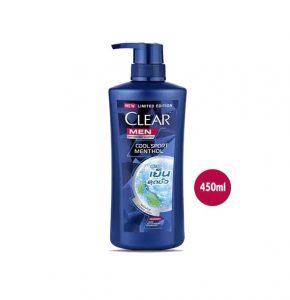
Clear Men Cool Sport Menthol Shampoo – 200ml
Original price was: ৳ 740.00.৳ 500.00Current price is: ৳ 500.00.
View Details
Head & Shoulders Cool Menthol Anti Dandruff Shampoo 650 ML
Original price was: ৳ 956.25.৳ 675.00Current price is: ৳ 675.00.
View Details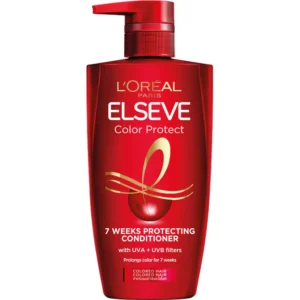
L’Oréal Paris Elseve Color Protect 7 Weeks Protecting Shampoo 400ml
Original price was: ৳ 1,700.00.৳ 1,250.00Current price is: ৳ 1,250.00.
View Details
How Sodium Laureth Sulfate Functions as a Foaming Cleanser Compound
Sodium Laureth Sulfate is an excellent foaming cleanser compound. Its surfactant properties allow it to produce a rich, stable lather. This foam helps lift dirt and oil from surfaces. It then suspends these particles in the water. This action makes them easier to rinse away. The aesthetic appeal of abundant foam is undeniable. Consumers often feel that a product is working well when it foams generously. This perception drives its inclusion in many cleansing formulations. The foam itself acts as a carrier. It distributes the cleansing agents across the skin or hair. It also provides a satisfying sensory experience during use. This dual functionality explains its widespread use.
Generating Rich and Stable Foam
SLES creates foam by reducing the surface tension of water. This allows air to become trapped within the liquid. The SLES molecules then form micelles. These are tiny spheres with their water-loving heads pointing outwards. Their oil-loving tails point inwards. These micelles surround and encapsulate air bubbles. They create the stable structure of foam. The foam traps dirt, oil, and other impurities. It holds them in suspension. This process is crucial for effective cleaning. Studies show that SLES generates more foam than many other surfactants. It also produces foam that lasts longer. This stability means the foam does not dissipate too quickly. It allows ample time for the cleaning process. The rich lather improves product spreadability. This ensures even application across the target area.
The Mechanics of Cleansing and Rinsing
The cleansing mechanism of SLES is quite effective. When SLES comes into contact with dirt and oil, its lipophilic (oil-loving) tails attach to these particles. The hydrophilic (water-loving) heads remain facing outwards. They interact with water. This forms an emulsion. The oil and dirt become encapsulated within the micelles. This prevents them from re-depositing on the surface. Instead, they remain suspended in the water. They are easily rinsed away with the water flow. This action leaves surfaces feeling clean and fresh. For hair, SLES helps remove sebum. It also eliminates product buildup. For skin, it washes away sweat, makeup, and environmental pollutants. The ease of rinsing is also a key benefit. It ensures no sticky residue is left behind. This contributes to the clean feeling consumers seek. Dermatologists acknowledge the effectiveness of SLES for daily cleansing. It is a reliable ingredient.
Is Sodium Laureth Sulfate Safe for Everyday Use?
The safety of Sodium Laureth Sulfate has been a topic of discussion. Regulatory bodies and scientific reviews consistently confirm its safety. The Cosmetics Ingredient Review (CIR) Expert Panel has assessed SLES. They concluded that it is safe for use in cosmetics. This includes products that are rinsed off. It also applies to products left on the skin. The ethoxylation process is key to its safety profile. It makes SLES less irritating than its non-ethoxylated counterpart, SLS. Concerns often arise from misinformation. They sometimes stem from mislabeling. It is important to distinguish between SLES and SLS. They are different chemicals with different properties. Most studies show SLES causes minimal irritation. This is especially true at typical concentrations found in products. It is safe for most individuals. However, some people might experience sensitivity. Personal reactions can vary. Therefore, understanding individual skin types is always important.
Addressing Skin Irritation Concerns
Some individuals report skin irritation from products containing SLES. These reactions are typically mild and transient. They often manifest as dryness or redness. True allergic reactions to SLES are rare. Irritation is more common. Factors like concentration play a role. Higher concentrations of SLES can be more irritating. The duration of skin contact also matters. Rinse-off products pose less risk than leave-on products. Formulators often combine SLES with co-surfactants. These are known as amphoteric surfactants. Examples include cocamidopropyl betaine. These combinations can mitigate potential irritation. They maintain cleansing power. Studies show that when properly formulated, SLES is well-tolerated. Dermatologists often recommend patches of products for sensitive skin. This helps identify individual sensitivities. The industry continuously seeks to improve product gentleness. It ensures efficacy. This balance is critical for consumer satisfaction. Ongoing research supports these formulation strategies.
Environmental Impact and Manufacturing Considerations
The environmental impact of Sodium Laureth Sulfate is also considered. As a water-soluble compound, SLES readily biodegrades. This means microorganisms break it down in wastewater treatment plants. This process reduces its potential to accumulate in aquatic environments. However, the ethoxylation process raises a separate concern. It can produce a byproduct called 1,4-dioxane. This compound is a known carcinogen. Reputable manufacturers employ vacuum stripping. This process removes 1,4-dioxane from SLES. This ensures the final product is safe. Regulatory bodies monitor 1,4-dioxane levels. They set limits to protect consumers. For example, the FDA encourages manufacturers to reduce its presence. Strict quality control during manufacturing is essential. It guarantees minimal levels of contaminants. Many companies are transparent about their manufacturing practices. They prioritize both consumer safety and environmental responsibility. Research efforts continue to explore sustainable surfactant alternatives. They also aim to enhance existing production methods. This ensures ongoing improvements.
Common Products Featuring Sodium Laureth Sulfate
Sodium Laureth Sulfate is a staple in many everyday products. Its ability to clean effectively and create foam makes it versatile. Consumers encounter SLES in personal care items globally. It is an active ingredient across different categories. Its presence indicates a product designed for thorough cleansing. The ingredient list often shows SLES near the top. This signifies a higher concentration. Products rely on SLES for its specific properties. These include detergency and foaming. Without SLES, many beloved products would perform differently. They might not deliver the expected cleansing experience. The widespread use of SLES highlights its proven efficacy. It also shows its cost-effectiveness for manufacturers. The demand for products that lather well remains high. Therefore, SLES continues to be a popular choice. It serves a functional purpose in countless formulations.
Shampoos and Conditioners for Hair Care
Shampoos frequently use Sodium Laureth Sulfate. It is highly effective at removing oil, dirt, and styling product residue from hair. SLES helps to create the rich lather. This lather is often associated with clean hair. The surfactant works by lifting impurities. It allows them to be rinsed away easily. While primarily in shampoos, SLES can also appear in certain clarifying conditioners. These conditioners aim for a deeper clean. However, most daily conditioners avoid strong surfactants. They focus on moisturizing instead. Consumers with oily hair often seek out SLES-containing shampoos. They find them more effective. For dry or color-treated hair, gentler, sulfate-free options exist. These cater to different hair needs. Hair professionals generally agree on the efficacy of SLES in shampoos. They also advise choosing products suited to individual hair types. The ingredient provides a thorough cleaning action. This prepares the hair for conditioning or styling. It leaves the scalp feeling refreshed.
Body Washes and Soaps for Skin Cleansing
Many body washes and liquid soaps also contain SLES. It ensures a deep clean for the skin. SLES helps to emulsify dirt, sweat, and body oils. It forms a lather that washes these impurities away. This leaves skin feeling clean. Its presence contributes to the luxurious feel of many shower gels. The foam spreads easily. It covers the entire body. While bars of soap traditionally use different surfactants, liquid body cleansers often rely on SLES. The formulation is designed to be rinsed off completely. This minimizes contact time. It reduces the chance of irritation. Some people prefer SLES-based body washes. They like the effective cleansing action. They also enjoy the bubbly experience. Brands often combine SLES with emollients. These ingredients help to counteract any potential dryness. This creates a balanced formula. It cleanses well without stripping the skin. This thoughtful formulation ensures a pleasant shower experience for most users.
Toothpastes and Mouthwashes for Oral Hygiene
Sodium Laureth Sulfate appears in some toothpastes and mouthwashes. In these oral care products, SLES acts as a foaming agent. The foam helps to distribute the active ingredients. It ensures they reach all surfaces of the teeth and gums. This foaming action aids in the removal of food debris. It also helps dislodge plaque during brushing. However, SLES concentrations in oral products are very low. This is to prevent irritation to the delicate mouth tissues. Some individuals report canker sores or mouth irritation. They may attribute this to SLES. For these individuals, SLES-free oral care options are available. The primary function of SLES in toothpaste is mechanical. It supports the brushing action. It helps to clean effectively. Dental associations recognize the role of surfactants in oral hygiene. They confirm that SLES in small amounts is generally safe. Always check product ingredients. This helps make informed choices for personal care. This allows users to find what works best for their oral health routine.
Exploring Alternatives to Sodium Laureth Sulfate
Many consumers seek alternatives to Sodium Laureth Sulfate. This is often due to perceived irritation or personal preference. The market now offers a wide range of sulfate-free products. These alternatives use different types of surfactants. They still provide effective cleansing. These include natural derivatives and synthetic compounds. Choosing an alternative depends on individual needs. It also depends on specific sensitivities. Some people prefer milder options. Others prioritize natural origins. The rise of “clean beauty” movements also drives this demand. As a result, product innovation continues. This provides more choices than ever before. Research indicates that many sulfate-free options clean just as well. They also cause less irritation. This allows consumers to find suitable products. These products align with their personal values. This wide selection benefits everyone.
Naturally Derived Surfactants
Several naturally derived surfactants offer a sulfate-free option. Coco-Glucoside and Decyl Glucoside are examples. These come from coconut oil and glucose. They are known for their gentleness. They also produce a moderate lather. Sodium Cocoyl Isethionate is another popular choice. It comes from coconut fatty acids. This surfactant creates a rich, creamy foam. It is often called a “baby foam” surfactant. These natural alternatives are biodegradable. They are often preferred for sensitive skin types. They maintain the skin’s natural moisture barrier. This helps to prevent dryness. While they might not foam as vigorously as SLES, they still clean effectively. Many natural and organic brands feature these ingredients. Studies show their excellent skin compatibility. This makes them ideal for daily use. They provide a milder cleansing experience. This helps keep skin and hair healthy.
Synthetic and Amphoteric Surfactants
Beyond natural options, synthetic and amphoteric surfactants also serve as SLES alternatives. Cocamidopropyl Betaine is a common amphoteric surfactant. It is often paired with SLES to reduce irritation. It can also stand alone as a primary cleanser. It generates good foam. It is known for its mildness. Sodium Lauroyl Methyl Isethionate is a synthetic option. It creates a high volume of dense foam. It rinses cleanly. This makes it a strong contender in sulfate-free formulations. Disodium Laureth Sulfosuccinate is another synthetic alternative. Despite its similar name, it does not contain sulfates. It is considered very mild. These alternatives provide formulators with flexibility. They create effective yet gentle products. They cater to a broad range of consumer preferences. The goal is to provide powerful cleaning. It should also minimize potential sensitivities. This means consistent product innovation is necessary. It helps meet evolving consumer demands.
Frequently Asked Questions
What is the main purpose of Sodium Laureth Sulfate?
The main purpose of Sodium Laureth Sulfate is to act as a surfactant. It helps create foam and effectively cleanses by mixing oil and water. This allows dirt and grime to be rinsed away easily.
Is Sodium Laureth Sulfate linked to cancer?
No, regulatory bodies and scientific research have found no evidence linking Sodium Laureth Sulfate to cancer. Concerns are often confused with 1,4-dioxane, a byproduct removed during manufacturing.
Can SLES cause hair loss?
There is no scientific evidence to suggest that Sodium Laureth Sulfate directly causes hair loss. Any perceived hair loss is more likely due to other factors. These include hair type or scalp sensitivity.
Are products with Sodium Laureth Sulfate safe for color-treated hair?
Products with Sodium Laureth Sulfate can sometimes strip color from treated hair more quickly. Many people with color-treated hair prefer sulfate-free shampoos. These options help preserve hair color longer.
Final Thoughts
Sodium Laureth Sulfate remains a highly effective and widely used ingredient. It provides excellent cleansing and foaming properties. It is a workhorse in the personal care industry. Reputable scientific bodies confirm its safety for most users. However, individual sensitivities vary greatly. Consumers should always consider their own skin and hair needs. They should choose products that feel right for them. When in doubt, consulting a dermatologist can provide personalized advice. This helps ensure optimal care. Understanding the role of Sodium Laureth Sulfate empowers you to make informed decisions about your daily products.