
Blog
Phytosphingosine: Your Skin’s Anti-Acne Barrier Support

Understanding the intricate world of skincare ingredients can be a journey of discovery, and few compounds are as vital to skin health as phytosphingosine. This naturally occurring skin lipid ingredient is a cornerstone of a healthy complexion, offering profound benefits that extend far beyond simple moisturization. If you’ve ever wondered how to genuinely support your skin’s resilience against environmental stressors and address common concerns like acne, delving into the science behind this powerful molecule is essential. You’ll gain insights into how phytosphingosine fortifies your skin’s protective barrier, enhances its natural defense mechanisms, and contributes to a clearer, more balanced appearance. Prepare to unlock the secrets of this remarkable compound and transform your approach to skincare.
What is Phytosphingosine? A Fundamental Skin Lipid Ingredient
At its core, phytosphingosine is a type of sphingoid base, which serves as a fundamental building block for more complex lipids known as sphingolipids. These lipids are absolutely critical to the structural integrity and function of the skin barrier. While perhaps not as widely discussed as ceramides, phytosphingosine is, in fact, a precursor to these vital skin components. It’s naturally present in the skin, acting as a crucial element in maintaining cellular communication and promoting healthy skin function. Research highlights its presence not only in human skin but also abundantly in plants and fungi, underscoring its foundational role in biological systems across different kingdoms.
The name “sphingolipid” itself, derived from the mythological sphinx, hints at their once enigmatic nature. Today, we understand these compounds play important roles in signal transduction and cell recognition within the skin. As a key skin lipid ingredient, phytosphingosine contributes significantly to the stratum corneum, the outermost layer of the epidermis. This layer is your body’s first line of defense, protecting against moisture loss, irritants, and pathogens. Understanding this foundational role helps explain why its presence is so important for overall skin health and resilience.
Recommended Products
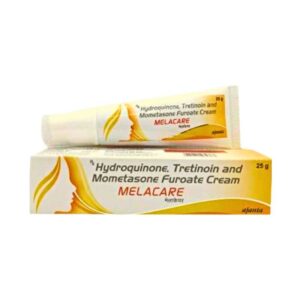
Melacare Cream For Face Melasma Hyperpigmentation, Dark spots, Skin Wrinkles Remove 25 gm
৳ 520.00
View Details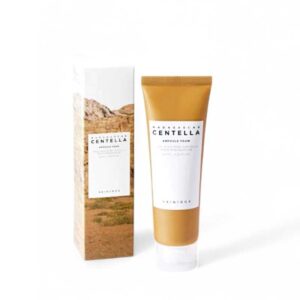
SKIN1004 Madagascar Centella Ampoule Foam (20ml)
Original price was: ৳ 460.00.৳ 320.00Current price is: ৳ 320.00.
View Details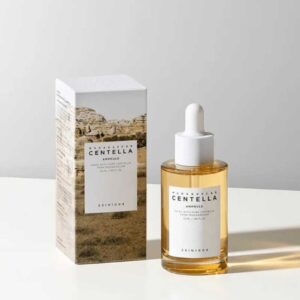
SKIN1004 Madagascar Centella Ampoule (55ml)
Original price was: ৳ 2,360.00.৳ 1,652.00Current price is: ৳ 1,652.00.
View Details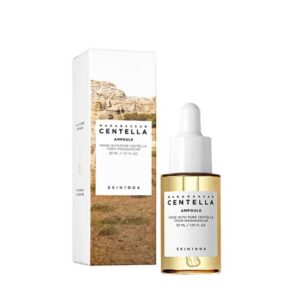
SKIN1004 Madagascar Centella Ampoule (30ml)
Original price was: ৳ 1,260.00.৳ 882.00Current price is: ৳ 882.00.
View Details
Enchanteur Romantic Perfumed Body Lotion – All Skin Types, Aloe Vera & Olive Butter, Satin Smooth, Heals & Repairs Damaged Skin, 250 ml
Original price was: ৳ 900.00.৳ 790.00Current price is: ৳ 790.00.
View DetailsThe Skin Barrier: Your First Line of Defense
The skin barrier is often described as a “brick and mortar” structure, with skin cells acting as the bricks and various lipids, including ceramides, cholesterol, and fatty acids, serving as the mortar. This intricate arrangement is crucial for both keeping beneficial elements in, such as moisture, and keeping harmful elements out, like bacteria, allergens, and pollutants. When this barrier is compromised, the skin becomes more vulnerable to dehydration, irritation, and inflammation. Common issues like dryness, sensitivity, and even breakouts often stem from a weakened skin barrier.
A healthy skin barrier functions optimally, maintaining proper hydration levels and preventing transepidermal water loss (TEWL). According to dermatology studies, a well-functioning barrier is pivotal for resisting environmental aggressors. Phytosphingosine plays a direct role in supporting the production and organization of the lipids that form this protective shield. By enhancing the quality and quantity of these essential lipids, it helps to reinforce the skin’s natural defenses. This reinforcement makes the skin more resilient and less prone to adverse reactions from external factors.
Phytosphingosine’s Role in Ceramide Production
Why Ceramides Matter for Skin Health
Ceramides are perhaps the most famous members of the sphingolipid family when it comes to skincare. They make up a significant portion, roughly 50%, of the lipids in the stratum corneum. These waxy lipid molecules are essential for holding skin cells together, preventing water loss, and protecting against environmental damage. A deficiency in ceramides can lead to dry, irritated, and sensitive skin. Conditions like eczema, psoriasis, and even acne are often associated with reduced ceramide levels or an imbalance in ceramide composition. Supporting ceramide synthesis is therefore a primary goal in maintaining healthy skin.
Phytosphingosine as a Ceramide Precursor
This is where phytosphingosine shines as a crucial skin lipid ingredient. It acts as a direct precursor to ceramides within the skin. Specifically, phytosphingosine can be converted into phytoceramide through enzymatic processes. Phytoceramides are then further processed to form various types of ceramides that are integrated into the skin barrier. By providing this essential building block, phytosphingosine directly facilitates the skin’s natural ability to produce and replenish its own ceramides. This endogenous production is often more effective and sustainable than relying solely on topical ceramide application.
Incorporating products with phytosphingosine can therefore be a strategic approach to boosting ceramide levels from within. It helps to ensure that the skin has the necessary raw materials to construct and repair its barrier efficiently. This mechanism underscores its unique value in formulations designed to restore and maintain skin health. It’s not just an adjunct ingredient; it’s a foundational component for barrier integrity. Industry data suggests that ingredients supporting natural ceramide synthesis can significantly improve skin hydration and reduce sensitivities over time.
Targeting Acne: An Anti-Acne Barrier Support Compound
Acne is a complex skin condition influenced by multiple factors, including excess sebum production, follicular hyperkeratinization, bacterial proliferation (especially P. acnes), and inflammation. While many acne treatments focus on surface-level issues, phytosphingosine offers a multi-faceted approach by addressing underlying imbalances. Its properties make it an effective anti acne barrier support compound, working to reduce the factors that contribute to breakouts.
One of the primary ways phytosphingosine assists in acne management is through its inherent antimicrobial properties. It has been shown to exhibit activity against various microorganisms, including the bacteria commonly associated with acne. By helping to control the population of these bacteria on the skin surface and within pores, it can reduce the likelihood of inflammatory lesions. This direct antimicrobial action sets it apart from many other barrier-supporting ingredients. Furthermore, it does this without necessarily causing the dryness or irritation often associated with conventional acne treatments, making it suitable for sensitive and acne-prone skin types.
The Anti-Inflammatory Benefits of Phytosphingosine
Inflammation is a key component in the development and persistence of acne. It contributes to redness, swelling, and pain associated with breakouts. Beyond its antimicrobial effects, phytosphingosine is also recognized for its significant anti-inflammatory capabilities. Research indicates that it can modulate inflammatory pathways within the skin, helping to calm irritation and reduce the overall inflammatory response. This is particularly beneficial for inflammatory acne types, such as papules and pustules.
Specifically, studies have suggested that phytosphingosine can influence T-cell-related anti-inflammatory properties. This means it can help to regulate the immune responses that contribute to skin inflammation. By reducing inflammation, phytosphingosine not only helps to alleviate the immediate symptoms of acne but also minimizes post-inflammatory hyperpigmentation (PIH) and scarring. This dual action of fighting bacteria and calming inflammation makes it a powerful ally in achieving clearer, healthier skin. It supports the skin’s natural ability to recover and maintain a balanced, calm state.
Balancing Sebum Production and Skin Microbiome
Regulating Oil Glands
Excessive sebum production, or oiliness, is a significant contributor to clogged pores and subsequent acne formation. While phytosphingosine is not primarily known as a potent oil-reducer, its ability to support overall skin health indirectly helps to balance sebum production. When the skin barrier is intact and healthy, it is less likely to overcompensate by producing excessive oil. A compromised barrier can sometimes signal the skin to produce more sebum in an attempt to protect itself, creating a vicious cycle for acne-prone individuals.
By reinforcing the skin barrier and promoting a balanced environment, phytosphingosine helps the skin to regulate its natural processes more effectively. This can lead to a more balanced complexion over time, where oil glands function appropriately without going into overdrive. Rather than aggressively stripping the skin of its natural oils, which can exacerbate issues, phytosphingosine works harmoniously with the skin’s biology to foster equilibrium.
Supporting a Healthy Skin Microbiome
The skin microbiome refers to the vast community of microorganisms, including bacteria, fungi, and viruses, that live on your skin. A balanced microbiome is essential for skin health, acting as another layer of defense against pathogens and environmental stressors. An imbalance, known as dysbiosis, can contribute to various skin problems, including acne, rosacea, and eczema. The antimicrobial properties of phytosphingosine contribute to maintaining this delicate balance.
Unlike harsh antimicrobials that can indiscriminately wipe out both good and bad bacteria, phytosphingosine is thought to help restore balance. It targets problematic bacteria associated with acne while supporting a diverse and healthy microbial community. This nuanced approach helps to create an environment where beneficial microorganisms can thrive, further bolstering the skin’s natural defenses. According to microbiology experts, fostering a healthy skin microbiome is a cornerstone of modern dermatological approaches to chronic skin conditions.
How to Incorporate Phytosphingosine into Your Skincare Routine
Integrating phytosphingosine into your daily skincare regimen can be a game-changer for barrier support and acne management. This versatile ingredient is often found in various product types, making it easy to find a suitable option. Look for it in cleansers, toners, serums, moisturizers, and even specialized treatments. Given its role as a fundamental skin lipid ingredient, it pairs well with many other beneficial compounds.
When selecting products, check the ingredient list for “phytosphingosine.” It is typically well-tolerated by most skin types, including sensitive and acne-prone skin, thanks to its natural presence in the skin. For optimal benefits, consider using it consistently as part of both your morning and evening routines. Pairing it with other barrier-supporting ingredients like ceramides, cholesterol, and fatty acids can create a powerful synergy, further enhancing your skin’s resilience. Always patch-test new products if you have particularly sensitive skin to ensure compatibility.
Benefits Beyond Acne: Hydration and Anti-Aging Potential
Enhanced Skin Hydration
While often highlighted for its anti acne barrier support compound properties, the benefits of phytosphingosine extend to profound hydration. By strengthening the skin barrier and facilitating ceramide production, it significantly reduces transepidermal water loss. This means more moisture stays locked within the skin, leading to a softer, smoother, and more supple complexion. Well-hydrated skin not only looks better but also functions more effectively, capable of repairing itself and resisting external damage.
Sustained hydration is a hallmark of healthy skin. Users often report a noticeable improvement in skin texture and a reduction in flakiness or tightness when consistently using products containing this ingredient. This makes it an excellent choice for individuals struggling with dryness, especially those with compromised barrier function due to environmental factors or harsh skincare products. Data from consumer trials frequently show improvements in skin moisture levels after regular use of phytosphingosine-infused formulations.
Potential Anti-Aging Effects
Healthy, resilient skin is often synonymous with youthful skin. By maintaining an intact barrier, reducing inflammation, and supporting cellular function, phytosphingosine indirectly contributes to anti-aging efforts. A robust skin barrier is better equipped to defend against free radical damage and environmental pollutants, which are major contributors to premature aging. The constant battle against these aggressors can take a toll on collagen and elastin, leading to fine lines and wrinkles. By fortifying this defense, phytosphingosine helps to preserve the skin’s youthful structure.
Furthermore, its role in cell recognition and signal transduction could have broader implications for cellular health and turnover. While not a direct anti-aging powerhouse like retinoids or peptides, its fundamental support for skin integrity creates an optimal environment for healthy aging. Preventing chronic inflammation, for instance, is a critical strategy in preventing the degradation of skin components over time. Experts in dermatological research increasingly emphasize the role of barrier health in long-term skin vitality and graceful aging.
Understanding Phytosphingosine in Skincare Formulations
Concentration and Synergistic Ingredients
When examining skincare products, it’s helpful to consider the concentration of phytosphingosine and its supporting cast of ingredients. While specific concentrations aren’t always disclosed, its presence higher up on an ingredient list usually indicates a more significant amount. Often, formulators pair phytosphingosine with other barrier-restoring lipids, such as cholesterol and fatty acids, to create a more comprehensive blend that mimics the skin’s natural lipid composition. This synergistic approach maximizes the benefits for barrier repair and maintenance.
Additionally, you might find phytosphingosine alongside soothing agents like niacinamide, panthenol, or centella asiatica, which further enhance its anti-inflammatory properties and reduce irritation. For acne-focused products, it may be combined with salicylic acid or benzoyl peroxide, providing barrier support to mitigate potential dryness or irritation from these stronger actives. Always read product descriptions and ingredient lists carefully to understand the full scope of a formulation’s benefits and how it aligns with your skin goals.
Stability and Delivery Systems
The stability of any active ingredient is paramount to its effectiveness. Phytosphingosine, as a lipid, is generally stable in well-formulated products. However, like all skincare ingredients, it benefits from proper packaging that protects it from light and air, such as opaque tubes or airless pumps. This helps to maintain its potency over time. Modern skincare often employs advanced delivery systems to ensure ingredients penetrate the skin effectively to where they are needed most. While not typically microencapsulated like some more volatile ingredients, its lipid nature allows for good integration into various emulsion types, facilitating absorption.
Understanding how ingredients are delivered can inform your product choices. For instance, a serum or moisturizer designed to penetrate deeply will typically offer more direct benefits of ingredients like phytosphingosine compared to a rinse-off cleanser. Always follow the product’s instructions for use to ensure you are maximizing its potential. The cosmetic industry continuously innovates to improve ingredient stability and bioavailability, ensuring that beneficial compounds like this one reach their targets within the skin.
Frequently Asked Questions
What is the difference between phytosphingosine and ceramides?
Phytosphingosine is a precursor molecule that the skin uses to produce ceramides, which are complex lipid molecules. Ceramides are the final “mortar” components of the skin barrier, while phytosphingosine is a foundational building block for creating those ceramides. Think of phytosphingosine as the raw material and ceramides as the finished product that forms the skin’s protective layer.
Can phytosphingosine help with sensitive skin?
Yes, phytosphingosine can significantly benefit sensitive skin. By strengthening the skin barrier and reducing inflammation, it helps to make the skin more resilient and less reactive to irritants. An intact barrier is crucial for preventing sensitivities, and phytosphingosine’s ability to support this function makes it an excellent choice for soothing and protecting delicate skin.
How long does it take to see results from using phytosphingosine?
Results from using skincare ingredients like phytosphingosine can vary depending on individual skin concerns and product formulations. Generally, improvements in skin barrier function, hydration, and reduced inflammation can be noticed within a few weeks of consistent use. For more significant improvements in acne or overall skin health, continued use over several months is often recommended to allow for full skin regeneration cycles.
Is phytosphingosine safe for all skin types?
Phytosphingosine is generally considered safe and well-tolerated for most skin types, including dry, oily, sensitive, and acne-prone skin. As a naturally occurring component of the skin, it is less likely to cause irritation compared to some synthetic ingredients. However, as with any new skincare product, it’s always advisable to perform a patch test on a small area of skin before full application, especially if you have highly reactive skin.
Final Thoughts
Embracing a skincare routine that genuinely supports your skin’s natural architecture is key to achieving lasting health and clarity. Phytosphingosine stands out as an exceptional skin lipid ingredient, offering comprehensive benefits from strengthening the skin barrier to acting as a powerful anti acne barrier support compound. Its ability to serve as a ceramide precursor, coupled with its antimicrobial and anti-inflammatory properties, makes it a multi-tasking powerhouse. By integrating this essential component into your regimen, you empower your skin to defend itself more effectively, maintain optimal hydration, and foster a balanced, resilient complexion. Consider adding phytosphingosine-rich products to your routine to experience the transformative effects of a truly fortified skin barrier and clearer, healthier skin.