
PEG-6 Caprylic/Capric Glycerides: Uses & Safety

Shopping for skin care can feel confusing when one label has ten familiar words and twenty strange ones. PEG-6 Caprylic/Capric Glycerides often appears in cleansers, micellar waters, toners, and makeup removers. This ingredient may sound complex, yet its job is simple and useful.
What Is PEG-6 Caprylic/Capric Glycerides?
PEG-6 Caprylic/Capric Glycerides is a water-loving ingredient made from glycerin and fatty acids. Cosmetic chemists use it to help oil and water mix in a formula. Because oil and water normally separate, this ingredient helps products feel smoother and work better.
The name gives clues about its structure. PEG means polyethylene glycol, which helps the ingredient mix with water. Caprylic and capric refer to fatty acids often linked with coconut or palm kernel sources.
Research indicates that ingredients in this family can help remove oily residue from skin. As a result, PEG-6 Caprylic/Capric Glycerides often appears in rinse-off and leave-on products. You may see it in products that need gentle cleansing without a heavy foam.
Why the Name Sounds So Technical
Ingredient names follow international labeling rules, not casual shopping language. This means a simple function can hide behind a long name. PEG-6 Caprylic/Capric Glycerides sounds more intense than its everyday role.
The number 6 refers to the average PEG chain length. In plain terms, this affects how well the ingredient blends with water. Cosmetic chemists choose this type when they want a light, clear, and easy-spreading texture.
How It Differs From Basic Oils
Basic oils sit on skin and help soften dry areas. However, PEG-6 Caprylic/Capric Glycerides can also help disperse oil in water. That makes it useful in watery formulas, such as micellar water and cleansing toners.
Unlike plain coconut oil, this ingredient does not act mainly as an occlusive layer. Instead, it helps lift oily debris and spread other ingredients evenly. Shoppers often prefer this feel when they dislike greasy residue.
Recommended Products
 Sale
SaleOriginal price was: ৳ 650.00.৳ 480.00Current price is: ৳ 480.00.
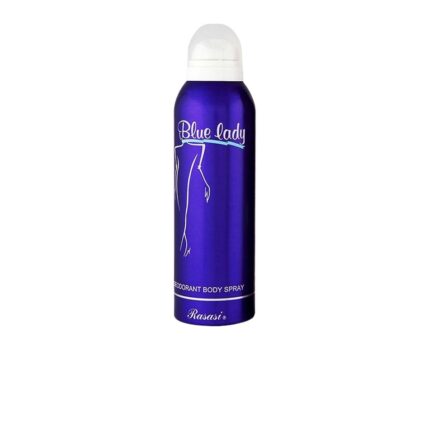 Sale
SaleOriginal price was: ৳ 600.00.৳ 450.00Current price is: ৳ 450.00.
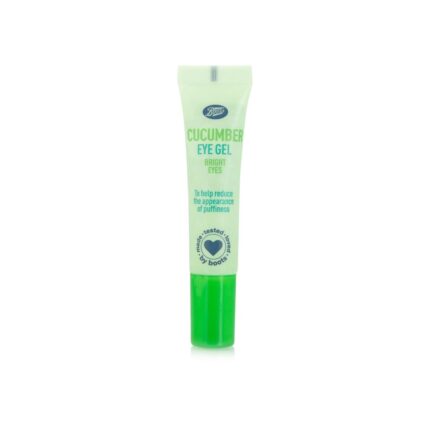 Sale
SaleOriginal price was: ৳ 700.00.৳ 550.00Current price is: ৳ 550.00.
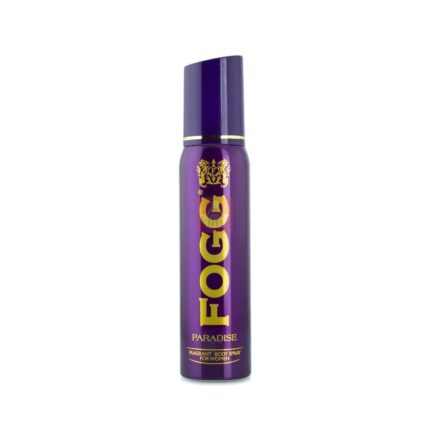 Sale
SaleOriginal price was: ৳ 435.00.৳ 350.00Current price is: ৳ 350.00.
View DetailsHow This Solubilizing Surfactant Ingredient Works
PEG-6 Caprylic/Capric Glycerides works as a solubilizing surfactant ingredient in many cosmetic formulas. A surfactant lowers surface tension, which helps water spread and mix with oils. A solubilizer helps small amounts of oil blend into mostly water-based products.
Studies show that surfactants can surround oily dirt and makeup. Then water can carry that residue away more easily. Because PEG-6 Caprylic/Capric Glycerides has both water-friendly and oil-friendly parts, it performs this job well.
This ingredient also helps fragrance oils, botanical extracts, and emollients stay evenly mixed. As a result, a product may look clear instead of cloudy. Clear formulas often need careful blending to stay stable on the shelf.
The Water-Friendly Side
The PEG part likes water. Because of this, PEG-6 Caprylic/Capric Glycerides can sit comfortably in watery products. It helps the whole formula spread across damp or dry skin.
Water-based products often feel fresh and light. However, they may struggle to carry oil-like ingredients. This ingredient helps bridge that gap without making the formula feel heavy.
The Oil-Friendly Side
The caprylic and capric parts like oils. This means PEG-6 Caprylic/Capric Glycerides can interact with sebum, sunscreen, and makeup. Sebum is the natural oil your skin makes.
When you wipe or rinse, the ingredient helps move oily residue away. This action explains why it appears in many no-rinse cleansers. Still, your results depend on the full formula, not one ingredient alone.
Why Solubility Matters for Shoppers
Solubility affects texture, clarity, and cleansing power. For example, a poorly mixed product may separate or leave uneven residue. PEG-6 Caprylic/Capric Glycerides helps reduce that problem in many formulas.
Better solubility can also improve the feel of active ingredients. When a formula spreads evenly, you use it with less tugging. That matters around delicate areas, such as the eyes and lips.
Why Brands Use PEG-6 Caprylic/Capric Glycerides
Brands use PEG-6 Caprylic/Capric Glycerides because it can improve both performance and texture. It helps cleanse, blend, and soften at the same time. Cosmetic formulators value ingredients that solve several formula problems at once.
Dermatologists often remind shoppers that irritation depends on the full product. However, milder cleansing systems can support a healthier skin barrier. This ingredient often appears in products designed for gentle daily use.
Because it has a light feel, PEG-6 Caprylic/Capric Glycerides fits many product types. You may find it in drugstore, luxury, and professional skin care. Price alone does not prove whether a formula suits your skin.
Texture and Skin Feel
Texture drives many buying choices. A cleanser may work well, yet shoppers avoid it if it feels sticky. PEG-6 Caprylic/Capric Glycerides can help create a smooth and fresh finish.
When formulas spread well, people tend to rub less. Less rubbing may reduce temporary redness for some users. This is one reason gentle makeup removers often focus on slip.
Makeup and Sunscreen Removal
Modern sunscreens and long-wear makeup often contain oil-soluble film formers. These materials help products resist sweat and movement. As a result, water alone may not remove them well.
PEG-6 Caprylic/Capric Glycerides helps break up oily layers during cleansing. It does not replace every oil cleanser, though. Heavy waterproof makeup may still need a balm or two-step routine.
Formula Clarity and Stability
Many shoppers like clear products because they look clean and simple. However, clear formulas can be difficult to make. PEG-6 Caprylic/Capric Glycerides helps dissolve oily ingredients that might otherwise float or separate.
Stability testing helps brands check how products behave over time. Formulas may face heat, cold, and light during shipping. A good solubilizer helps the product stay consistent from first use to last.
Products That Commonly Contain This Cleansing Compound
PEG-6 Caprylic/Capric Glycerides appears in many everyday personal care products. Shoppers often notice it in cleansing waters, facial cleansers, toners, and wipes. Its role as a cleansing compound makes it useful when a product must lift oil gently.
Cosmetic databases and ingredient labels show this ingredient across many categories. However, the amount used can vary widely. A micellar water may use it differently than a creamy cleanser.
Because labels list ingredients by amount until low levels, position can offer clues. Still, exact percentages rarely appear on retail packaging. You can judge performance better by texture, claims, and how your skin feels.
Micellar Water
Micellar water often relies on mild surfactants to trap oil and dirt. PEG-6 Caprylic/Capric Glycerides can help form tiny cleansing structures called micelles. These micelles help lift residue onto a cotton pad.
When shoppers want a quick cleanse, micellar water feels easy. However, some people still prefer rinsing after use. Rinsing can help if your skin feels tacky or sensitive.
Gel and Cream Cleansers
Gel cleansers may include PEG-6 Caprylic/Capric Glycerides for light makeup removal. Cream cleansers may use it to improve spread and rinse feel. Both types can benefit from balanced surfactant systems.
Dermatologists often suggest non-stripping cleansers for dry or sensitive skin. That is why shoppers should look beyond foam level. Strong foam does not always mean better cleaning.
Toners, Essences, and Mists
Some toners and essences include small amounts of oil-like ingredients. For example, fragrance components or plant extracts may need help dispersing. PEG-6 Caprylic/Capric Glycerides can help keep those ingredients evenly mixed.
While these products do not focus on cleansing, solubility still matters. Uneven mixtures may feel patchy or leave film. A good blend supports a more pleasant application.
Body and Hair Products
You may also see this ingredient in body washes, scalp products, and hair mists. The same mixing logic applies outside facial care. Hair and body formulas often need light cleansing and even spread.
Because scalp skin can react like facial skin, mildness still matters. If a product causes itching, stop using it. Then compare the ingredient list with products you already tolerate.
Safety, Sensitivity, and Skin Types
PEG-6 Caprylic/Capric Glycerides has a long history of cosmetic use. Safety reviews for cosmetic ingredients consider exposure, concentration, and product type. These reviews generally focus on whether normal use creates a reasonable safety concern.
Most shoppers can use products with this ingredient without trouble. However, any ingredient can bother some people. Fragrance, preservatives, and strong acids often cause more issues than this solubilizer.
Because skin needs vary, patch testing gives useful personal information. Apply a small amount near the jaw or inner arm. Then wait and watch for redness, burning, or itching.
Dry Skin
Dry skin often needs cleansers that remove soil without stripping lipids. Lipids are natural fats that help keep the barrier strong. PEG-6 Caprylic/Capric Glycerides can support mild cleansing when formulators pair it with soothing agents.
Look for products with glycerin, panthenol, or ceramides if your skin feels tight. These ingredients help improve comfort after cleansing. However, avoid assuming one helpful ingredient makes the whole formula perfect.
Oily and Combination Skin
Oily skin can benefit from a cleanser that removes sebum without harsh scrubbing. PEG-6 Caprylic/Capric Glycerides helps loosen oil, sunscreen, and light makeup. That can leave skin feeling clean without a squeaky finish.
Because oily skin can still become dehydrated, avoid over-cleansing. Twice daily cleansing suits many people, yet some need less. Watch how your skin feels one hour after washing.
Sensitive Skin
Sensitive skin reacts to many triggers, including fragrance, alcohol, and strong surfactants. PEG-6 Caprylic/Capric Glycerides may work well in mild formulas. Still, the full ingredient list matters more than one name.
Dermatologists recommend fragrance-free products for many sensitive users. This advice has strong support in clinical practice. If your skin stings often, choose simple formulas and patch test first.
Acne-Prone Skin
Acne-prone shoppers often worry that every oil-related ingredient clogs pores. PEG-6 Caprylic/Capric Glycerides does not behave like a heavy face oil. Its water-compatible structure helps it rinse or wipe away more easily.
However, acne triggers vary from person to person. A product may also contain richer emollients that feel heavy. Check the whole formula if breakouts appear after a new purchase.
Benefits and Drawbacks for Online Shoppers
Online shopping makes ingredient knowledge more useful. You cannot test texture through a screen, so labels and claims matter. PEG-6 Caprylic/Capric Glycerides gives clues about how a product may cleanse and feel.
Research on consumer behavior shows shoppers often rely on reviews and ingredient lists. However, reviews reflect personal skin types and routines. Your best choice combines label reading with realistic expectations.
This ingredient has clear benefits, yet it also has limits. It helps mix and cleanse, but it cannot fix every formula problem. Because of that, judge it as one part of the product story.
Main Benefits
- Gentle cleansing support: It can help lift oil, sunscreen, and light makeup without a harsh feel.
- Better product texture: It helps watery products spread smoothly and feel less patchy.
- Clearer formulas: It can help dissolve oil-like ingredients in toners, mists, and cleansing waters.
- Flexible use: It fits rinse-off products, leave-on products, and no-rinse cleansing formats.
These benefits explain why PEG-6 Caprylic/Capric Glycerides appears in many popular products. As a result, it can signal a formula aimed at easy cleansing and light texture. That does not mean every product with it feels the same.
Possible Drawbacks
- Possible residue: Some no-rinse products may leave a light film on certain skin types.
- Formula dependence: Harsh companion ingredients can still make a product feel drying.
- Sensitivity risk: A small group of users may react to almost any cosmetic ingredient.
- Not a full makeup remover: Very heavy waterproof products may need stronger removal steps.
Still, these drawbacks do not make the ingredient bad. They show why context matters. When you shop online, compare claims, usage directions, and the rest of the label.
What Reviews Can Tell You
Reviews often reveal texture details that labels cannot show. For example, shoppers may mention stickiness, eye sting, or leftover film. These comments can help you predict how a formula feels.
However, review patterns matter more than one dramatic comment. Look for repeated themes across many users. If many people mention dryness, the formula may not suit sensitive or dry skin.
How to Read Labels and Choose Better Products
Learning where PEG-6 Caprylic/Capric Glycerides appears on a label can guide smarter choices. Ingredients near the top usually appear in higher amounts. Ingredients near the end often appear at lower levels.
However, label position does not tell the whole story. Some ingredients work well at low amounts. Others need higher levels to shape the product feel.
When shopping, match the ingredient list to your goal. A quick morning cleanse needs a different formula than waterproof mascara removal. This means the best product depends on your routine.
If You Want a Gentle Cleanser
Choose products that pair PEG-6 Caprylic/Capric Glycerides with humectants. Humectants are ingredients that help hold water, such as glycerin and hyaluronic acid. This pairing can reduce the tight feeling after washing.
Because sensitive skin often dislikes fragrance, consider fragrance-free options first. Look for words like gentle, non-stripping, or barrier-supporting. Still, judge the product by use, not marketing alone.
If You Wear Sunscreen Daily
Daily sunscreen use often requires more careful cleansing at night. PEG-6 Caprylic/Capric Glycerides can help remove many sunscreen textures. Water-resistant formulas may need an oil cleanser first.
When your sunscreen leaves a film, try cleansing for a full minute. Gentle massage gives surfactants time to work. Then rinse well or follow with a mild second cleanse.
If You Prefer No-Rinse Products
No-rinse cleansers feel convenient, especially during travel or late nights. PEG-6 Caprylic/Capric Glycerides often supports this format. It can help lift residue onto a pad without heavy scrubbing.
However, leaving surfactants on skin can bother some people. If your face feels tight or itchy, rinse after use. You can still enjoy the product as a first cleanse.
If You Shop for Eye Makeup Removal
The eye area needs gentle handling because the skin there is thin. PEG-6 Caprylic/Capric Glycerides may help remove light eye makeup. However, waterproof mascara often needs a richer remover.
Choose products that say they suit the eye area. Avoid strong fragrance near the eyes. If stinging happens, stop using the product and rinse with clean water.
How PEG-6 Caprylic/Capric Glycerides Compares
PEG-6 Caprylic/Capric Glycerides belongs to a broad group of surfactants and solubilizers. Many shoppers compare it with harsher cleansers, oil cleansers, and micellar ingredients. Understanding these differences helps you avoid the wrong product.
Ingredient families can vary a lot. For example, two surfactants may both cleanse, yet one feels much milder. Studies show that surfactant structure affects barrier impact and irritation risk.
Because formulas blend several ingredients, one comparison cannot predict every result. Still, basic differences can guide your first choice. That is why label reading works best with skin observation.
Compared With Strong Foaming Surfactants
Strong foaming surfactants can clean well, but they may feel drying. PEG-6 Caprylic/Capric Glycerides often supports a milder cleanse. It usually does not create the big foam some shoppers expect.
Foam can feel satisfying, yet it does not measure quality. A low-foam cleanser may still remove daily grime well. If skin feels tight after washing, the cleanser may be too strong.
Compared With Oil Cleansers
Oil cleansers dissolve makeup and sunscreen using oil-rich blends. PEG-6 Caprylic/Capric Glycerides works differently because it bridges oil and water. It fits lighter products that may rinse or wipe away more cleanly.
However, oil cleansers may remove heavy makeup faster. If you wear long-wear foundation, a balm may save time. For light sunscreen and daily grime, a micellar formula may work well.
Compared With Polysorbates
Polysorbates also help mix oil and water. Brands often use them in toners, sprays, and cleansing products. PEG-6 Caprylic/Capric Glycerides can serve a similar purpose with a different skin feel.
Some formulas combine several solubilizers for better stability. This means you may see both names on one label. The blend matters more than any single ingredient.
Compared With Plain Glycerin
Glycerin mainly helps skin hold water. PEG-6 Caprylic/Capric Glycerides has a broader role because it can help cleanse and mix. These ingredients may appear together, but they do different jobs.
When a formula includes both, it may cleanse while reducing dryness. That can suit people who want a gentle daily product. Still, the product must match your skin type.
Best Ways to Use Products With This Ingredient
Using PEG-6 Caprylic/Capric Glycerides correctly can improve results. A well-made product may disappoint if you rush or scrub too hard. Gentle technique protects your skin barrier and helps the formula work.
Dermatologists often advise against aggressive cleansing. Harsh rubbing can worsen redness and dryness. Instead, let the cleanser loosen residue before you wipe or rinse.
Because routines differ, pay attention to timing and order. A morning cleanse may need only a small amount. Night cleansing may need more product due to sunscreen and pollution.
For Micellar Water
Saturate the cotton pad enough to glide across skin. When the pad feels dry, it can drag and irritate. Press briefly over makeup, then wipe gently.
PEG-6 Caprylic/Capric Glycerides can help move makeup onto the pad. However, repeat with a fresh pad if residue remains. Rinse afterward if your skin feels sticky or reactive.
For Rinse-Off Cleansers
Apply cleanser to damp skin and massage lightly. A short massage helps PEG-6 Caprylic/Capric Glycerides contact oil and debris. Rinse with lukewarm water, not hot water.
Hot water can worsen dryness and redness. After rinsing, pat skin instead of rubbing. Then apply moisturizer while skin still feels slightly damp.
For Double Cleansing
Double cleansing uses two steps at night. The first step removes sunscreen or makeup. The second step clears leftover residue and leaves skin comfortable.
PEG-6 Caprylic/Capric Glycerides may appear in either step. If your first cleanse already leaves skin clean, skip the second. Over-cleansing can harm comfort more than it helps.
For Travel and Quick Cleansing
Travel routines often need simple products. No-rinse cleansers with PEG-6 Caprylic/Capric Glycerides can help when water access feels limited. This makes them useful after flights, workouts, or long days.
Still, skin may react during travel due to dry air and stress. Keep the rest of your routine simple. Use moisturizer soon after cleansing to reduce tightness.
Common Myths About This Ingredient
Ingredient myths spread quickly online. PEG-6 Caprylic/Capric Glycerides often gets grouped with every PEG ingredient, even though formulas and uses differ. Shoppers need clear context, not fear-based claims.
Regulatory bodies and cosmetic safety panels review ingredient categories using available data. They consider how people use products in real life. This practical approach matters more than isolated claims without context.
Because internet advice often sounds absolute, look for balanced wording. Safe use depends on product type, concentration, quality, and personal tolerance. One ingredient name cannot tell the whole story.
Myth: All PEG Ingredients Are the Same
PEG ingredients share a naming feature, but they do not all behave alike. Chain length, attached groups, and formula role affect performance. PEG-6 Caprylic/Capric Glycerides has its own use pattern.
When shoppers treat every PEG as identical, they may avoid products that suit them. Instead, check the product purpose and your skin response. A gentle cleanser may still contain PEG-based ingredients.
Myth: Natural Always Means Gentler
Natural ingredients can irritate skin, especially fragrant plant oils. Synthetic or modified ingredients can feel mild when well formulated. Dermatologists often see reactions from essential oils and fragrance blends.
PEG-6 Caprylic/Capric Glycerides may come from fatty acid sources, but processing changes its function. This does not make it automatically good or bad. Your skin cares about the final formula.
Myth: If It Cleanses, It Must Strip Skin
All cleansers remove something from the skin surface. However, good formulas target unwanted residue while limiting barrier stress. PEG-6 Caprylic/Capric Glycerides can support that balance in mild systems.
Because stripping often comes from the whole surfactant blend, judge after use. Tightness, flakes, and stinging suggest the cleanser may be too harsh. Comfort after cleansing is a better sign.
Frequently Asked Questions
Is PEG-6 Caprylic/Capric Glycerides safe?
Most people tolerate PEG-6 Caprylic/Capric Glycerides well in cosmetic products. Safety depends on the full formula, product type, and your skin history. Patch test first if your skin reacts easily.
Does PEG-6 Caprylic/Capric Glycerides clog pores?
PEG-6 Caprylic/Capric Glycerides does not act like a heavy pore-coating oil. It helps mix oil and water, which can support easier removal. However, the full product may still include richer ingredients.
Can I use it around my eyes?
You can use products with PEG-6 Caprylic/Capric Glycerides near the eyes only when the label allows it. Eye-area formulas need careful testing for comfort. Stop use if stinging, watering, or redness appears.
Should I rinse micellar water with this ingredient?
Many people leave micellar water on skin without issues. However, rinsing can help if you feel sticky, dry, or sensitive afterward. Your skin response should guide that choice.
Final Thoughts
PEG-6 Caprylic/Capric Glycerides is not just a long label word. It helps products mix, cleanse, and feel lighter on skin. When you shop, choose formulas that match your skin type, then patch test before regular use.