
Oleyl Alcohol: What It Is and How It Helps Skin

Dry, tight skin can make daily routines feel uncomfortable and slow your confidence. Oleyl Alcohol appears in many creams and lotions to help with this problem. This ingredient improves texture while offering skin-softening benefits that many shoppers seek.
What is Oleyl Alcohol?
Oleyl Alcohol is a fatty alcohol derived from natural fats and oils. As an emollient fatty alcohol ingredient, it acts like a mild oil that spreads easily on the skin. Chemists use it widely because it helps formulas feel smooth and stable.
Studies show that fatty alcohols are common in skincare formulations for their emollient properties. Dermatologists recommend these ingredients when a product needs slip and a non-greasy finish. The compound often appears in lotions, creams, and hair conditioners.
Recommended Products
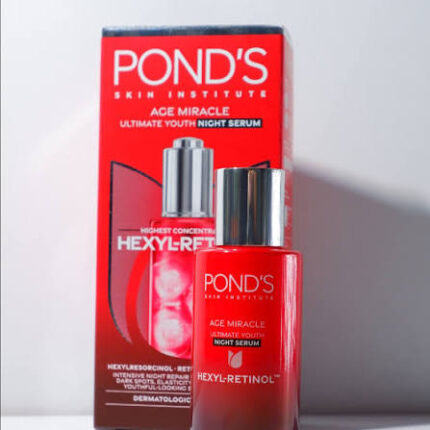 Sale
SaleOriginal price was: ৳ 2,000.00.৳ 1,950.00Current price is: ৳ 1,950.00.
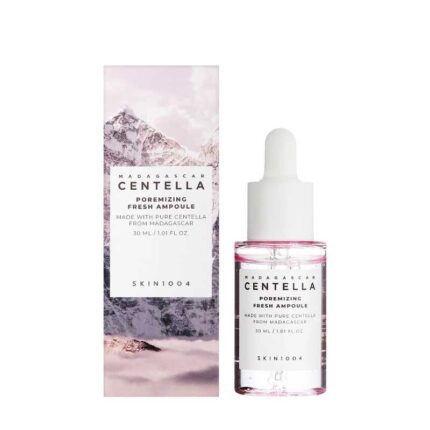 Sale
SaleOriginal price was: ৳ 2,620.00.৳ 1,834.00Current price is: ৳ 1,834.00.
 Sale
SaleOriginal price was: ৳ 2,200.00.৳ 1,540.00Current price is: ৳ 1,540.00.
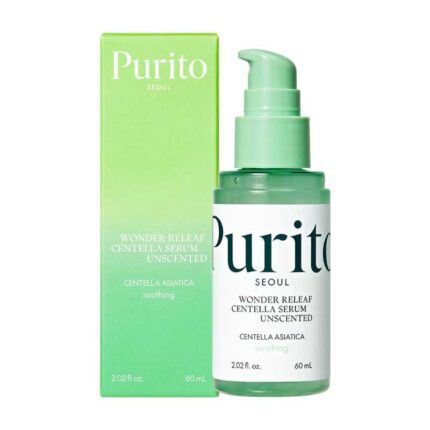 Sale
SaleOriginal price was: ৳ 440.00.৳ 308.00Current price is: ৳ 308.00.
How Oleyl Alcohol works on skin
Oleyl Alcohol works by forming a thin layer on the skin surface. This layer locks in moisture and reduces water loss from the skin. The effect helps dry skin feel softer and look smoother.
Because Oleyl Alcohol has a long hydrocarbon chain, it creates a stable film that resists immediate wash-off. That is why products with this ingredient can keep skin hydrated between applications. For example, users often notice less flaking after consistent use.
Benefits of Oleyl Alcohol in skincare
Oleyl Alcohol improves spreadability in creams and serums so you use less product per application. That makes formulas feel richer without heavy residue. Many formulators prefer it when they want a silky texture that consumers enjoy.
Research indicates that emollient fatty alcohol ingredient choices can reduce dryness and improve skin feel. As a result, products with Oleyl Alcohol often feel more luxurious. Consumers report softer skin and smoother application in product reviews.
Because it mixes well with oils and water-based ingredients, Oleyl Alcohol also helps stabilize emulsions. Stability means the product keeps its texture over time. This benefit reduces separation in bottles and jars.
Oleyl Alcohol as a skin softening compound
As a skin softening compound, Oleyl Alcohol provides touchable softness and a pleasant finish. The ingredient smooths the outermost skin layer, which improves how the skin reflects light. That often translates to a healthier look.
Dermatologists recommend emollients when treating mild roughness or chapping. Oleyl Alcohol fits this role because it blends into many formulas and spreads evenly. Then the skin feels less rough and noticeably softer after use.
Common products that contain Oleyl Alcohol
You will find Oleyl Alcohol in moisturizers, conditioners, and cleansing creams. It appears in body lotions that aim for quick absorption. It also shows up in hair products to add slip and reduce tangling.
Because manufacturers want a non-greasy feel, they add this ingredient to leave-on products. For rinse-off items, Oleyl Alcohol can still improve texture and conditioning. That means shoppers can expect a smoother finish on hair and skin alike.
How formulators choose concentration and partners
Formulators select levels of Oleyl Alcohol based on texture goals and the product type. Low amounts give light slip and a subtle finish. Higher amounts create richer creams that stay put longer.
When combined with humectants like glycerin, Oleyl Alcohol helps lock in moisture more effectively. This combination delivers both immediate softness and longer-term hydration. Research indicates such pairings are common in moisturizing formulas.
Safety and skin tolerance
Oleyl Alcohol is generally regarded as safe for most skin types when used at typical cosmetic levels. Clinical testing and decades of use support its low irritation profile. Still, sensitive individuals should patch-test new products that contain it.
Because reactions can vary, dermatologists recommend trying a small amount before full use. If redness or itching appears, stop using the product and consult a professional. That advice applies to any new skincare ingredient.
Possible side effects and who should be cautious
Most people tolerate Oleyl Alcohol well, but a small percentage may react to it or to other ingredients in the formula. For example, fragrances or preservatives can cause irritation in sensitive skin. Consumers with eczema or rosacea should check labels carefully.
Still, studies show that fatty alcohols like Oleyl Alcohol are less likely to irritate than some other alcohol types. When irritation occurs, it often stems from additional ingredients rather than the emollient itself. That is why ingredient lists matter.
How to read labels for Oleyl Alcohol
Look for Oleyl Alcohol in the ingredient list near other oils and emollients. It may appear alongside cetyl alcohol, stearyl alcohol, or cetearyl alcohol. These names signal similar fatty alcohols with related benefits.
Because labels list ingredients in order of concentration, placement gives a clue about strength. If Oleyl Alcohol appears near the top, the product likely contains a meaningful amount. If it appears near the bottom, it still contributes but at lower levels.
Choosing products with Oleyl Alcohol for different skin types
For dry skin, choose products where Oleyl Alcohol appears earlier on the list and where rich oils are present. These formulas provide sustained softness and reduce flaking. They also tend to feel richer on application.
Those with oily or acne-prone skin should select lightweight formulas that include Oleyl Alcohol in low amounts. Lightweight creams offer slip without clogging pores. If you have combination skin, try a product designed for normal to dry areas.
Comparing Oleyl Alcohol to other fatty alcohols
Oleyl Alcohol differs from short-chain alcohols because it has a long, unsaturated chain. That structure gives it more emollient and conditioning power. It usually feels less waxy than some long-chain saturated alcohols.
For example, cetyl and stearyl alcohols are also emollients, yet they behave slightly differently. Oleyl Alcohol often adds more spread and a silkier finish. That comparison helps formulators choose the right texture for a product.
How Oleyl Alcohol affects product texture and feel
Texture changes reportable by users include smoother glide and faster absorption. Formulators add Oleyl Alcohol to reduce tackiness and to improve layering with sunscreen and makeup. Those effects matter for daily routines.
Because sensory experience influences repeat purchase, many brands use Oleyl Alcohol to enhance feel. That choice can increase user satisfaction. Studies show consumer preference often correlates with texture and finish.
Combining Oleyl Alcohol with active ingredients
Oleyl Alcohol works well with many actives, including ceramides and niacinamide. It helps carry these actives across the skin surface while maintaining a pleasant feel. Careful formulation ensures stability and efficacy together.
When combining with retinoids or acids, formulators check for pH compatibility and skin tolerance. That process prevents irritation and keeps actives effective. For example, buffer systems help preserve delicate ingredients when Oleyl Alcohol is present.
Environmental and sourcing considerations
Manufacturers source Oleyl Alcohol from plant or animal fats depending on supplier. Many brands now prefer plant-derived versions to meet consumer demand. Certification and transparency help customers make informed choices.
Because sustainability matters, companies disclose sourcing and processing when possible. Consumers interested in greener options can look for plant-based labels. That information supports better buying decisions.
Label terms and alternative names
On ingredient lists, Oleyl Alcohol may appear under slightly different labels or as part of blends. Look for names that contain “oleyl” or “oleyl alcohol” spelled clearly. Some formulations list it alongside cetearyl or behenyl alcohol.
When you see a compound listed, check the full ingredient list to understand the formula balance. This reading helps you spot potential irritants. It also clarifies whether Oleyl Alcohol plays a major role in the product.
DIY and at-home use tips
For DIY skincare, Oleyl Alcohol is not typically an easy at-home ingredient because it requires melting and precise mixing. Most shoppers find it safer to buy professionally formulated products. That choice reduces formulation errors and contamination risk.
However, if you craft body butters or conditioners, consult professional guides or work with small-batch manufacturers. That approach ensures stable emulsions and consistent results. Always follow safety and preservation best practices.
Cost and market availability
Oleyl Alcohol is generally affordable and widely available to cosmetic manufacturers. That accessibility makes it common in both budget and premium products. Retail shoppers can find it in drugstore brands as well as specialty lines.
Because the ingredient blends easily, brands can achieve a desired feel without raising costs excessively. As a result, Oleyl Alcohol appears in many market segments. Consumers thus have broad product choices.
Common myths and misconceptions
One myth claims that all alcohols dry the skin. This statement is misleading because fatty alcohols like Oleyl Alcohol do not behave like simple alcohols. They act as emollients rather than solvents.
Another misconception is that natural means non-irritating. Although plant-derived Oleyl Alcohol often performs well, any ingredient can irritate sensitive skin. Always test new products on a small area first.
Expert tips for using products with Oleyl Alcohol
Start with a small patch test if you have sensitive skin or allergies. That step helps you spot a problem early. If no reaction appears after a few days, you can proceed to full use.
When layering products, apply a water-based serum first and then a product with Oleyl Alcohol. That order helps humectants draw moisture while the emollient locks it in. Such routines improve hydration results.
Buying guide: what to look for
Choose products with clear ingredient lists and honest claims. Look for complementary ingredients like glycerin, ceramides, or fatty acids for balanced hydration. Check reviews for user feedback on texture and tolerance.
If you prefer plant-based sourcing, verify that the brand states this clearly. That transparency helps match values with product performance. Also, avoid products with unnecessary fragrance if you have sensitive skin.
Regulatory status and testing
Regulatory bodies generally accept Oleyl Alcohol as safe in cosmetics at typical use levels. Manufacturers perform safety testing and stability studies before selling products. That process reduces risk for consumers.
Brands often run patch tests and consumer panels to assess irritation and sensory appeal. These checks guide final formulations. As a result, reputable products tend to show good skin tolerance in real use.
Real user experiences and reported outcomes
Shoppers often praise products that include Oleyl Alcohol for their smooth finish. Many report less dryness after consistent use over days to weeks. That feedback aligns with the ingredient’s emollient role.
Some users with very sensitive skin still prefer a trial before committing to full-size products. That approach reduces waste and avoids irritation. Reviews and trial sizes help shoppers decide.
Alternatives to Oleyl Alcohol
If you want an alternative, look for other fatty alcohols like cetyl or stearyl alcohol. Plant oils, shea butter, and dimethicone also provide emollient effects. Each alternative changes texture and absorption in its own way.
Choosing an alternative depends on the feel you want. For a lighter finish, select lighter esters or short-chain oils. For a heavier barrier, seek richer butters and waxes instead.
When to consult a dermatologist
Consult a dermatologist if you experience persistent redness or irritation after using a product with Oleyl Alcohol. A professional can test for allergies and suggest alternatives. That step ensures safe, tailored care.
You should also consult a professional for chronic conditions such as eczema. Medical guidance helps you find suitable products without worsening symptoms. Dermatologists can recommend brands with proven tolerance profiles.
Frequently Asked Questions
Is Oleyl Alcohol safe for sensitive skin?
Most people tolerate Oleyl Alcohol well because it acts as an emollient. Still, sensitive skin may react to the full formula, not just this ingredient. Patch testing a small area before regular use is wise.
Will Oleyl Alcohol clog pores?
Oleyl Alcohol is not typically comedogenic, but individual responses vary. People prone to breakouts should try a lightweight formula and monitor results. If breakouts appear, stop use and consult a dermatologist.
Does Oleyl Alcohol hydrate the skin directly?
Oleyl Alcohol mainly locks in moisture rather than adding water itself. It forms a barrier that reduces trans-epidermal water loss. For best hydration, use it alongside humectants like glycerin.
Can I use products with Oleyl Alcohol every day?
Yes, daily use is common when products contain Oleyl Alcohol at standard cosmetic levels. Monitor your skin for any signs of irritation during the first weeks. Adjust frequency if redness or discomfort emerges.
Final Thoughts
Oleyl Alcohol offers a practical way to make skincare feel pleasant while helping skin retain moisture. This ingredient works as an emollient and a skin softening compound that improves texture and spread. For most shoppers, choosing trusted products with clear labels and trying a patch test provides the best path to benefit from Oleyl Alcohol.