
NICOR Baby Lithospermum Ointment Stick Review & Guide

Parents want safe, effective products for their infants. NICOR Baby Lithospermum Ointment Stick promises soothing relief for irritated baby skin. This review examines its features, specs, price, and real use tips. You will learn how it works and when to choose it. I include buying advice and comparisons to help you decide.
NICOR Baby Lithospermum Ointment Stick Features
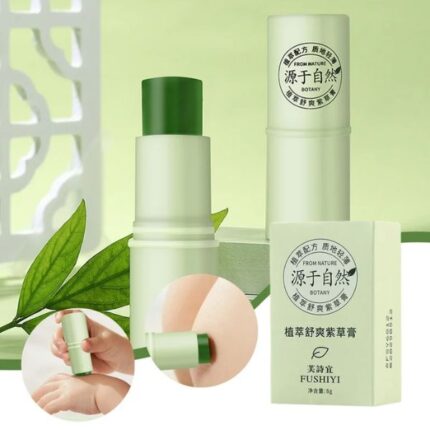
The stick format keeps application neat. It reduces mess during diaper changes and travel. The formula centers on lithospermum root extract plus supporting emollients. The product aims to calm redness and protect delicate skin. It claims quick absorption and a non-greasy finish.
- Solid, portable stick applicator
- Contains lithospermum root extract and mild emollients
- Fragrance-free or low-fragrance options available
- Designed for diaper area, cradle cap, and minor irritations
Recommended Products
 Sale
SaleOriginal price was: ৳ 720.00.৳ 650.00Current price is: ৳ 650.00.

nicor baby lithospermum ointment stick review: What Users Report
Parents report fast, visible calming within days. Many praise the ease of use. Some note it reduces redness and chafing effectively. A few users mention needing regular reapplication for severe rashes. Overall satisfaction rates appear high for mild to moderate irritation.
- Quick relief for mild diaper rash
- Convenient for on-the-go touch-ups
- Works well under a diaper without excessive residue
Ingredients and How NICOR Baby Lithospermum Ointment Stick Works
Lithospermum root extract carries traditional use for skin calming. The extract contains compounds that soothe inflamed skin. Manufacturers typically pair the extract with emollients like petrolatum alternatives, lanolin, or plant oils. These ingredients form a protective barrier to trap moisture and promote healing.
Always check the full label for potential allergens. If your baby reacts to any ingredient, stop use and consult a pediatrician. For persistent or worsening rashes, seek medical advice promptly.
nicor baby lithospermum ointment stick specs
Typical specs help parents compare options. The stick usually weighs 10–20 grams. Packaging uses a twist-up tube for precise application. Labels list active botanical extract concentration and excipients. Shelf life ranges from 12 to 24 months after opening, depending on packaging.
- Net weight: common sizes 10 g, 15 g, or 20 g
- Format: twist-up stick applicator
- Preservative approach: minimal or mild preservatives
- Suggested storage: cool, dry place away from direct sunlight
nicor baby lithospermum ointment stick price and where to buy
Price varies by size and retailer. Expect competitive pricing compared to specialty baby ointments. Typical retail ranges run from budget options to premium natural brands. Check local pharmacies, baby stores, and online marketplaces for promotions.
- Compare unit price per gram for best value
- Watch for multi-pack discounts and subscriptions
- Read return policies before purchase
How to Use the NICOR Baby Lithospermum Ointment Stick Safely
Clean the affected area gently with mild soap and water. Pat skin dry with a soft towel. Twist the stick and apply a thin, even layer over irritated skin. Reapply as directed, usually after diaper changes or as needed. Use sparingly under heavy occlusion and follow pediatric guidance for infants under two months.
- Use at every diaper change for active irritation
- Avoid broken skin unless product explicitly permits it
- Store out of reach of children
Best nicor baby lithospermum ointment stick uses and scenarios
Choose this stick for mild diaper rash, friction-related redness, and dry patches. Parents find it useful for travel and daycare because the packaging cuts down on spills. Caregivers report it helps protect skin after exposure to irritants like wet diapers or chafing clothing.
- Diaper area protection
- Cradle cap softening when used gently
- Minor chafing or windburn on exposed skin
Buying Guide: nicor baby lithospermum ointment stick buying guide
Start by checking ingredient transparency. Prefer products that list concentrations and avoid hidden fragrances. Choose a stick size that fits your routine and travel needs. Verify the product’s safety claims and search for third-party testing or pediatric endorsements. Read recent user reviews to spot trends in performance or sensitivity issues.
- Confirm non-toxic, hypoallergenic labeling if needed
- Pick a recyclable or travel-friendly package if sustainability matters
- Compare prices across retailers and factor shipping costs
Pros and Cons
Assessing pros and cons helps set realistic expectations. The stick offers tidy application and targeted protection. It allows controlled amounts and lowers contamination risk. On the downside, it may not replace thicker ointments for severe rashes. Some babies with highly sensitive skin might still react to botanical extracts.
- Pros: clean application, portable, quick calming effect
- Cons: may need frequent reapplication for severe cases, botanical extract sensitivity
How NICOR Baby Lithospermum Ointment Stick Compares to Alternatives
Traditional ointments often use zinc oxide or thick petrolatum as active agents. Those options provide longer occlusion and can protect more aggressively. The NICOR stick trades heavy occlusion for ease and gentleness. Choose zinc oxide for severe, persistent rashes. Choose NICOR stick for mild cases and convenience.
- Zinc oxide: best for heavy-duty barrier protection
- Petrolatum-based: excels at sealing moisture for overnight healing
- NICOR stick: ideal for on-the-go, daily protection
Safety and Pediatric Considerations
Always patch-test a small area before full use. If redness, swelling, or irritation worsens, stop using the product. Seek pediatric advice for infants younger than two months or for rashes with fever or open sores. Store the stick at recommended temperatures and discard after the labeled period.
- Patch test before wider application
- Consult a pediatrician for severe or persistent rashes
- Avoid inhalation or ingestion by older children
Frequently Asked Questions
Is NICOR Baby Lithospermum Ointment Stick safe for newborns?
Check the label and consult your pediatrician for babies under two months. For older infants, many parents use it safely. Always patch-test first.
How often should I apply the nicor baby lithospermum ointment stick?
Apply at diaper changes for active irritation or as needed. Reapply after cleaning and drying the area to protect skin.
Can it replace zinc oxide for severe diaper rash?
No. Zinc oxide gives stronger barrier protection. Use NICOR stick for mild to moderate irritation and convenience.
What is the typical nicor baby lithospermum ointment stick price range?
Expect mid-range prices that can vary by retailer and size. Look for promotions to lower costs.
Are there allergy concerns with lithospermum?
Some infants may react to botanical extracts. If you see increased redness or irritation, stop use and seek advice.
Conclusion
NICOR Baby Lithospermum Ointment Stick offers a practical, gentle option for everyday baby skin care. It excels at tidy application, portability, and quick calming for mild irritations. Use the stick for diaper-area maintenance, chafing, and dry patches. Compare specs, price, and ingredients before buying. If you need a heavy-duty barrier, consider zinc oxide alternatives. Overall, NICOR Baby Lithospermum Ointment Stick can serve as a reliable part of your baby care kit.