
Myristyl Alcohol: Uses, Benefits, Safety Guide

Have you ever wondered why some creams leave skin soft without feeling greasy? Myristyl Alcohol is a common ingredient behind smooth texture and light slip in many care products. This guide explains what it is and how it works for hair and skin.
What is Myristyl Alcohol?
Myristyl Alcohol is a fatty, long-chain alcohol derived from plant or synthetic sources. For example, it appears in ingredient lists of lotions, conditioners, and creams as a texture-enhancer. Studies show fatty alcohols help create stable emulsions in cosmetic formulas.
Because the term “alcohol” can alarm shoppers, note this type differs from drying ethanol. That is why it acts as an emollient rather than a solvent. Dermatologists recommend checking the INCI name when you review labels.
Recommended Products
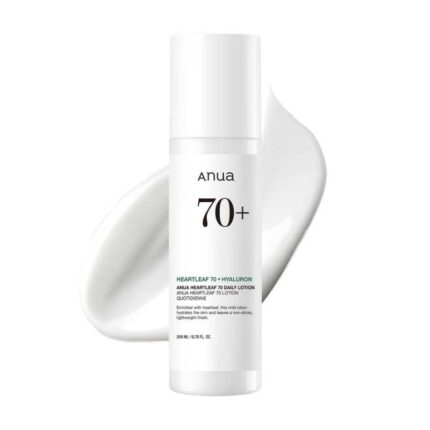 Sale
SaleOriginal price was: ৳ 2,750.00.৳ 2,460.00Current price is: ৳ 2,460.00.
 Sale
SaleOriginal price was: ৳ 460.00.৳ 320.00Current price is: ৳ 320.00.
 Sale
SaleOriginal price was: ৳ 2,080.00.৳ 1,456.00Current price is: ৳ 1,456.00.
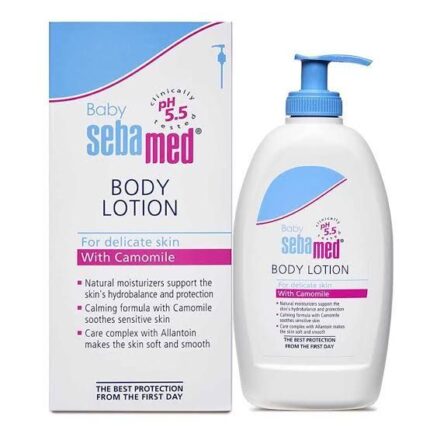 Sale
SaleOriginal price was: ৳ 3,500.00.৳ 2,499.00Current price is: ৳ 2,499.00.
How Myristyl Alcohol Works in Cosmetics
Myristyl Alcohol functions mainly as an emollient conditioning compound and thickener in formulations. It helps blend oil and water phases, so creams feel smooth and spread easily. Research indicates that fatty alcohols improve product stability and skin feel.
When mixed into a lotion, Myristyl Alcohol forms a light film on skin or hair. As a result, moisture loss slows and surfaces feel softer. This means products can feel richer without heavy residue.
Key Benefits for Skin and Hair
Myristyl Alcohol offers multiple benefits in personal care products. It can soften rough skin, improve spreadability, and add body to conditioners. Clinical and consumer reports commonly note better texture and manageability in hair formulas that include fatty alcohols.
Skin smoothing and hydration
Because Myristyl Alcohol acts as an emollient, it helps smooth the skin surface. Dryness reduces as a light barrier forms to hold moisture. People with normal and dry skin often find products containing this ingredient more comfortable to wear.
Hair conditioning and style support
When used in conditioners, Myristyl Alcohol helps detangle and add slip. That is why many conditioners list it among their conditioning agents. Hair often feels softer and combs more easily after use.
Texture, stability, and formulation
Myristyl Alcohol also thickens creams and stabilizes emulsions. For example, it helps maintain a consistent feel across temperature changes. This benefit makes it a favorite for manufacturers designing long-lasting products.
Myristyl Alcohol vs Other Fatty Alcohols
Myristyl Alcohol shares traits with lauryl and cetyl alcohols, but each has a unique chain length. Chain length affects melting point and texture. Manufacturers choose the right fatty alcohol ingredient to match desired product feel.
Since chain differences change viscosity, formulators pick Myristyl Alcohol for medium weight feel. That means it can give products a silkier finish than shorter-chain alcohols. Dermatologists often recommend such alcohols for their non-drying properties.
Is Myristyl Alcohol Safe?
Safety profiles for Myristyl Alcohol are well established in cosmetic science. Regulatory bodies have reviewed fatty alcohols and found them generally safe in typical concentrations. Still, formulation quality and concentration matter for sensitive skin.
Although rare, some people may react to certain formulations rather than to the pure ingredient. For example, preservatives or fragrances often cause irritation in susceptible users. Patch testing new products can reduce the risk of a surprising reaction.
Allergic reactions and sensitivities
If irritation occurs, stop using the product and consult a healthcare provider. Since allergic reactions to fatty alcohols are uncommon, your clinician may test other components as well. This means the true cause can be another ingredient in the formula.
Use during pregnancy and breastfeeding
Research indicates topical use of typical cosmetic fatty alcohols is low risk. However, many health professionals advise checking with your provider when pregnant. That way you can confirm product suitability for your situation.
Regulatory guidance
Studies show cosmetic regulators classify Myristyl Alcohol as a safe cosmetic ingredient at standard use levels. Manufacturers follow labeling rules to state it on the ingredient list. This practice helps shoppers make informed decisions.
Common Products That Contain Myristyl Alcohol
Myristyl Alcohol appears in a wide range of skincare and haircare items. You will find it in face creams, body lotions, shampoos, conditioners, and styling creams. Because it improves texture, formulators use it where a smooth feel matters.
For example, richer hand creams often use Myristyl Alcohol to balance slip and absorbency. Shampoos may also include it to prevent hair from feeling stripped. This means many everyday products can contain the ingredient without standing out on the label.
How to Find Myristyl Alcohol on Labels
Look for “Myristyl Alcohol” in the INCI list on product labels. Ingredient lists list components in descending order by weight, so placement gives a clue to concentration. If you see it high on the list, expect a noticeable effect on texture.
When shopping, check labels early in the list for emollients and fatty alcohols. That is why reading the first several ingredients helps you evaluate a product. If you prefer lighter textures, choose formulations with thinner emollients further down the list.
INCI and alternate names
Myristyl Alcohol usually appears exactly as that name in ingredient lists. Nevertheless, some blends may show related fatty alcohol names nearby. Reviewing the full list helps you understand the formula better.
Shopping tips for sensitive skin
When you have sensitive skin, pick fragrance-free and hypoallergenic formulas that include Myristyl Alcohol. For example, look for products labeled for sensitive or allergy-prone skin. That means the manufacturer has considered irritant reduction in the formula.
How Much Myristyl Alcohol Is Used in Products?
Typical use levels vary by product type and desired feel. Creams and conditioners often contain moderate percentages to balance thickness and slip. Studies show formulators adjust concentration to maintain spreadability and skin feel.
Soaps and shampoos usually have lower levels than creams. That is because those products focus more on cleansing rather than long-term skin barrier effects. The final formula determines how the ingredient behaves on skin or hair.
Comparing Benefits and Drawbacks
Myristyl Alcohol offers a clear set of benefits, but it is not perfect for every need. It improves feel, adds body, and supports conditioning. Yet, some very oily skin types may prefer lighter esters or silicones instead.
However, compared with short-chain alcohols like ethanol, Myristyl Alcohol does not dry the skin. Because it forms a light barrier, it can reduce trans-epidermal water loss. That means it can be helpful for people with rough or dry skin patches.
Formulation Tips for DIY Users
If you make skincare at home, handle Myristyl Alcohol carefully and follow tested recipes. Heating profiles and mixing steps matter for proper emulsions. For example, melt it with oils and combine with water phases at correct temperatures for stable creams.
When in doubt, start with small batches and test on a patch of skin. That is why small trials are safer for homemade formulas. Always measure by weight for repeatable results.
Environmental and Source Considerations
Myristyl Alcohol can come from natural plant oils or synthetic routes. Some brands use sustainably sourced fatty alcohols from vegetable oils. That matters to shoppers who prefer renewable sources and transparent supply chains.
Since sustainability claims vary, check brand statements and certifications if environmental impact matters. This means you can choose products that align with your values when sustainability is a priority.
Common Misconceptions
People often confuse fatty alcohols with denaturing alcohols that dry the skin. Myristyl Alcohol is not a drying alcohol and typically helps skin feel smooth. That distinction matters when you research ingredient effects.
Another myth says all alcohols irritate skin. Although some alcohols are irritating, many fatty alcohols are gentle. Dermatologists recommend assessing products by overall formulation rather than one ingredient alone.
How to Choose Products with Myristyl Alcohol
Decide what you need from a product before judging an ingredient list. If you want richer creams or detangling conditioners, Myristyl Alcohol can be helpful. For lighter, oil-free products, consider alternatives that deliver similar benefits without weight.
For example, pick a lotion with Myristyl Alcohol if you need overnight hydration. That is why many night creams include it. Conversely, choose a gel if you want minimal residue during the day.
Real-World Tips from Users and Experts
Many users report that Myristyl Alcohol improves slip and spread in haircare. Professional stylists often favor products with the ingredient for smoothing treatment. Consumer reviews commonly praise its role in reducing frizz and improving manageability.
Dermatologists recommend combining such ingredients with sunscreen and humectants for balanced skin care. Studies show combining emollients with humectants like glycerin increases hydration. That means Myristyl Alcohol often performs best within a balanced formula.
Alternatives to Myristyl Alcohol
If you prefer not to use Myristyl Alcohol, several alternatives exist. Cetyl and stearyl alcohols offer similar emollient benefits with different textures. Plant-derived esters and lightweight oils can also mimic surface softness without the same weight.
When testing alternatives, compare textures and stability. Manufacturers may replace one fatty alcohol with another to tweak feel. That means trial and error may be needed to find a product you love.
Frequently Asked Questions
Is Myristyl Alcohol the same as denatured alcohol?
No. Myristyl Alcohol is a fatty alcohol that softens and conditions skin and hair. Denatured alcohols like ethanol are drying solvents and behave differently in formulas.
Can Myristyl Alcohol clog pores or cause acne?
Most people do not find Myristyl Alcohol comedogenic, but individual responses vary. If you have acne-prone skin, test products and choose non-comedogenic formulas when possible.
Will Myristyl Alcohol make my hair greasy?
Not usually. It adds slip and improves manageability without heavy greasiness in balanced formulas. However, very oily hair types may prefer lighter conditioning agents instead.
Do natural or synthetic versions differ in effect?
Effects are generally similar, though source influences sustainability and cost. Some users prefer plant-derived ingredients for ethical reasons, while others focus on performance and stability.
Final Thoughts
Myristyl Alcohol is a widely used emollient conditioning compound that improves texture, softness, and stability in many skin and hair products. For most shoppers, it offers gentle conditioning without drying effects, so try products that include it if you want smoother application and better manageability. When choosing items, read ingredient lists and test small amounts to confirm the right fit for your skin or hair needs.