
Manganese PCA: Skin Care Benefits and Uses

Skin care labels can feel like puzzles, especially when one small ingredient sounds more like lab work than self-care. Manganese PCA is one of those ingredients, yet it can play a useful role in formulas for balanced, comfortable skin. If you shop for serums, creams, or scalp products, this guide will help you understand it.
What Is Manganese PCA?
Manganese PCA is a cosmetic ingredient that combines manganese with PCA. Manganese is an essential trace mineral, while PCA is a compound linked to skin hydration. Together, they form a mineral salt that brands may add to skin care formulas.
Because manganese supports normal enzyme activity in the body, cosmetic chemists value it in small amounts. Research shows manganese helps the body make and manage certain antioxidant enzymes. That does not mean a cream changes your health, yet it explains why the mineral interests formulators.
PCA stands for pyrrolidone carboxylic acid, a water-loving compound. Skin naturally contains PCA as part of its natural moisturizing factor. This means PCA helps skin hold water and feel less tight after cleansing.
Recommended Products
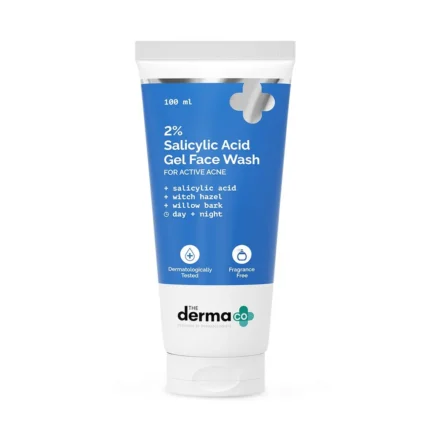 Sale
SaleOriginal price was: ৳ 1,100.00.৳ 790.00Current price is: ৳ 790.00.
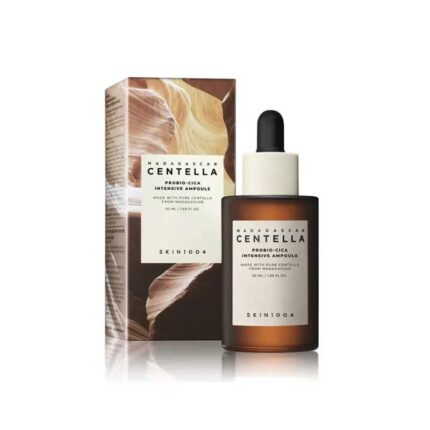 Sale
SaleOriginal price was: ৳ 3,360.00.৳ 2,352.00Current price is: ৳ 2,352.00.
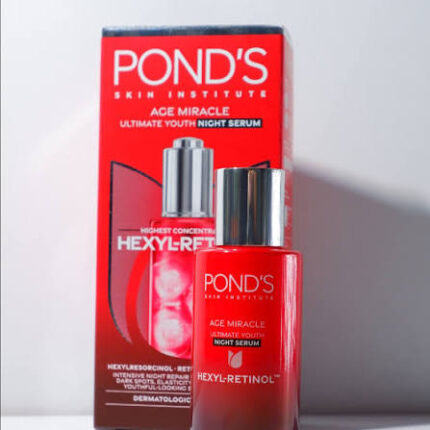 Sale
SaleOriginal price was: ৳ 2,000.00.৳ 1,950.00Current price is: ৳ 1,950.00.
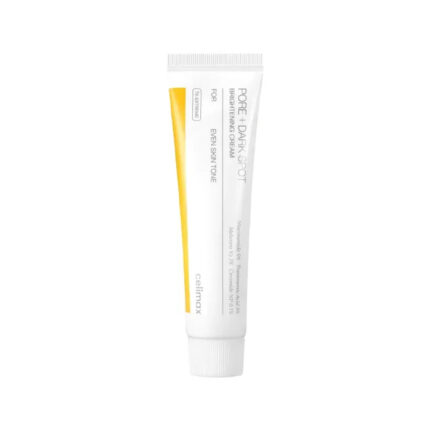 Sale
SaleOriginal price was: ৳ 1,790.00.৳ 1,590.00Current price is: ৳ 1,590.00.
Why Brands Use Manganese PCA
Many shoppers notice Manganese PCA in products aimed at shine, texture, or general skin comfort. Brands may choose it because it fits well in water-based formulas. It also pairs nicely with humectants, which are ingredients that attract water.
However, Manganese PCA does not work like a strong acne drug or a peel. It usually supports the feel and balance of a formula. Dermatologists often remind shoppers that full formulas matter more than one single ingredient.
A trace mineral ingredient with a purpose
Manganese PCA may appeal to brands because it acts as a trace mineral ingredient in cosmetic products. Trace minerals appear in very small amounts, yet the body still uses them for normal functions. In skin care, the goal is surface support, not nutrition.
For example, manganese relates to manganese superoxide dismutase, often called MnSOD. This enzyme helps manage oxidative stress inside cells. A topical product cannot copy that whole process, yet the link explains the ingredient story.
A gentle fit for daily formulas
When brands build daily products, they often prefer ingredients that layer well. Manganese PCA can appear in toners, gels, serums, creams, and masks. Since it does not usually add a heavy feel, it suits many light textures.
Still, a product may feel gentle or harsh because of the full formula. Fragrance, acids, alcohol, and strong actives can change how skin reacts. So, shoppers should judge the whole ingredient list, not only Manganese PCA.
How Manganese PCA Works on Skin
Manganese PCA works mainly as a supportive cosmetic ingredient. It can help improve the way a formula feels on skin. It may also support a more balanced finish when brands design it for oily or mixed skin.
Because PCA has water-binding traits, it can help formulas feel more hydrating. Water-binding ingredients do not add oil. Instead, they attract water to the top layers of skin, which can soften roughness.
The PCA side supports hydration
PCA belongs to the group of compounds found in natural moisturizing factor. Studies show natural moisturizing factor helps the outer skin layer hold water. When that layer stays hydrated, skin often looks smoother.
This does not mean Manganese PCA replaces a moisturizer. Instead, it can support hydration inside a complete product. A good moisturizer still needs other helpers, such as glycerin, oils, or barrier-friendly lipids.
The manganese side adds mineral interest
Manganese is a mineral the body needs in small amounts. Research indicates it helps with normal antioxidant enzyme systems. In topical formulas, brands use that background to support claims about skin comfort and balance.
However, cosmetic claims should stay realistic. Manganese PCA will not erase deep lines or cure skin disease. It may help a formula support skin that feels stressed by daily cleansing, weather, or shine.
The full formula controls results
A product with Manganese PCA can still perform poorly if the formula lacks balance. For example, a drying cleanser may leave skin tight even with a helpful mineral salt. A well-built serum may feel better because it includes soothing and hydrating partners.
That is why ingredient lists need context. Look at the first five to ten ingredients first. Those ingredients usually shape texture, feel, and daily performance more than a low-level active.
Manganese PCA as a Skin Conditioning Compound
Manganese PCA often functions as a skin conditioning compound in personal care products. Skin conditioning means the ingredient helps improve skin feel, softness, or appearance. Cosmetic ingredient dictionaries use this kind of term for surface-level benefits.
Although the term sounds broad, it helps shoppers set fair expectations. A conditioner for skin does not have to treat a medical concern. Instead, it can help skin feel less rough, less tight, or more balanced.
It may help skin feel more comfortable
Comfort matters because tight skin often leads shoppers to overuse rich creams. Manganese PCA can support formulas that feel light but not dry. This can help people who dislike heavy products.
For example, oily skin can still lack water. When that happens, a light hydrating serum may work better than a thick balm. Manganese PCA can fit into that type of formula.
It may support a balanced finish
Some products with Manganese PCA target shine-prone skin. Research on PCA salts often focuses on skin feel, oil balance, and hydration support. Results depend on the exact salt, the dose, and the product base.
Still, shoppers should not expect instant matte skin from one ingredient. Oil level changes can come from cleansers, hormones, weather, and habits. A balanced routine usually helps more than a single label claim.
It may improve product elegance
Product elegance means how a formula feels during and after use. Manganese PCA can appear in light formulas because it suits water-based systems. This helps brands create products that do not feel greasy.
When a product feels pleasant, people use it more often. Consistent use matters because most cosmetic benefits build over time. As a result, an elegant texture can improve real-world results.
Who May Benefit From Manganese PCA?
Manganese PCA may suit shoppers who want light support for daily skin balance. It can fit oily, combination, normal, or slightly dry skin routines. The best match depends on the product type and the other ingredients.
Because skin types differ, no single ingredient works for everyone. Dermatologists recommend patch testing new products, especially for sensitive skin. This simple step can reduce the chance of an avoidable reaction.
Oily and combination skin
Oily skin often needs hydration without heaviness. Manganese PCA may appear in gels or serums made for that goal. These products can feel fresh while still giving skin some water-binding support.
However, oily skin should not face harsh cleansing all day. Over-cleansing can leave the barrier stressed, which may cause more discomfort. A mild cleanser and light moisturizer often work better.
Normal skin that feels dull
Normal skin may still look dull when it lacks water. Since PCA has a role in skin hydration, Manganese PCA can support a smoother look. Hydrated skin reflects light more evenly.
For example, a serum with glycerin, niacinamide, and Manganese PCA may suit many simple routines. The formula can add comfort without turning the routine complex. Shoppers should still watch for fragrance if they react easily.
Sensitive skin shoppers
Sensitive skin shoppers often worry when they see unfamiliar names. Manganese PCA does not automatically signal a harsh product. Yet sensitive skin can react to many things, including preservatives and scent.
So, start slowly when trying a new formula. Apply a small amount to one area for several days. If redness, burning, or swelling appears, stop using the product.
How to Shop for Manganese PCA Products
Smart shopping starts with the product category. Manganese PCA in a leave-on serum may matter more than in a rinse-off cleanser. Leave-on products stay on skin longer, so they often show more cosmetic effects.
Since brands rarely list exact amounts, use the ingredient list as a guide. Ingredients near the top usually appear at higher levels. Ingredients near the end may still help, but their impact may feel subtle.
Check the full ingredient list
Look for Manganese PCA along with proven hydrating ingredients. Glycerin, hyaluronic acid, betaine, and sodium PCA all help attract water. Ceramides, fatty acids, and cholesterol can support the skin barrier.
However, a long ingredient list does not always mean better results. Some simple formulas work very well. Focus on whether the product matches your skin type, budget, and routine.
Match the texture to your skin
Texture can decide whether you keep using a product. Oily skin often likes gels, fluids, and light lotions. Dry skin may need creams that add oils and barrier support.
When Manganese PCA appears in a serum, it may layer well under moisturizer. When it appears in a cream, it may support comfort in a richer base. Choose the feel you will use every day.
Read claims with care
Marketing claims can make a minor ingredient sound larger than life. Manganese PCA can support skin feel, yet it should not promise medical results. In many regions, cosmetic rules limit disease treatment claims for beauty products.
That is why phrases like “supports balance” or “helps condition skin” sound more realistic. Claims about curing acne, eczema, or rosacea need medical evidence and proper approval. If you have a skin disease, ask a licensed clinician.
Consider price and product role
A product does not need to cost a lot to include useful ingredients. Manganese PCA can appear in both budget and premium formulas. Packaging, brand position, and texture often affect price.
Instead of paying only for one ingredient, decide what job the product will do. A daily serum should hydrate, layer well, and avoid irritation. A mask should give short-term comfort without leaving skin tight.
How to Use Manganese PCA in a Routine
Most products with Manganese PCA fit into a simple routine. Cleanse, apply the product, then seal with moisturizer if needed. During the day, finish with sunscreen because sun exposure drives many visible skin changes.
Research shows daily sunscreen helps reduce visible signs of photoaging. No conditioning ingredient can replace that step. So, treat Manganese PCA as support, not the main shield.
Start with once-daily use
When trying a new leave-on product, start once daily. This helps you spot irritation before it spreads across the whole routine. After one or two weeks, you can adjust if your skin feels good.
Even gentle products can sting after over-exfoliation or shaving. If your skin barrier feels raw, wait before adding anything new. A calm routine makes product testing easier.
Layer it with common actives
Manganese PCA can often sit beside niacinamide, glycerin, panthenol, and gentle moisturizers. These ingredients usually support hydration and barrier comfort. Many daily formulas combine them without issue.
However, be careful when the same product also contains strong acids or retinoids. Those actives can irritate some users, especially at first. Introduce one active product at a time.
Use sunscreen in the morning
Morning routines should end with broad-spectrum sunscreen. Studies show ultraviolet light can trigger oxidative stress and collagen breakdown. A mineral-support ingredient cannot block UV rays.
Because sunscreen works only when applied well, use enough product. Cover the face, ears, neck, and any exposed skin. Reapply when you sweat, swim, or spend hours outside.
Safety and Side Effects
Manganese PCA usually appears in cosmetics at low levels. Most shoppers tolerate many PCA-based ingredients well. Still, any cosmetic product can cause irritation or allergy in some people.
Although manganese is essential in the diet, more is not always better on skin. Cosmetic formulas should use ingredients within safe ranges. Responsible brands follow regional safety rules and supplier guidance.
Possible signs of irritation
Irritation may show as stinging, burning, itching, or redness. Some people also notice small bumps after a new product. When symptoms appear quickly, stop using the product and let skin calm down.
If swelling, hives, or severe pain occurs, seek medical help. Those signs may suggest an allergic reaction or another problem. Do not keep testing a product that causes strong symptoms.
Patch testing made simple
Patch testing helps you screen a new product before full use. Apply a small amount near the jaw, behind the ear, or on the inner arm. Repeat for several days if your skin tends to react.
Because some reactions take time, do not judge only the first hour. Wait and watch for redness, bumps, or itching. If the test area stays calm, try the product on a small facial area.
Pregnancy and medical concerns
Most cosmetic uses of Manganese PCA should stay on the skin surface. Yet pregnant shoppers often prefer extra caution with new products. A clinician can review your routine if you feel unsure.
People with active rashes, broken skin, or known allergies should take care. Damaged skin may absorb and react to products differently. In those cases, simple fragrance-free care often works best.
Manganese PCA Versus Similar Ingredients
Manganese PCA belongs to a wider group of mineral and PCA-based cosmetic ingredients. Comparing it with similar options helps shoppers read labels more clearly. It also prevents unrealistic hopes from one unfamiliar name.
Since each ingredient has a different role, the best choice depends on your goal. Hydration, oil control, comfort, and barrier support may need different blends. A balanced formula often uses several helpers together.
Manganese PCA vs sodium PCA
Sodium PCA focuses strongly on water binding. It appears often in moisturizers, cleansers, toners, and serums. Skin naturally contains PCA-related compounds, which supports sodium PCA’s use in hydration formulas.
Manganese PCA adds a mineral part to the PCA base. This makes its ingredient story different from simple sodium PCA. If your main goal is hydration, both may appear in helpful formulas.
Manganese PCA vs zinc PCA
Zinc PCA appears often in products for oily and blemish-prone skin. Zinc has a long history in dermatology and personal care. Many formulas use it to support a clearer, less shiny look.
Manganese PCA may target skin comfort, balance, and conditioning in a softer way. It does not replace proven acne treatments. If breakouts concern you, look for evidence-backed actives like salicylic acid or benzoyl peroxide.
Manganese PCA vs copper PCA
Copper PCA combines copper with PCA. Copper also has links to normal skin functions and enzyme systems. Brands may use copper ingredients in products that focus on aging signs or skin vitality.
However, copper PCA and Manganese PCA do not do the same job. Their mineral parts differ, and formulas may position them differently. Read the product claims and supporting ingredients before choosing.
Common Myths About Manganese PCA
Unfamiliar ingredient names often create confusion. Manganese PCA sounds technical, so shoppers may assume it is either harsh or powerful. The truth sits in the middle.
Because cosmetics work on the skin surface, claims need limits. A helpful ingredient can improve product feel without acting like medicine. That distinction helps you shop with more confidence.
Myth: It works overnight
Most skin care ingredients need consistent use. Manganese PCA may support a smoother feel, but visible changes often take time. Hydration can improve quickly, yet lasting comfort depends on routine habits.
For example, harsh scrubs can undo the comfort a serum provides. Weather, sleep, shaving, and cleansing habits also affect skin. A steady routine gives the best chance of success.
Myth: More is always better
Higher amounts do not always mean better skin. Cosmetic chemists balance safety, feel, and performance when they choose ingredient levels. Too much of many ingredients can make formulas sticky or irritating.
Instead, judge how your skin responds. If a low-cost product with Manganese PCA feels good, it may be enough. You do not need the highest-priced option by default.
Myth: It replaces moisturizer
Manganese PCA can support moisture feel, yet it does not replace every moisturizer. Many people still need occlusive or emollient ingredients. Occlusives slow water loss, while emollients smooth rough areas.
When skin feels dry after a serum, add a cream on top. This step helps trap water and improve comfort. Dry climates often make this extra layer more useful.
How to Build a Simple Buying Plan
A simple buying plan helps you avoid clutter and wasted money. Start with your main concern, such as shine, tightness, roughness, or dullness. Then choose one product that fits that concern.
Because online shopping offers endless choices, filters and reviews can distract you. Reviews help, yet they do not predict your skin perfectly. Ingredient fit and product type matter more than hype.
For oily or shiny skin
Choose a light serum, gel moisturizer, or toner with hydrating support. Manganese PCA may pair well with niacinamide, zinc PCA, or green tea in these products. Avoid very heavy oils if they make you feel greasy.
Still, do not strip oily skin with harsh cleansers. Use a mild cleanser twice daily at most for most routines. Over-cleansing can increase tightness and shine at the same time.
For dry or tight skin
Look for Manganese PCA in a cream or serum that also contains glycerin. Dry skin often needs both water-binding and sealing ingredients. Ceramides, squalane, and shea butter can help many dry skin routines.
When skin feels tight after washing, adjust your cleanser first. A gentle cleanser can change the whole routine. Then add a hydrating product and finish with a cream.
For simple starter routines
A starter routine should stay easy. Use a cleanser, moisturizer, sunscreen, and one treatment product if needed. Manganese PCA can fit into the treatment or moisturizer step.
This means you do not need many products to see better comfort. Track changes for several weeks before switching again. Constant changes make it hard to know what works.
Label Reading Tips for Online Shoppers
Online shoppers cannot test texture before buying, so labels matter. Product descriptions, ingredient lists, and customer comments can help. Still, read them with a practical eye.
Since brands may highlight trendy ingredients, check whether Manganese PCA appears near supportive ingredients. A product with only strong fragrance and little hydration may not suit sensitive shoppers. A balanced formula gives you a better chance.
Look for clear product claims
Clear claims explain what the product does without sounding extreme. Words like “hydrates,” “conditions,” or “helps balance” fit cosmetic use. Claims that promise cures should raise caution.
Research-backed skin care usually uses careful language. Dermatologists often prefer steady terms over dramatic promises. This helps shoppers understand what a product can truly offer.
Check the return policy
Skin care can fail even when the formula looks right. A fair return policy reduces risk, especially for higher-priced products. Some retailers also sell travel sizes or trial sets.
When possible, buy a smaller size first. This lets you test Manganese PCA in your routine without a large commitment. If your skin likes it, buy the full size later.
Watch for irritants you know
Your personal trigger list matters more than any trend. If fragrance, essential oils, or drying alcohol bother you, scan for them. A product with Manganese PCA can still include those ingredients.
Because ingredient names can vary, keep notes after reactions. Write down the product name and the first several ingredients. Over time, patterns can become easier to spot.
Frequently Asked Questions
Is Manganese PCA good for oily skin?
Manganese PCA may suit oily skin when it appears in light gels, serums, or toners. It can support a balanced skin feel without adding heavy oils. For breakouts, pair your routine with proven acne ingredients when needed.
Can Manganese PCA hydrate skin?
Manganese PCA can support hydration because PCA has water-binding properties. It works best in a formula with other humectants and barrier-friendly ingredients. Very dry skin may still need a richer moisturizer on top.
Is Manganese PCA safe for sensitive skin?
Many people may tolerate Manganese PCA, but sensitive skin can react to any product. Patch test first and avoid formulas with known triggers. Stop use if burning, swelling, or strong redness appears.
How often should I use Manganese PCA?
Follow the product directions because formulas differ. Most leave-on products can start once daily, then increase if skin stays calm. Use sunscreen each morning if the product belongs in your daytime routine.
Final Thoughts
Manganese PCA is a useful support ingredient, not a miracle fix. It can help a well-made formula condition skin, support hydration feel, and suit light daily routines. Choose products based on your skin type, patch test first, and keep your routine simple.