
Isopentyldiol: Skin Care Benefits and Uses

Dry skin can make even a simple routine feel confusing. Isopentyldiol appears in many modern skin care labels because it helps improve moisture and product feel. If you shop for serums, creams, or sunscreens, this ingredient is worth knowing.
What Isopentyldiol Does in Skin Care
Isopentyldiol is a synthetic diol, which means it has two moisture-loving alcohol groups. These groups help it mix well with water and many cosmetic ingredients. Because of this, formulators often use it in products that need a smooth, light finish.
Although the word alcohol may sound drying, this ingredient differs from drying alcohols. Fatty alcohols and diols often support comfort instead. Cosmetic chemists classify Isopentyldiol as a humectant, solvent, and texture helper.
Research on humectants shows that these ingredients can draw water into the outer skin layer. As a result, the skin can feel softer and look less tight. Shoppers often notice this benefit in leave-on products.
A simple label meaning
When you see Isopentyldiol on a label, think of support rather than a headline active. It usually works behind the scenes. Still, that support can change how a product feels during daily use.
For example, a serum may spread more evenly with this ingredient in the base. A cream may feel less sticky after application. This means the formula may suit people who dislike heavy textures.
Why brands use it
Brands choose Isopentyldiol because it can serve more than one purpose. It can help dissolve certain ingredients and improve the feel of a formula. That makes it a useful multifunctional diol ingredient in many product types.
Cosmetic formulas need balance between performance, feel, and stability. If a product feels tacky, shoppers often stop using it. Since texture affects daily habits, small support ingredients can matter.
Recommended Products
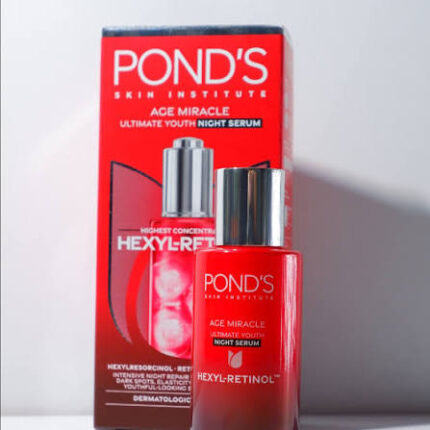 Sale
SaleOriginal price was: ৳ 2,000.00.৳ 1,950.00Current price is: ৳ 1,950.00.
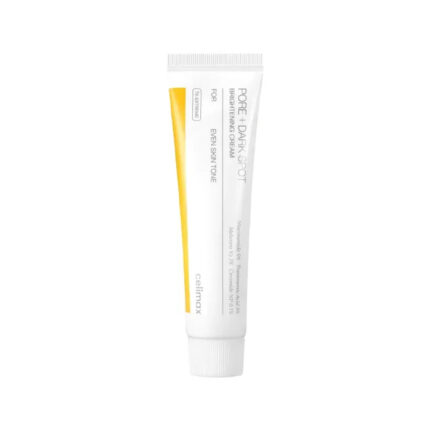 Sale
SaleOriginal price was: ৳ 1,790.00.৳ 1,590.00Current price is: ৳ 1,590.00.
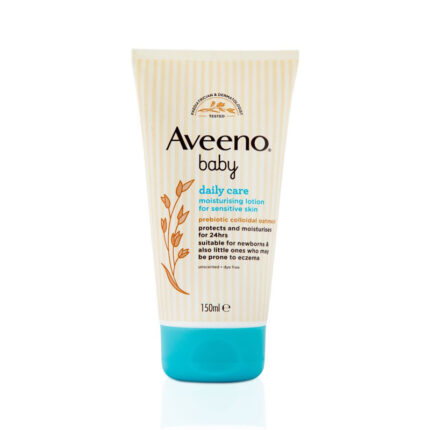 Sale
SaleOriginal price was: ৳ 1,400.00.৳ 890.00Current price is: ৳ 890.00.
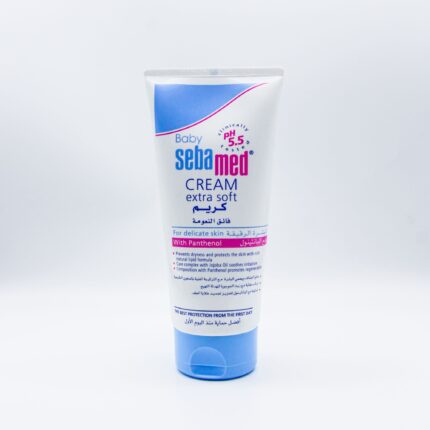 Sale
SaleOriginal price was: ৳ 1,850.00.৳ 1,550.00Current price is: ৳ 1,550.00.
How This Hydration Boosting Compound Works
Isopentyldiol helps skin hydration by supporting water movement in the formula and on the skin surface. It does not seal skin like a rich oil. Instead, it works more like a light moisture helper.
Because the outer skin layer loses water through the day, humectants can support a fresher feel. Dermatologists often explain dryness as a barrier and water-loss issue. This means hydration needs both water-attracting and water-sealing ingredients.
Isopentyldiol can fit into that first group. However, it works best when a formula also includes emollients or occlusives. These are ingredients that soften skin or slow water loss.
Humectant action
A humectant attracts water to the skin’s outer layer. Glycerin, hyaluronic acid, and some glycols work in this way. Isopentyldiol can support a similar hydration role, but it often feels lighter.
When skin has enough water, it may look smoother under makeup. Fine dry lines can look less obvious for a short time. Studies show that better stratum corneum hydration improves surface softness.
Solvent support
Some helpful ingredients do not mix easily in water. A solvent helps dissolve them so the product stays even. Isopentyldiol can play this role in skin care formulas.
As a result, a product may feel more uniform from the first use to the last. This matters for serums, essences, and lightweight lotions. A stable base helps deliver a more consistent user experience.
Texture improvement
Texture can decide whether a shopper enjoys a product. Isopentyldiol can reduce a sticky or draggy feel in some formulas. That helps products spread well across the face or body.
However, texture depends on the full formula. A product with heavy oils can still feel rich. A gel with this ingredient may feel fresh, quick, and clean on the skin.
Key Benefits of Isopentyldiol for Shoppers
Isopentyldiol does not promise dramatic overnight change. Instead, it supports practical daily benefits that many shoppers value. These include comfort, hydration, spread, and a less greasy finish.
Because skin care works best with regular use, comfort has real value. People often avoid products that feel sticky or heavy. A lighter formula may help you stay consistent.
Better moisture feel
Dry skin often feels tight after cleansing. Isopentyldiol can help a formula give a softer, more hydrated feel. This makes it helpful in toners, serums, gels, and creams.
Dermatologists recommend humectants for many dry skin routines. They often pair them with barrier-supporting ingredients. For example, ceramides, fatty acids, and oils can help seal in that moisture.
Smoother product application
Some products pill, streak, or grab during application. Isopentyldiol may help reduce that issue when the formula uses it well. A smoother spread can make sunscreen and foundation sit better.
When a product spreads evenly, you may use the right amount more easily. This matters most with sunscreen. Uneven application can reduce the protection you expect from the label.
Less sticky finish
Many humectants hydrate well but can feel tacky. Isopentyldiol often helps create a cleaner finish. That makes it useful in products designed for humid weather or oily skin.
Still, the final feel depends on the full ingredient list. A serum with many film formers may still feel tacky. So, shoppers should judge both the label and the texture.
Support for sensitive routines
Sensitive skin shoppers often want simple, comfortable formulas. Isopentyldiol can fit that goal because it usually works as a support ingredient. It does not exfoliate or sting like some strong actives.
Although any ingredient can bother some people, this one often appears in gentle products. Patch testing remains a smart habit. Apply a small amount near the jaw or arm first.
Is Isopentyldiol Safe for Daily Use?
Isopentyldiol has a good safety profile in cosmetics when brands use it as intended. Cosmetic safety panels review ingredient use based on exposure and concentration. Shoppers should still consider their own skin history.
Because this ingredient usually appears in leave-on and rinse-off products, exposure can vary. A cleanser gives short contact. A serum or cream stays on skin much longer.
Research indicates that irritation risk depends on formula strength and personal skin condition. Broken or inflamed skin reacts more easily. So, avoid testing many new products at once.
Who can usually use it
Most skin types can use Isopentyldiol in a well-made product. Dry skin may enjoy the hydration support. Oily skin may like the light, less greasy feel.
Combination skin can also benefit from balanced texture. Since the ingredient does not act like a heavy oil, it rarely feels occlusive. That can help people who dislike thick creams.
When to be careful
Be careful if your skin reacts to many cosmetic bases. Isopentyldiol may not cause the issue, but the full formula might. Fragrance, acids, and strong preservatives often trigger more reactions.
If you have eczema, rosacea, or active irritation, introduce products slowly. Dermatologists often suggest patch tests for reactive skin. Stop use if burning, swelling, or lasting redness appears.
Pregnancy and daily routines
Many shoppers ask whether basic moisturizers are safe during pregnancy. Isopentyldiol is not a retinoid, exfoliating acid, or bleaching agent. It mainly supports hydration and texture in cosmetic formulas.
However, pregnancy skin can become more reactive. Ask a clinician about any product if you feel unsure. This is especially wise for medicated products or strong active formulas.
Products That Often Contain Isopentyldiol
Isopentyldiol appears in many categories because it supports both feel and function. You may find it in face serums, moisturizers, masks, sunscreens, and makeup bases. Its role changes with each formula.
When shopping, look at where it appears on the ingredient list. Higher placement can suggest a larger amount, though labels do not show exact percentages. The full formula still matters more than one ingredient.
Hydrating serums and essences
Hydrating serums often rely on humectants. Isopentyldiol can help those products feel light while supporting moisture. It may also help dissolve other water-friendly ingredients.
For example, a serum may combine it with glycerin, panthenol, or hyaluronic acid. Those ingredients work in different ways. Together, they can create a layered hydration effect.
Moisturizers and gel creams
Gel creams often aim for comfort without heaviness. Isopentyldiol can support that balance. It helps a cream glide without leaving a greasy film.
Because moisturizers also need barrier support, check for emollients too. Squalane, dimethicone, and plant oils can help reduce water loss. A good daily moisturizer usually blends humectants and softening agents.
Sunscreens and makeup primers
Sunscreen texture affects whether people apply enough. Isopentyldiol can help some sunscreen bases spread more evenly. That makes daily use feel easier, especially under makeup.
Makeup primers may also include this ingredient for slip and comfort. When a base spreads well, makeup can sit smoother. Still, primers cannot replace good skin prep.
Cleansers and body care
Cleansers sometimes include Isopentyldiol to improve feel during washing. Since cleansers rinse away, the hydration effect may be limited. Yet the product can feel less stripping.
Body lotions may use it for lighter spread over larger areas. This can help after showers, when skin often loses water fast. Applying lotion to damp skin can improve comfort.
How to Read Labels Before Buying
Ingredient labels can feel hard to read at first. Isopentyldiol is easier to judge when you know its common role. It usually supports the formula rather than acting as the main treatment.
Because shoppers often compare products online, focus on the whole routine goal. A dry skin shopper may need richer support. An oily skin shopper may prefer a light gel with humectants.
Check the product claim
Start with the product claim before scanning the full list. If a product promises hydration, Isopentyldiol may help support that claim. However, look for other moisture ingredients too.
For example, glycerin, betaine, panthenol, and hyaluronic acid often support hydration. Ceramides and oils can support barrier comfort. This means a better formula usually has more than one helpful pathway.
Notice the ingredient order
Labels list ingredients in descending order until low levels begin. Isopentyldiol near the top may influence texture and hydration more. Near the bottom, it may still help the formula.
Still, ingredient order has limits. Some ingredients work at low levels. Others need more room in the formula to change skin feel.
Look for possible triggers
If your skin reacts often, scan for fragrance and essential oils. These cause more concern for many sensitive shoppers. Isopentyldiol alone should not make a product seem harsh.
When a product includes strong acids or retinoids, start slowly. The active may cause dryness before your skin adjusts. A support ingredient can help comfort, but it cannot erase overuse.
Match texture to your habits
A product only helps if you use it often. Isopentyldiol can make some products feel easier to apply. That can matter more than a trendy claim.
For daytime, many shoppers prefer light layers. At night, a richer cream may feel better. Choose the texture that fits your climate, skin type, and routine.
How to Use Products With Isopentyldiol
Using Isopentyldiol products is simple because the ingredient does not need special timing. You can use it morning or night. Follow the product type and your skin’s needs.
Because it often appears in hydrating products, apply it after cleansing. Serums usually go before creams. Sunscreens always go last in the morning routine.
Morning routine
Start with a gentle cleanser or a water rinse. Apply a serum or gel that contains Isopentyldiol if you want light hydration. Then add moisturizer if your skin needs more comfort.
Finish with sunscreen every morning. Dermatologists recommend daily broad-spectrum sunscreen to reduce UV damage. A comfortable base can make sunscreen use feel less like a chore.
Night routine
At night, remove sunscreen and makeup well. Apply your hydrating product while skin feels slightly damp. Isopentyldiol can support a soft feel before moisturizer.
If you use retinol or exfoliating acids, avoid adding too many new products together. Skin needs time to adjust. This means slower changes often lead to better comfort.
Layering tips
Layer from thinnest texture to thickest texture. A watery toner usually goes before a creamy lotion. Isopentyldiol fits wherever the product type belongs.
When products pill, use less product per layer. Wait a short time before adding the next step. You can also skip extra layers that do not add value.
How long results take
Hydration feel can improve quickly with humectants. Isopentyldiol may help a product feel smoother from the first use. Barrier changes, however, need more time and steady care.
Studies show that consistent moisturizing supports skin barrier comfort over time. Daily use matters more than using many products. A simple routine often works better than a crowded shelf.
Isopentyldiol Compared With Similar Ingredients
Isopentyldiol belongs to a family of cosmetic ingredients that help with moisture, texture, or solvent action. Shoppers may also see propanediol, butylene glycol, pentylene glycol, and glycerin. These ingredients can overlap, but they do not feel identical.
Because formulas use blends, you do not need to choose only one. A good product may include several humectants. This can improve comfort without making the formula feel heavy.
Compared with glycerin
Glycerin is one of the most studied humectants in skin care. Research supports its role in moisture and barrier comfort. Isopentyldiol may feel less sticky in some formulas.
However, glycerin remains a strong hydration ingredient. Many great products use both. The blend can offer moisture support with a nicer finish.
Compared with propanediol
Propanediol also works as a humectant and solvent. It can come from plant-based sources, depending on the supplier. Isopentyldiol may appear when brands want a certain texture profile.
Neither ingredient is automatically better for everyone. Formula design matters more than the single name. Test the finished product on your skin before judging.
Compared with hyaluronic acid
Hyaluronic acid can bind water and create a plump look. It often appears in hydration-focused serums. Isopentyldiol supports hydration too, but it also helps product feel and mixing.
When air feels very dry, humectant-heavy products may need a cream on top. That helps reduce water loss. This is true for many hydration ingredients, not just one.
Common Myths About Isopentyldiol
Ingredient names can cause worry when they sound chemical. Isopentyldiol may look complex, yet many safe cosmetic ingredients have technical names. The name alone does not reveal safety or performance.
Because online advice often simplifies ingredients too much, myths spread quickly. A better approach looks at function, concentration, and the full product. That helps shoppers make calmer choices.
Myth: All alcohol ingredients dry skin
Drying alcohols, such as alcohol denat, can feel harsh in some formulas. Isopentyldiol is different because it is a diol. Its structure helps it interact with water.
This means the word alcohol does not always signal dryness. Fatty alcohols and diols often support texture or comfort. Always judge the exact ingredient and the full formula.
Myth: Support ingredients do nothing
Some shoppers focus only on famous actives. Yet support ingredients can decide whether a product feels good enough to use. Isopentyldiol can help improve hydration feel and application.
When a formula spreads well, you may apply it more evenly. This matters for daily products like sunscreen and moisturizer. Small formula choices can shape real habits.
Myth: Natural always means safer
Natural ingredients can be helpful, but they can also irritate skin. Essential oils offer a clear example for sensitive shoppers. Synthetic ingredients can be gentle when brands formulate them well.
Safety depends on dose, purity, use, and personal tolerance. Dermatologists often remind patients that poison ivy is natural. So, natural origin alone should not guide your choice.
Who Should Consider This Ingredient?
Isopentyldiol suits shoppers who want light hydration and a smoother product feel. It can help if you dislike sticky serums or heavy creams. It may also appeal to people who layer several products.
Since it works as a support ingredient, do not expect it to replace targeted actives. Acne, dark spots, and deep wrinkles need different ingredients. Still, comfort support can make those routines easier.
Dry skin shoppers
Dry skin needs both water and barrier support. Isopentyldiol can help with the water-feel side. Pair it with creams that contain oils, butters, dimethicone, or ceramides.
When skin feels tight after washing, apply hydration before the skin fully dries. This can improve the feel of moisturizers. A gentle cleanser also helps reduce dryness.
Oily and combination skin shoppers
Oily skin still needs hydration. Dehydrated oily skin can feel tight while looking shiny. Isopentyldiol may help lightweight gels feel comfortable without adding a heavy film.
Look for oil-free or gel-cream textures if shine bothers you. However, avoid stripping cleansers that leave skin squeaky. Harsh cleansing can make the skin feel worse.
Sensitive skin shoppers
Sensitive skin shoppers should focus on simple formulas. Isopentyldiol may fit well in fragrance-free products. Still, the whole ingredient list matters more than one supportive compound.
Patch test any new product for several days. Apply it to a small area and watch for redness or itching. If your skin stays calm, use it on a larger area.
How to Choose a Good Product
A good product with Isopentyldiol should match your skin type, budget, and routine. Price alone does not prove quality. Many affordable formulas use well-known humectants and safe bases.
Because online shoppers cannot test texture first, reviews can help. Look for comments about stickiness, pilling, and comfort. Those details often reveal more than broad star ratings.
For face serums
Choose a serum if you want a light layer under cream or sunscreen. Isopentyldiol can make a serum feel smooth and fresh. Check for other hydration helpers if dryness is your main concern.
For example, panthenol can soothe the look of dry skin. Betaine can support a soft feel. A serum with several mild hydrators may suit daily use.
For moisturizers
Choose a moisturizer if your skin needs comfort that lasts longer. Isopentyldiol can improve glide, but moisturizers also need softening ingredients. Look for ceramides, squalane, dimethicone, or nourishing oils.
When your skin feels very dry, a gel may not be enough. Use a cream at night or during cold weather. Climate changes can shift what your skin needs.
For sunscreen
Choose sunscreen based on protection, comfort, and daily use. Isopentyldiol may help the product spread better. That can make it easier to apply the right amount.
Dermatologists recommend sunscreen because UV exposure drives many visible aging changes. The best sunscreen is one you will wear often. A pleasant texture supports that habit.
Frequently Asked Questions
Is Isopentyldiol good for dry skin?
Yes, Isopentyldiol can help dry skin feel more hydrated in a well-made formula. It works best with barrier-supporting ingredients, such as ceramides, oils, or dimethicone.
Does Isopentyldiol clog pores?
Isopentyldiol does not act like a heavy oil or wax. However, breakouts depend on the full product, your skin type, and how you use it.
Can I use Isopentyldiol with retinol?
Yes, products with Isopentyldiol can fit into a retinol routine. Since retinol can cause dryness, a hydrating support formula may improve comfort.
Is Isopentyldiol the same as glycerin?
No, Isopentyldiol and glycerin are different ingredients. Both can support hydration, but they may feel different in finished products.
Final Thoughts
Isopentyldiol is a helpful support ingredient for shoppers who want hydration, smooth texture, and a lighter feel. It will not replace targeted actives, yet it can make daily products easier to enjoy. Choose formulas that match your skin type, then patch test before adding them to your routine.