
Hydrogenated Vegetable Oil: What Shoppers Should Know

Do you wonder what Hydrogenated Vegetable Oil means on a label and whether it is safe to use? Many shoppers see this term and pause before buying a cream or food item. Hydrogenated Vegetable Oil appears often on labels for both reasons of texture and shelf life.
What is Hydrogenated Vegetable Oil?
Hydrogenated Vegetable Oil means vegetable oil that has undergone hydrogenation. The process adds hydrogen to unsaturated fats and makes them more saturated and stable.
Because hydrogenation alters how fats behave, the oil becomes firmer at room temperature. This change helps products keep shape and resist rancidity, which is why manufacturers use it.
Recommended Products
 Sale
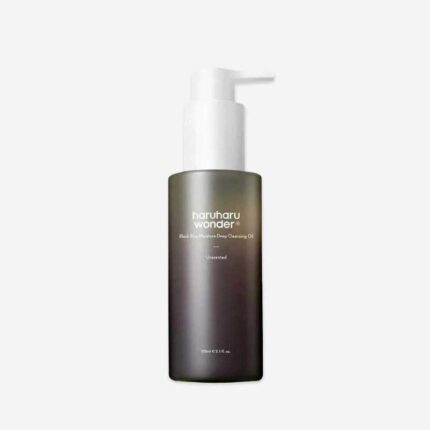
SaleOriginal price was: ৳ 2,780.00.৳ 1,950.00Current price is: ৳ 1,950.00.
 Sale
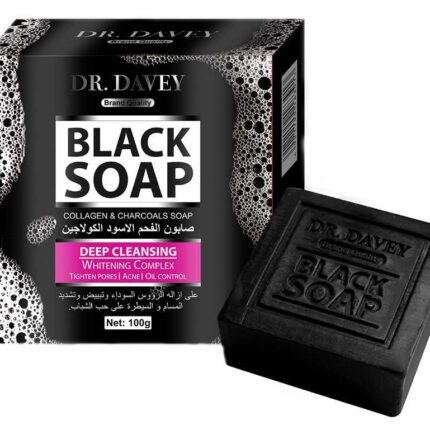
SaleOriginal price was: ৳ 500.00.৳ 350.00Current price is: ৳ 350.00.
 Sale
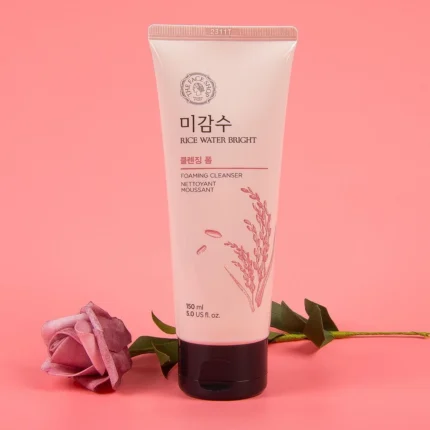
SaleOriginal price was: ৳ 1,599.00.৳ 999.00Current price is: ৳ 999.00.
 Sale
SaleOriginal price was: ৳ 600.00.৳ 420.00Current price is: ৳ 420.00.
How the hydrogenation process works
Hydrogenation delivers hydrogen atoms to double bonds in unsaturated fats. This chemical change reduces the number of double bonds and raises the melting point of the oil.
Research indicates that full hydrogenation converts oils into more saturated forms while partial hydrogenation can form trans fats. Because of health concerns, many brands moved away from partial hydrogenation.
Common uses in cosmetics and food
Manufacturers use Hydrogenated Vegetable Oil for texture, stability, and spreadability in creams and foods. For example, it helps lipsticks hold shape and moisturizers feel less oily on skin.
As a plant derived emollient ingredient, hydrogenated oils add a smooth, silky feel without a heavy scent. This makes them useful in products marketed as gentle or plant based.
Moisturizers and lotions
Hydrogenated Vegetable Oil often appears in moisturizers as an occlusive compound. Because it forms a thin barrier, the oil helps reduce water loss from skin between applications.
Dermatologists recommend occlusives for very dry skin because these compounds help trap moisture. Still, people with oily or acne-prone skin may prefer lighter alternatives.
Lipsticks, balms, and color cosmetics
Manufacturers add hydrogenated oils to lip products to improve glide and prevent cracking. The solid texture helps lipsticks hold their mold and apply evenly.
For shoppers who prefer plant-based items, labels sometimes highlight hydrogenated vegetable oil as a plant derived emollient ingredient. Such wording signals a botanical origin rather than petroleum.
Food products and baking
Food makers used hydrogenated oils to extend shelf life and add firmness to baked goods and spreads. Because hydrogenation raises stability, it helped prevent spoilage before refrigeration was common.
However, since partial hydrogenation can create trans fats, many food producers now use fully hydrogenated oils or alternative processing methods. This change aimed to reduce health risks linked to trans fats.
Benefits for texture and preservation
Hydrogenated Vegetable Oil improves texture and shelf life in many products. Manufacturers often choose it because it makes creams feel smooth and prevents separation in formulations.
Because it is more stable than unsaturated oils, hydrogenated oil resists oxidation and rancidity. As a result, products stay fresher longer on store shelves and in home cabinets.
Drawbacks and consumer concerns
One drawback is that hydrogenation can change nutritional profiles in food. Partially hydrogenated oils may contain trans fats, and those have been associated with heart disease in medical studies.
For cosmetics, the main concern is pore-clogging in some skin types. While Hydrogenated Vegetable Oil can act as an occlusive compound, people prone to breakouts should test new products on a small area first.
Safety and health considerations
When you choose food or cosmetics, check whether a product lists partially hydrogenated oils. Because partial hydrogenation can form trans fats, many health agencies advise minimizing intake of those fats.
For skin, dermatologists recommend occlusives for dry or damaged skin. Yet oily skin types may do better with non-occlusive humectants such as glycerin or hyaluronic acid.
How to read labels and choose products
Look for the exact phrase on the ingredient list to know what you are buying. Because labels can list many variants, you might also see fully hydrogenated oil or hydrogenated vegetable shortening.
If you want a plant based product, watch for wording like plant derived emollient ingredient in marketing. That claim indicates the source, but check the full ingredient list to confirm.
Alternatives to hydrogenated oils
Many brands now use alternatives like fractionated oils or esters to achieve similar texture without hydrogenation. These options often come from plant sources and offer lighter feel on skin.
Because consumer demand has shifted, research and development teams created more options that avoid forming trans fats. As a result, modern formulations can match performance with fewer health trade-offs.
Environmental and sourcing issues
Hydrogenated Vegetable Oil can come from many plant oils, including palm, soybean, and sunflower. Since some crops raise sustainability concerns, shoppers may want to know the oil’s origin.
For example, palm oil production has been linked to habitat loss in some regions. That is why responsible brands now disclose sourcing and offer certified sustainable options.
Tips for buying skincare with hydrogenated oils
First, decide what your skin needs and choose products accordingly. If you need intense moisture, products with Hydrogenated Vegetable Oil can help lock in hydration.
Second, for acne-prone skin, patch test a small amount. While many people tolerate hydrogenated emollients well, every skin reacts differently to occlusive compound ingredients.
How to use products that contain hydrogenated oils
Apply creams with hydrogenated oils to damp skin to trap moisture more effectively. Because the oil acts as an occlusive compound, it helps prevent trans-epidermal water loss.
For lip products, use a thin layer before bed if you want longer-lasting conditioning. Over time, regular use can improve comfort for chapped lips because the oil seals moisture.
Common myths and facts
Myth: All hydrogenated oils are unsafe. Fact: Safety depends on the type of hydrogenation and how you use the product. Full hydrogenation does not create the same trans fats as partial hydrogenation.
Myth: Hydrogenated Vegetable Oil always clogs pores. Fact: Many people use it without issues. Individuals with oily or acne-prone skin should test products before regular use.
Questions shoppers often ask
When reading labels, shoppers often ask whether hydrogenated oils are natural. Many hydrogenated oils start from plant sources. The hydrogenation step is a chemical process applied to those oils.
Another question: does hydrogenated oil mean the product is vegan? Not always, but often. Check for other animal-derived ingredients to confirm vegan status.
Regulation and industry trends
Regulators in many countries pushed food makers to reduce trans fats created by partial hydrogenation. As a result, the food industry adopted fully hydrogenated or alternate fats in many products.
Cosmetic makers also responded to consumer demand for plant-based wording and cleaner labels. Studies show that clearer labeling helps shoppers make informed choices about occlusive compound use.
How Hydrogenated Vegetable Oil compares to other emollients
Compared with mineral oil, hydrogenated vegetable oils often have a different feel and source. Mineral oil comes from petroleum, while hydrogenated vegetable oils start from plants.
Compared with lighter esters, hydrogenated oils provide stronger occlusion. This means they lock in moisture more effectively, which benefits dry, flaky skin types.
Signs a product uses hydrogenated oil well
Good formulations balance occlusion with breathability. If a product leaves skin soft without heavy residue, the formulator likely used the right amount of Hydrogenated Vegetable Oil.
Also check for complementary ingredients like humectants and emollients. Because these partners hydrate and soften skin, they help the occlusive compound work better.
Shopping checklist
Check whether the label lists hydrogenated oils and note the type. Because fully hydrogenated oils differ from partially hydrogenated ones, the listing can signal health implications.
If you prefer sustainable sourcing, look for certifications or clear origin statements. That is why many brands now highlight responsible supply chains for plant derived emollient ingredient sources.
Frequently Asked Questions
Is Hydrogenated Vegetable Oil safe for skin?
Yes, many people use it safely in skincare. Dermatologists recommend occlusive compound ingredients for dry or cracked skin, while people with oily skin should test before regular use.
Does Hydrogenated Vegetable Oil contain trans fats?
Partially hydrogenated oils can contain trans fats, and those have known health risks. Many manufacturers now use fully hydrogenated oils or other methods to avoid creating trans fats.
Can Hydrogenated Vegetable Oil cause acne?
Some people with acne-prone skin may experience breakouts from heavy occlusives. Try a patch test and choose formulations designed for your skin type to reduce that risk.
How can I find plant-based hydrogenated oils?
Look for wording like plant derived emollient ingredient on the label and check ingredient lists for plant names. If unsure, contact the brand for sourcing details before buying.
Final Thoughts
Hydrogenated Vegetable Oil can improve texture, stability, and moisture retention in foods and skincare. When you shop, check whether the product uses fully or partially hydrogenated oil and consider your skin and health needs. Choose products with clear labels and, whenever possible, preferred sourcing; this will help you get the benefits of Hydrogenated Vegetable Oil while limiting unwanted trade-offs.