

Do you ever wonder why some creams feel smooth while others separate or feel greasy? Glyceryl Stearate SE appears on many labels as the ingredient that fixes texture and helps creams blend, and it often improves how lotions feel on skin. This guide explains what Glyceryl Stearate SE does and why shoppers prefer products with it.
What is Glyceryl Stearate SE?
Glyceryl Stearate SE is an emulsifier used in many cosmetics. It helps oil and water mix, so creams stay smooth and uniform.
Because consumers expect a stable product, manufacturers add this self emulsifying ingredient to creams and lotions. That means a batch stays mixed instead of separating into layers.
For many shoppers, the label offers a clue about the product’s feel. When Glyceryl Stearate SE appears near the top of the ingredient list, the formula likely contains more of it.
Recommended Products
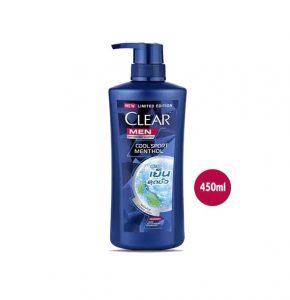
Clear Men Cool Sport Menthol Shampoo – 200ml
Original price was: ৳ 740.00.৳ 500.00Current price is: ৳ 500.00.
View Details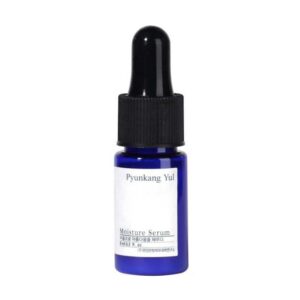
PYUNKANG YUL Deluxe Moisture Serum 9ml
Original price was: ৳ 440.00.৳ 320.00Current price is: ৳ 320.00.
View Details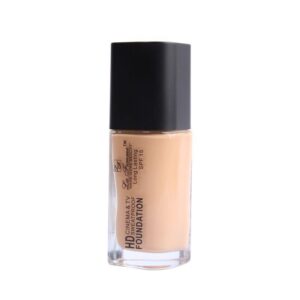
La Femme HD Foundation Ciema & TV Sweatproof – Honey
Original price was: ৳ 850.00.৳ 630.00Current price is: ৳ 630.00.
View Details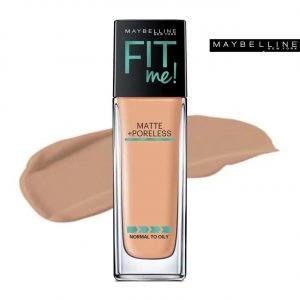
Maybelline New York Fit has Matt and Porcelain Foundation # 128 Warm Nude
Original price was: ৳ 1,700.00.৳ 1,150.00Current price is: ৳ 1,150.00.
View Details
Essence Lash Princess Sculpted Volume Mascara Black
Original price was: ৳ 1,000.00.৳ 750.00Current price is: ৳ 750.00.
View DetailsHow Glyceryl Stearate SE Works in Formulas
Glyceryl Stearate SE acts at the border between oil and water. It has parts that like water and parts that like oil, so it binds them together.
As a result, the ingredient forms stable droplets of oil inside water or vice versa. That stability prevents separation during storage and use.
Because of this action, manufacturers can create lightweight textures that still deliver moisturizing oils to skin.
Emulsification: the basic science
The molecule has a glycerin portion and a stearate portion, which lets it sit between two phases. When mixed under heat and agitation, it helps form tiny droplets that stay suspended.
Research indicates that proper emulsifiers reduce the need for high levels of preservatives because they keep the formula uniform. That can mean gentler creams for some users.
Texture and skin feel
Glyceryl Stearate SE smooths rough textures and reduces greasiness. Many brands use it to create a creamy glide that absorbs without heavy residue.
Because consumers often judge a product by how it feels, this ingredient plays a role in first impressions and repeat purchases.
Compatibility with other ingredients
It blends well with oils, humectants, and active compounds like vitamins and botanical extracts. Formulators value its compatibility when combining actives.
That means you will commonly see it in moisturizers, sunscreens, and makeup primers where synergy matters.
Glyceryl Stearate SE as a Moisturizing Cream Compound
When included in a moisturizing cream compound, Glyceryl Stearate SE supports both stability and hydration. It holds oil droplets so emollients spread evenly over skin.
Because it helps distribute oils, the product delivers moisture to dry patches more uniformly. That often makes the cream feel more effective on application.
Dermatologists recommend using balanced formulas for dry skin, and many of those formulas include emulsifiers such as this one.
Benefits for Skin and Product Performance
Users notice softer skin, fewer dry spots, and an improved feel after regular use of creams with this ingredient. Studies show that stable emulsions help deliver actives more reliably.
When a product spreads evenly, actives like ceramides and hyaluronic acid reach more skin surface area. That can increase perceived efficacy during daily use.
As a result, many beauty brands add Glyceryl Stearate SE to boost product performance and sensory appeal.
Safety and Sensitivity Considerations
Glyceryl Stearate SE is generally well tolerated by most skin types. It often appears in products labeled for sensitive skin because it tends not to cause irritation.
However, anyone with very reactive skin should patch test a new product. That way, you can check for personal sensitivity before wider use.
While allergic reactions to this ingredient are rare, fragrance or preservatives in the same cream may trigger problems for sensitive users.
How to Read Labels and Choose Products
Look for Glyceryl Stearate SE in the ingredient list to find products with stable textures. It often appears alongside other emulsifiers and emollients.
Because ingredient lists are ordered by concentration, items near the top indicate a higher content. That fact helps you judge how much impact the ingredient might have on feel.
For shoppers seeking a smooth, non-greasy cream, this compound can be a helpful sign. Combine it with information on active ingredients to match your needs.
Product Types That Often Contain Glyceryl Stearate SE
Moisturizers, BB creams, sunscreen lotions, and makeup removers commonly contain Glyceryl Stearate SE. Its ability to stabilize oil and water makes it useful across many product types.
Because sun care requires broad stability under heat and light, sunscreens often include reliable emulsifiers for consistent performance. That keeps protection even through daily use.
Skin care lines that focus on hydration also rely on moisturizing cream compound blends that include this ingredient for texture and delivery.
Comparing Glyceryl Stearate SE to Other Emulsifiers
Glyceryl Stearate SE often performs like similar emulsifiers but has a mild, non-irritating profile. Some emulsifiers create heavier textures, while others feel lighter.
Because formulators balance cost, feel, and compatibility, they may choose one emulsifier over another depending on goals. That choice shapes the final product properties.
For everyday shoppers, the takeaway is that Glyceryl Stearate SE tends to produce smooth, skin-friendly creams without heavy residue.
DIY Use and Formulation Basics
Hobbyists who make creams at home can use Glyceryl Stearate SE to create stable emulsions. It requires proper heating and mixing to form lasting droplets.
When you work with emulsifiers, accurate measuring and consistent temperatures matter for safety and stability. That means following a tested recipe and basic sanitation rules.
If you try a DIY recipe, choose quality oils and water sources, and learn safe cooling and preservation methods before large batches.
Manufacturing and Environmental Notes
Many manufacturers source glycerin and stearic components from plant or synthetic origins. The “SE” often signals a specific grade that is partially neutralized for better performance.
Because brands may vary in sourcing, shoppers who care about sustainability should check product claims or packaging for organic or fair supply statements. That can align purchases with personal values.
As interest in greener formulas grows, some companies reformulate to reduce environmental impact while keeping stable textures.
Common Myths and Misconceptions
Some shoppers think that all emulsifiers strip skin. That idea is not accurate for Glyceryl Stearate SE, which often supports hydration. The ingredient itself acts to combine components, not to wash oils away.
Although “stearate” sounds like a harsh chemical, it comes from stearic acid, a common fatty acid in many natural oils. Many gentle products include stearates for texture and stability.
Because marketing can confuse consumers, focus on the whole formula rather than one ingredient alone when judging gentleness or efficacy.
Tips for Sensitive and Acne-Prone Skin
For sensitive skin, choose products with minimal fragrance and alcohol-free formulas that include Glyceryl Stearate SE. The ingredient rarely irritates when formulas avoid known triggers.
Because acne-prone skin reacts to pore-clogging oils, look for non-comedogenic labels and lightweight textures. Many creams using this emulsifier still maintain a light finish.
Testing a product on a small area for a few days helps reveal how your skin reacts before full-face use.
Questions to Ask When Shopping
Ask whether the product balances hydration and transient feel, and whether it is fragrance-free if you have sensitive skin. Those questions guide you toward suitable options.
Because pumps and tubes reduce contamination, prefer those packaging types when possible. That helps preserve product integrity over time.
Also check whether a product lists supporting humectants like glycerin or hyaluronic acid, because those ingredients work with emulsifiers to improve hydration.
How Glyceryl Stearate SE Affects Product Shelf Life
This emulsifier helps keep droplets stable which supports shelf life. Stable emulsions resist separation over weeks or months, giving products a reliable lifespan.
Packaging, preservatives, and storage conditions also influence how long a product stays usable. Emulsifiers form one part of a broader preservation system.
Because manufacturers design formulas for typical use and storage, following label directions helps maintain product performance.
Label Terms and What They Mean
You may see Glyceryl Stearate SE listed in various ways, sometimes next to other stearates or glyceryl esters. These related names signal similar functional roles in the formula.
Because ingredient names can confuse shoppers, look for simple descriptions on brand websites or packaging when available. Clear labels help consumers make informed choices.
When in doubt, reach out to customer service for clarification about ingredient roles and sourcing practices.
Real-World Examples from Product Types
Creams for dry skin often combine Glyceryl Stearate SE with richer oils and humectants. This pairing gives long-lasting moisture without a heavy finish.
Lightweight lotions that promise quick absorption use smaller amounts of emollients and rely on effective emulsifiers to maintain feel. That yields a fast-absorbing experience for many users.
Sunscreens and tinted moisturizers regularly include this ingredient to keep pigments and actives evenly distributed across the formula.
Expert Opinions and Guidance
Dermatologists recommend choosing products based on overall formulation rather than one ingredient alone. That approach ensures that actives, humectants, and emulsifiers work together.
Studies show that stable emulsions increase the delivery of certain actives to the skin surface. Clinicians therefore consider emulsifier choice when evaluating a product’s likely performance.
For most users, a product that combines Glyceryl Stearate SE with proven hydrators provides a practical balance of texture and efficacy.
Cost and Value Considerations
Formulas that include high-quality emulsifiers may cost more than basic lotions, but they often deliver better texture and longer stability. That added value can justify a higher price.
Because sensory experience affects repeat purchases, many consumers pay more for creams that spread easily and absorb well. Emulsifiers like this one influence that experience.
Look for trial or travel sizes if you want to test a new product before committing to a full-size container.
How to Store Products with Glyceryl Stearate SE
Store creams in a cool, dry place away from direct sunlight. Consistent temperature helps maintain emulsion integrity and prevents texture changes.
Because water-based formulas can degrade if contaminated, avoid using wet fingers in jars. Instead, use a clean spatula or a pump dispenser to minimize contamination.
Following storage instructions on the label helps preserve freshness and performance over the product’s lifespan.
Mixing with Other Skincare Steps
Apply a cream containing Glyceryl Stearate SE after serums and before sunscreen. That order lets lighter actives absorb first and lets the cream lock in hydration.
Because layering influences absorption, give each product time to sink in for a minute before adding the next one. This practice prevents pilling and keeps finishes smooth.
Using this technique helps the cream perform as designed and improves the overall feel of your routine.
Environmental and Ethical Considerations
Some brands highlight plant-based sources for glycerin and stearic components. That claim appeals to shoppers who prefer renewable or vegan ingredients.
Because sourcing varies, look for clear packaging claims if sustainability matters to you. Certifications and brand transparency help verify those statements.
Choosing responsibly made products supports personal values while still enjoying formulas that include effective emulsifiers.
Signs a Product Uses an Effective Emulsifier
The cream feels uniform and smooth without greasy separation. A stable texture when you shake the bottle suggests the emulsifier is working well.
Because good emulsions spread easily and leave no heavy film, you can judge effectiveness by touch after a few uses. Many shoppers select products based on that easy test.
If a product separates or develops an odd smell, stop using it and check the expiry. Those signs indicate breakdown in preservation or emulsion integrity.
Frequently Asked Questions
Is Glyceryl Stearate SE safe for sensitive skin?
Yes, most users tolerate it well. It tends to be mild, but perform a patch test if you have very reactive skin or known sensitivities to cosmetics.
Does this ingredient clog pores or cause acne?
It is not a primary pore-clogging ingredient. Look for non-comedogenic labels and lightweight formulas if you are acne-prone, and monitor your skin response.
Can I find Glyceryl Stearate SE in natural or organic products?
Yes, manufacturers can source its components from plant-based origins. Check product claims and certifications for details about sourcing and processing.
How often should I use products that contain this ingredient?
Use them as directed by the product instructions, typically once or twice daily for moisturizers. Consistent use usually provides the best results for hydration and texture.
Final Thoughts
Glyceryl Stearate SE helps creams stay stable and feel smooth while aiding even delivery of moisturizers and actives. For shoppers seeking a balanced, pleasant-feeling moisturizer, this ingredient is a practical sign of thoughtful formulation. Try a small size first and pick products with clear ingredient lists and suitable supporting actives for the best results.