
Diisostearyl Malate: Guide for Shoppers

Curious which ingredient gives your lipstick that smooth glide and glossy finish? Diisostearyl Malate appears in many formulas to soften skin and add shine, so shoppers often want to know how it works. Read on to learn what this ingredient does and how it may affect your product choices.
What is Diisostearyl Malate?
Diisostearyl Malate is an emollient ester ingredient made from fatty alcohols and malic acid. Because it forms a light, spreadable oil, the compound improves how cosmetics feel on skin. Studies show esters like this help reduce moisture loss when used in topical formulas.
For example, manufacturers add Diisostearyl Malate to lip products and creams for a silky feel. That means the skin surface feels smooth after application. Dermatologists recommend esters for many cosmetic needs due to their mild profile.
Recommended Products
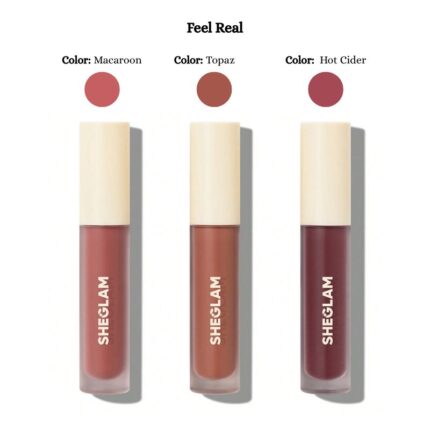 Sale
SaleOriginal price was: ৳ 1,290.00.৳ 990.00Current price is: ৳ 990.00.
View Details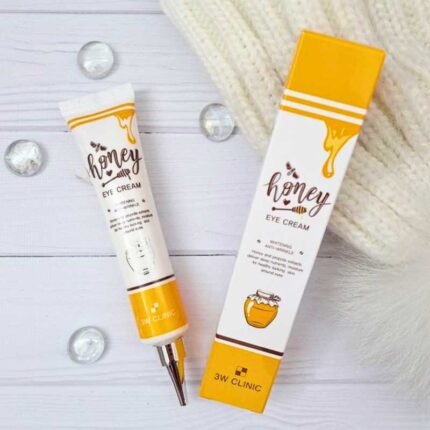 Sale
SaleOriginal price was: ৳ 550.00.৳ 350.00Current price is: ৳ 350.00.
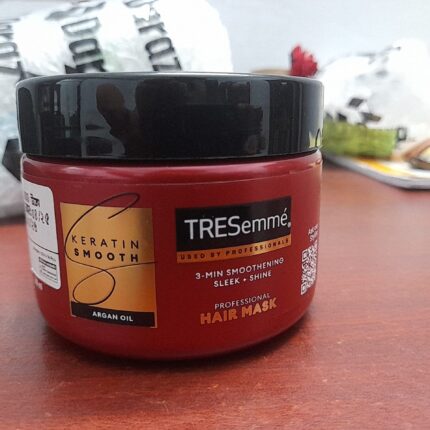 Sale
SaleOriginal price was: ৳ 1,200.00.৳ 950.00Current price is: ৳ 950.00.
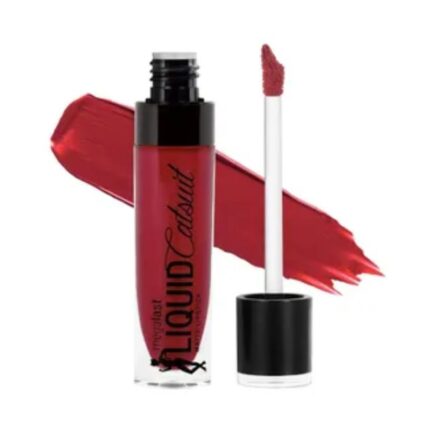 Sale
SaleOriginal price was: ৳ 550.00.৳ 350.00Current price is: ৳ 350.00.
How Diisostearyl Malate Works in Cosmetics
Diisostearyl Malate acts mainly as an emollient and solvent in formulas. It dissolves certain pigments and helps ingredients blend without adding heaviness. Research indicates these esters improve spreadability and sensory profile in finished products.
When in a formula, Diisostearyl Malate creates a thin film that guards against water loss. This film feels non-greasy while still smoothing rough patches. As a result, products feel pleasant to the touch and wear well over time.
Key Benefits for Skin and Hair
Many users like Diisostearyl Malate because it leaves skin soft without a sticky feel. It supports a smooth surface and helps makeup sit evenly, which can improve the look of skin. Studies show users report better texture and perceived hydration with emollient esters in formulas.
Because it blends well with oils and silicones, Diisostearyl Malate helps create a balanced product feel. It can help hair products feel less tacky and add slip for easier combing. For dry lips, the ingredient helps keep moisture in without heavy buildup.
Texture and Finish: A Glossy Texture Compound
Diisostearyl Malate often appears in products described as glossy or satiny because it enhances shine and slip. As a glossy texture compound, it helps create a polished finish on lips and skin. That is why many glosses and balms list it among top ingredients.
Although many compounds add shine, Diisostearyl Malate does so with a lighter feel. That means formulas can look glossy without feeling heavy. Consumers frequently prefer that balance in daily makeup and care items.
Formulation Roles and Common Uses
Cosmetic chemists use Diisostearyl Malate in lipsticks, glosses, creams, sunscreens, and some hair products. It helps dissolve pigments and improves wetting of powders and waxes. Research indicates it can improve product stability when paired with certain oils.
For example, formulators choose Diisostearyl Malate to reduce tack and add shine in lip products. That makes application smoother and color payoff more even. Since it mixes well with many common ingredients, formulators find it versatile and reliable.
Usage Levels and Placement in Formulas
Typical use levels vary by product type and desired feel. Many lip products contain moderate amounts to balance slip and shine. Cosmetic guidelines encourage testing at small scales to confirm sensory and stability outcomes.
Safety, Sensitivity, and Regulatory Notes
Diisostearyl Malate has a long track record in cosmetic products and shows low irritation in general. Studies show that esters of fatty acids typically cause fewer reactions than some solvents. Dermatologists recommend patch testing for people with sensitive skin when trying new products.
Because regulatory bodies review cosmetic ingredients, manufacturers provide safety data for common esters. That means consumers can expect routine checks for safety and purity. If you have specific allergies, check ingredient lists or test a small area before regular use.
How to Spot Diisostearyl Malate on Labels
Look for the name Diisostearyl Malate in the ingredients list when shopping for cosmetics. Ingredients appear in descending order by amount, so placement gives a sense of how much was used. That helps shoppers decide if a product will deliver the texture or finish they want.
When you see Diisostearyl Malate near the top, expect a smooth, glossy feel in the finished product. If it appears near the end, its sensory contribution may be minor. For targeted benefits, read marketing claims and inspect the whole ingredient list.
Choosing Products: What to Look For
Think about the finish you prefer before picking a product with Diisostearyl Malate. If you like glossy finishes without greasiness, this ingredient often supports that feel. For example, choose balms or glosses that list it early for a stronger sensory effect.
While price and brand matter, consider texture and wear in real-world use. Try a sample if possible and evaluate how the product feels after several hours. That approach helps you find formulas that match your routines and preferences.
Comparing Diisostearyl Malate to Other Emollients
Diisostearyl Malate differs from heavy oils like mineral oil because it feels lighter on skin. It also compares favorably to some synthetic esters in terms of spread and gloss. Research indicates that ester-based emollients often provide a balance of feel and performance.
Still, some products use alternatives like triglycerides, silicones, or plant oils. Each offers distinct benefits, such as occlusion, long wear, or natural sourcing. That means choosing a product depends on the finish and skin needs you prioritize.
Emollient Ester Ingredient vs. Silicones
As an emollient ester ingredient, Diisostearyl Malate gives a soft, natural slip without the dry feel of some silicones. Silicones may offer a more powdery finish and longer wear. However, esters often feel creamier and more moisturizing on dry skin.
Eco and Clean Beauty Considerations
Consumers often ask about biodegradability and environmental impact for ingredients like Diisostearyl Malate. Although many esters break down more readily than some synthetic polymers, biodegradability varies by compound. Brands that focus on clean beauty publish sourcing and environmental data for transparency.
Because regulations and standards evolve, check a brand’s sustainability statements when it matters to you. Publicly shared data helps shoppers choose products that match their values. Still, product performance and individual skin response remain key factors.
Practical Tips for Use and Layering
Apply products with Diisostearyl Malate over moisturized skin for best results. That helps the ingredient glide and form a pleasant finish. For lips, apply a thin layer then blot to control shine if you prefer a subtler look.
When layering makeup, let each layer set before adding more product. This prevents pilling and helps the glossy texture compound perform well. If you wear sunscreen beneath makeup, check that your chosen foundation and sunscreen are compatible.
Allergy and Sensitivity Testing
If you have sensitive skin, test a small patch before full application. Dermatologists recommend a 24 to 48 hour patch test for people prone to reactions. That helps spot irritation before it affects a larger area.
Although Diisostearyl Malate has low irritation potential, combined ingredients can cause reactions. Fragrance and preservatives often cause sensitivity more than the ester itself. If a reaction occurs, stop using the product and consult a healthcare professional.
Packaging and Storage Tips
Store products containing Diisostearyl Malate away from extreme heat and direct sunlight. High temperatures can alter texture and stability in some formulas. Keeping products sealed prevents contamination and preserves performance.
For multi-use items, avoid introducing water or dirty fingers into jars. Preservatives protect the formula but do best when contamination is minimized. These steps help maintain product safety and sensory qualities over time.
When to Choose Alternatives
If you prefer matte or oil-free finishes, skip products that highlight glossy textures. Diisostearyl Malate often favors shine, so look for other emollients for a matte feel. Many brands offer formulations without esters for that reason.
For acne-prone skin, check how a product performs in your routine before making it permanent. Some comedo-prone individuals prefer lighter, non-comedogenic formulations. Testing different textures helps find what your skin tolerates best.
Shopping Checklist for Diisostearyl Malate Products
First, read the ingredients list to confirm Diisostearyl Malate presence and position. Second, check the product claims for finish, longevity, and hydration. Third, if possible, test the product on your skin to assess feel and comfort.
Finally, look for transparency in brand ingredient sourcing and testing. Brands that publish safety and stability data often make shopping easier. That means you can pick products that match both your needs and values.
Real-World Performance and Consumer Feedback
Many shoppers report that products with Diisostearyl Malate feel pleasant and improve makeup spread. User reviews often mention less tackiness and a more even color payoff. Studies show sensory experience plays a large role in long-term product satisfaction.
Because perceptions vary by skin type, sample a product to see how it performs for you. For example, a dry-skinned person may love the slip and gloss. Yet someone with oilier skin might prefer lighter finishes.
Formulation Trends and Industry Notes
Formulators continue to favor esters like Diisostearyl Malate when they want a balance of glide and clean finish. Research indicates a steady demand for sensorially pleasing ingredients in cosmetics. Brands often blend esters with oils, waxes, and silicones to tune the final texture.
As a result, you will find the ingredient in both luxury and mass-market products. Manufacturers use it to create consistent feel across product lines. That consistency helps shoppers recognize preferred finishes and brands.
Questions to Ask When Buying
Ask whether the product aims for gloss, hydration, or long wear. If gloss is the priority, Diisostearyl Malate often helps achieve that result. If prolonged oil control is more important, check for formulations focused on mattifying agents.
Also ask about testing for sensitivity and stability. Brands that publish such details show commitment to safety. That makes shopping decisions easier for people with specific concerns.
Frequently Asked Questions
Is Diisostearyl Malate safe for sensitive skin?
Most people tolerate Diisostearyl Malate well, and it has low irritation potential. Dermatologists recommend patch testing if you have known sensitivities. If irritation appears, stop use and seek medical advice.
Will Diisostearyl Malate make my skin oily?
The ingredient adds shine without heavy greasiness for most users. Because it spreads thin, it often feels light rather than oily. However, those with very oily skin may perceive more sheen.
Can Diisostearyl Malate clog pores?
Diisostearyl Malate is not a common comedogen and rarely clogs pores on most skin types. That said, skin response varies and combinations of ingredients can affect outcomes. Test products if you are prone to breakouts.
Does Diisostearyl Malate work in natural or clean formulations?
Some brands include Diisostearyl Malate in formulations that meet clean or green standards depending on sourcing. Because standards differ, check a brand’s certifications. Transparency about sourcing and testing helps shoppers make informed choices.
Final Thoughts
Diisostearyl Malate offers a reliable way to get smooth application and a glossy finish in many cosmetics. For shoppers seeking glide and shine without heaviness, Diisostearyl Malate often delivers that balance. Try a sample when possible and choose products with clear ingredient information for the best results.