
Dicaprylyl Carbonate: Lightweight Emollient Guide

Many shoppers want a moisturizer that feels light and never greasy. Dicaprylyl Carbonate can deliver that dry, silky finish while helping products spread smoothly on skin. It often appears in formulas for daily creams and sunscreens.
What is Dicaprylyl Carbonate?
Dicaprylyl Carbonate is an ester made from caprylic fatty acids and carbonic acid. Cosmetic chemists use it as an emollient to soften skin and improve product texture. Research indicates such esters help reduce the greasy feel of oily formulations.
Because it is a lightweight oil, it acts differently from heavy oils like mineral oil. Dermatologists recommend light esters for people who want hydration without pore-clogging heaviness. This ingredient also helps other actives spread more evenly on skin.
Recommended Products
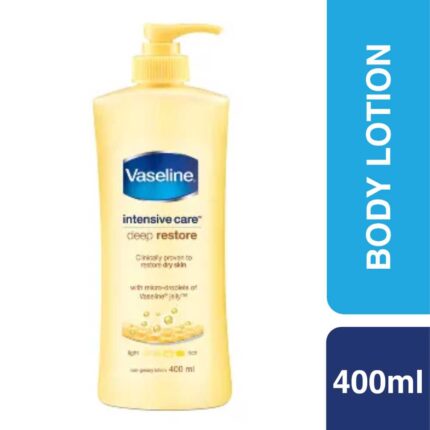 Sale
SaleOriginal price was: ৳ 550.00.৳ 510.00Current price is: ৳ 510.00.
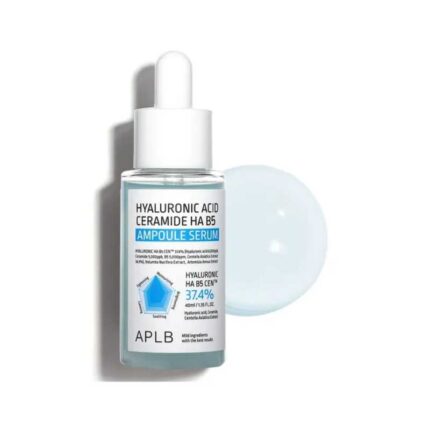 Sale
SaleOriginal price was: ৳ 1,300.00.৳ 910.00Current price is: ৳ 910.00.
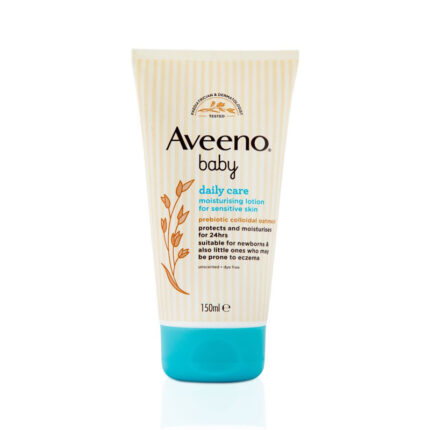 Sale
SaleOriginal price was: ৳ 1,400.00.৳ 890.00Current price is: ৳ 890.00.
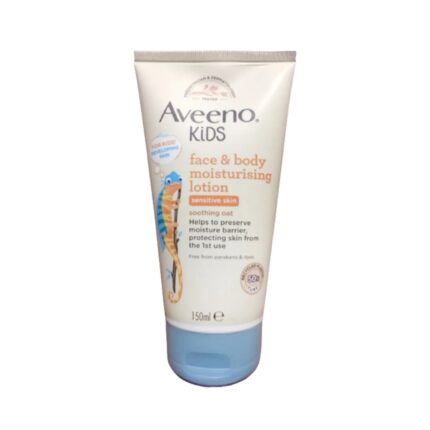 Sale
SaleOriginal price was: ৳ 1,750.00.৳ 1,349.00Current price is: ৳ 1,349.00.
How the ingredient works on skin
When applied, the skin feels smoother because Dicaprylyl Carbonate creates a thin, even film. That film reduces friction and improves glide during application. As a result, creams and serums feel pleasant and easy to rub in.
For example, this compound lowers surface tension, so formulas spread with less drag. This means less product is needed per use. Many formulators choose it to improve sensorial properties.
Why formulators choose it as a fast absorbing emollient ingredient
Formulators pick Dicaprylyl Carbonate when they need a fast absorbing emollient ingredient that leaves a soft finish. Its molecular weight and structure let it disperse quickly into the skin surface. That results in a non-greasy feel immediately after application.
Still, it also helps maintain a protective layer that can reduce moisture loss. Research indicates such esters perform well in oil-in-water emulsions and leave skin comfortable for hours. That balance explains its wide use in lotions and sunscreens.
Benefits for different skin types
Dry skin can enjoy the silky feel without heavy oils that sit on the surface. Dicaprylyl Carbonate provides slip and smoothness while allowing the skin to breathe. Many users report less tacky residue after use.
Oily skin types often avoid thick emollients, yet they need barrier support. Because this ester absorbs quickly, it works for oily skin without adding shine. Clinical guidance from dermatologists supports choosing light emollients for oil-prone skin when hydration is needed.
Sensitive skin often reacts to fragrances and harsh preservatives, not to simple esters. Still, patch testing new products is wise. If redness appears, stop use and consult a skin care professional.
How Dicaprylyl Carbonate improves product performance
Manufacturers add it to help active ingredients feel better on the skin. For example, vitamin C serums and retinoid creams can feel sticky without a light ester. Adding Dicaprylyl Carbonate reduces tack and improves spreadability.
Also, this ester can enhance the finish of sunscreens by reducing white cast. That is why many modern SPF lotions include it. Research indicates a better sensory profile increases user compliance with daily sun protection.
Use in different product types
Skincare items that commonly include this ingredient are lotions, creams, serums, and sunscreens. It is useful in both leave-on and rinse-off formulas. Formulators rely on it to balance feel, spread, and visual finish.
Makeup products such as primers and foundations can include it to help pigments spread evenly. That creates a smoother base and faster drying time. Consumers who wear makeup notice a lighter, less oily feel.
Safety, irritation risk, and regulatory status
Dicaprylyl Carbonate is considered low risk for irritation when used at typical cosmetic levels. Studies show that simple esters usually have low sensitization potential. Dermatologists often list it as a gentle option compared to stronger solvents.
Still, individual reactions can occur with any ingredient. If you have reactive skin, check product labels and perform a small patch test before regular use. Manufacturers follow cosmetic regulations to ensure safe concentrations in finished products.
Environmental and sourcing notes
The ingredient is often derived from plant-based fatty acids, yet production methods vary by supplier. Some brands highlight renewable feedstocks and responsible sourcing. Consumers who prefer greener options should look for brand transparency on sourcing and manufacturing.
Research indicates many esters biodegrade reasonably well compared with synthetic polymers. That said, environmental impact depends on production and disposal at scale. When choosing products, consider both ingredient function and brand sustainability claims.
Comparing Dicaprylyl Carbonate to other emollients
When you compare it to heavier oils, the difference is clear: it sits lighter on skin. Caprylic triglycerides and certain silicones add weight or a filmier feel. Dicaprylyl Carbonate often wins when the goal is a fast-drying, dry finish.
That dry finish explains why formulators describe it as a dry touch compound in some product notes. The phrase dry touch compound refers to ingredients that reduce surface tack and give a powdery or matte feel. This compound works well in oil control and cosmetic bases.
Versus caprylic/capric triglyceride
Caprylic/capric triglyceride feels slightly richer and may leave more residue. By contrast, Dicaprylyl Carbonate evaporates or absorbs faster, so the skin feels less oily. That makes it preferable in light lotions and daytime products.
Versus silicones
Silicones provide smooth glide and long-lasting slip, but some consumers avoid them. Dicaprylyl Carbonate gives similar glide with a more natural feel. For those seeking silicone-free formulas, this ester often acts as a good substitute.
How to read labels and pick the right product
Look for Dicaprylyl Carbonate near the top of the ingredient list if you want a noticeable effect. Ingredient lists order components by concentration, so early placement means more of the ingredient is present. That simple rule helps shoppers compare similar products.
If you want fast absorption, combine this ingredient with lightweight humectants such as glycerin. That pairing balances immediate slip with longer-term hydration. Try a sample to feel the texture before committing to full-size products.
Formulation tips for product lovers
When testing at home, apply a small drop to the back of the hand to check spread and finish. That test shows whether the formula delivers the expected dry, silky feel. Many people try the test near the wrist where skin reacts similarly to the face.
Because Dicaprylyl Carbonate helps reduce tack, it often pairs well with makeup. Applying a moisturizer with this ester before foundation can create a smooth canvas. For best results, allow a minute for the product to settle before applying tinted formulas.
Real-world examples of performance
Users often report that creams with this ester feel light and non-greasy after several uses. That consistent feedback appears across many product reviews. Research and user reports both suggest improved skin comfort increases regular use of moisturizers.
For example, people who wear sunscreen daily tend to prefer lotions that dry quickly. This ester helps create that dry finish, making reapplication less bothersome. That makes it popular in travel and daily-care sunscreens.
Common myths and truths
Myth: all light-feeling ingredients clog pores. Truth: this ester has a low comedogenic profile and rarely causes breakouts. Research indicates comedogenic risk depends on the whole formulation, not a single ingredient.
Myth: “natural” means better for every skin type. Truth: skin reacts to chemistry, not labels. Some natural oils can irritate sensitive skin, while plant-derived esters like this one often perform well across skin types.
Questions about concentration and formula role
Typical formulas use Dicaprylyl Carbonate at levels that provide sensory benefits without overpowering the product. Cosmetic scientists tweak concentration to balance feel, spread, and the effort to carry other actives. That flexibility explains its presence in many categories.
Some leave-on products use it at higher levels for a pronounced dry touch. Other products include smaller amounts to adjust slip and spread. Always review the full ingredient list to see what else the formula contains.
Label terms and synonyms
On a label, you may see Dicaprylyl Carbonate listed exactly or under INCI naming. That INCI name is the standard for ingredient lists in many regions. Learning common label terms helps shoppers spot it more easily.
Other related names or descriptors may appear in product marketing, such as “lightweight emollient” or “non-greasy ester.” Those phrases can flag similar functional ingredients. If you prefer a specific finish, check both the ingredient list and marketing claims.
How it interacts with other skincare actives
Pairing Dicaprylyl Carbonate with potent actives like retinoids can improve tolerance by smoothing application. The ester helps dilute the feel of stronger ingredients so they spread without irritation. That can increase the chance of consistent use.
When combined with antioxidants, it helps deliver those actives evenly across the skin surface. Research indicates even distribution of actives improves efficacy. For this reason, many antioxidant serums include a light ester as a carrier.
DIY considerations and home use
Making products at home requires care and precise measurements, especially with esters. Cosmetic esters can change texture and stability if used improperly. If you make DIY skincare, follow tested recipes and measure ingredients accurately.
Instead of adding raw esters at home, beginners often choose ready-made products that include them in balanced formulations. That reduces the risk of instability or separation. Also, proper preservation matters for water-based DIY products.
Tips for travel and seasonal use
Because it dries quickly, products with Dicaprylyl Carbonate perform well in humid climates. They provide moisture without adding weight during hot months. Travelers often pack lightweight lotions with this ingredient for comfort on the go.
In winter, pair light esters with richer occlusives at night. That layered approach gives daytime a fresh feel while night routines build barrier repair. Seasonal adjustments can help maintain consistent hydration year-round.
Price and availability
Many mainstream brands use this ester, so you can find it across price points. Boutique and mass-market products alike employ it to refine texture. Price differences often reflect brand positioning, packaging, and additional actives rather than the ester itself.
If you care about sourcing, look for brands that disclose supplier information. That transparency helps shoppers who prioritize sustainable practices. Still, ingredient function remains the key factor for most users.
Environmental footprint and biodegradability
Biodegradability of esters varies, but many simple cosmetic esters break down more readily than complex synthetics. Research indicates that compounds derived from natural fatty acids often show reasonable biodegradation. Brands reporting lifecycle studies can offer better insight into environmental impact.
Manufacturers working on greener formulas may favor esters like this one when sourcing aligns with lower-impact options. Consumers who want to reduce plastic waste should combine ingredient choices with packaging decisions. That dual approach yields better environmental gains.
Signs a product contains the ingredient
If a moisturizer dries to a silky, non-shiny finish, it likely contains a dry-feel ester. Products that spread easily and leave little residue are good clues. Testing a sample on the back of your hand reveals texture quickly.
Also, look for descriptors such as “lightweight,” “silky,” or “non-greasy” on packaging. While marketing alone is not definitive, these terms often signal sensory design choices. Pair those cues with the ingredient list for confirmation.
Where to look in product lines
Daily moisturizers, leave-on sunscreens, primers, and lightweight body lotions often include this ester. Skincare lines that focus on fast absorption commonly add it to core formulas. If you want a smooth makeup base, check primers and hydrating serums first.
Remember that the ester is one part of a formula, so expect varying results across brands. Sampling products remains the best way to confirm how your skin reacts. Trial sizes and testers reduce waste and help you pick the right routine.
Expert tips from formulators and dermatologists
Formulators often recommend pairing this ester with humectants and barrier-repair ingredients for balanced care. That mix gives immediate sensory benefits while improving hydration over time. Dermatologists recommend this approach for clients who dislike heavy oils.
When switching products, introduce a new item gradually to observe skin response. That method helps identify any irritation and confirms compatibility with your routine. Quick patch tests help avoid surprises when trying a new formula.
Signs of product incompatibility
If redness or itching appears after using a product, stop use and monitor the skin. Though the ester rarely causes irritation on its own, formulations include many components. Identifying the cause requires removing the product and testing alternatives.
For persistent problems, consult a dermatologist. A professional can run patch tests and recommend suitable replacements. That step is essential for chronic or severe reactions.
What reviewers say
Many user reviews highlight the fast-drying, non-greasy finish as the main advantage. People who wear makeup report smoother foundation application. That feedback aligns with formulators’ goals for sensory performance.
Some reviewers still prefer richer creams at night, but they use lightweight esters in daytime products. This pattern reflects practical skincare needs. Match product texture to routine time for best results.
Future trends and innovation
Developers continue to explore plant-derived esters and novel blends that mimic silicone performance. Consumers ask for clean-label, lightweight options, and the industry responds. Research indicates demand for ingredients that balance natural sourcing with high performance.
That trend means expect more hybrid formulas that combine esters with bio-based polymers. These blends aim to improve feel, longevity, and environmental footprint. Watch brand claims and ingredient lists to spot new developments.
Frequently Asked Questions
Is Dicaprylyl Carbonate safe for daily use?
Yes, it is generally safe when used as intended in skincare products. Dermatologists view it as a low-risk emollient that rarely causes irritation. Still, do a patch test if you have very sensitive skin.
Will it clog my pores or cause acne?
Most evidence shows it has a low comedogenic potential and rarely causes breakouts. Acne risk depends on the full formulation and individual skin type. If you have acne-prone skin, choose non-comedogenic labeled products and monitor results.
Can I use products with it under makeup?
Yes, it often makes a good base for makeup by improving spread and reducing tack. It helps foundation glide and feel lighter on the skin. Allow a brief settling time before applying makeup for best finish.
Is it the same as silicones?
No, it is a different class of ester that produces a light, natural finish rather than a silicone feel. Some users prefer it as a silicone alternative in formulations. Both can improve sensory properties, but they act differently on skin.
Final Thoughts
The single most important point is that Dicaprylyl Carbonate offers a lightweight, dry-feeling option for moisturizers and makeup bases. Choose products that list it early in the ingredient list if you want a noticeable silky finish. Try a sample to confirm how the product works with your skin and pick a routine that matches your texture preference.