
Citric Acid: Unveiling Its Power in Skincare, Food & More

From the zest of citrus fruits to its widespread application across various industries, Citric Acid stands as a ubiquitous and incredibly versatile organic compound. This naturally occurring alpha hydroxy acid (AHA ingredient) plays a pivotal role in countless aspects of our daily lives, often without us even realizing it. Whether it’s enhancing the flavor of our favorite foods, acting as a crucial preservative, or revolutionizing skincare as an exfoliating acid, understanding citric acid unveils a world of fascinating chemistry and practical utility. This comprehensive guide will explore the origins, diverse applications, and profound impact of citric acid, empowering you with knowledge about one of nature’s most effective and adaptable molecules.
The Natural Origins and Chemical Identity of Citric Acid
Citric acid, scientifically known as 2-hydroxypropane-1,2,3-tricarboxylic acid, is a weak organic acid found naturally in citrus fruits like lemons, limes, oranges, and grapefruits, where it can constitute as much as 8% of the dry weight. Its presence is what gives these fruits their characteristic tart and sour taste. Beyond citrus, smaller quantities are also present in other fruits and vegetables, including berries, tomatoes, and certain wines. Biologically, citric acid is a key intermediate in the citric acid cycle (Krebs cycle), a metabolic pathway central to all aerobic organisms, responsible for generating energy from carbohydrates, fats, and proteins.
Commercially, the production of citric acid moved from extraction from citrus fruits to fermentation in the early 20th century. The most common method today involves the fermentation of sucrose or glucose by the fungus Aspergillus niger. This biotechnological approach allows for large-scale, cost-effective production, meeting the high demand for this essential compound across numerous sectors.
- Natural Occurrence: Predominantly in citrus fruits (lemons, limes, oranges).
- Commercial Production: Primarily through fermentation using Aspergillus niger.
- Chemical Structure: A tricarboxylic acid, contributing to its strong chelating properties.
Recommended Products
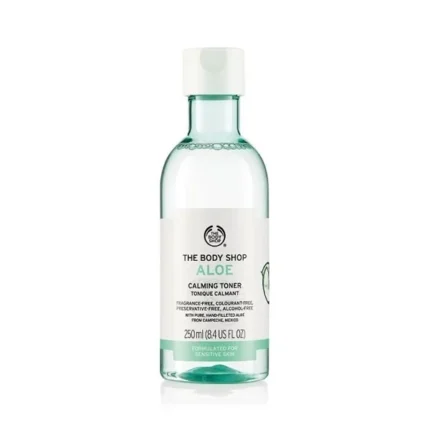 Sale
SaleOriginal price was: ৳ 1,350.00.৳ 1,190.00Current price is: ৳ 1,190.00.
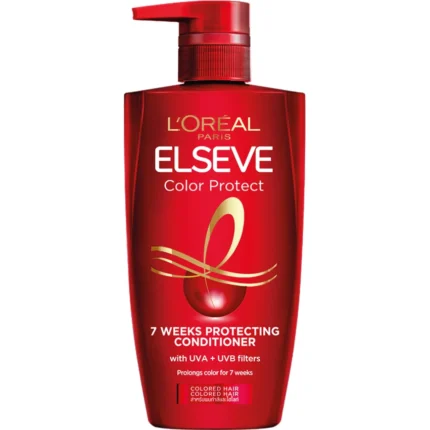 Sale
SaleOriginal price was: ৳ 1,700.00.৳ 1,250.00Current price is: ৳ 1,250.00.
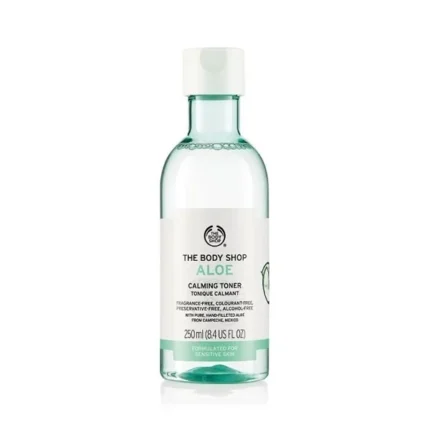 Sale
SaleOriginal price was: ৳ 1,900.00.৳ 1,300.00Current price is: ৳ 1,300.00.

৳ 10,470.00
Citric Acid in the Culinary World: Flavor, Preservation, and Beyond
The food and beverage industry represents one of the largest consumers of citric acid, leveraging its distinct properties for a multitude of functions. Its sharp, sour taste makes it an excellent natural flavoring agent, enhancing the tanginess in soft drinks, candies, jams, and various processed foods. As a pH balancing acid, it helps regulate acidity levels, which is crucial for achieving desired flavors and textures in many products.
Beyond taste, citric acid is a powerful natural preservative. By lowering the pH of food products, it creates an acidic environment that inhibits the growth of bacteria, molds, and yeasts, thereby extending shelf life. This is particularly valuable in canned goods, fruit preserves, and certain dairy products. Furthermore, its chelating properties allow it to bind to metal ions, preventing oxidative spoilage and maintaining the color and freshness of fruits and vegetables after processing.
Flavor Enhancement and Acidity Regulation
In beverages, citric acid provides a refreshing tartness that balances sweetness, making drinks more palatable. In confectionery, it delivers a burst of sour flavor that is highly prized. Bakers often use it to activate baking soda, contributing to leavening. Its role as a pH balancing acid is critical in ensuring product stability and safety, particularly in formulations where precise acidity is required for optimal quality.
Natural Preservative and Antioxidant
The ability of citric acid to chelate metal ions is also important for its antioxidant effect. By sequestering metal ions that catalyze oxidation reactions, it helps prevent the discoloration of fruits and vegetables and the rancidity of fats. This dual action as an acidulant and chelator makes it an indispensable ingredient for extending the freshness and visual appeal of countless food items.
Revolutionizing Skincare: Citric Acid as an AHA Ingredient
In the realm of personal care, particularly skincare, citric acid has emerged as a powerhouse ingredient, primarily recognized as an AHA ingredient (Alpha Hydroxy Acid). AHAs are a group of natural acids often found in fruits that work by loosening the bonds between dead skin cells, promoting exfoliation and revealing brighter, smoother skin underneath. Citric acid, specifically, contributes significantly to what is known as exfoliating acid skincare.
The benefits of incorporating citric acid into skincare routines are extensive. It aids in improving skin texture, reducing the appearance of fine lines and wrinkles, and promoting a more even skin tone. As an exfoliating acid skincare ingredient, it gently removes the outermost layer of dead cells, preventing clogged pores and facilitating the absorption of other active ingredients. Its role as a pH balancing acid is also vital in skincare formulations, ensuring products maintain an optimal pH level to be effective and non-irritating to the skin.
Exfoliating Acid Skincare: Unlocking Brighter Skin
The primary function of citric acid in skincare is its exfoliating action. Unlike harsher physical exfoliants, chemical exfoliants like citric acid work by dissolving the cellular glue that holds dead skin cells together. This process, often referred to as chemical exfoliation, is gentler yet highly effective in promoting cell turnover. Regular use of products containing this exfoliating acid skincare ingredient can lead to a significant improvement in skin radiance, clarity, and smoothness.
When dead skin cells accumulate on the surface, they can make the skin appear dull, rough, and contribute to issues like acne and hyperpigmentation. By facilitating their removal, citric acid helps to unclog pores, reduce blackheads and whiteheads, and minimize the likelihood of breakouts. This makes it a valuable component in treatments targeting acne-prone skin and those looking to achieve a refined skin texture.
pH Balancing Acid: Optimizing Skincare Formulations
The effectiveness and safety of skincare products are heavily influenced by their pH level. Human skin naturally has an acidic mantle with a pH typically between 4.5 and 5.5. Products that are too alkaline can disrupt this barrier, leading to irritation, dryness, and increased sensitivity. Conversely, products that are too acidic can also cause issues. Citric acid acts as an excellent pH balancing acid, helping formulators adjust and maintain the pH of creams, lotions, and cleansers to be compatible with the skin’s natural acidity.
Maintaining the correct pH not only ensures product stability and efficacy but also minimizes the potential for adverse reactions. For instance, many active ingredients, such as vitamin C and retinoids, perform optimally within specific pH ranges. Citric acid’s ability to fine-tune these levels is invaluable, ensuring that consumers receive the full benefits of their skincare investments without compromising skin health.
Addressing Specific Skin Concerns with Citric Acid
Beyond general exfoliation and pH adjustment, citric acid shows promise in targeting several specific skin concerns:
- Hyperpigmentation: By promoting cellular turnover, it can help diminish the appearance of dark spots, sun spots, and post-inflammatory hyperpigmentation, leading to a more uniform skin tone.
- Anti-Aging: Its exfoliating properties contribute to reducing the visibility of fine lines and superficial wrinkles, lending a smoother, more youthful complexion.
- Acne Management: Unclogging pores and reducing dead skin cell buildup can significantly help in preventing and managing various forms of acne.
- Enhancing Product Penetration: By removing the barrier of dead skin cells, citric acid can improve the penetration and effectiveness of other beneficial ingredients like serums and moisturizers.
Industrial Applications of Citric Acid: Cleaning and Beyond
The utility of citric acid extends far beyond food and skincare, making a significant impact in various industrial applications. Its chelating properties, acidity, and biodegradability make it an attractive alternative to harsher chemicals in many contexts.
In cleaning products, citric acid serves as an effective descaler and limescale remover, commonly found in bathroom cleaners, kitchen descalers, and dishwasher detergents. It reacts with mineral deposits like calcium and magnesium, breaking them down into soluble compounds that can be easily rinsed away. Its non-toxic and biodegradable nature makes it a more environmentally friendly option compared to many synthetic cleaning agents.
Furthermore, citric acid is used in pharmaceuticals as a stabilizer and preservative, and in the textile industry as a non-toxic mordant to improve dye adherence. It also plays a role in water treatment, where it can be used to soften water and remove heavy metals. Its versatility underscores its importance as a fundamental chemical in modern industry.
Eco-Friendly Cleaning Solutions
Many consumers are seeking greener alternatives for household cleaning. Citric acid shines in this regard, offering powerful cleaning capabilities without the harsh fumes or environmental impact of stronger acids. It effectively tackles soap scum, hard water stains, and rust, proving its efficacy in maintaining a clean home while being safer for families and the planet.
- Descaling: Removes mineral buildup in kettles, coffee makers, and appliances.
- Rust Removal: Can dissolve light rust stains on various surfaces.
- Bathroom Cleaner: Effective against soap scum and hard water rings.
Health Considerations and Safe Usage of Citric Acid
While generally recognized as safe (GRAS) by regulatory bodies for food and cosmetic use, understanding the potential health considerations and proper usage of citric acid is important. In its concentrated form, it can be an irritant, particularly to eyes and skin, and should be handled with care. In food, excessive consumption can sometimes lead to stomach upset for sensitive individuals, though this is rare in typical dietary intake.
When used in skincare, concentrations of citric acid are carefully formulated to provide benefits without causing excessive irritation. However, individuals with very sensitive skin or certain skin conditions should introduce new AHA products gradually and patch test first. Always follow product instructions and consider consulting a dermatologist if you have concerns.
Potential Side Effects and Precautions
For most people, products containing citric acid are well-tolerated. However, potential side effects, especially with higher concentrations or improper use, can include:
- Skin Irritation: Redness, stinging, or burning sensation, particularly when first starting an exfoliating acid skincare product.
- Increased Sun Sensitivity: AHAs can make the skin more susceptible to sun damage, necessitating diligent sunscreen use.
- Digestive Issues: Rare, but very high intake in foods might cause mild digestive discomfort.
Always use products as directed. If experiencing significant irritation, discontinue use and consult a healthcare professional. Wearing broad-spectrum sunscreen daily is crucial when using any AHA ingredient.
Frequently Asked Questions
What is the primary function of citric acid in food?
Citric acid primarily functions as a flavor enhancer, providing a sour taste, and as a natural preservative by lowering pH and chelating metal ions to prevent spoilage.
Is citric acid safe for all skin types?
While generally safe, individuals with very sensitive skin should introduce products containing this AHA ingredient gradually and perform a patch test due to its exfoliating properties. Always follow product guidelines.
How does citric acid act as an exfoliating acid in skincare?
As an exfoliating acid skincare ingredient, citric acid works by dissolving the “glue” that holds dead skin cells together on the skin’s surface, promoting their gentle removal and revealing brighter, smoother skin underneath.
Can citric acid help with acne?
Yes, by promoting exfoliation and preventing the buildup of dead skin cells that can clog pores, citric acid can be a beneficial component in managing and preventing acne breakouts.
Where can I find citric acid in common household products?
Aside from food and skincare, citric acid is commonly found in household cleaning products, particularly descalers, bathroom cleaners, and dishwasher detergents, due to its ability to break down mineral deposits and act as a pH balancing acid.
Is citric acid natural or synthetic?
Citric acid occurs naturally in citrus fruits. While it can be extracted from these sources, most commercial citric acid is produced through a natural fermentation process using fungi, making it bio-derived rather than purely synthetic.
Conclusion
From its humble origins in vibrant citrus groves to its indispensable roles across diverse industries, Citric Acid stands as a testament to nature’s profound chemical ingenuity. This powerful yet gentle compound serves as a critical AHA ingredient in revolutionary skincare formulations, offering effective exfoliating acid skincare benefits and acting as a vital pH balancing acid. In the culinary world, it enriches flavors and extends shelf life, while in industrial settings, it provides environmentally conscious cleaning and stabilization solutions. Understanding the multifaceted applications of citric acid allows us to appreciate its pervasive influence and harness its benefits safely and effectively, underscoring its status as an truly essential ingredient in modern life.