

Does your lotion feel greasy or drag when you spread it? Many shoppers want a smooth, non-greasy finish and fast spread, which is where Cetyl Palmitate helps. This common cosmetic ester shows up in many creams and balms to improve feel and performance.
What is Cetyl Palmitate?
Cetyl Palmitate is an ester made from cetyl alcohol and palmitic acid. As a result, it acts like a waxy emollient ingredient that firms texture and adds slip to formulas. Manufacturers often pick it for its mild feel and stable performance in room temperature products.
For example, Cetyl Palmitate melts near skin temperature and blends easily with oils and waxes. Studies show it is widely used across facial creams, body lotions, lipsticks, and ointments. That is why you will see it listed on many ingredient panels under the INCI name.
Recommended Products
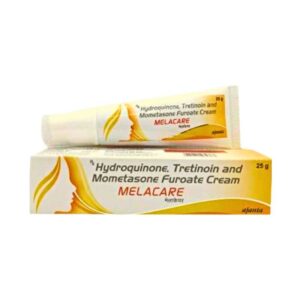
Melacare Cream For Face Melasma Hyperpigmentation, Dark spots, Skin Wrinkles Remove 25 gm
৳ 520.00
View Details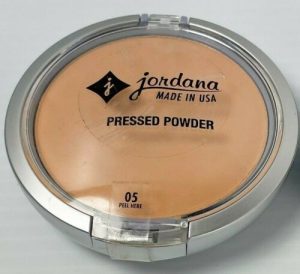
Jordana Pressed Powder – 05 Classic Sand
Original price was: ৳ 720.00.৳ 650.00Current price is: ৳ 650.00.
View Details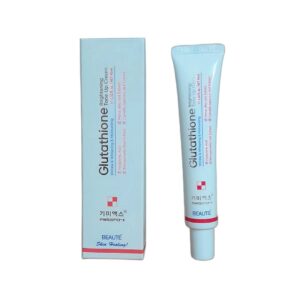
3W CLINIC Beaute Glutathione Brightening Tone Up Cream 45ml
Original price was: ৳ 1,250.00.৳ 950.00Current price is: ৳ 950.00.
View Details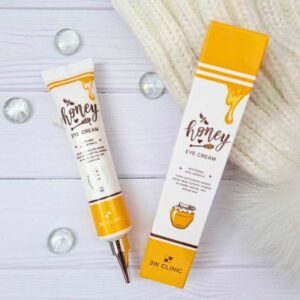
3W Clinic Honey Eye Cream- 40ml
Original price was: ৳ 550.00.৳ 350.00Current price is: ৳ 350.00.
View Details
La Femme HD Foundation Ciema & TV Sweatproof – Honey
Original price was: ৳ 850.00.৳ 630.00Current price is: ৳ 630.00.
View DetailsHow Cetyl Palmitate Works on Skin
When applied, Cetyl Palmitate forms a light, protective layer that helps reduce moisture loss. Dermatologists recommend mild emollients for dry skin because they ease tightness and roughness without heavy occlusion. Research indicates that low-irritant esters like this one perform well in many topical products.
Emollient action
Because Cetyl Palmitate smooths the outer skin layer, skin surface feels softer and less flaky. The molecule fills gaps between skin cells, which improves pliability and the look of fine dry areas. Users often report immediate sensory benefits after a single application.
Texture and spreadability
Cetyl Palmitate acts as a texture improving compound that boosts spread and slip. As a result, less product is needed to cover large areas and formulas feel more luxurious. Cosmetic chemists use this trait to balance heavier oils and give products a pleasant glide.
Compatibility and stability
Cetyl Palmitate blends well with oils, other waxes, and common emulsifiers. Still, formulators test compatibility with fragrances and active ingredients to avoid separation. That means finished products usually maintain a smooth, uniform texture over shelf life.
Benefits for Cosmetic Products
Products gain a silkier feel and improved aesthetics when Cetyl Palmitate is included. Because it refines texture, it helps creams sit smoothly on skin without leaving a heavy residue. Many brands use it to give premium textures at moderate cost.
For example, hand creams and body butters benefit from added slip and faster absorption. Research indicates that esters like Cetyl Palmitate reduce tackiness while maintaining emollience. That is why it appears in both mass-market and higher-end formulations.
Why Formulators Choose Cetyl Palmitate
Formulators often pick Cetyl Palmitate to control viscosity and mouthfeel in lotions. It acts as a waxy emollient ingredient that improves structural stability and sensory profile. Because it is versatile, it works well across oil-in-water and water-in-oil systems.
When combined with humectants like glycerin, Cetyl Palmitate enhances overall skin feel without adding grease. That means products can provide moisture plus a pleasant touch. Consumers notice this in lightweight daily moisturizers and richer night creams alike.
Common Uses and Product Types
Cetyl Palmitate shows up in a wide range of personal care items. It appears in lip products to add slip and shape, and in balms to thicken without stiffness. Manufacturers also include it in sunscreen creams because it helps spread actives evenly over skin.
Body lotions, facial moisturizers, and cleansing balms also use Cetyl Palmitate for better feel and stability. Since it melts smoothly, it improves rub-in and avoids chalky residues. That helps consumers enjoy immediate comfort after application.
Concentration and Typical Levels
Typical formulations use Cetyl Palmitate at low to moderate levels for sensory effect. Formulators often trial concentrations to balance texture and spreadability. Results depend on the whole formula, so testing ensures the right finish for each product.
Although exact percentages vary, many everyday products include it at levels that produce clear textural changes. Studies show that small changes in emollient levels can alter sensory perception significantly. Therefore, product labs fine-tune ratios to meet target feel and performance.
Safety and Allergy Considerations
Most users tolerate Cetyl Palmitate well and it rarely causes irritation at normal cosmetic levels. Dermatologists report few allergic reactions to simple esters compared with complex fragrance compounds. However, anyone with sensitive skin should patch-test new products first.
Still, individuals with known sensitivities to fatty alcohols or palmitic derivatives should check labels carefully. That means reading the ingredient panel when the skin reacts to a product. If redness or itching occurs, stop use and seek advice from a healthcare provider.
Regulatory and Research Notes
Regulatory bodies treat many simple esters as safe when used in cosmetic concentrations. Research indicates low irritancy and good stability for commonly used esters. That supports their widespread use in rinse-off and leave-on products alike.
For example, formulators reference cosmetic safety reviews and industry guidance when choosing emollients. This helps ensure consumer safety without overestimating benefits. Manufacturers still run stability and skin-compatibility tests before launching products.
How to Spot Cetyl Palmitate on Labels
Look for the INCI name “Cetyl Palmitate” in the ingredient list to find it. Ingredients usually appear in descending order by concentration, so placement can hint at how much is present. That helps shoppers decide whether a product emphasizes texture and emollience.
Because it has a clear, standard name, you will not find many alternate labels for Cetyl Palmitate. That makes it easy to identify across brands and product categories. As a result, shoppers can compare texture claims by scanning ingredient panels.
Pairing with Other Ingredients
Cetyl Palmitate works best with a mix of oils, emulsifiers, and active agents. When paired with humectants, it enhances softness without blocking moisture. Cosmetic chemists often match it with lightweight esters to achieve a balanced finish.
For stronger hold and structure, formulators sometimes add higher-melting waxes with Cetyl Palmitate. This creates more body in balms and stick products. That means texture can range from fluid to solid, depending on the combination chosen.
Formulating Tips and Alternatives
If you make DIY skincare, small amounts of Cetyl Palmitate can improve consistency. Start with a low percentage and adjust for desired glide and thickness. That helps avoid overly waxy results and keeps the product pleasant to use.
Alternatives include cetyl alcohol, cetearyl alcohol, and other fatty esters that also act as texture improving compounds. Each alternative brings subtle differences in feel and stability. Therefore, choosing the right substitute depends on the product goal and skin type being targeted.
Performance in Different Climates
Cetyl Palmitate helps formulas remain stable in warm and cool conditions because of its melting behavior. In humid climates, it can reduce tack and improve perception of dryness. Conversely, in cold climates it adds body so products do not thin out too much.
That means product designers consider local climate when specifying emollient blends. For example, brands sell lighter textures for hot regions and richer textures for colder places. This approach keeps performance consistent across markets.
Common Myths and Misconceptions
Some shoppers assume all waxy ingredients clog pores, but that is not always true. Cetyl Palmitate has a light profile and rarely acts as a heavy occlusive. Research indicates that comedogenic potential varies with formulation and skin type rather than with one ingredient alone.
Yet, people with acne-prone skin may prefer lighter, non-comedogenic options and should trial products carefully. That is why patch testing and sample sizes can help avoid unwanted breakouts. Listen to your skin and adjust products over time.
Environmental and Sourcing Notes
Cetyl Palmitate can be derived from plant or synthetic sources depending on manufacturer choices. Brands often describe sourcing practices on packaging or in product literature. Consumers who prioritize plant-based options should check claims and certifications closely.
Because sourcing affects sustainability narratives, some companies choose certified feedstocks for marketing and traceability. That means shoppers can select products that align with their environmental values. Still, certification details vary by brand and region.
Practical Tips for Shoppers
When shopping, test how a product feels on a small skin area before committing to a full-size purchase. That way you can evaluate spread, absorbency, and any mild reactions. Additionally, read the full ingredient list if you have known sensitivities.
For everyday use, choose products that combine Cetyl Palmitate with humectants and antioxidants for balanced care. Consumers often get the best results from consistent daily use rather than occasional application. That is why routine matters more than one-off treatments.
How Cetyl Palmitate Helps in Makeup
In color cosmetics, Cetyl Palmitate improves texture and transfer resistance. It helps powders adhere in creamy formats and adds slip to lipsticks. Makeup formulators use it to enhance application and feel without heavy residue.
As a texture improving compound, it supports uniform pigment release and smooth finish across many shades. That gives makeup a refined, professional impression when worn. Consumers notice less drag and better blending during application.
Storage and Shelf Life Considerations
Products that contain Cetyl Palmitate usually store well at typical room temperatures. Manufacturers test for phase separation and rancidity to set shelf life limits. That ensures consumers receive stable, pleasant-feeling products for regular use.
To prolong product life, store lotions away from direct sunlight and high heat. This simple step helps maintain texture and performance. Also, avoid contaminating jars with wet fingers to reduce microbial risk.
Cost and Market Positioning
Cetyl Palmitate is cost-effective relative to many specialty esters, so it is popular across price ranges. Brands use it to add perceived luxury without high raw material costs. As a result, shoppers find it in both budget and premium product lines.
Because it balances price and performance, companies can hit desired texture targets without overspending. That benefits consumers who want quality feel without steep prices. The ingredient helps deliver value across categories.
Questions to Ask Before Buying
Check if the product lists Cetyl Palmitate near the top of the ingredient list to gauge concentration. Ask whether the formula suits your skin type, especially if you are oily or acne-prone. Also, consider whether the product mix includes humectants when you need hydration as well as emollience.
Trying a sample or reading user reviews can reveal real-world performance for similar skin types. That feedback helps predict how the product will behave day-to-day. Make small changes and monitor skin response to find the best match.
Frequently Asked Questions
Is Cetyl Palmitate safe for sensitive skin?
Most people tolerate Cetyl Palmitate well and it rarely irritates at normal cosmetic levels. However, if you have sensitive skin, perform a patch test before full use. Stop use if you notice persistent redness or itching and consult a professional.
Does Cetyl Palmitate clog pores?
Cetyl Palmitate has a light, waxy feel and usually does not clog pores on most skin types. Comedogenic risk depends more on the complete formula and individual skin response. If you are acne-prone, choose lightweight, non-greasy formulas and monitor your skin.
Can I find Cetyl Palmitate in lip products?
Yes, Cetyl Palmitate commonly appears in lip balms and lipsticks to add smoothness and shape. It improves glide and helps pigments distribute evenly. Expect a pleasant, non-sticky feel in well-formulated lip products.
What are good alternatives to Cetyl Palmitate?
Alternatives include cetyl alcohol, cetearyl alcohol, and other fatty esters that act as texture improving compounds. Each alternative changes feel and structure slightly, so choice depends on the desired finish. Test options to match your formula goals.
Final Thoughts
For shoppers seeking a pleasant-feeling moisturizer or balm, Cetyl Palmitate often delivers the silky texture and better spread they want. Try products that pair it with humectants for balanced hydration and test on your skin first. If you want smoother application and a light protective feel, choose products containing Cetyl Palmitate and adjust based on your skin’s response.