
Ceramide: The Ultimate Guide to Skin Barrier Repair

Imagine your skin as a magnificent fortress, constantly defending against external threats while preserving precious internal resources. At the heart of this formidable defense mechanism lies ceramide, a superstar lipid crucial for maintaining the skin’s integrity and function. These waxy lipid molecules act as the “mortar” between your skin cells, forming a robust, impermeable barrier that locks in moisture and keeps irritants out. Without adequate levels of this essential skin barrier ingredient, your skin’s protective shield weakens, leading to dryness, sensitivity, irritation, and a host of other dermatological concerns. Understanding the profound role of ceramides empowers you to make informed decisions about your skincare, paving the way for a healthier, more resilient complexion. This comprehensive guide delves into everything you need to know about ceramides, from their biological function to how you can harness their power for optimal barrier repair and a radiant glow.
Understanding Ceramides: The Unsung Heroes of Your Skin
Ceramides are naturally occurring lipids that constitute over 50% of the skin’s epidermal layer, specifically within the stratum corneum, the outermost layer. They are not a single molecule but a family of nine distinct types, each playing a vital, albeit slightly different, role in the skin barrier. These lipids are synthesized within the keratinocytes, the primary cells of the epidermis, and then secreted into the extracellular space. There, they arrange themselves in an intricate, highly organized lamellar structure, often described as a “lipid bilayer,” which is fundamental to the skin’s barrier function. This elaborate architecture is what allows ceramides to form a waterproof, protective seal, essential for both retaining moisture and preventing the penetration of environmental aggressors.
The intricate dance between ceramides and other crucial lipids, such as cholesterol and free fatty acids, creates a formidable “brick and mortar” structure. The skin cells themselves act as the “bricks,” while the lipid mixture, predominantly comprising ceramides, forms the “mortar” that holds everything together. This sophisticated arrangement does more than just prevent water loss; it also defends against microorganisms, allergens, and pollutants. When this delicate balance of lipids is disrupted, the skin’s natural defenses crumble, leaving it vulnerable and compromised. Recognizing ceramides as a core component of your skin’s health means acknowledging their indispensable contribution to maintaining overall dermal vitality and resilience.
Recommended Products
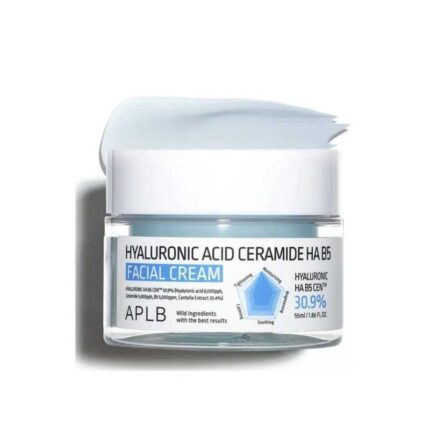 Sale
SaleOriginal price was: ৳ 1,380.00.৳ 966.00Current price is: ৳ 966.00.
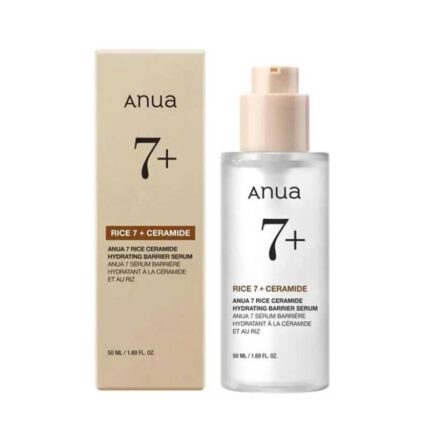 Sale
SaleOriginal price was: ৳ 3,160.00.৳ 2,212.00Current price is: ৳ 2,212.00.
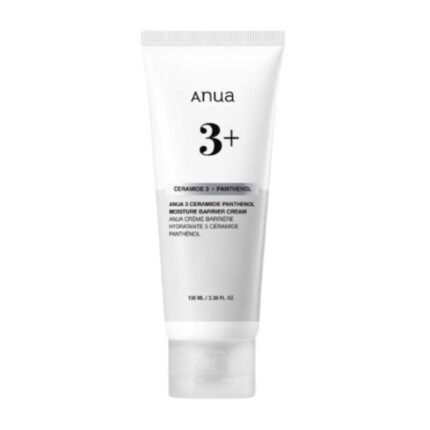 Sale
SaleOriginal price was: ৳ 2,850.00.৳ 2,688.00Current price is: ৳ 2,688.00.
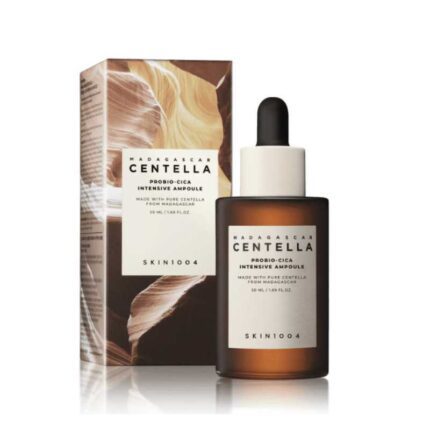 Sale
SaleOriginal price was: ৳ 2,660.00.৳ 1,862.00Current price is: ৳ 1,862.00.
The Science Behind Skin Barrier Function and Ceramide’s Role
To truly appreciate the indispensable nature of ceramides, one must first grasp the complexities of the skin barrier. The stratum corneum, the outermost layer of the epidermis, serves as the primary interface between your body and the external world. It is a marvel of biological engineering, performing two critical functions: preventing excessive transepidermal water loss (TEWL) and acting as a physical shield against environmental assaults. A healthy skin barrier ensures the body retains essential moisture, preventing dehydration, while simultaneously blocking the entry of harmful substances such as bacteria, viruses, allergens, and chemical irritants.
Ceramides are central to this two-way protection. Within the stratum corneum, they intersperse themselves between the corneocytes (flattened, dead skin cells), forming a highly organized, intercellular lipid matrix. This matrix is not merely a passive filler; it actively contributes to the skin’s semi-permeable nature. The unique chemical structure of ceramides, with their hydrophilic (water-attracting) and hydrophobic (water-repelling) ends, allows them to self-assemble into these highly ordered lamellar structures. This tight, layered arrangement creates a formidable barrier that is incredibly effective at preventing water molecules from escaping the skin’s surface, a process crucial for maintaining optimal hydration levels. Furthermore, this lipid matrix acts as the first line of defense, physically blocking the entry of potentially harmful exogenous agents, thus protecting the deeper, more vulnerable layers of the skin.
The integrity of this lipid matrix directly correlates with skin health. When the levels or composition of ceramides are compromised, the lipid “mortar” becomes porous and disorganized. This disruption leads to an increase in TEWL, resulting in dry, flaky, and uncomfortable skin. Simultaneously, the weakened barrier becomes more permeable to external irritants, triggering inflammatory responses, sensitivity, and allergic reactions. This heightened vulnerability underscores why ceramide, alongside cholesterol and fatty acids, forms the cornerstone of effective barrier repair strategies. Maintaining an optimal balance and abundance of these lipids directly translates to a robust, healthy, and resilient skin barrier.
When Ceramide Levels Dip: The Consequences for Your Skin
A deficiency in ceramides fundamentally compromises the skin barrier, leading to a cascade of undesirable effects. This reduction can manifest in various ways, often resulting in visible and palpable changes to the skin’s texture, appearance, and overall health. Understanding these consequences highlights the urgency of addressing ceramide depletion.
- Increased Transepidermal Water Loss (TEWL): This is arguably the most immediate and significant consequence. With insufficient ceramides, the tightly packed lipid matrix becomes fragmented and porous. Water, which naturally seeks to evaporate from the skin, finds fewer obstacles, leading to accelerated water loss. The result is chronically dry, dehydrated, and often tight-feeling skin.
- Dryness and Flakiness: As the skin loses its ability to retain moisture, it becomes parched. This manifests as visible flaking, scaling, and a rough texture. The skin may feel uncomfortable, itchy, and look dull.
- Heightened Sensitivity and Irritation: A compromised barrier acts as a less effective shield. Environmental irritants, allergens (like pollen or dust mites), and even mild skincare ingredients can penetrate more easily, triggering inflammatory responses. This can lead to redness, stinging, burning, and increased reactivity to products that would normally be well-tolerated.
- Increased Susceptibility to Skin Conditions: Many chronic skin conditions are linked to ceramide deficiencies.
- Eczema (Atopic Dermatitis): Individuals with eczema often exhibit significantly reduced levels and altered profiles of specific ceramides, particularly Ceramide 1 (now Ceramide EOS) and Ceramide 3 (now Ceramide NP). This genetic predisposition to a faulty barrier makes them highly susceptible to flare-ups, characterized by intense itching, redness, and inflammation.
- Psoriasis: This autoimmune condition also involves an impaired skin barrier, with altered ceramide synthesis and composition contributing to the characteristic thick, scaly plaques.
- Acne: While often associated with excess oil, acne-prone skin can also have a compromised barrier due to harsh treatments or an inherent imbalance, making it more prone to inflammation and bacterial proliferation.
- Rosacea: The redness, flushing, and sensitivity associated with rosacea can be exacerbated by a weakened barrier, allowing inflammatory triggers to penetrate more readily.
- Premature Aging: A healthy skin barrier provides optimal conditions for cellular function. Chronic dehydration and inflammation, resulting from ceramide depletion, can accelerate the aging process, leading to the premature appearance of fine lines, wrinkles, and a loss of skin elasticity. The skin loses its plumpness and youthful resilience.
- Impaired Defense Against Pathogens: The skin barrier is a crucial component of the innate immune system. When compromised, it offers less resistance to bacteria, fungi, and viruses, potentially increasing the risk of infections.
In essence, low ceramide levels transform the skin from a robust fortress into a permeable sieve, making it vulnerable from within and without. Recognizing these signs allows for targeted intervention, often beginning with the strategic reintroduction of ceramides through topical applications to facilitate effective barrier repair.
The Causes of Ceramide Depletion: Why Your Skin Might Be Struggling
Ceramide levels are not static; they fluctuate and can be significantly impacted by a multitude of factors, both intrinsic and extrinsic. Understanding these causes provides a pathway to mitigating their effects and preserving your skin’s vital barrier. Identifying the source of depletion is a critical step in effective barrier repair strategies.
Intrinsic Factors Contributing to Ceramide Loss
- Aging: This is a primary biological factor. As we age, the natural production of ceramides in the skin gradually declines. Studies show a noticeable decrease in ceramide levels starting in our 30s and accelerating with each decade. This age-related reduction contributes directly to drier, more fragile skin that is less resilient to damage and shows signs of aging more rapidly.
- Genetics: Some individuals are genetically predisposed to lower ceramide production or an altered ceramide profile. This genetic component is particularly evident in conditions like atopic dermatitis (eczema), where a specific genetic mutation often leads to a deficiency in certain ceramide types, making the skin inherently more vulnerable and prone to flare-ups.
- Certain Skin Conditions: Beyond genetics, conditions such as psoriasis, rosacea, and even acne can involve or lead to compromised ceramide levels and barrier function. The underlying inflammatory processes or aggressive treatment protocols for these conditions can further exacerbate ceramide depletion.
Extrinsic Factors Damaging Ceramide Levels
- Harsh Cleansing Practices: Using cleansers that contain strong surfactants (like Sodium Lauryl Sulfate), hot water, or over-exfoliating the skin can strip away the natural lipids, including ceramides. These practices disrupt the delicate lipid matrix, washing away essential components and leaving the skin vulnerable.
- Environmental Stressors:
- UV Radiation: Prolonged exposure to ultraviolet (UV) rays from the sun causes oxidative stress and can directly degrade ceramides, impairing the skin barrier. This is another reason why daily sun protection is crucial for overall skin health.
- Pollution: Airborne pollutants (e.g., particulate matter, ozone) generate free radicals that damage skin cells and lipids, including ceramides, contributing to barrier dysfunction and accelerated aging.
- Extreme Weather Conditions: Both very cold, dry air and excessively humid environments can stress the skin barrier. Low humidity strips moisture, while high humidity can sometimes lead to increased bacterial growth or irritation in susceptible individuals, indirectly impacting barrier health.
- Inappropriate Skincare Ingredients: Certain ingredients, while beneficial in moderation, can be detrimental to the barrier if used improperly or in excess. Strong retinoids, alpha hydroxy acids (AHAs), and beta hydroxy acids (BHAs) used too frequently or at high concentrations can temporarily disrupt the lipid barrier, leading to irritation and ceramide loss if not properly balanced with barrier-supporting products.
- Lifestyle Choices:
- Poor Diet: A diet lacking in essential fatty acids (omega-3 and omega-6), vitamins, and antioxidants can impede the skin’s ability to synthesize and maintain healthy ceramide levels. The building blocks for these lipids come from what we consume.
- Stress: Chronic psychological stress triggers hormonal changes that can negatively impact skin health, including its barrier function and ceramide production.
- Smoking: Nicotine and other toxins in cigarette smoke restrict blood flow, reduce oxygen delivery, and generate free radicals, all of which contribute to skin damage and ceramide degradation.
Recognizing these numerous factors allows for a holistic approach to skin health. By addressing both internal and external challenges, we can more effectively protect and replenish our skin’s crucial ceramide stores, facilitating robust barrier repair and promoting long-term skin resilience.
Restoring and Maintaining Ceramide Levels: The Path to Barrier Repair
The good news is that ceramide depletion is often reversible, and strategic interventions can significantly bolster your skin’s defense system. The cornerstone of effective barrier repair involves replenishing ceramides through topical application and adopting practices that support your skin’s natural lipid production. This proactive approach not only alleviates current symptoms but also fortifies the skin against future damage.
Topical Application: Your Most Powerful Tool for Ceramide Enhancement
Topical skincare products are the most direct and effective way to introduce ceramides back into the skin, directly supporting the lipid matrix. However, not all ceramide products are created equal.
- The Importance of a Balanced Lipid Ratio: For optimal barrier repair, products should ideally contain ceramides alongside cholesterol and fatty acids in a physiologically relevant ratio, often cited as 3:1:1 or 1:1:1. This specific combination mimics the natural lipid composition of a healthy skin barrier, allowing the applied lipids to integrate seamlessly into the existing structure and effectively patch up compromised areas. Products containing only ceramides without these synergistic components may be less effective at fully restoring barrier function.
- Identifying Ceramide Types in Skincare: Look for specific ceramide designations on ingredient lists. Common and effective types include:
- Ceramide NP (Ceramide 3): A widely used and effective ceramide, crucial for water retention.
- Ceramide AP (Ceramide 6-II): Helps restore barrier function and reduces dryness.
- Ceramide EOP (Ceramide 1): Particularly important for maintaining skin hydration and barrier integrity, often deficient in eczema.
- Ceramide NS/NG (Ceramide 2): Also vital for hydration and barrier reinforcement.
- Phytosphingosine and Sphingosine: These are ceramide precursors, which the skin can convert into ceramides. They also possess antimicrobial properties.
- Choosing a Ceramide Moisturizer: A well-formulated ceramide moisturizer is an essential product for anyone looking to improve skin health.
- Creams vs. Lotions vs. Serums: Creams generally offer richer, more occlusive formulations, making them ideal for very dry or severely compromised skin. Lotions provide lighter hydration and are suitable for normal to oily skin or during warmer months. Serums, often more concentrated, can deliver ceramides effectively, especially when layered under a moisturizer.
- Concentration Matters: While no exact percentage is universally agreed upon, look for ceramides appearing higher up on the ingredient list, indicating a more substantial concentration.
- Synergistic Ingredients: Beyond the lipid ratio, opt for a ceramide moisturizer that includes other barrier-supporting ingredients like hyaluronic acid (for hydration), niacinamide (for barrier strengthening and anti-inflammatory benefits), glycerin (a humectant), and antioxidants (to combat free radical damage).
- Fragrance-Free and Hypoallergenic: Especially for sensitive or compromised skin, choose products free from fragrances, dyes, and common irritants to minimize the risk of further irritation.
- Application Techniques: Apply ceramide-rich products to clean, slightly damp skin to help lock in moisture. For optimal barrier repair, consistent daily use, both morning and night, is typically recommended.
Supporting Ceramide Production Through Diet and Lifestyle
While topical application is paramount, lifestyle and dietary choices play a supporting role in creating an environment conducive to healthy ceramide synthesis.
- Essential Fatty Acids (EFAs): Include foods rich in omega-3 and omega-6 fatty acids, such as fatty fish (salmon, mackerel), flaxseeds, chia seeds, walnuts, and avocado. EFAs are crucial building blocks for various skin lipids, including ceramides, and also possess anti-inflammatory properties.
- Antioxidant-Rich Foods: Berries, leafy greens, colorful vegetables, and green tea provide antioxidants that protect skin cells and lipids from oxidative damage, thereby preserving existing ceramides.
- Hydration: Drink plenty of water throughout the day to support overall skin function and cellular health, indirectly aiding in optimal ceramide synthesis.
- Stress Management: Chronic stress can impair barrier function. Incorporate stress-reducing activities like meditation, yoga, or spending time in nature into your routine.
- Adequate Sleep: Sleep is when the body, including the skin, repairs and regenerates. Prioritizing 7-9 hours of quality sleep helps optimize all cellular processes.
- Avoid Harsh Skincare Habits: Minimize hot showers, aggressive scrubbing, and the overuse of harsh exfoliants or strong active ingredients without proper barrier support. These practices strip the skin of its natural lipids and interfere with ceramide integrity.
By combining targeted topical applications, particularly a well-chosen ceramide moisturizer, with supportive dietary and lifestyle practices, you equip your skin with the tools it needs for efficient barrier repair and sustained resilience. This holistic strategy not only restores immediate comfort but also lays the foundation for long-term skin health.
Targeting Specific Skin Concerns with the Power of Ceramide
The versatility of ceramides makes them an invaluable asset in addressing a wide array of skin concerns. Their ability to restore and maintain the skin barrier translates into tangible improvements for various dermatological challenges, proving that a strong barrier is the foundation of healthy skin.
Dry and Dehydrated Skin: The Primary Beneficiary
For individuals struggling with chronic dryness or temporary dehydration, ceramides are a game-changer. Dry skin often results from a compromised skin barrier and an inability to retain moisture effectively. By replenishing ceramides, particularly through a rich ceramide moisturizer, the skin’s natural moisture barrier is fortified. This action directly reduces transepidermal water loss (TEWL), allowing the skin to hold onto vital hydration. The result is skin that feels softer, smoother, more supple, and significantly less tight or flaky. Ceramides essentially re-establish the skin’s natural humidifier, providing lasting relief from discomfort.
Sensitive and Reactive Skin: Calming and Strengthening
Sensitive skin often reacts to environmental triggers, allergens, and even mild skincare products with redness, stinging, and itching. This hypersensitivity is frequently rooted in a weakened skin barrier, which allows irritants to penetrate easily and trigger inflammatory responses. Incorporating ceramides helps rebuild this compromised barrier, making it more resilient and less permeable to external aggressors. As the barrier strengthens, the skin becomes less reactive, more tolerant to various stimuli, and overall calmer. This makes ceramide products an excellent choice for those seeking to reduce skin sensitivity and improve overall comfort.
Eczema (Atopic Dermatitis): A Critical Component of Management
Eczema, particularly atopic dermatitis, is intricately linked to a genetic deficiency in ceramides and a compromised skin barrier. Individuals with eczema often have significantly lower levels of specific ceramides, leading to a “leaky” barrier that is highly susceptible to allergens and irritants, triggering severe itching, inflammation, and flare-ups. Regular use of ceramide-rich products is a cornerstone of eczema management. These products help replenish the missing lipids, repair the damaged barrier, reduce water loss, and create a stronger defense against triggers. While not a cure, consistent ceramide application can significantly reduce the frequency and severity of eczema flare-ups, providing much-needed relief and improving the skin’s overall condition. They are vital for long-term barrier repair and maintenance in eczematous skin.
Acne-Prone Skin: Beyond the Breakouts
While historically associated with oily skin and breakouts, individuals with acne can also benefit significantly from ceramides. Harsh acne treatments (like retinoids or benzoyl peroxide) often strip the skin of its natural oils, leading to dryness, irritation, and a compromised barrier, which can paradoxically worsen acne or make the skin more sensitive. Ceramides help to repair this damaged barrier, soothing irritation and rebalancing the skin without clogging pores. A healthy barrier is better equipped to manage inflammation and maintain a balanced microbiome, which can indirectly support clearer skin. Using a non-comedogenic ceramide moisturizer can mitigate the drying side effects of acne treatments, making them more tolerable and effective.
Aging Skin: Restoring Youthful Resilience
As discussed, ceramide levels naturally decline with age, contributing to dry, less resilient skin, and the increased visibility of fine lines and wrinkles. By replenishing ceramides, topical products can help restore the skin’s youthful integrity and function. A stronger barrier means better moisture retention, which plumps the skin, reduces the appearance of dehydration lines, and improves overall elasticity. Ceramides also help protect aging skin from environmental damage, which is a major contributor to premature aging. They contribute to a more supple, firm, and radiant complexion, helping to mitigate the visible signs of aging.
In every instance, the fundamental action of ceramides—strengthening the skin barrier—translates into a multifaceted benefit profile, making them an indispensable ingredient in a well-rounded skincare regimen aimed at improving and maintaining skin health across diverse concerns.
Decoding Ceramide Types in Skincare: What to Look For
Navigating the world of ceramides in skincare can feel complex, given the numerous variations listed on ingredient labels. While all ceramides contribute to skin barrier integrity, understanding the most common types and their specific roles can help you select the most effective products for your needs and ensure comprehensive barrier repair.
The Major Ceramide Types You’ll Encounter
Modern nomenclature for ceramides simplifies the chemical structures into categories such as EOP, NS, NP, AS, AP, and EOS. These represent different fatty acid chains attached to a sphingoid base, influencing their specific properties and location within the lipid matrix. A comprehensive ceramide moisturizer or serum will often include a blend of these to mimic the skin’s natural composition as closely as possible.
- Ceramide NP (Ceramide 3): This is one of the most common and effective ceramides used in skincare. The “NP” stands for N-stearoylphytosphingosine. It is crucial for maintaining the skin’s water-holding capacity and contributes significantly to the integrity of the lipid barrier. Ceramide NP helps replenish the intercellular lipid matrix, reducing transepidermal water loss and improving skin hydration and texture. It is a workhorse ceramide for overall barrier health.
- Ceramide AP (Ceramide 6-II): The “AP” denotes N-stearoyl-phytosphingosine. Ceramide AP plays a vital role in restoring the barrier function, especially in conditions associated with compromised skin, such as eczema. It helps to regulate cellular organization within the stratum corneum and strengthens the skin’s defense against irritants. Its presence is indicative of a well-rounded ceramide moisturizer aimed at robust barrier repair.
- Ceramide EOP (Ceramide 1): This type, N-linoleoyl-phytosphingosine, is particularly important for maintaining the skin’s hydration and barrier integrity. It is often found to be deficient in individuals with atopic dermatitis, making it a critical component for managing eczema. Ceramide EOP helps to bind the lipid layers together, contributing to the overall strength and cohesion of the skin barrier.
- Ceramide NS / Ceramide NG (Ceramide 2): “NS” stands for N-stearoyl-sphingosine and “NG” for N-lignoceroyl-sphingosine. These ceramides are essential for maintaining the skin’s hydration and reinforce the structural integrity of the barrier. They contribute to the dense packing of the lipid matrix, which is vital for preventing water loss and protecting against external threats.
- Ceramide AS (Ceramide 5): N-stearoyl-sphinganine, or Ceramide AS, helps to maintain the skin’s moisture balance and contributes to the barrier function. It is particularly effective in supporting the cohesion of skin cells.
- Ceramide EOS (Ceramide 4): N-acylsphingosine. This ceramide forms part of the covalently bound ceramide layer, which is essential for the long-term integrity and resistance of the stratum corneum. It is a precursor to longer-chain ceramides and plays a role in the more durable aspects of the barrier.
Ceramide Precursors: Building Blocks for Your Skin
Beyond the direct application of ceramides, some products also include precursors that the skin can utilize to synthesize its own ceramides.
- Phytosphingosine: This is a lipid that serves as a building block for many ceramide types. When applied topically, phytosphingosine can be converted by the skin into various ceramides. It also possesses natural antimicrobial and anti-inflammatory properties, offering additional benefits for compromised or acne-prone skin.
- Sphingosine: Similar to phytosphingosine, sphingosine is another sphingoid base that acts as a precursor for ceramide synthesis. It can help stimulate the skin’s natural ceramide production, contributing to barrier repair from within.
The Lipid Ratio: More Than Just Ceramides
While understanding individual ceramide types is beneficial, remember the crucial context of the “lipid ratio.” A truly effective skin barrier ingredient product, especially a ceramide moisturizer, will not only contain a variety of ceramides but also incorporate cholesterol and free fatty acids in a balanced ratio (often 3:1:1 or 1:1:1 for cholesterol, ceramides, and fatty acids respectively). This comprehensive blend ensures that the applied lipids optimally integrate into the skin’s natural structure, providing the most robust and complete barrier repair.
When selecting skincare products, look for transparency in ingredient lists. A well-formulated product will proudly list specific ceramide types, often indicating a deeper understanding of barrier science. By choosing products with a thoughtful blend of ceramides and their co-lipids, you empower your skin to rebuild, strengthen, and maintain its vital protective barrier effectively.
Synergistic Ingredients for Enhanced Barrier Repair
While ceramides are undeniably the cornerstone of skin barrier integrity, their efficacy often increases exponentially when combined with other complementary ingredients. These synergistic components work hand-in-hand with ceramides, providing comprehensive support for hydration, protection, and overall skin health, driving superior barrier repair results. A holistic ceramide moisturizer formulation will often include several of these powerhouse ingredients.
- Cholesterol: As one of the three major lipids in the stratum corneum (alongside ceramides and fatty acids), cholesterol plays a critical role in maintaining the structure and fluidity of the lipid matrix. It helps organize ceramides and fatty acids into a compact, impermeable barrier. Products formulated with ceramides, cholesterol, and fatty acids in a physiologically relevant ratio (e.g., 3:1:1 or 1:1:1) are considered gold standard for barrier repair, as they mimic the skin’s natural composition.
- Fatty Acids (e.g., Linoleic Acid, Oleic Acid): Free fatty acids are the third essential lipid component of the skin barrier. They contribute to the “mortar” that holds skin cells together and are vital for maintaining skin suppleness and preventing dryness. Linoleic acid, an omega-6 essential fatty acid, is particularly important as it cannot be synthesized by the body and must be obtained topically or through diet. It plays a crucial role in ceramide synthesis and barrier function. When combined with ceramides and cholesterol, fatty acids create a complete lipid blend for optimal skin barrier ingredient action.
- Hyaluronic Acid (HA): A powerful humectant, hyaluronic acid attracts and holds up to 1,000 times its weight in water from the atmosphere and deeper skin layers. While ceramides prevent water loss, HA actively pulls moisture into the skin, providing immediate and deep hydration. This dual action—locking moisture in with ceramides and drawing it in with HA—creates a significantly more hydrated and plump complexion. It works wonders alongside a ceramide moisturizer.
- Glycerin: Another excellent humectant, glycerin is a natural component of healthy skin and helps to hydrate the outermost layer by attracting moisture. It supports the skin’s natural moisturizing factors (NMFs) and enhances the efficacy of ceramides by ensuring the skin is adequately hydrated for optimal barrier function. Glycerin improves skin smoothness and suppleness without feeling heavy.
- Niacinamide (Vitamin B3): This multi-tasking vitamin offers a plethora of benefits for the skin barrier. Niacinamide stimulates the natural production of ceramides, strengthening the skin’s natural lipid barrier from within. It also possesses potent anti-inflammatory properties, reducing redness and irritation, and helps to improve skin tone and elasticity. For those focused on barrier repair, niacinamide is an indispensable partner to ceramide products.
- Panthenol (Pro-Vitamin B5): Known for its soothing and humectant properties, panthenol readily penetrates the skin, where it is converted into pantothenic acid (Vitamin B5). It helps to attract and retain moisture, contributing to skin hydration and elasticity. Panthenol also supports the skin’s natural healing process and can reduce redness and irritation, making it a valuable addition to formulas designed for compromised skin.
- Peptides: These short chains of amino acids act as signaling molecules, encouraging the skin to produce more collagen, elastin, and even its own ceramides. By boosting the skin’s natural regenerative processes, peptides contribute to overall skin strength and resilience, working synergistically with topical ceramides for comprehensive barrier reinforcement.
- Antioxidants (e.g., Vitamin C, Vitamin E, Ferulic Acid, Green Tea Extract): Environmental aggressors like UV radiation and pollution generate free radicals, which can damage skin cells and degrade vital lipids, including ceramides. Antioxidants neutralize these free radicals, protecting the skin barrier from oxidative stress and preserving its integrity. Integrating antioxidants into a ceramide-focused routine safeguards the skin’s defenses and prevents future damage.
When selecting products for barrier repair, consider formulations that intelligently combine ceramides with a selection of these synergistic ingredients. This multi-faceted approach ensures not only that ceramides are effectively delivered and integrated but also that the skin receives comprehensive support for hydration, protection, and overall health, leading to truly transformative results.
Choosing the Right Ceramide Product: A Guide for Informed Decisions
With a deeper understanding of ceramides, their types, and their synergistic partners, the next crucial step involves selecting the most suitable products for your skincare regimen. The market offers a vast array of formulations, but an informed choice ensures you maximize the benefits for optimal barrier repair and skin health. Focusing on key attributes will guide you towards an effective ceramide moisturizer or treatment.
Formulation Considerations: Tailoring to Your Skin Type
The vehicle in which ceramides are delivered significantly impacts their feel and absorption, making it important to match the product type to your skin’s needs:
- Creams: Generally the richest and most occlusive, ceramide creams are ideal for very dry, mature, or severely compromised skin. Their thicker texture provides substantial emollience and creates a protective layer, effectively sealing in moisture and supporting intensive barrier repair. They are especially beneficial during colder, drier months.
- Lotions: Lighter in texture than creams, ceramide lotions offer good hydration without feeling heavy. They are suitable for normal, combination, or slightly oily skin types, and can be a good choice during warmer, more humid climates. They still provide effective barrier support but with a less substantial feel.
- Serums: Ceramide serums are typically more concentrated and designed to penetrate deeper into the skin due to their lighter, often fluid consistency. They can be excellent for targeted treatment and are usually applied before a moisturizer. Serums are versatile and can be incorporated into most skin types’ routines, layering well with other products.
- Ointments/Balms: For extremely dry, cracked, or eczematous skin, very rich ceramide ointments or balms offer the highest level of occlusion and protection. These are often used for localized, intensive barrier repair.
Key Attributes to Look for on Ingredient Lists
Becoming an ingredient detective is crucial for selecting truly effective ceramide products.
- Presence of Multiple Ceramide Types: As discussed, your skin barrier contains various ceramide types. A superior ceramide moisturizer or treatment will typically include a blend of several ceramides (e.g., Ceramide NP, AP, EOP, NS) to provide comprehensive support and mimic the skin’s natural lipid profile.
- Inclusion of Co-Lipids: Look for cholesterol and fatty acids (such as linoleic acid) listed alongside ceramides. Products that include these three major lipids in a balanced, physiologically relevant ratio (often cited as 3:1:1 for cholesterol, ceramides, and fatty acids respectively, or sometimes 1:1:1 for total lipids) are far more effective at holistic barrier repair than those containing only ceramides.
- Synergistic Ingredients: Scan for beneficial additions like Niacinamide, Hyaluronic Acid, Glycerin, Panthenol, and antioxidants. These ingredients amplify the ceramide’s effects, providing further hydration, soothing properties, and protection against environmental damage.
- Fragrance-Free and Essential Oil-Free: For sensitive, compromised, or easily irritated skin (which often needs ceramides the most), always opt for products free from synthetic fragrances, essential oils, and dyes. These can be significant irritants and undermine the goal of barrier repair.
- Non-Comedogenic: If you have acne-prone skin, ensure the product is labeled “non-comedogenic” to minimize the risk of clogged pores and breakouts, especially when selecting a richer ceramide moisturizer.
- Packaging: Air-tight, opaque packaging (e.g., pump bottles, squeeze tubes) is preferable for preserving the stability and efficacy of sensitive ingredients like ceramides and antioxidants, protecting them from light and air exposure.
Patch Testing: A Prudent First Step
Before introducing any new ceramide product to your entire face, especially if you have sensitive or reactive skin, always perform a patch test. Apply a small amount of the product to an inconspicuous area (e.g., behind the ear or on the inner forearm) for a few days to check for any adverse reactions like redness, itching, or irritation. This simple step can prevent widespread discomfort and confirm product compatibility.
By taking a discerning approach to product selection, armed with knowledge about ceramide types, synergistic ingredients, and formulation preferences, you empower yourself to build a skincare routine that effectively supports your skin’s vital barrier, leading to lasting health, comfort, and radiance. A carefully chosen ceramide moisturizer is a fundamental investment in your skin’s well-being.
Common Myths and Misconceptions About Ceramide
Despite their critical role in skin health, ceramides are sometimes subject to common misunderstandings. Dispelling these myths helps ensure you approach your skincare routine with accurate information, maximizing the benefits of this potent skin barrier ingredient and achieving effective barrier repair.
Myth 1: “All Ceramides Are the Same.”
Reality: This is perhaps the most prevalent misconception. As detailed earlier, ceramides are a family of diverse lipids, not a single molecule. There are at least nine different types of ceramides naturally found in human skin, each with slightly different chemical structures and specific roles within the lipid matrix. For instance, Ceramide NP is excellent for hydration, while Ceramide EOP is particularly crucial for integrity in conditions like eczema. A truly effective ceramide moisturizer will often contain a blend of multiple ceramide types to mimic the skin’s natural composition and provide comprehensive support for barrier repair. Relying on a product with only one type might offer some benefit, but a multi-ceramide blend is generally superior for holistic skin health.
Myth 2: “More Ceramide is Always Better.”
Reality: While increasing ceramide levels is beneficial for a compromised barrier, simply packing a product with an extremely high concentration of ceramides isn’t necessarily the most effective approach. The key lies in the balance and ratio of ceramides with other essential lipids: cholesterol and fatty acids. These three components work synergistically to form the organized lamellar structure of the skin barrier. An unbalanced ratio, even with high ceramide content, may not integrate optimally into the skin’s natural lipid matrix. Therefore, a well-formulated product with a balanced blend of lipids is often more effective than one that boasts an excessively high percentage of just one type of ceramide or ceramides without their co-factors. Quality and balance trump sheer quantity.
Myth 3: “Ceramides Are Only for Dry Skin.”
Reality: While ceramides are indeed phenomenal for dry and dehydrated skin, their benefits extend far beyond. A healthy skin barrier is fundamental for all skin types.
- Oily/Acne-Prone Skin: Harsh acne treatments can compromise the barrier, leading to dryness, irritation, and even increased oil production as the skin tries to compensate. A non-comedogenic ceramide moisturizer helps soothe, balance, and strengthen the barrier in acne-prone skin without clogging pores.
- Sensitive Skin: A weakened barrier is a hallmark of sensitive skin, allowing irritants to penetrate easily. Ceramides fortify this barrier, reducing reactivity and increasing tolerance.
- Aging Skin: As ceramide levels naturally decline with age, all mature skin can benefit from their replenishing and firming effects, regardless of initial dryness.
Therefore, ceramides are a universal skin barrier ingredient that can improve the health and resilience of virtually any skin type.
Myth 4: “You Can Get Enough Ceramides from Your Diet.”
Reality: While certain foods contain lipids and precursors that support ceramide synthesis (like essential fatty acids), directly consuming ceramides in your diet and expecting them to travel to your skin cells to replenish the barrier is not a direct or highly efficient mechanism. The body breaks down dietary fats for energy and other systemic functions. Topical application of ceramides directly delivers these vital lipids where they are needed most – to the outermost layer of the skin, where they can integrate into the lipid matrix for immediate barrier repair. While a healthy diet supports overall skin health, it is not a substitute for topical ceramides when addressing a compromised barrier.
Myth 5: “Ceramide Products Feel Heavy or Greasy.”
Reality: This depends entirely on the product’s formulation. While some ceramide creams are indeed rich and occlusive, perfect for very dry skin, many brands now formulate lightweight lotions, serums, and even hydrating toners that incorporate ceramides. These lighter formulations provide effective barrier repair and hydration without leaving a greasy residue, making them suitable for oily or combination skin types, or for use in humid climates. The type of emollient base and the overall blend of ingredients determine the product’s texture and finish.
By debunking these common myths, you can make more informed choices about incorporating ceramides into your skincare routine, harnessing their full potential for a healthier, more resilient, and radiant complexion.
Integrating Ceramides into Your Daily Routine: Practical Steps for Lasting Skin Health
Successfully incorporating ceramides into your daily skincare regimen is straightforward and highly effective for maintaining a robust skin barrier ingredient. Consistency is key when aiming for optimal barrier repair and sustained skin health. Here’s how to seamlessly weave ceramides into both your morning and evening routines, adapting to your skin’s needs.
The Morning Routine: Protection and Preparation
- Gentle Cleansing: Start your day with a mild, non-stripping cleanser. Avoid harsh foaming agents or hot water, which can strip away natural lipids, including ceramides. A creamy or hydrating cleanser will prepare your skin without compromising its barrier.
- Hydrating Toner (Optional): If you use a toner, opt for a hydrating, alcohol-free formula. This helps to balance skin pH and adds an initial layer of hydration.
- Ceramide Serum: If you use a ceramide serum, apply it now to clean, slightly damp skin. A serum delivers a concentrated dose of ceramides and synergistic ingredients, preparing the skin for subsequent layers. Gently pat it into your face and neck.
- Ceramide Moisturizer: Follow with your chosen ceramide moisturizer. This step is crucial for sealing in moisture and reinforcing your skin barrier against the day’s environmental stressors. Apply an even layer across your face, neck, and décolletage. For very dry skin, a richer cream is ideal; for normal to oily skin, a lighter lotion or gel-cream with ceramides works well.
- Sun Protection: Always conclude your morning routine with a broad-spectrum sunscreen with an SPF of 30 or higher. UV radiation is a significant cause of ceramide degradation and barrier damage. Sunscreen acts as an external shield, protecting the barrier you’ve worked to build and maintain.
The Evening Routine: Repair and Regeneration
- Double Cleansing (Recommended): Begin with an oil-based cleanser or micellar water to gently remove makeup, sunscreen, and environmental pollutants. Follow with a gentle, water-based cleanser to thoroughly clean your skin without stripping it. This ensures a clean canvas for optimal product absorption.
- Treatment Products (Exfoliants, Retinoids, etc.): If you use active treatment products like chemical exfoliants (AHAs/BHAs) or retinoids, apply them after cleansing and before your ceramide product.
- Strategic Layering: If your skin is sensitive or new to actives, consider applying your ceramide moisturizer first to create a buffer, or use actives on alternate nights. Ceramides can help mitigate the potential irritation and dryness associated with powerful actives, making them more tolerable. This is a vital aspect of barrier repair when using strong ingredients.
- Frequency: Use actives as recommended, not daily, especially when focusing on barrier repair. Give your skin time to recover.
- Ceramide Serum (If applicable): If you have a ceramide serum, apply it after your treatment product (or after cleansing if not using actives).
- Ceramide Moisturizer / Night Cream: This is arguably the most critical step for ceramides in the evening. Apply a generous layer of your ceramide moisturizer or a dedicated ceramide night cream. During sleep, your skin undergoes intensive repair processes, and providing a fresh supply of ceramides significantly aids in overnight barrier repair, hydration replenishment, and cellular regeneration. Richer textures often work best at night to provide prolonged barrier support.
- Occlusive (Optional): For extremely dry or compromised areas, you can apply a thin layer of an occlusive balm (e.g., petroleum jelly or a heavy ointment) over your ceramide moisturizer to further seal in moisture and protect the barrier.
Seasonal Adjustments and Consistency
- Adjusting to Climate: In colder, drier months, you may need a richer ceramide moisturizer. During warmer, more humid periods, a lighter lotion or serum might suffice. Listen to your skin and adjust accordingly.
- Consistency is Key: The benefits of ceramides are cumulative. Regular, consistent use is essential to effectively replenish and maintain your skin’s barrier over time, preventing future damage and ensuring long-term health and resilience.
By thoughtfully integrating ceramides into your daily skincare routine, you actively support your skin’s natural defenses, promoting lasting hydration, reduced sensitivity, and a healthier, more vibrant complexion. This structured approach to skincare is a direct investment in the long-term well-being of your skin barrier.
Frequently Asked Questions
What exactly is ceramide and why is it important for my skin?
Ceramide is a type of lipid (fat molecule) that makes up over 50% of your skin’s outermost layer, the stratum corneum. It acts as the “mortar” between your skin cells, forming a protective barrier that locks in moisture and keeps irritants, allergens, and pollutants out. It is crucial for hydration, protection, and overall skin health.
How do I know if my skin barrier is compromised?
Signs of a compromised skin barrier, often linked to low ceramide levels, include persistent dryness, flakiness, tightness, redness, itching, increased sensitivity, stinging or burning sensations when applying products, and a dull or rough skin texture. You might also notice your skin reacting more easily to environmental changes or new skincare products.
Can I get ceramides from food?
While a healthy diet rich in essential fatty acids (like omega-3s and omega-6s) and antioxidants supports your skin’s natural ability to produce ceramides, directly getting enough ceramides from food to replenish a compromised skin barrier is not efficient. Topical application of ceramide-rich skincare products is the most direct and effective way to deliver these lipids to your skin for barrier repair.
Are all ceramide products equally effective?
No, not all ceramide products are the same. Look for products that contain a blend of multiple ceramide types (e.g., Ceramide NP, AP, EOP) along with cholesterol and fatty acids in a balanced, physiologically relevant ratio (often 3:1:1 or 1:1:1). This mimics your skin’s natural lipid composition, making the product more effective for comprehensive barrier repair. Also, consider formulations that are fragrance-free and non-comedogenic.
How quickly can I expect to see results from using ceramide products for barrier repair?
Improvements in skin hydration and reduction in irritation can often be noticed within a few days to a week of consistent use, especially with a good ceramide moisturizer. However, significant and lasting barrier repair and long-term improvements in skin resilience typically take several weeks to a few months of continuous application, as the skin needs time to rebuild and optimize its lipid matrix.
Can I use ceramides with active ingredients like retinoids or AHAs?
Absolutely, in fact, ceramides are highly recommended when using potent active ingredients. Retinoids and AHAs can sometimes cause dryness, irritation, or temporarily compromise the skin barrier. Using a ceramide moisturizer can help to buffer these effects, soothe the skin, and support barrier repair, making these active treatments more tolerable and effective. You can apply the ceramide product before or after your active, depending on your skin’s sensitivity.
What is the best type of ceramide for very dry skin?
For very dry skin, look for a ceramide moisturizer that is rich and occlusive, containing a blend of multiple ceramide types (especially Ceramide NP and EOP) along with cholesterol and fatty acids. Cream or ointment formulations are often most effective, as they provide intensive hydration and strong barrier reinforcement to prevent water loss.
Are ceramides suitable for sensitive or acne-prone skin?
Yes, ceramides are highly beneficial for both sensitive and acne-prone skin. For sensitive skin, they help to strengthen a compromised barrier, reducing reactivity and irritation. For acne-prone skin, non-comedogenic ceramide products can soothe inflammation, repair the barrier damaged by harsh treatments, and help maintain balance without clogging pores. Always choose fragrance-free and non-comedogenic formulations for these skin types.
Do ceramides prevent aging?
Ceramides play a vital role in maintaining youthful-looking skin by preventing moisture loss, which plumps the skin and reduces the appearance of fine lines and wrinkles caused by dehydration. They also help protect the skin from environmental damage that contributes to premature aging. While they don’t stop the aging process entirely, they certainly help to maintain skin elasticity, firmness, and overall resilience, contributing to a more youthful appearance.
Is there a difference between synthetic and natural ceramides in skincare?
Most ceramides used in skincare products today are synthetically produced. This is a good thing, as synthetic ceramides are typically purer, more stable, and less likely to cause allergic reactions compared to some naturally derived sources. They are designed to be bio-identical, meaning their chemical structure is identical to the ceramides naturally found in human skin, making them highly effective for barrier repair.
Conclusion
The journey to truly healthy, resilient skin invariably leads back to the fundamental building blocks of its protective barrier. Among these, ceramide stands out as an unparalleled skin barrier ingredient, playing an indispensable role in maintaining hydration, shielding against environmental aggressors, and preserving overall dermal vitality. From its intricate biological function as the “mortar” holding skin cells together to its profound impact on conditions ranging from chronic dryness and sensitivity to eczema and even the visible signs of aging, the power of ceramides is undeniable.
Understanding ceramide depletion, its causes, and the strategic interventions available empowers you to take control of your skin’s health. By carefully selecting a well-formulated ceramide moisturizer that incorporates a balanced blend of ceramide types alongside cholesterol and fatty acids, you provide your skin with the essential components it needs for robust barrier repair. Beyond topical application, adopting supportive lifestyle choices – from diet to stress management – further fortifies your skin from within. This holistic approach ensures not only the immediate alleviation of discomfort but also the long-term establishment of a strong, healthy skin barrier.
Embrace the science of ceramides, integrate them thoughtfully into your daily routine, and witness the transformative power they hold for your complexion. A resilient skin barrier is not just a cosmetic ideal; it is the very foundation of comfort, protection, and lasting skin radiance. Investing in your skin’s ceramide levels is an investment in its enduring health, allowing your skin to face the world with confidence and vitality.